


Tour and Excursion to UZBEKISTAN
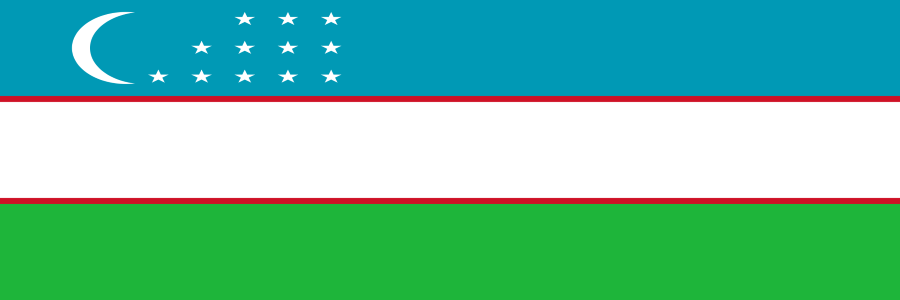
Uzbekistan is a country in Central Asia Previously part of the USSR. It is famous for its mosques, mausoleums and structures built along the Great Silk Road, the ancient trade route between China and the Mediterranean. The city of Samarkand, which was an important point on this route, gained worldwide fame thanks to Registan Square, which is surrounded by three madrasahs (Muslim educational institutions) decorated with mosaics, built in the 15th and 17th centuries.
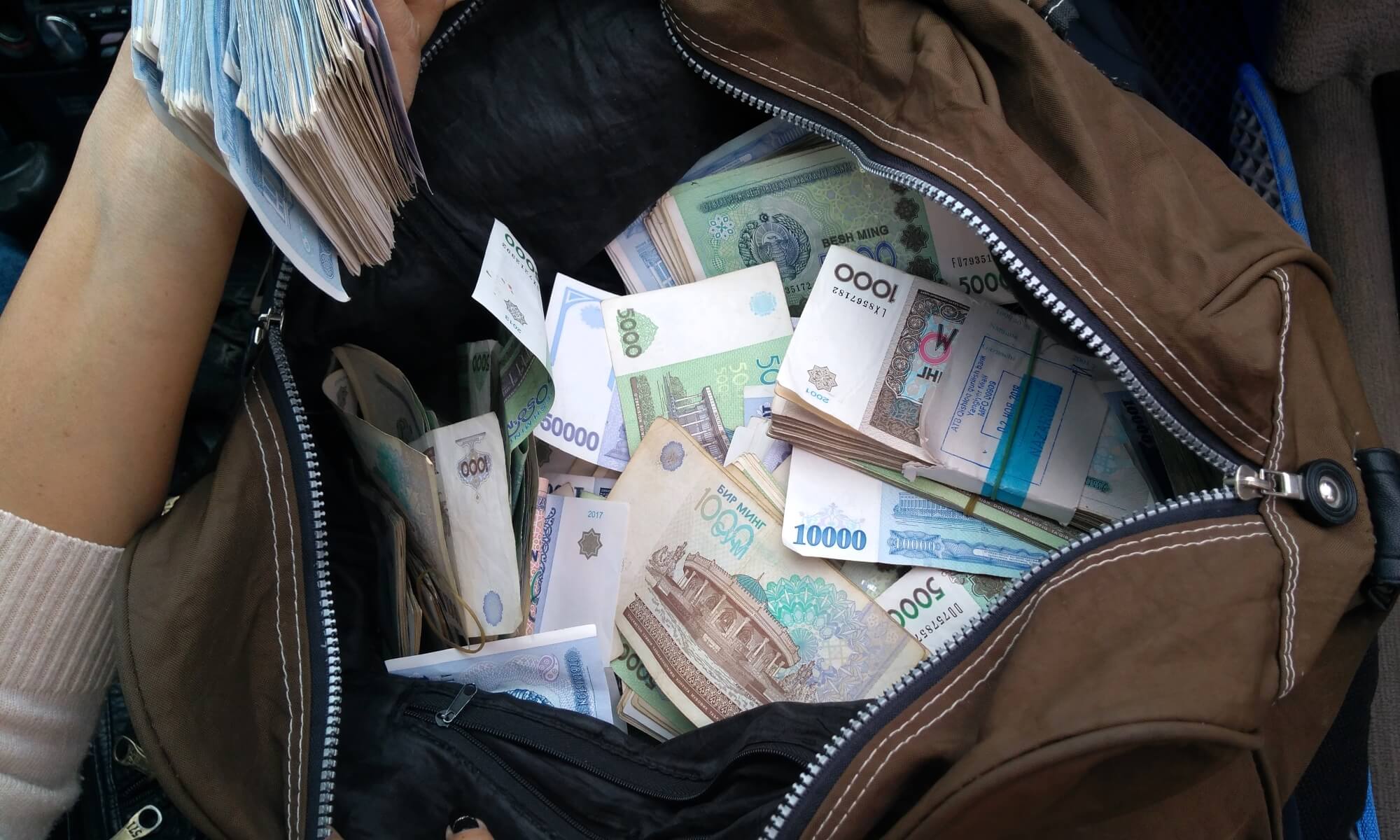
Capital: Tashkent; Currency: Uzbek som
Population: 32.39 million (2017) World Bank
Territory: 56th in the world
President: Shavkat Miromonovich Mirziyoyev
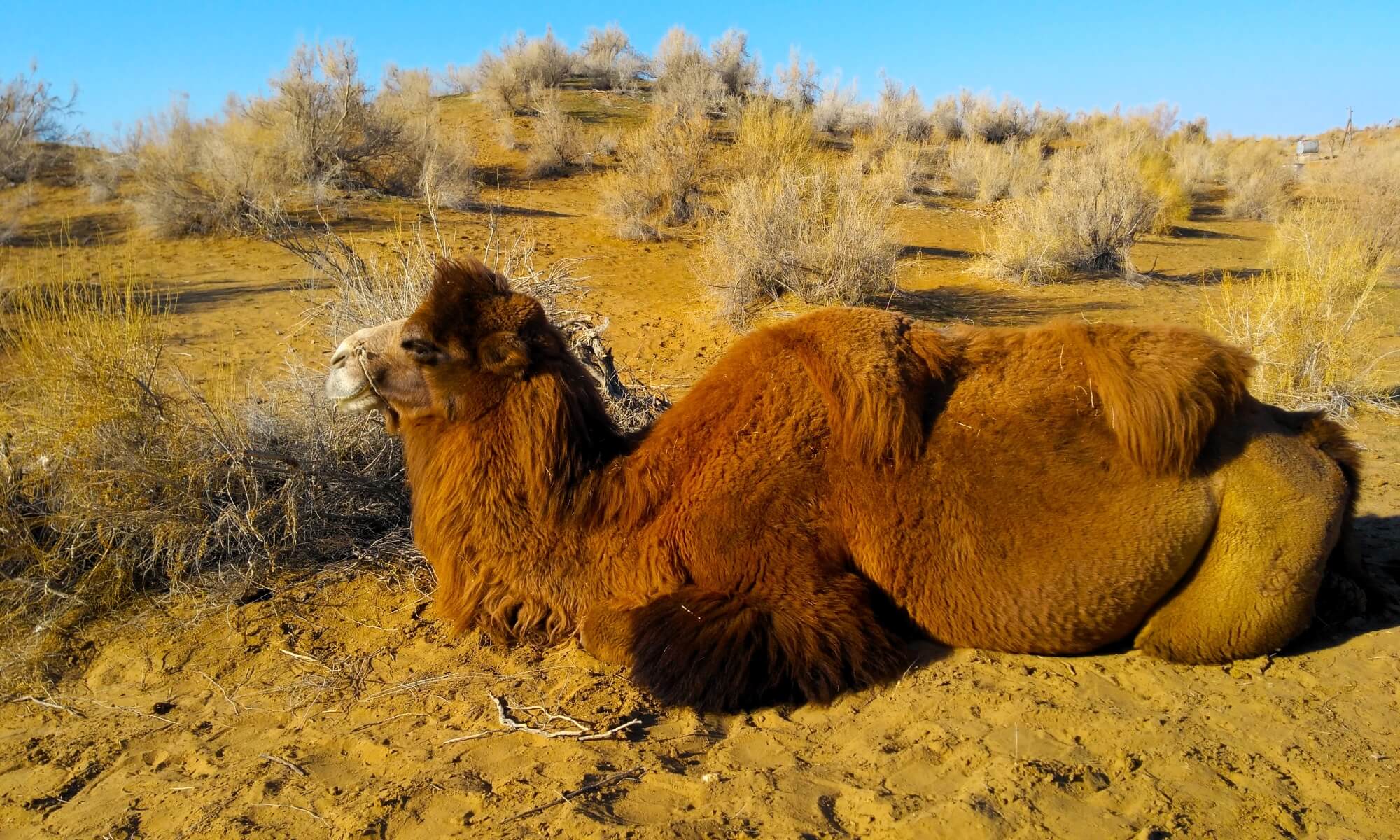
The territory of Uzbekistan is diverse, but large areas of this country are unsuitable for life: they are deserts, steppes, and mountains. The cities of Uzbekistan, around which the life of the people of this country is concentrated, are in river valleys, and they are of particular tourist interest, attracting people from all over the world.
Tashkent city
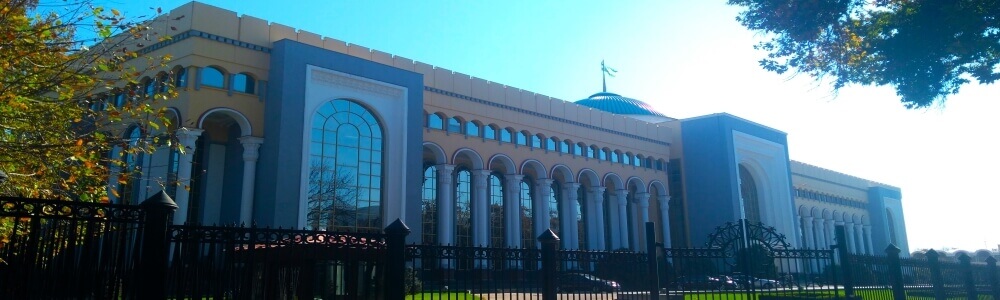
Tashkent is the capital and main city of Uzbekistan, whose history goes back more than 2000 years. The largest city in all Central Asia in terms of population (more than 3 million people). More than half of the territory of Uzbekistan is occupied by deserts, but Tashkent looks like a real oasis - the ancient city, built in the valley of the Chirchik River, is covered with a network of irrigation canals, decorated with fountains and buried in endless greenery. It is one of the largest in Central Asia and one of the oldest located on the Great Silk Road. Walking through this sunny capital, you want to remember every minute and everything you see - a trip to buy pilaf at the ancient bazaar, a walk through the square of Amir Temur (Tamerlane), who founded the great empire, getting to know the mosques and the oldest Koran in the world.
Samarkand city
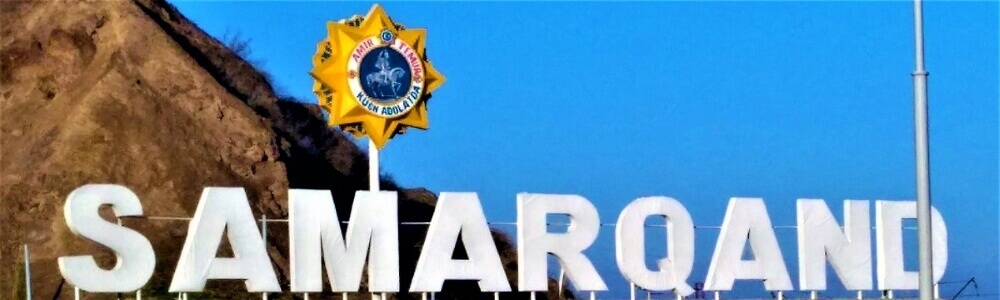
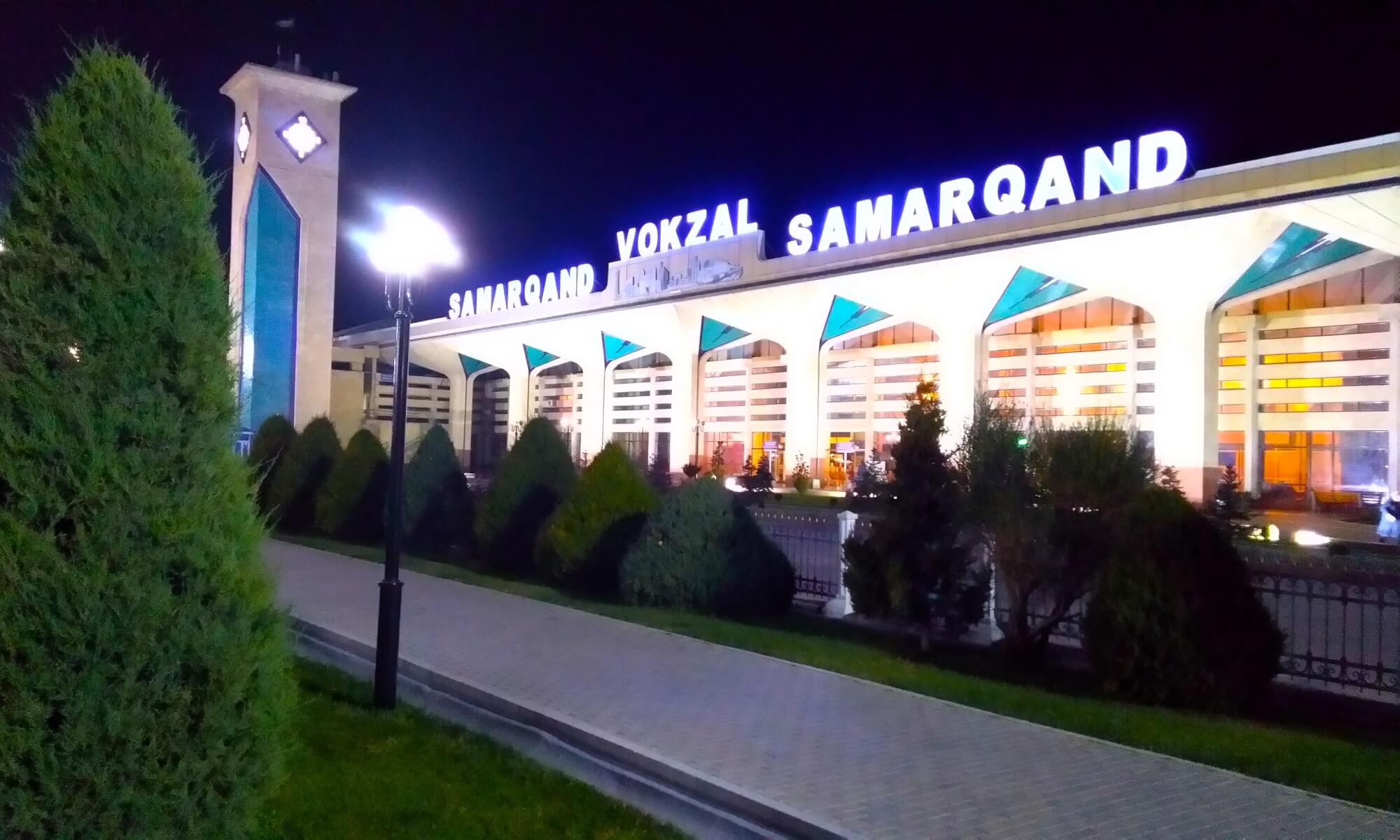
Samarkand is the third most populous city in Uzbekistan, the administrative center of the Samarkand region. The city is located at an altitude of about 720 meters above sea level. The historical center of the city is the Registan square and ensemble. In 2001, the city and its historical architectural and archaeological monuments were included in the UNESCO World Heritage List under the title “Samarkand - Crossroads of Cultures”.
Samarkand is one of the oldest cities in the world, founded, according to archaeological data, in the middle of the 8th century BC. e. (Ancient Marakanda), thus, Samarkand is the same age as Rome and Nanjing. For more than 2 millennia, the city was a key point on the Great Silk Road between China and Europe, as well as one of the main centers of science in the medieval East.
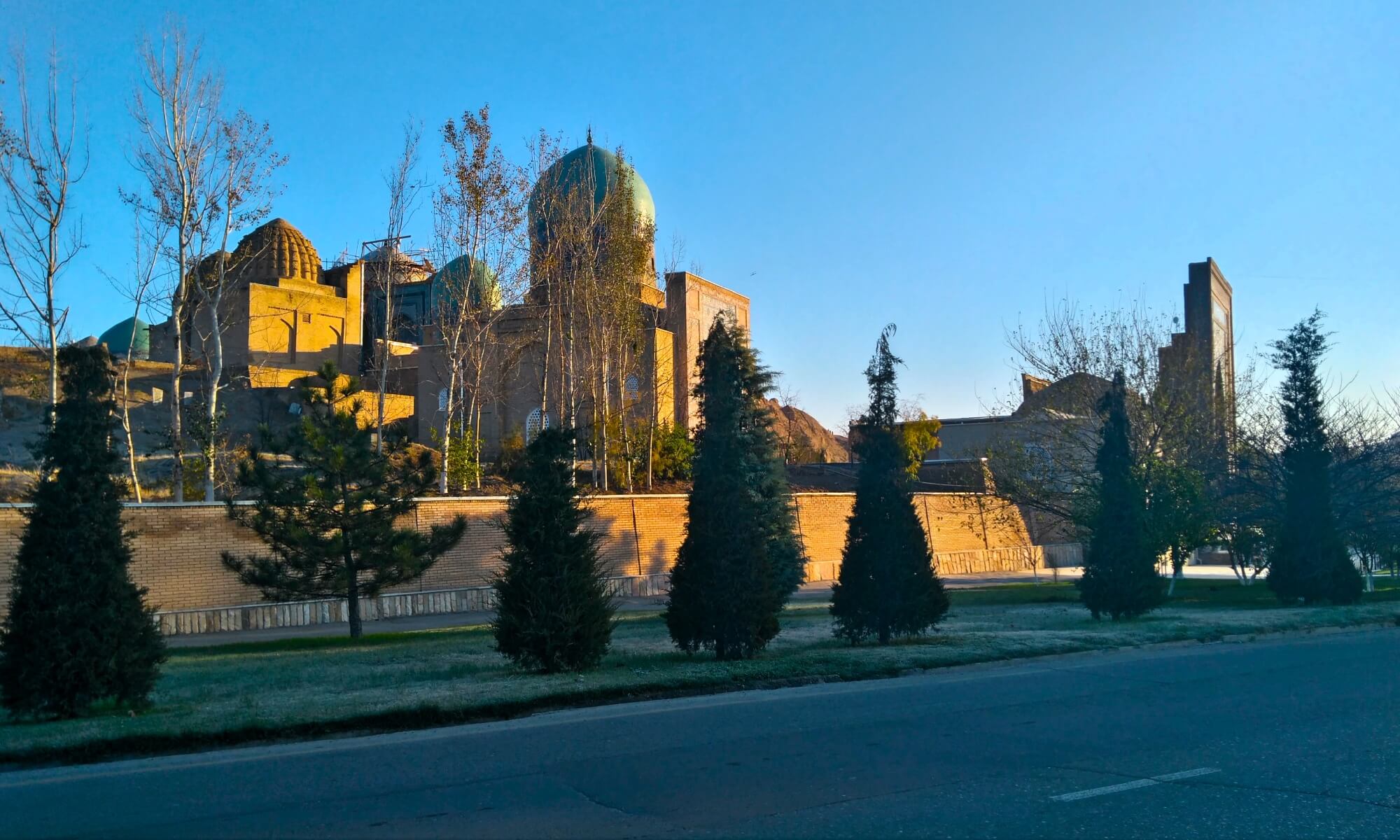
During the reign of Timur (Tamerlane) and the Timurids (1370-1499), Samarkand was the capital of his empire. The vast majority of the city's existing architectural masterpieces were built in this era. This was the period of the highest development of Samarkand. Timur zealously cared for the prosperity of his capital, which he wanted to see as the capital of the world. Crafts and trade developed largely due to forcibly brought in craftsmen from conquered countries. Majestic palaces, mosques, Muslim schools, madrassas, and tombs were erected in the city. The buildings of Samarkand were built as monuments glorifying the state and its creator, hence the enormous scale and luxury of decoration. To emphasize the greatness of the capital, Timur gave the surrounding villages the names of the largest cities of the East: Baghdad, Shiraz, Damascus, Misr. He sought to gather prominent poets, musicians, and scientists from different countries.
After Timur's death, power was seized by his grandson Khalil Sultan (1405-1409), whose ill-considered activities led to the ruin of the state treasury. In 1409, he lost power, and Samarkand passed into the hands of Timur’s youngest son, Shahrukh, who appointed his eldest son Mirzo Ulugbek as governor in Transoxiana.
During the reign of Ulugbek, Samarkand became one of the centers of world science. New higher educational institutions were built here - the Ulugbek Madrasah and the Ulugbek Observatory. The best scientific minds of the Muslim East worked in the city. In 1417-1420, Ulugbek built a madrasah in Samarkand, which became the first building in the Registan architectural ensemble. On the side wall of the portal of the madrasah there is an inscription that reads “the founder of this building of science is the great Sultan, the son of the Sultan, the satisfyer of peace and faith, Ulugbek Guragan. Ulugbek invited a large number of astronomers and mathematicians of the Islamic world to this madrasah. Under Ulugbek, Samarkand became one of the world centers of science of the Middle Ages.
After the October Revolution, the city became part of the Turkestan Autonomous Soviet Socialist Republic. In 1925-1930, Samarkand was the capital of the Uzbek SSR; it housed the government of Uzbekistan, headed by Fayzullo Khojaev.
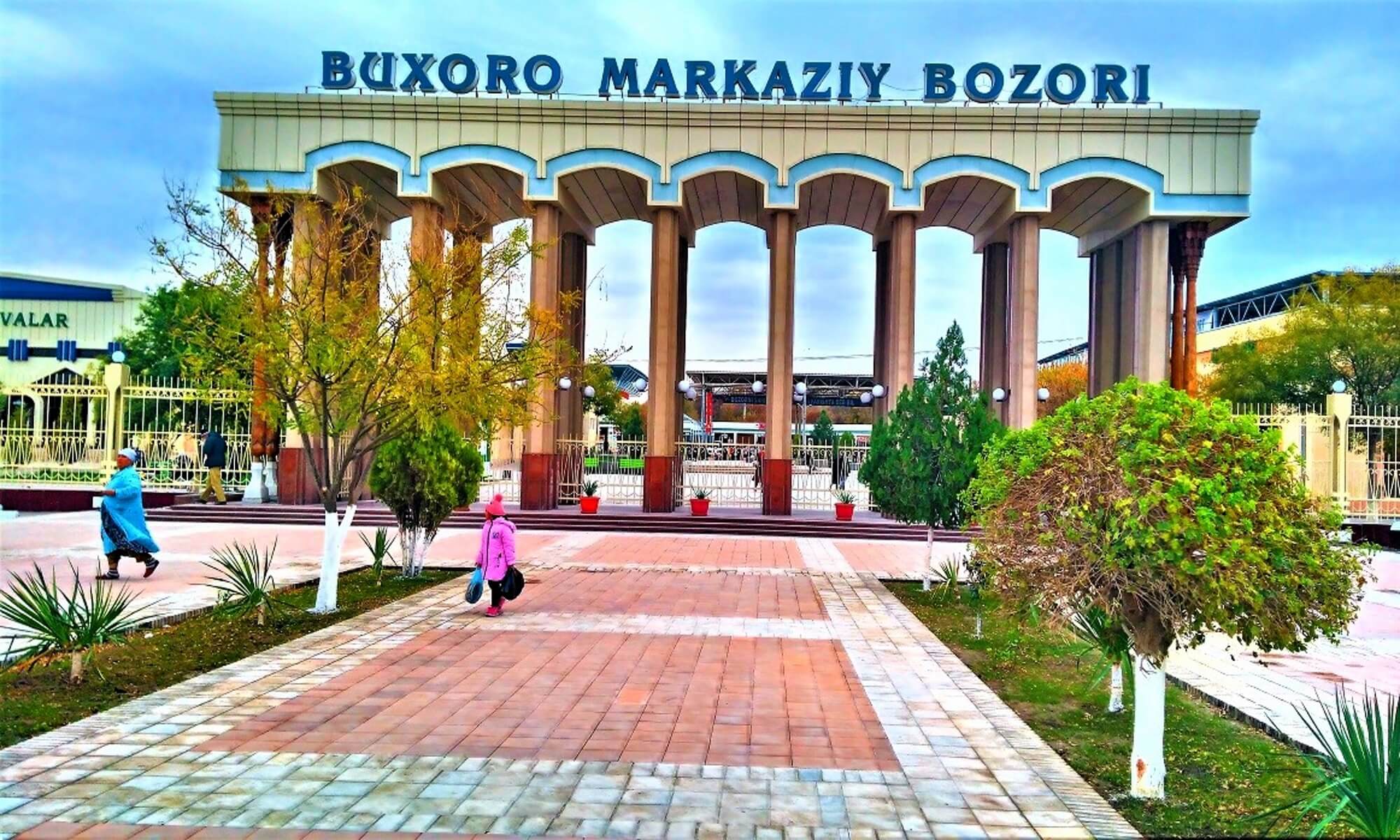
Bukhara city
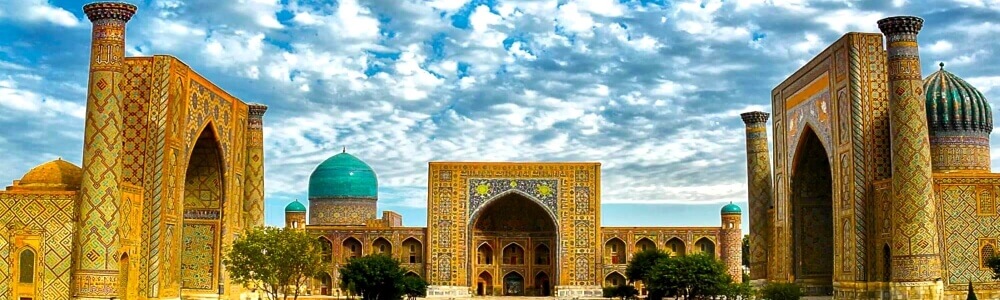
Bukhara is the only city in Central Asia whose pre- and early Islamic history was described in detail in the famous work of Narshahi, a historian who lived in the 10th century.
Bukhara was the capital of the Bukhara Khanate, a major city of the Timurid state, and was also the capital of various ruling dynasties, the Bukhara People's Soviet Republic and the Uzbek SSR.
For many centuries, Bukhara played the role of a major administrative, trade, craft and cultural center of Central Asia. One of the routes of the Great Silk Road, which connected the Mediterranean countries with the Far East, passed through the city. Bukhara, as for centuries, remained a kind of Mecca for Central Asian Muslims. Numerous mazars - places of worship attracted a huge number of pilgrims. Famous theologians lived in the city, strengthening its glory as a center of Muslim theology.
The toponym “Bukhara” (Buxara) was first mentioned on early copper coins of Bukhara with Sogdian inscriptions. It is believed that the word Bukhara is of Hephthalite origin. In ancient times, the entire oasis was called Bukhara, and, probably, only in the 10th century its name was finally transferred to the city. In the ancient Uyghur language, the word bukhar meant “temple”, “prayer”. The 11th century historian and philologist Mahmud Kashgari notes that the name of the city of Bukhara comes from the name of the temple of idolaters. There are other assumptions according to which the toponym “Buhara” reflects the Sogdian word buharak (“happy place”) and according to which the word “Bukhar” in the language of the Persian priest-magicians means “the center of learning” or “the abode of knowledge.”
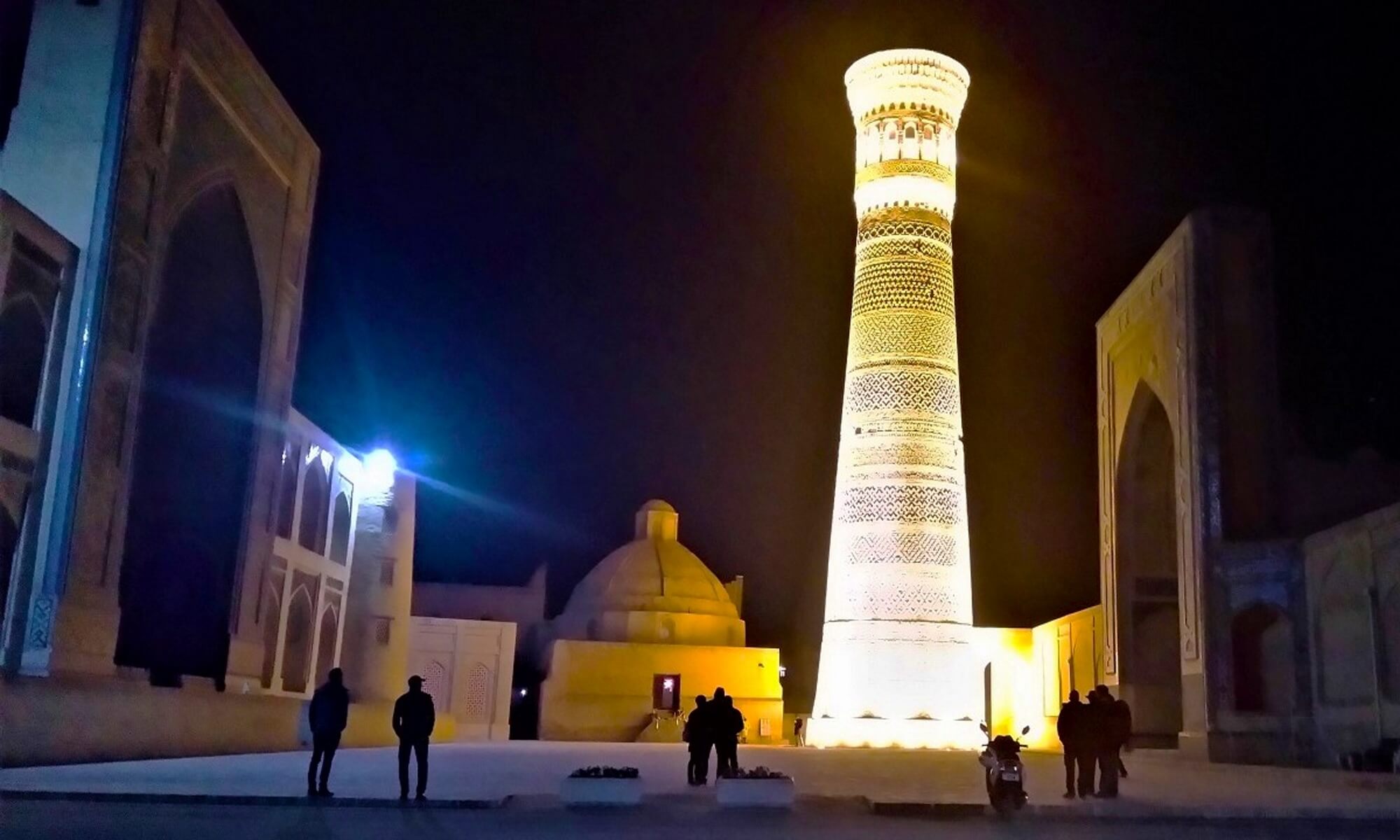
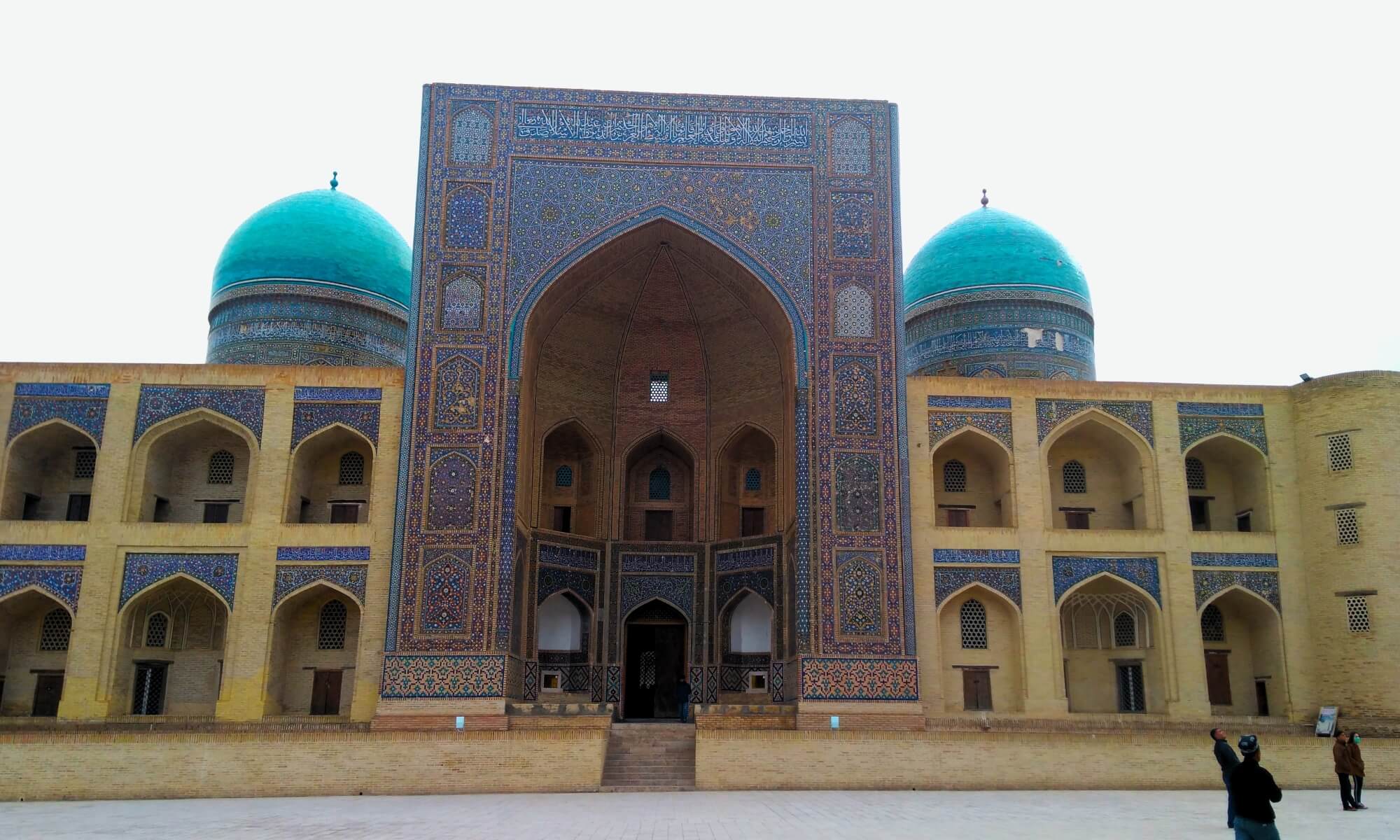
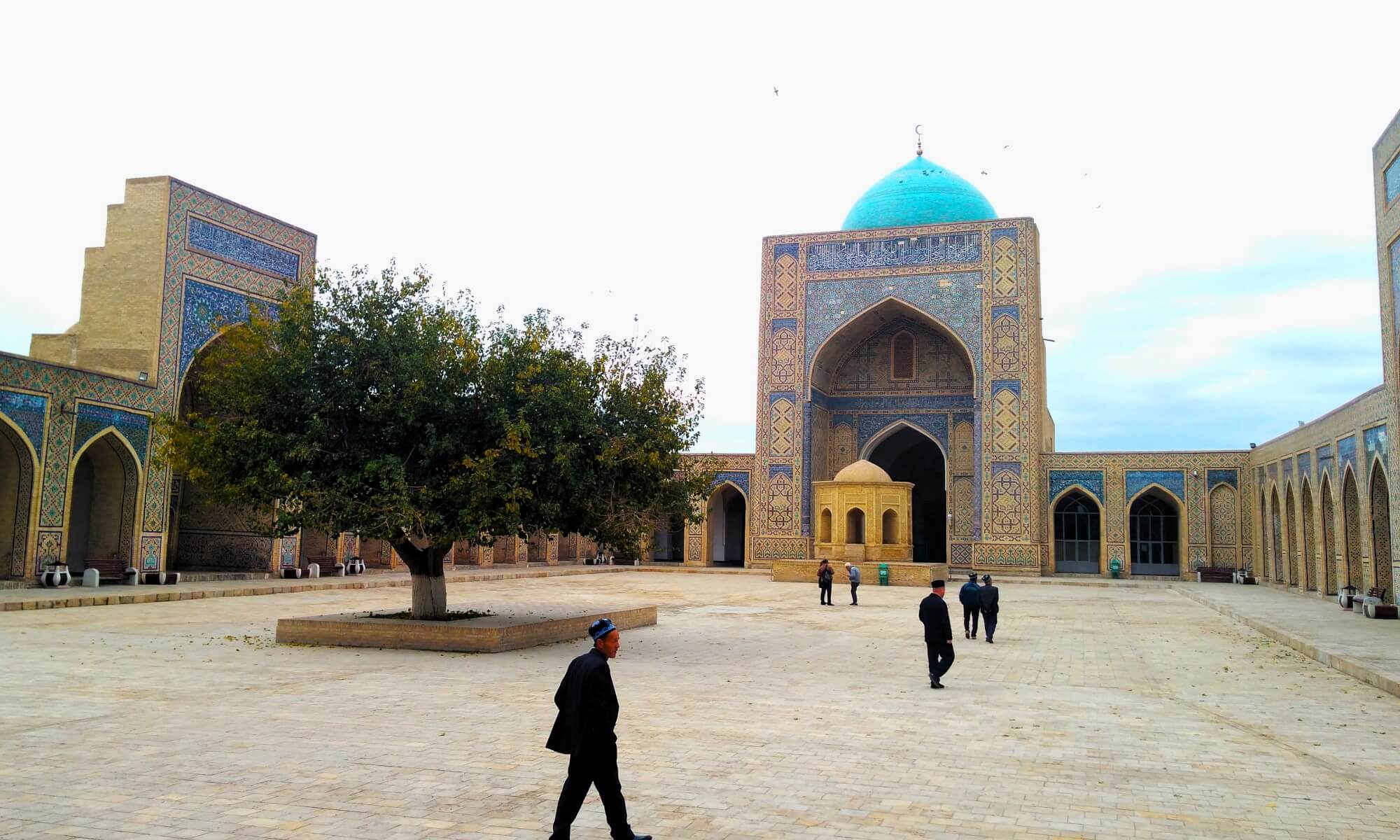
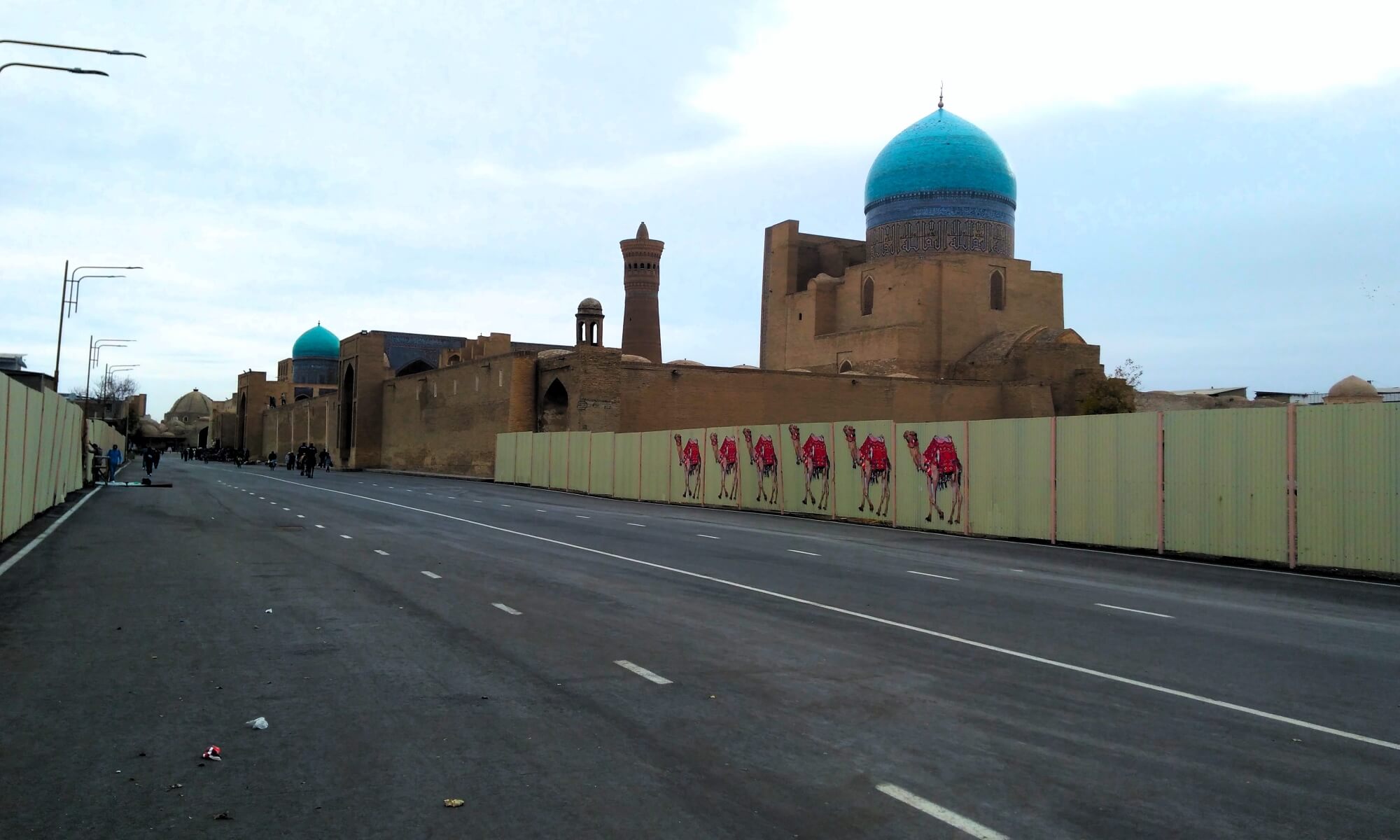
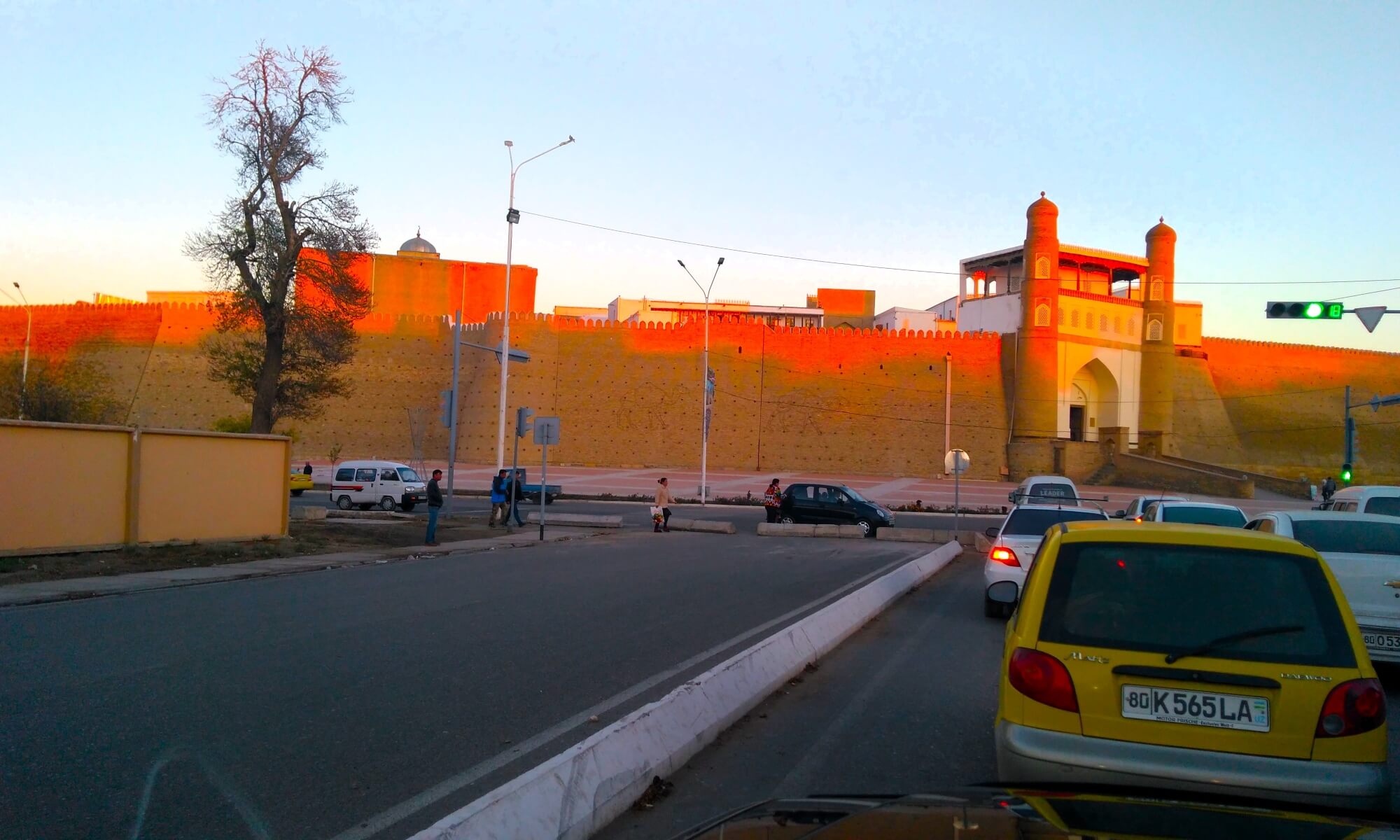
The city is rich in historical architectural monuments, there are about 140 of them. The architectural ensembles of Poi-Kalyan, Lyabi-Khauz, Gaukushon, Chor-Bakr, Toshmachit, the Samanid mausoleum and others are the best examples of the creations of medieval architects of the 11th-17th centuries.
In Bukhara, many monuments of residential architecture and palaces, baths and commercial buildings have also been preserved.
Khiva city
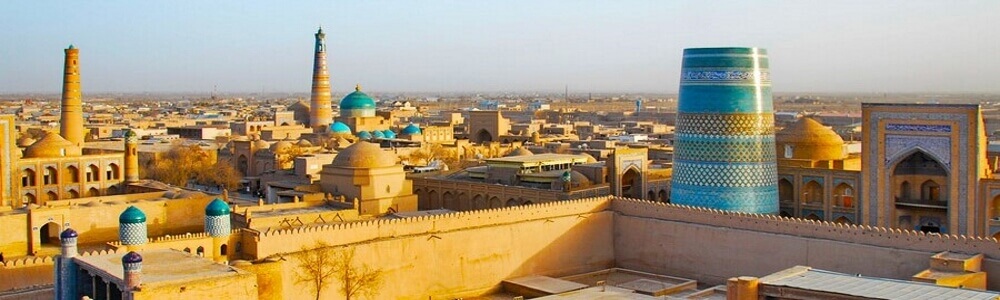
Khiva is a city in the Khorezm region of Uzbekistan, the administrative center of the Khiva region. The last capital of Khorezm. In 1997, Khiva celebrated its 2500th anniversary. Surrounded by powerful walls, the historical inner city of Khiva - the pearl of the Khorezm oasis - has been declared a World Heritage Site by UNESCO.
A later legend about the founding of the city tells that it grew up around the well of Heivak, the water from which had an amazing taste, and the well was dug by order of Shem, the son of the biblical Noah. This well can still be seen today in the old quarter of Khiva, Ichan-Kale.
Khiva was one of the cities of ancient Khorezm, which was a large state located in the west of Central Asia, south of the Aral Sea.
According to archaeological data, Khiva was founded more than 2,500 years ago. In ancient times the city was known under the Saka name Kheivak. Information from written sources about the founding of Khiva is most often legendary. They associate the appearance of the city with the name of the biblical Solomon, and according to other versions, Noah. Legends about Khiva found their way into the essays of Russian and European travelers (A. Vamberi, E. Zhelyabuzhsky). The history and appearance of the city have always surprised not only travelers, but also its conquerors. These stories, generated by the then prevailing theories of the military and some Orientalists about the Aryans and their homeland, in this form sometimes found their way onto the pages of popular literature.
Kokand city
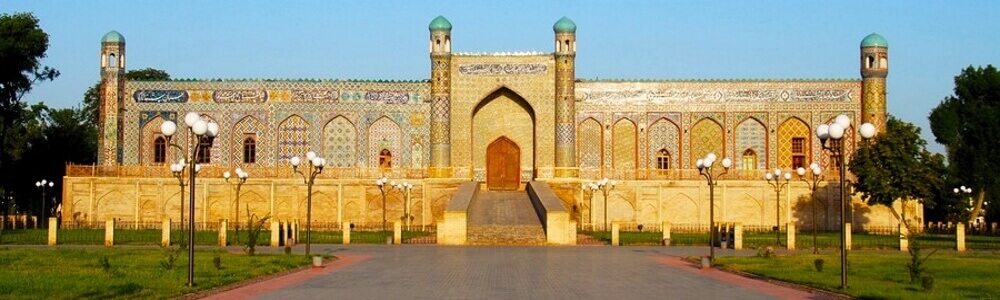
Kokand is one of the oldest cities in Central Asia. It has been known under different names since the 10th century.
Throughout the history of the Kokand Khanate, 29 rulers were replaced, the last one being Khudoyar Khan. During his reign, he was deprived of the throne four times and regained power again. He did a lot to decorate the city: during the reign of Khudoyar Khan, guzars, mosques, and madrassas were built. Then the city became the capital of the Kokand Khanate, which existed from 1709 to 1876 on the territory of modern Uzbekistan, Tajikistan, Kyrgyzstan, southern Kazakhstan, and the Xinjiang Uygur Autonomous Region of China (East Turkestan).
Since 1876, Kokand was part of the Fergana region of the Russian Empire, then - the Uzbek SSR, now - part of the Fergana region of Uzbekistan.
Kokand connects 2 main routes to the Fergana Valley: northwestern through the mountains to Tashkent and western through Khujand (Tajikistan).
Kokand has preserved its ancient structure: it consists of new and old parts. In the 19th century, the new city had trading establishments, administrative buildings, banks and industrialist mansions.
In the old part of the city, the Khan's palace "Urda", monuments of folk residential architecture, mosques, madrassas, and memorial buildings of the 19th - early 20th centuries have been preserved.
Lake Aydarkul and the Karakum Desert
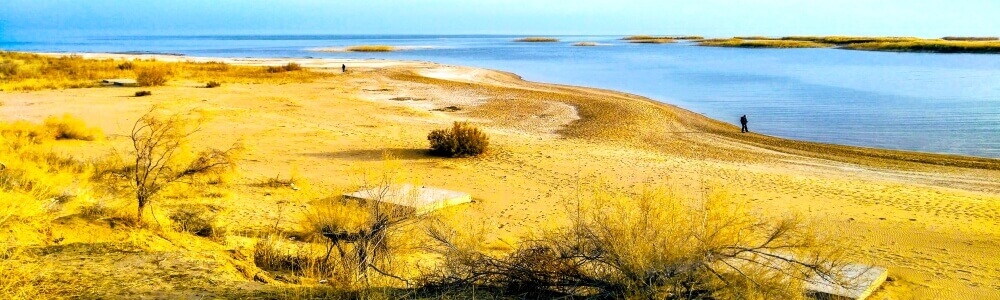
Aydarkul is a large, closed lake in the north-eastern part of Uzbekistan, and is an artificial reservoir in the Arnasay system of lakes.
Previously, this place was occupied by the Aydar salt marsh and the periodically drying Lake Tuzkan. After almost 60% of the annual flow of the Syrdarya, that is, 21 cubic kilometers, was discharged into the depression, Lake Aydarkul appeared. Discharges were carried out in subsequent years, because of which the bridge separating Tuzkan and Aydarkul was washed away, and as a result the lake became the second largest reservoir in Uzbekistan (after the lifeless Great Aral), and together with the East Arnasay lakes - the first.
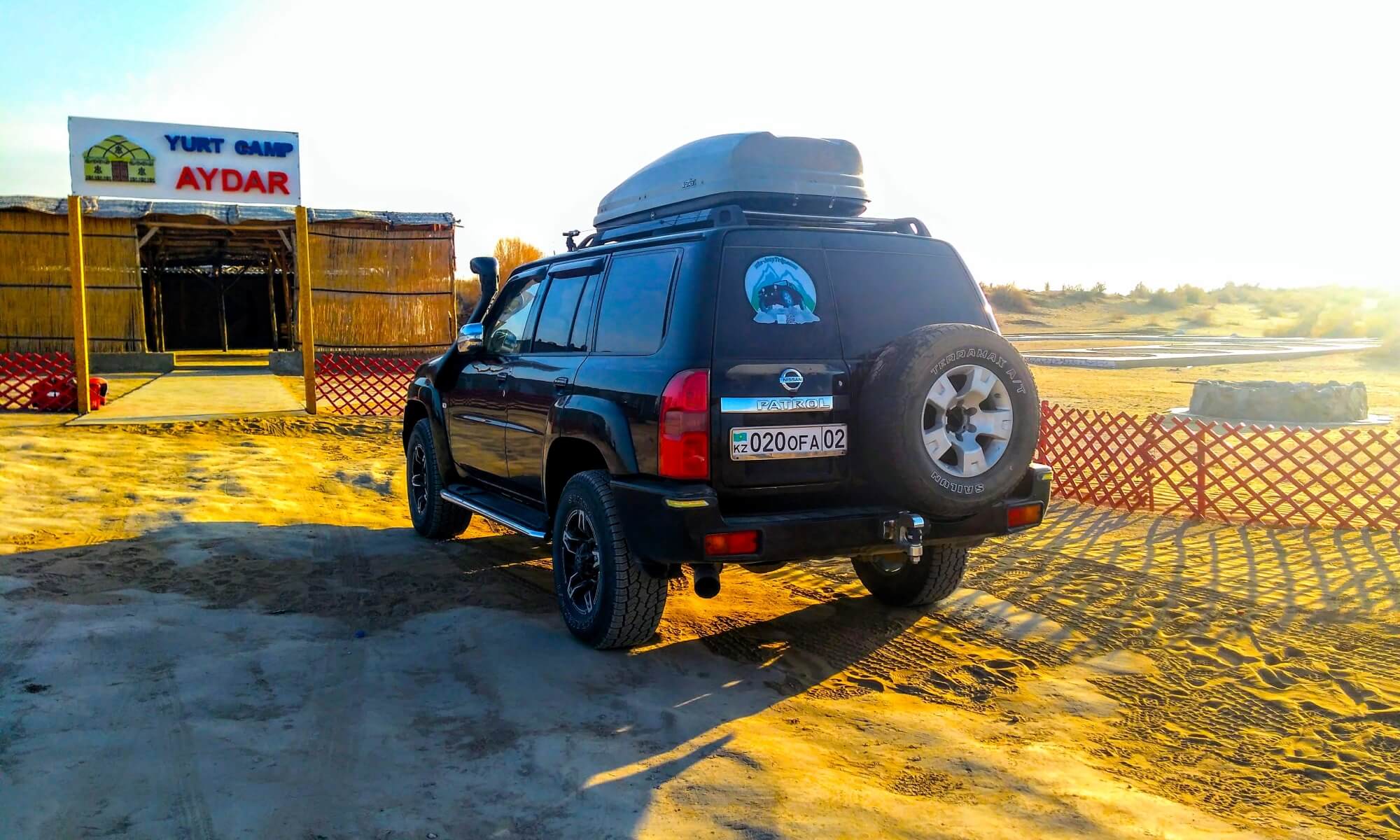
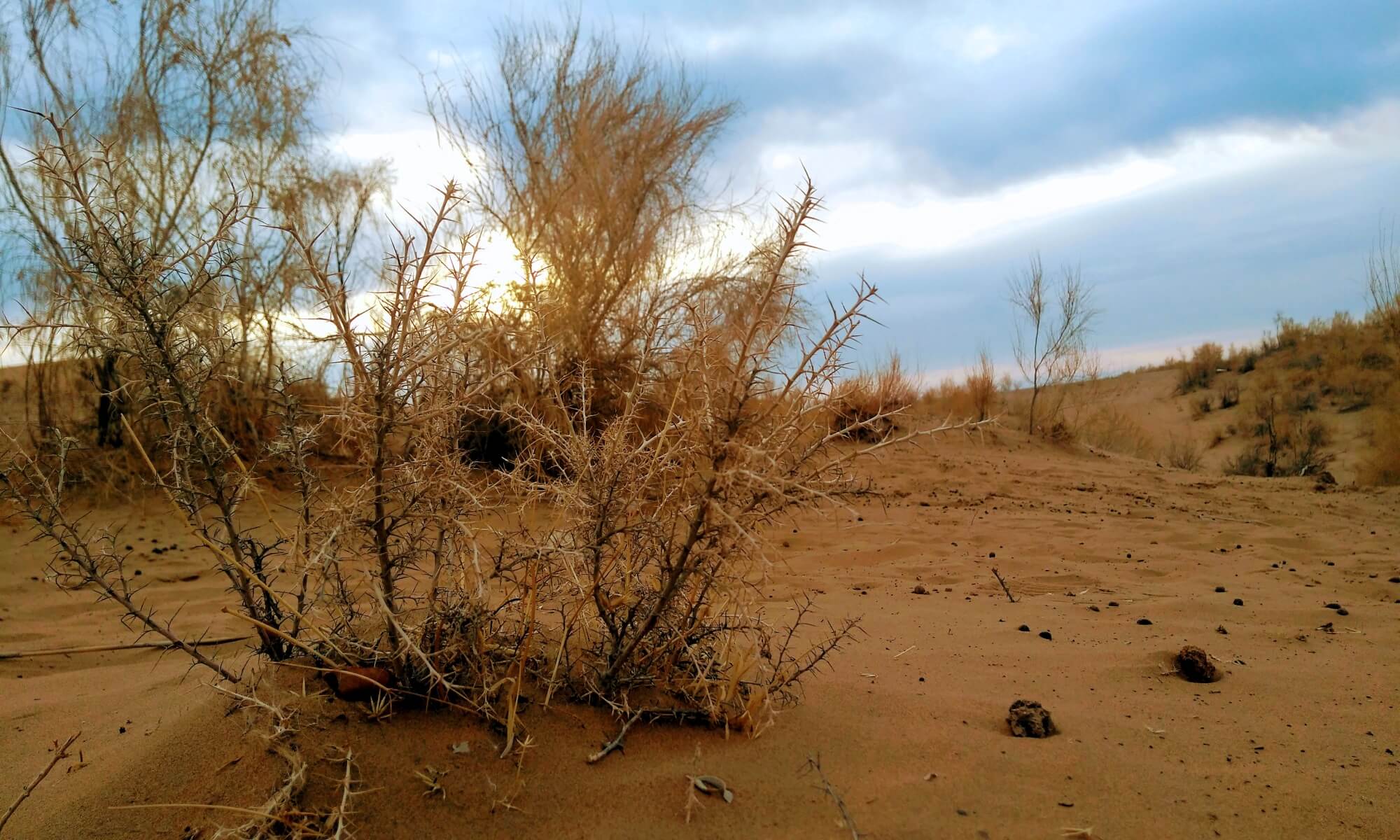
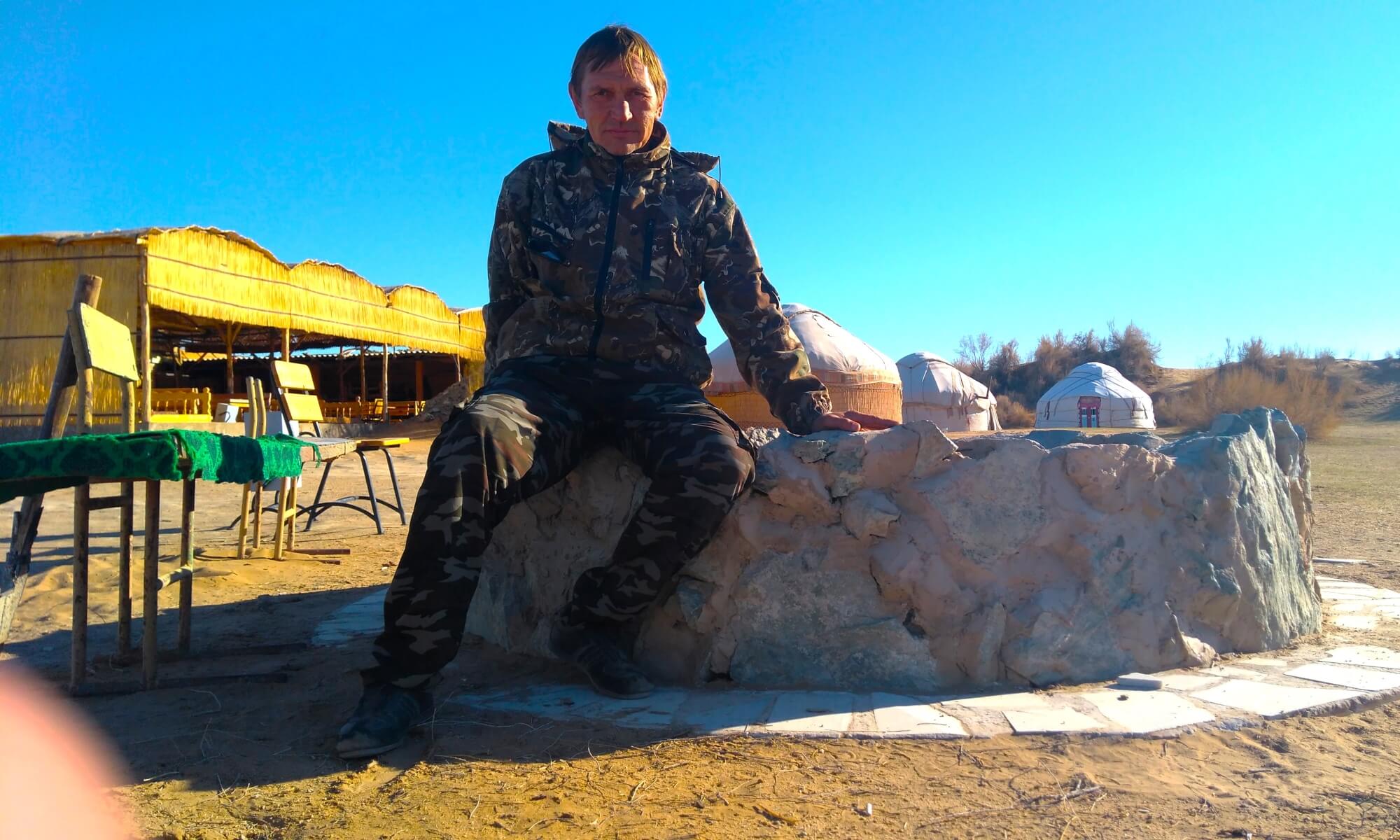
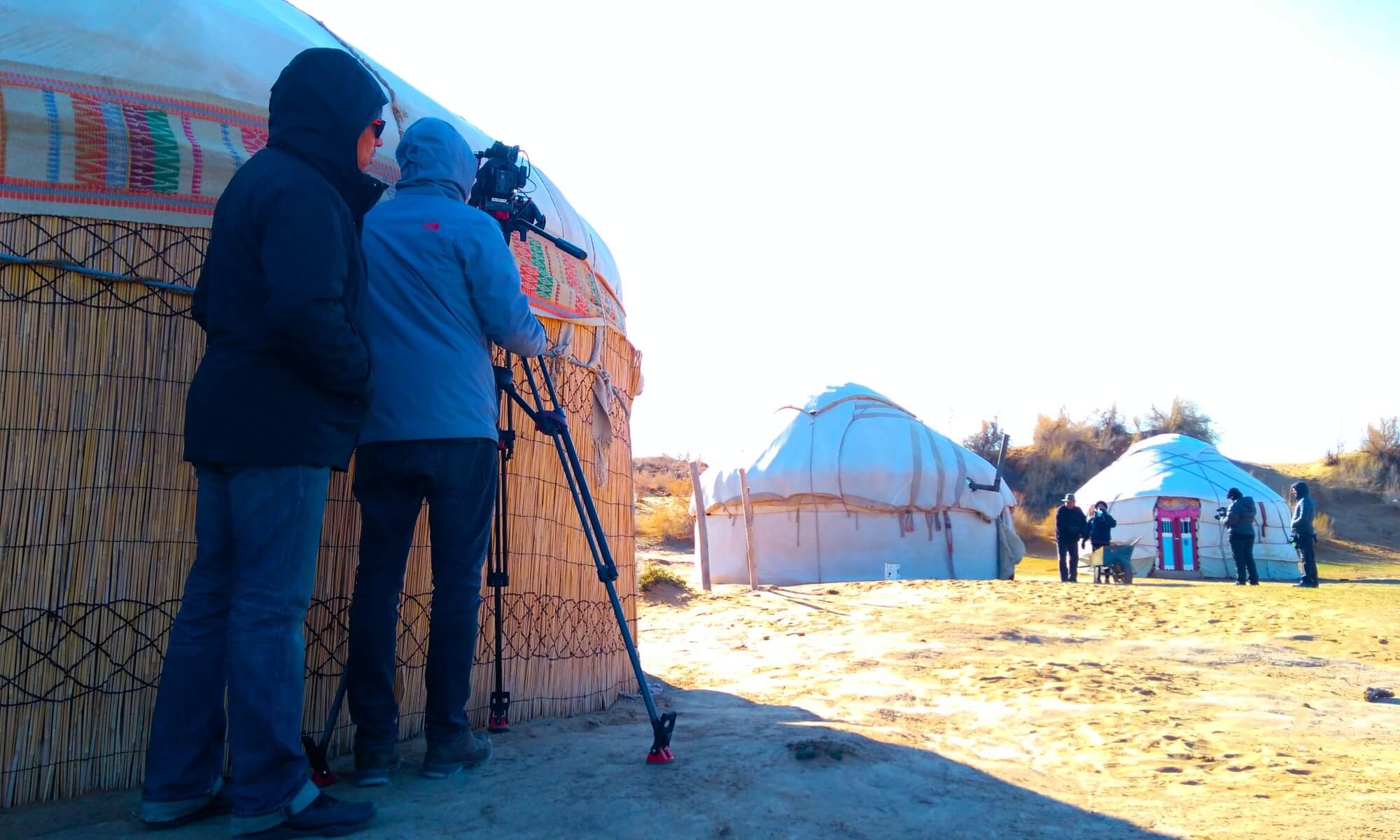
However, despite the proximity of Aydarkul to Tashkent (you can get there by car in four to five hours), Jizzakh, Samarkand, Navoi, this lake is still extremely poorly populated - when you find yourself on its shores, you feel like a pioneer. The tourism sector is also in its infancy here and is limited to a dozen yurt camps along the entire three-hundred-kilometer coastline. So, for lovers of wild nature and solitude, this is it.
Aral Sea and Muynak ship cemetery
In ancient times, in Turkic tribes, the name Muynak was given to a child with the wish of vitality and unpretentiousness. It is even more surprising how the small Uzbek city has its own name: it is, perhaps, the most unpretentious and tenacious of all the towns in Uzbekistan.
he dawn of Muynak is not in the middle of the last century - in the 1950s, a huge fish processing plant on the shores of the Aral Sea supplied the entire Soviet Union with canned food. Water in the sea came from the Syr Darya and Amu Darya rivers. The waters of the latter traveled almost two and a half thousand kilometers from the foothills of Tajikistan through the arid lands of Turkmenistan and Uzbekistan. Upon reaching the riverbed, the river lost a significant part of the water - it went into the ground and was dismantled for irrigation. But this was not enough for the country’s leaders, and in 1950 the construction of the Karakum Canal began. The canal, which passed through almost the entire territory of Turkmenistan, gave a huge impetus to the development of agriculture, to the irrigation of cotton fields. Alas, the consequences of the construction of such a canal were not properly considered, and as a result it began to take 45% of the waters of the Amu Darya River.
As a result, what was once one of the largest lakes in the world quickly dried up, leaving salts and various fertilizers from the runoff on the surface. Wind-blown fertilizers have caused chronic diseases among the local population. A new desert is being formed in a large part of the Aral Sea; it has already been given a name - Aralkum. The fishing industry was closed, although they tried to save the plant using a rather extravagant method: they brought fish from Russia. The Aral Sea has retreated from Muynak, leaving as its memory only fishing trawlers and boats rotting in the sun.
Muynak is now a city covered by the sands of the Aralkum with a population of approximately 18 thousand people. Despite its widespread mention as a ghost town, it lives its own unpretentious life, confirming the validity of its name.