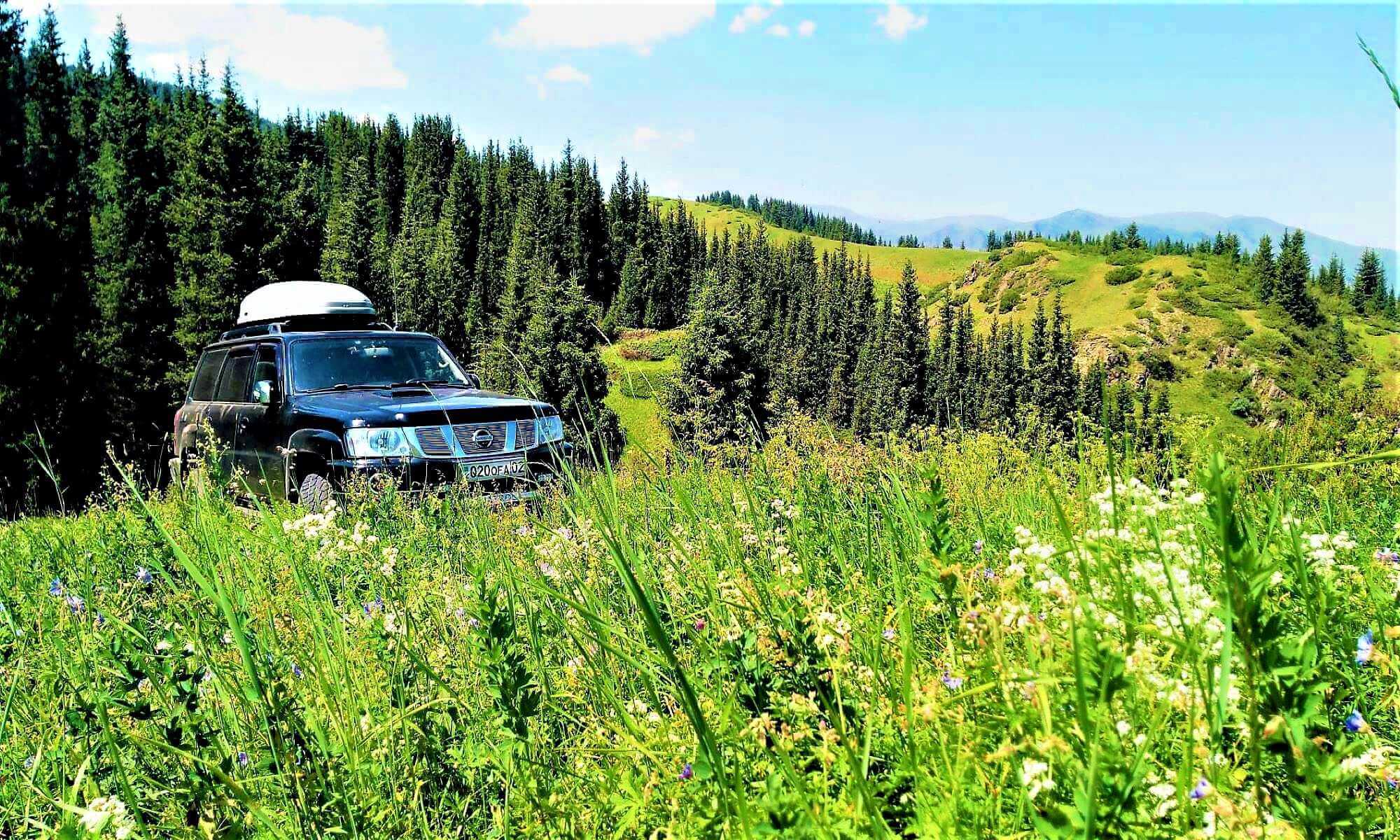
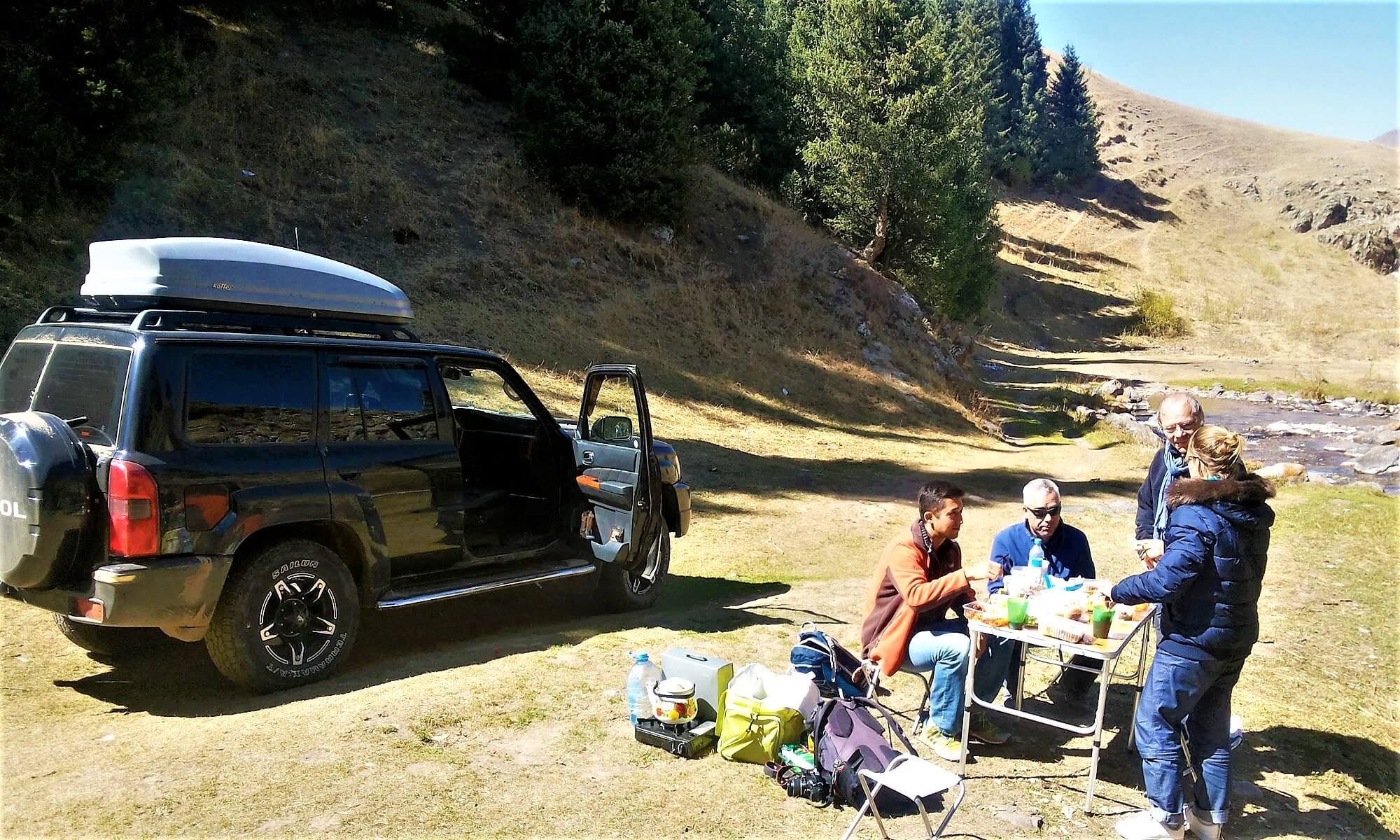


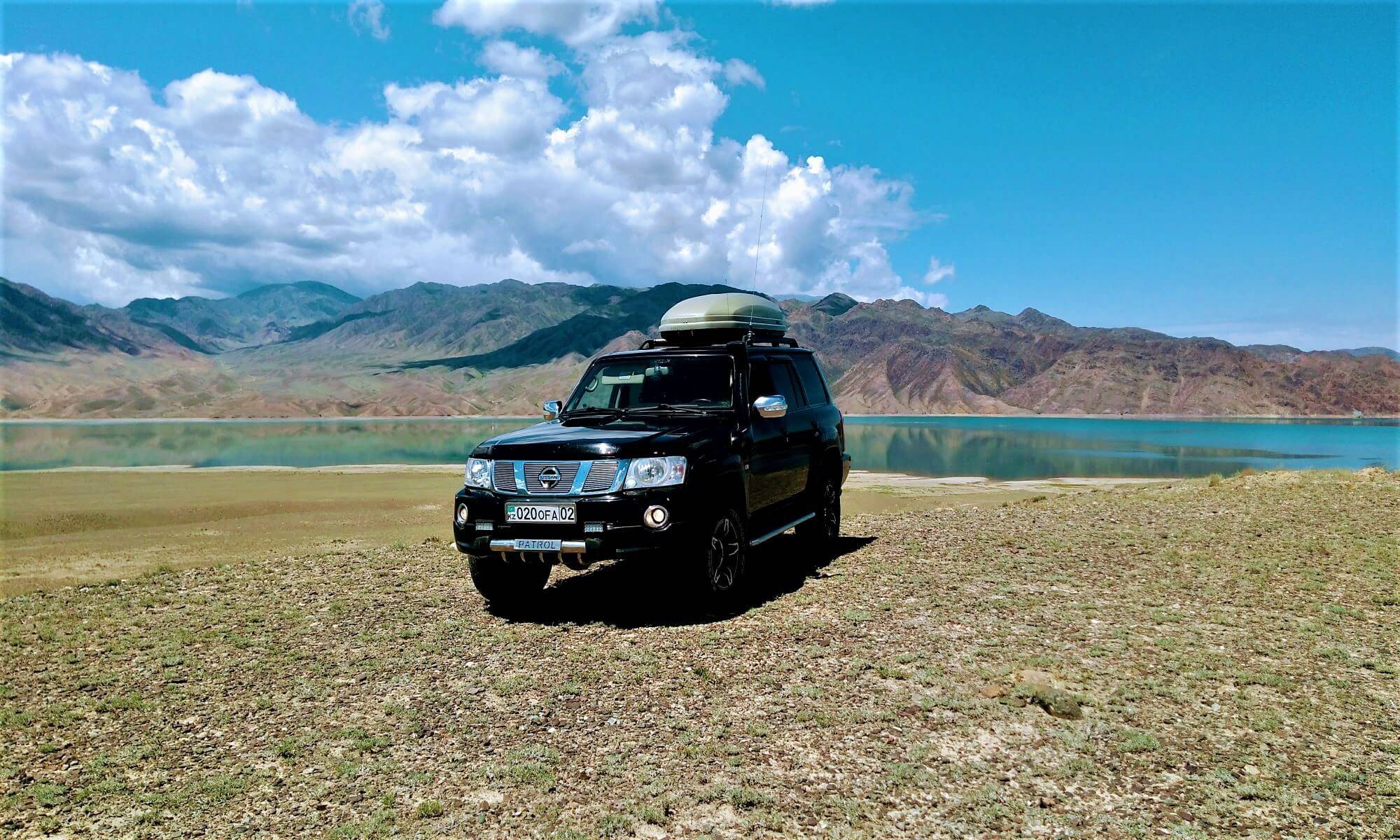
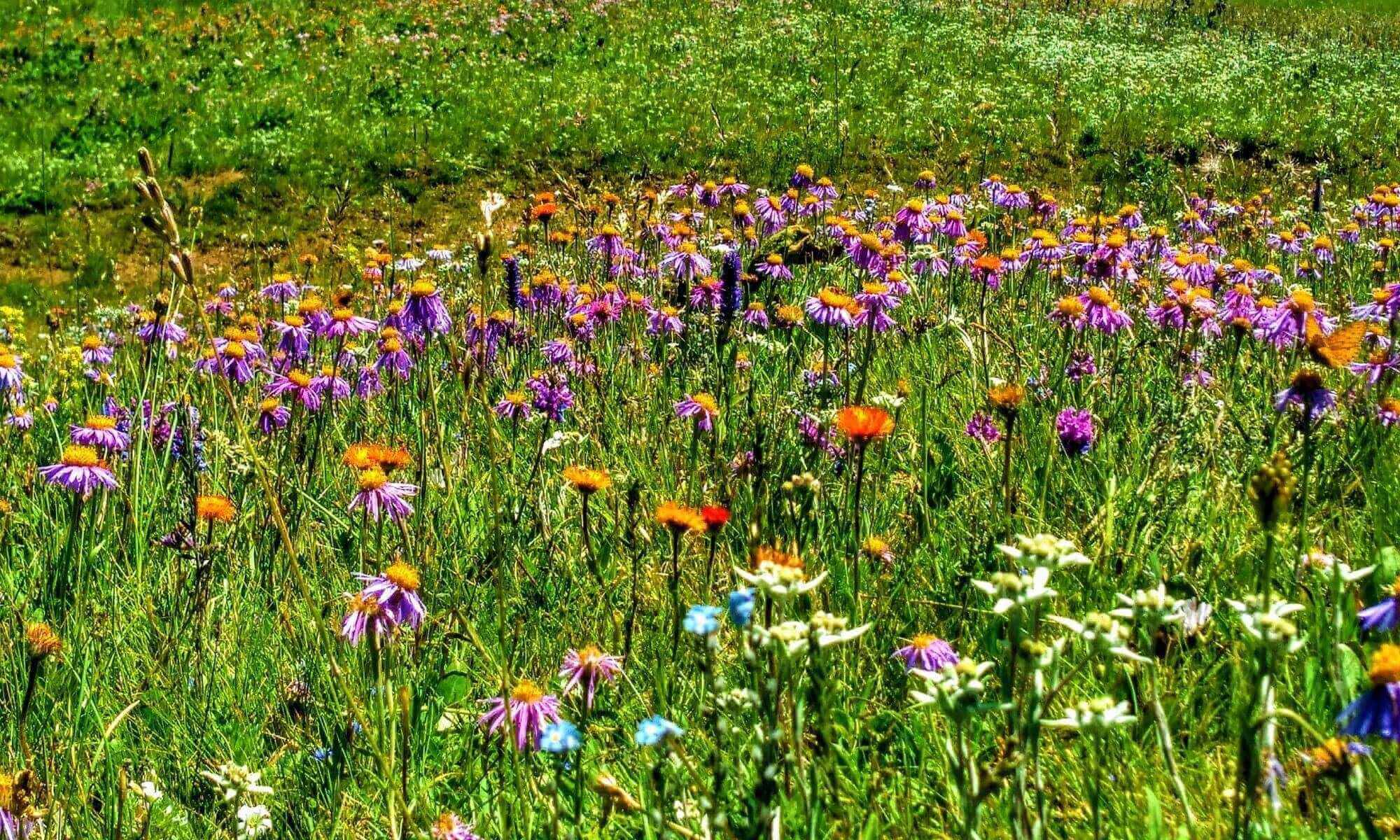
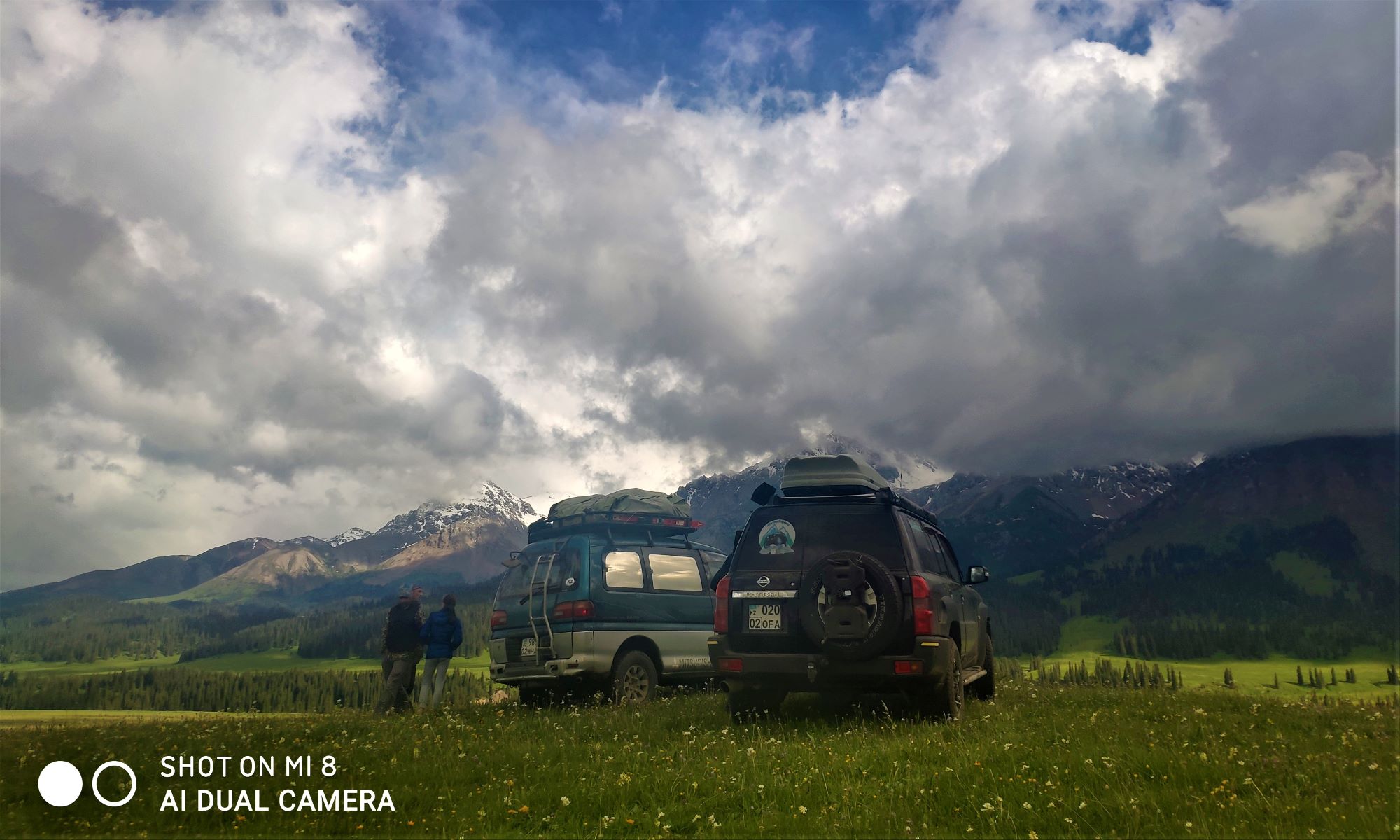
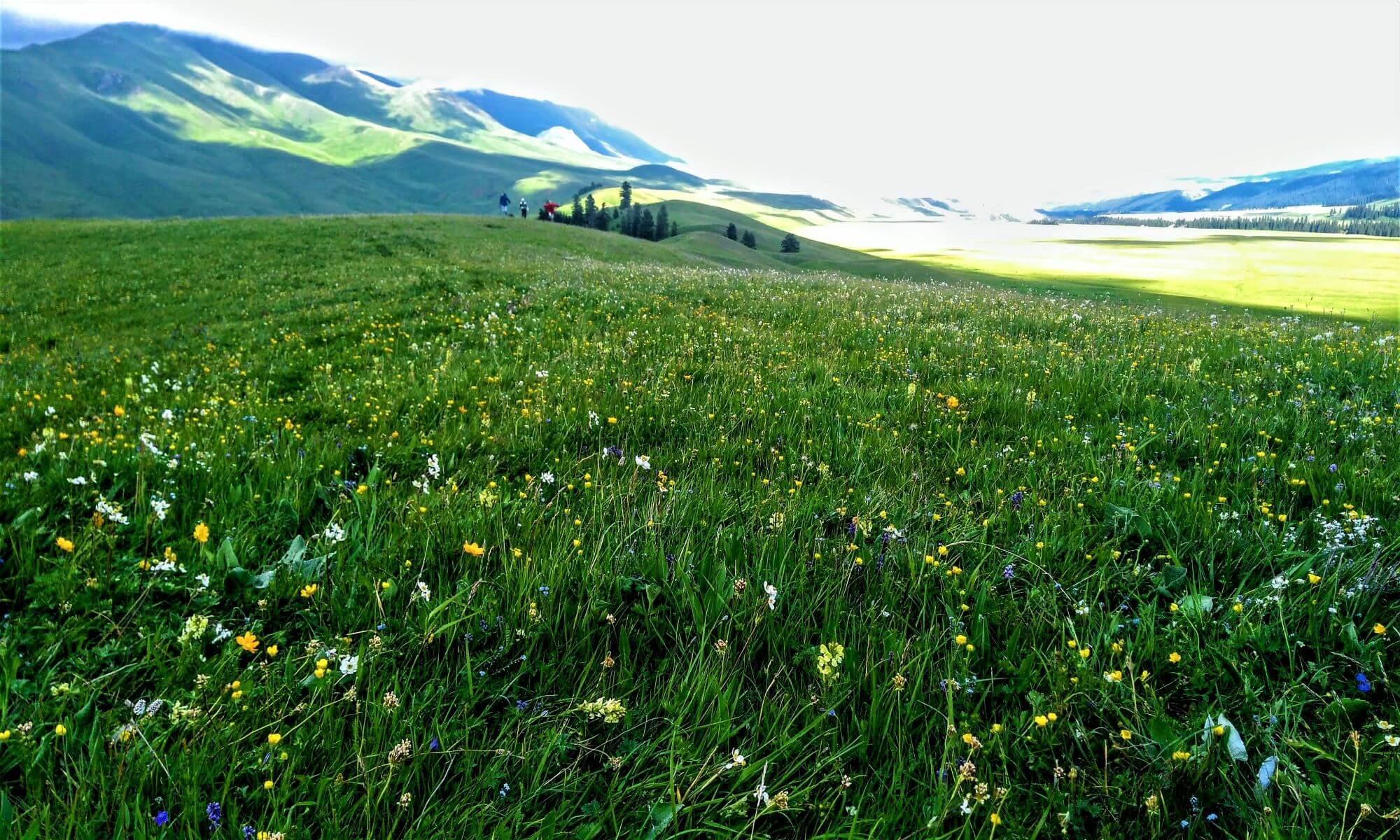
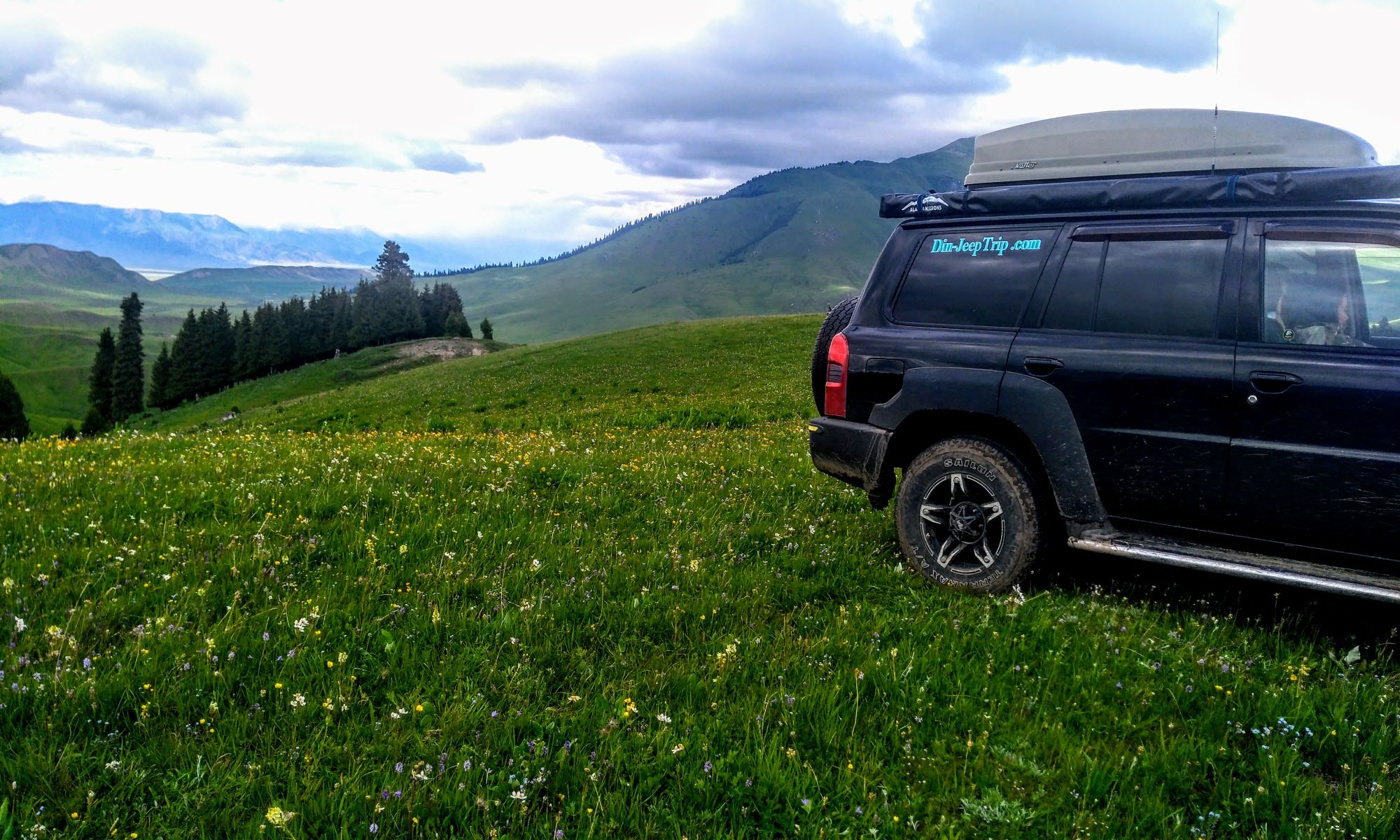
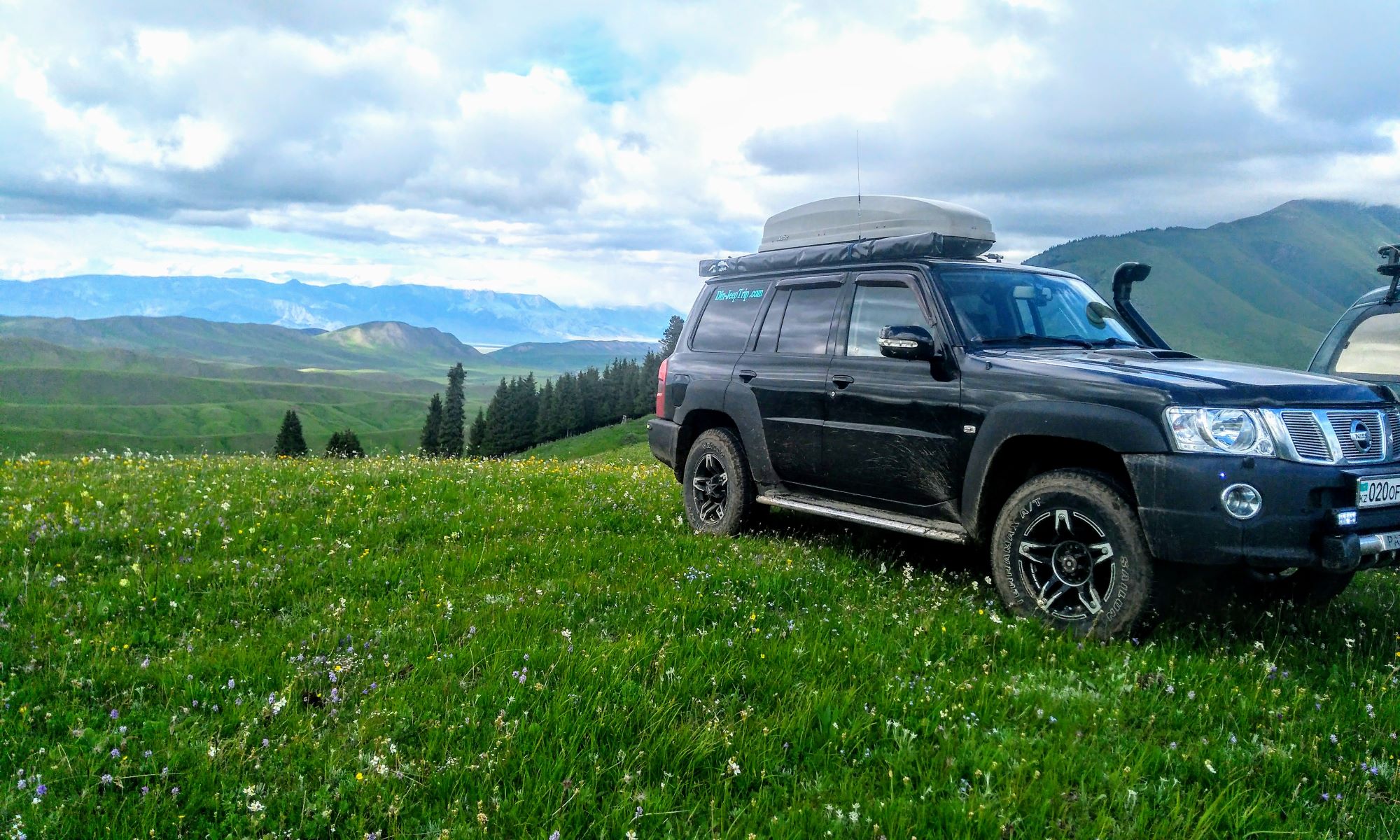
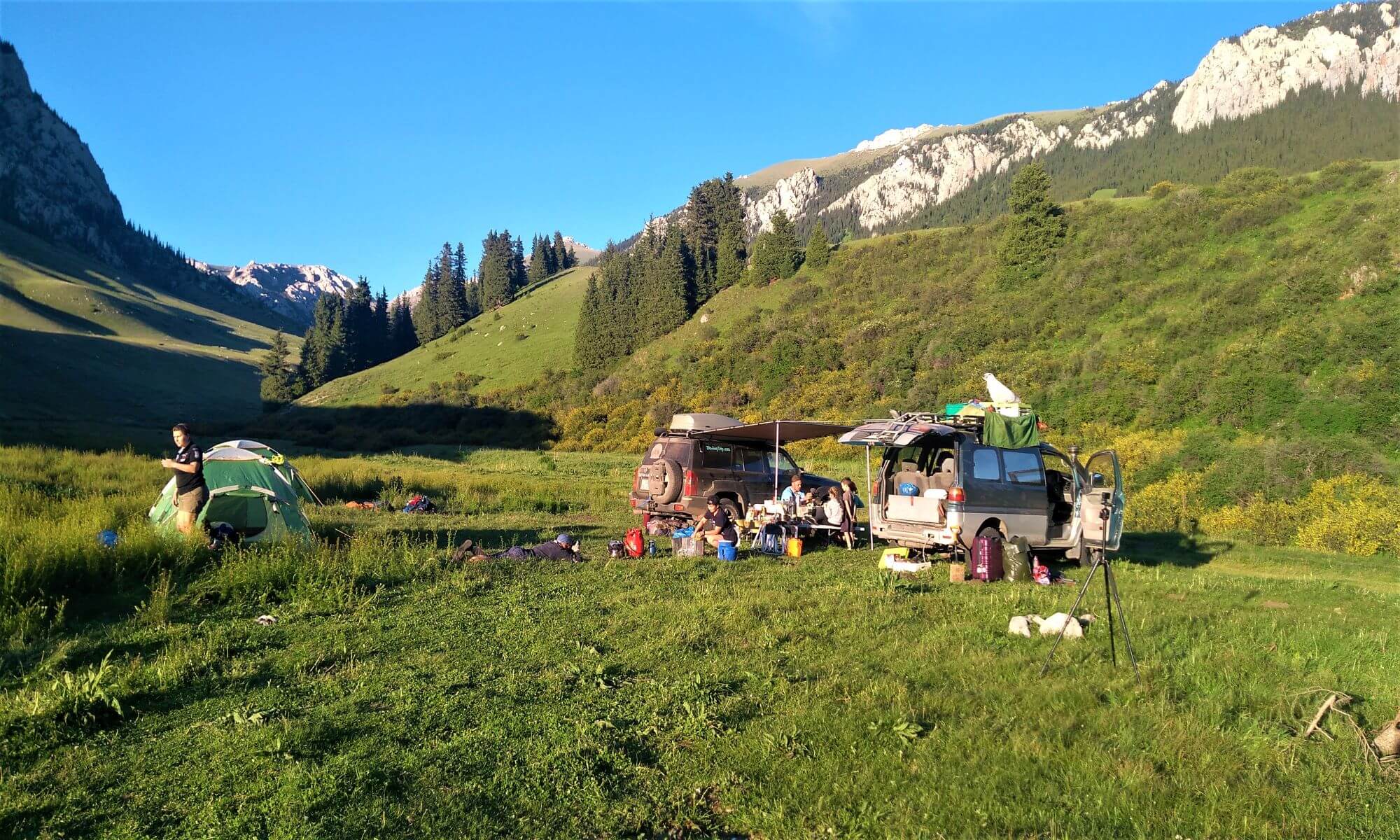
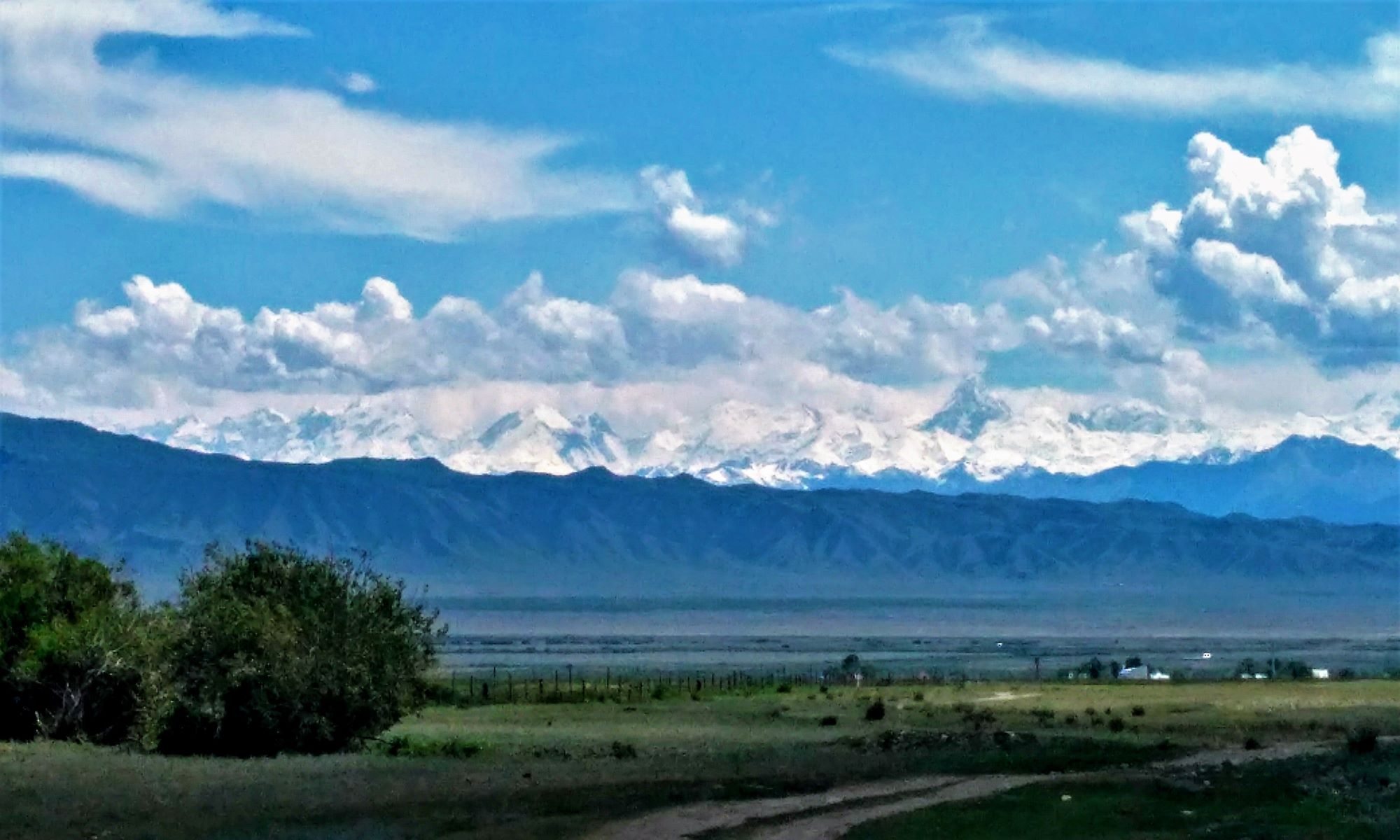
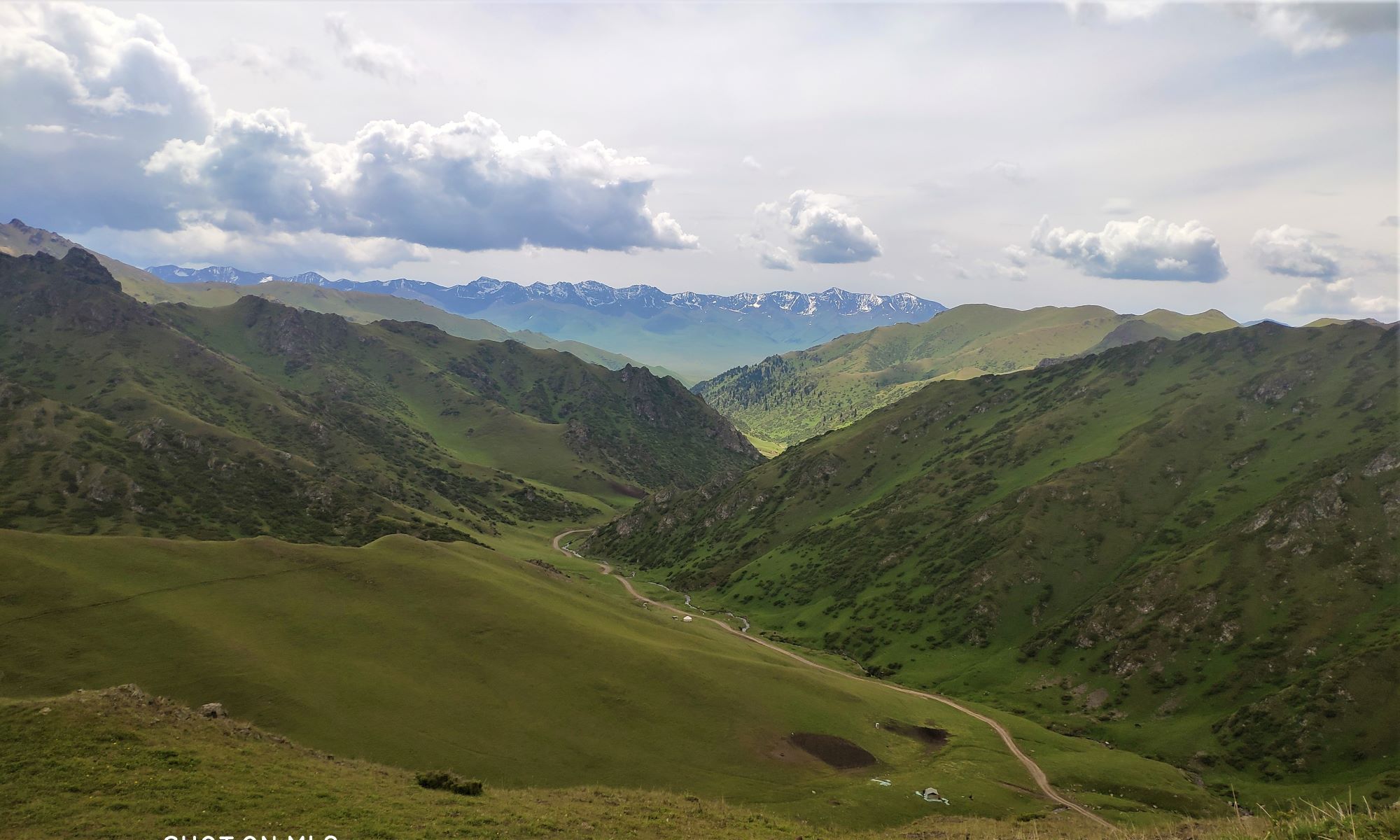
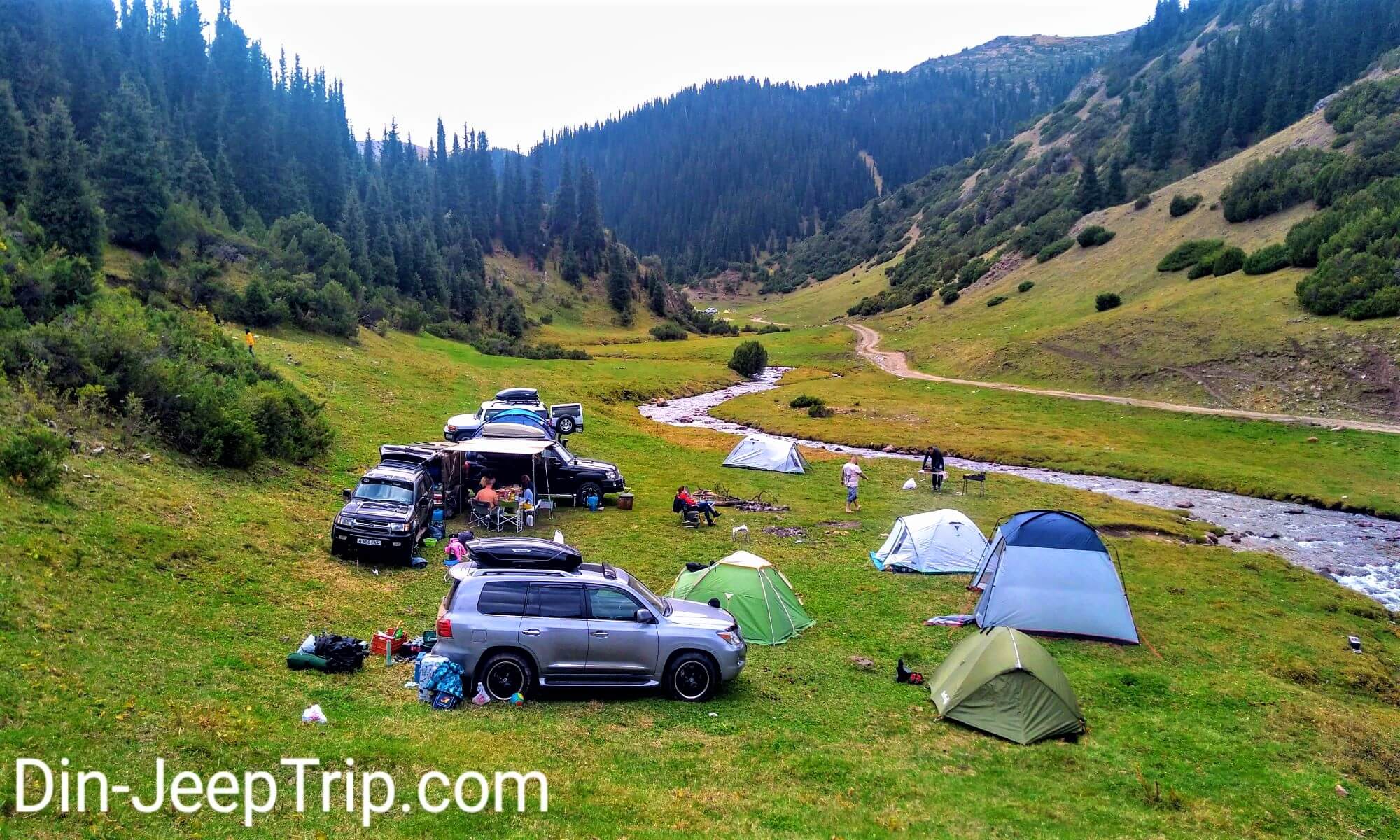
What is the difference between plateaus and valleys? A plateau is an elevated plain bounded by distinct scarps from adjacent plain spaces. A valley is a negative elongated landform (a kind of depression) that forms along the river bed or among the mountains. Despite the existing difference, the two concepts often intersect, some locations can be described as both a plateau and a valley, so we combined them into one section. Kazakhstan and Central Asia are very rich in a wide variety of plateaus and valleys due to their pronounced orogeny. On this page we invite you to get acquainted with the most attractive of them, where we regularly organize jeep tours:
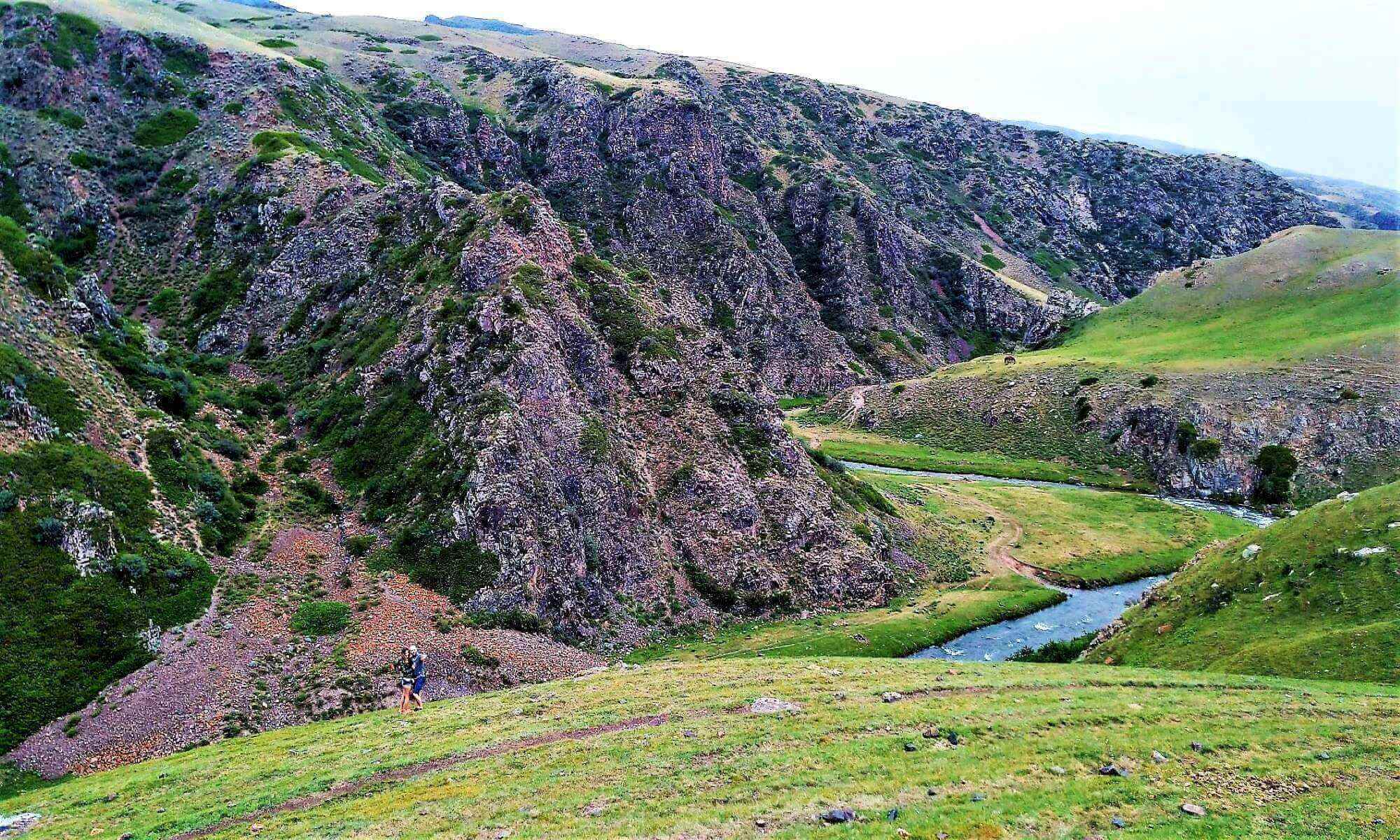
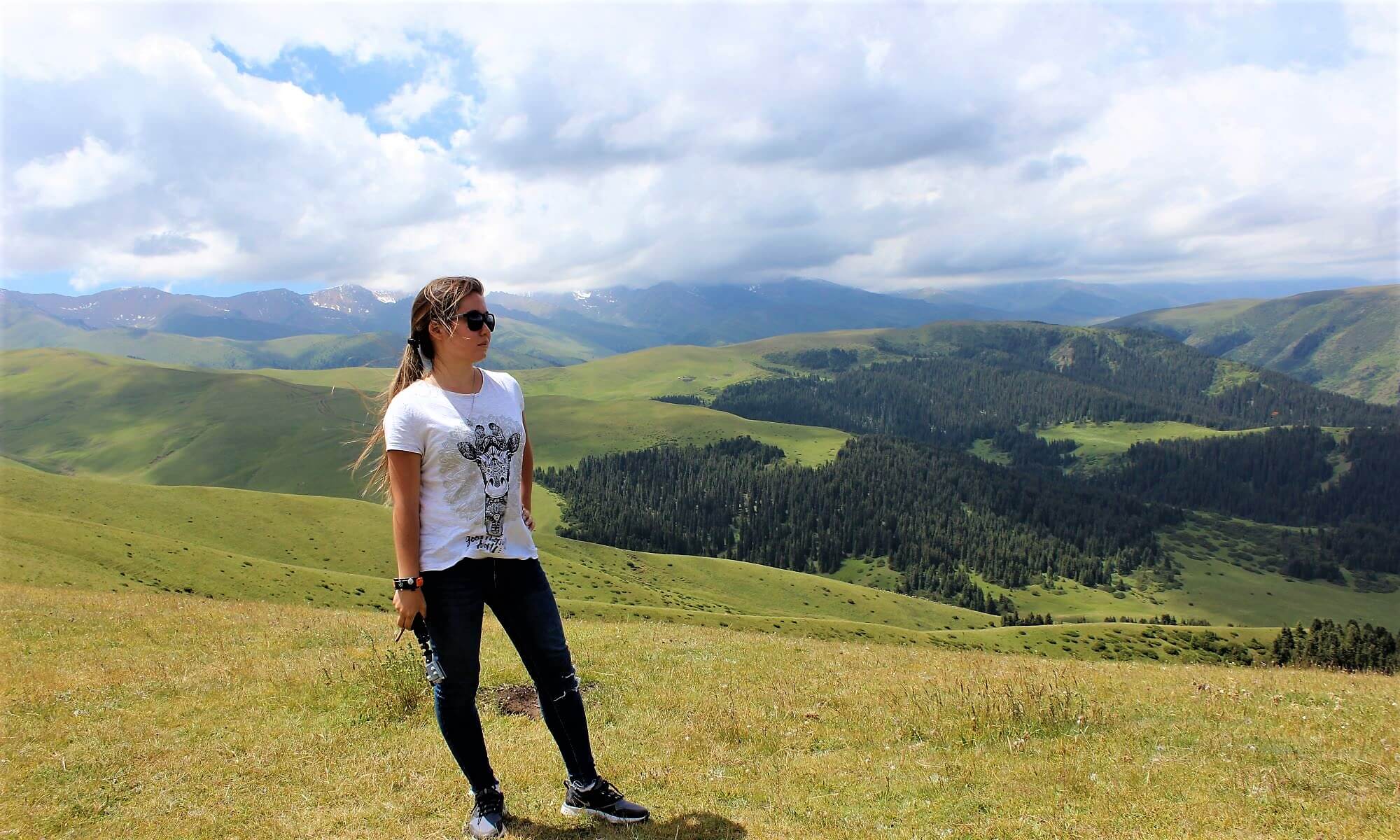
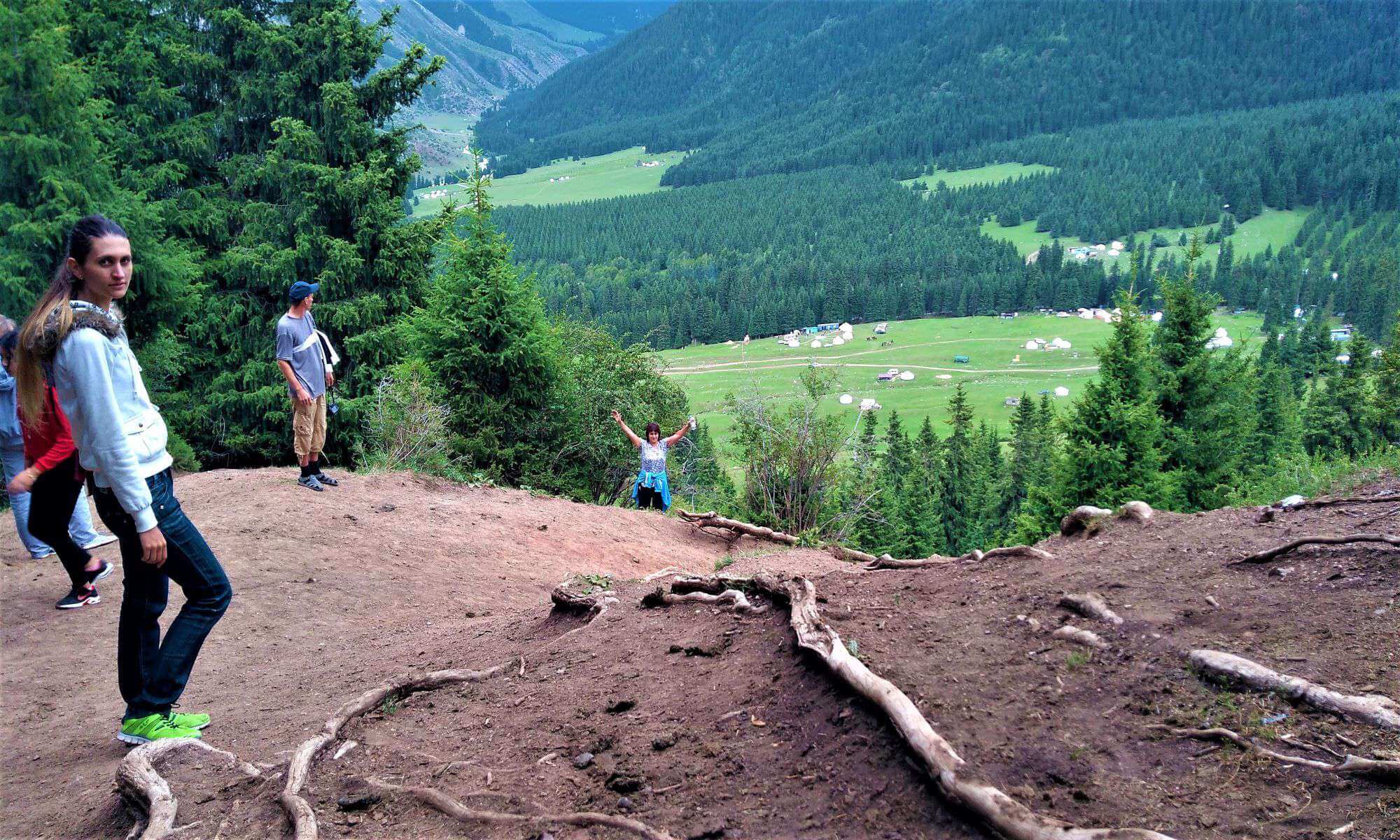
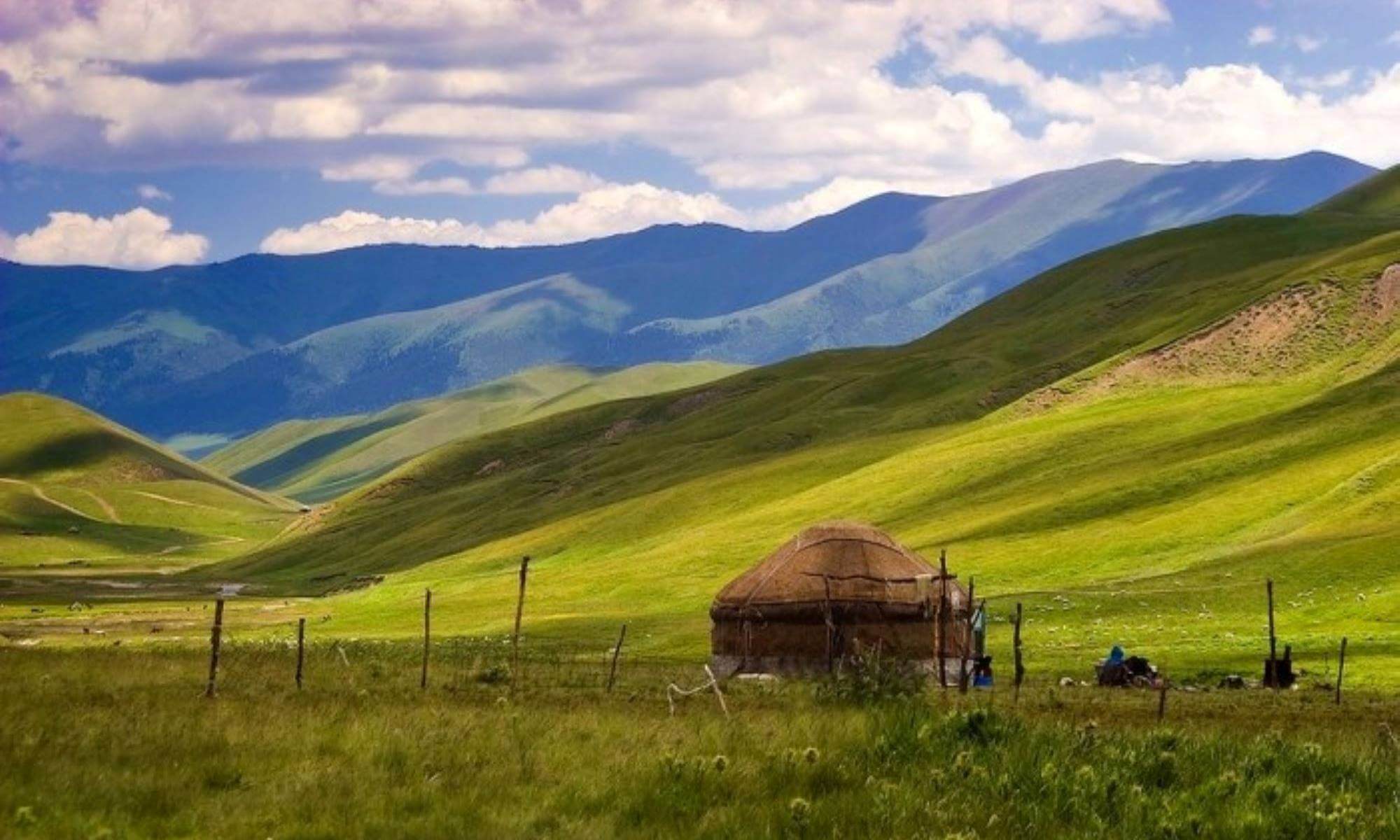
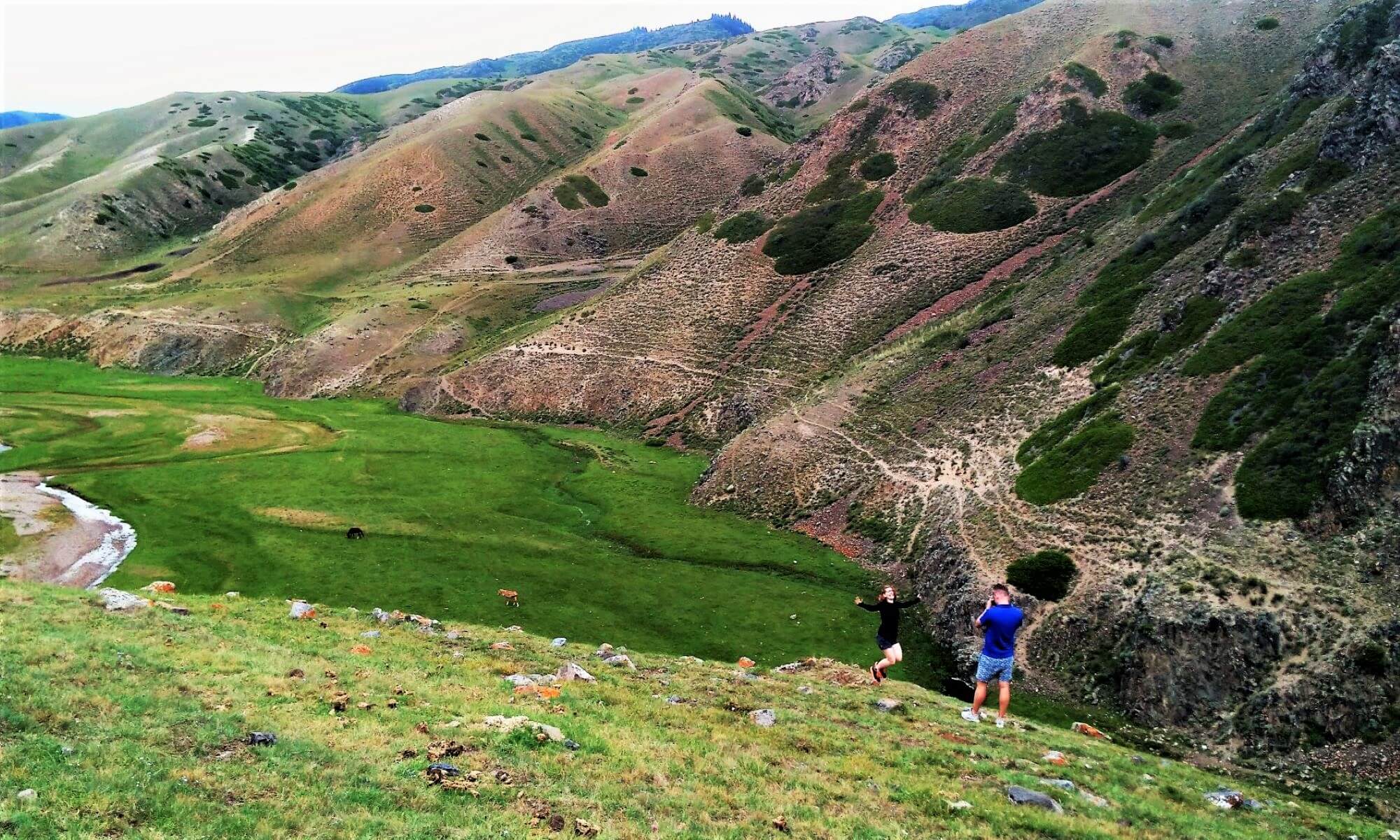
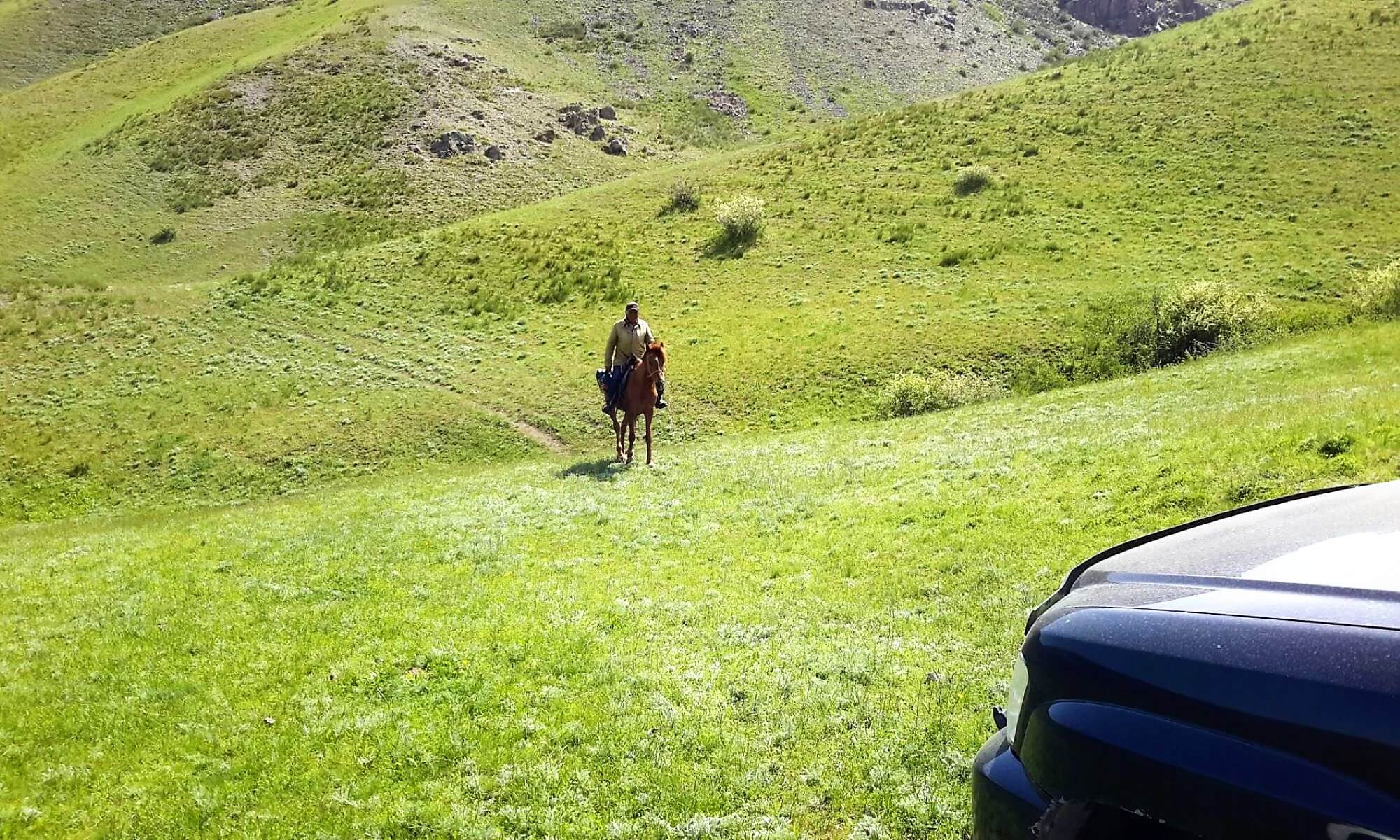
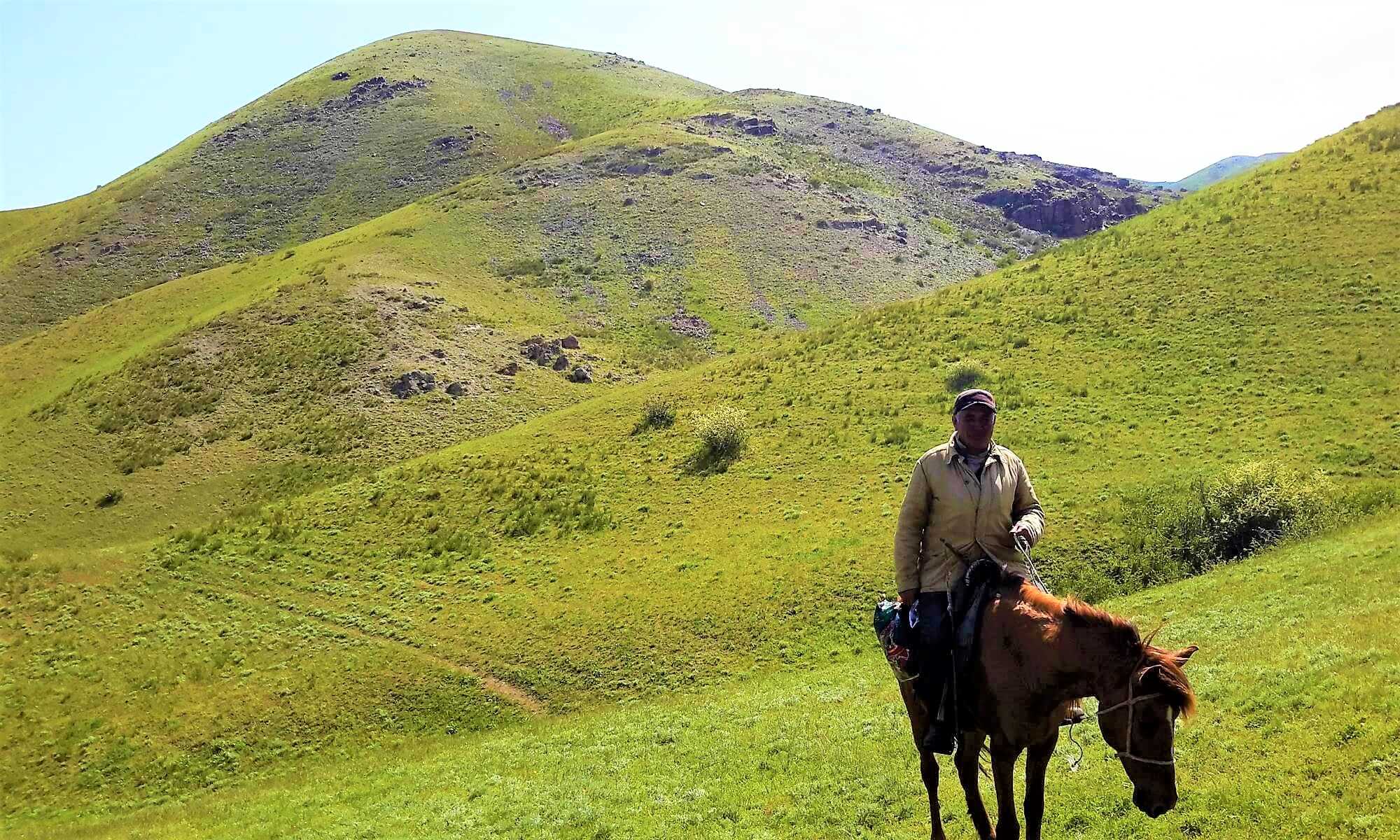
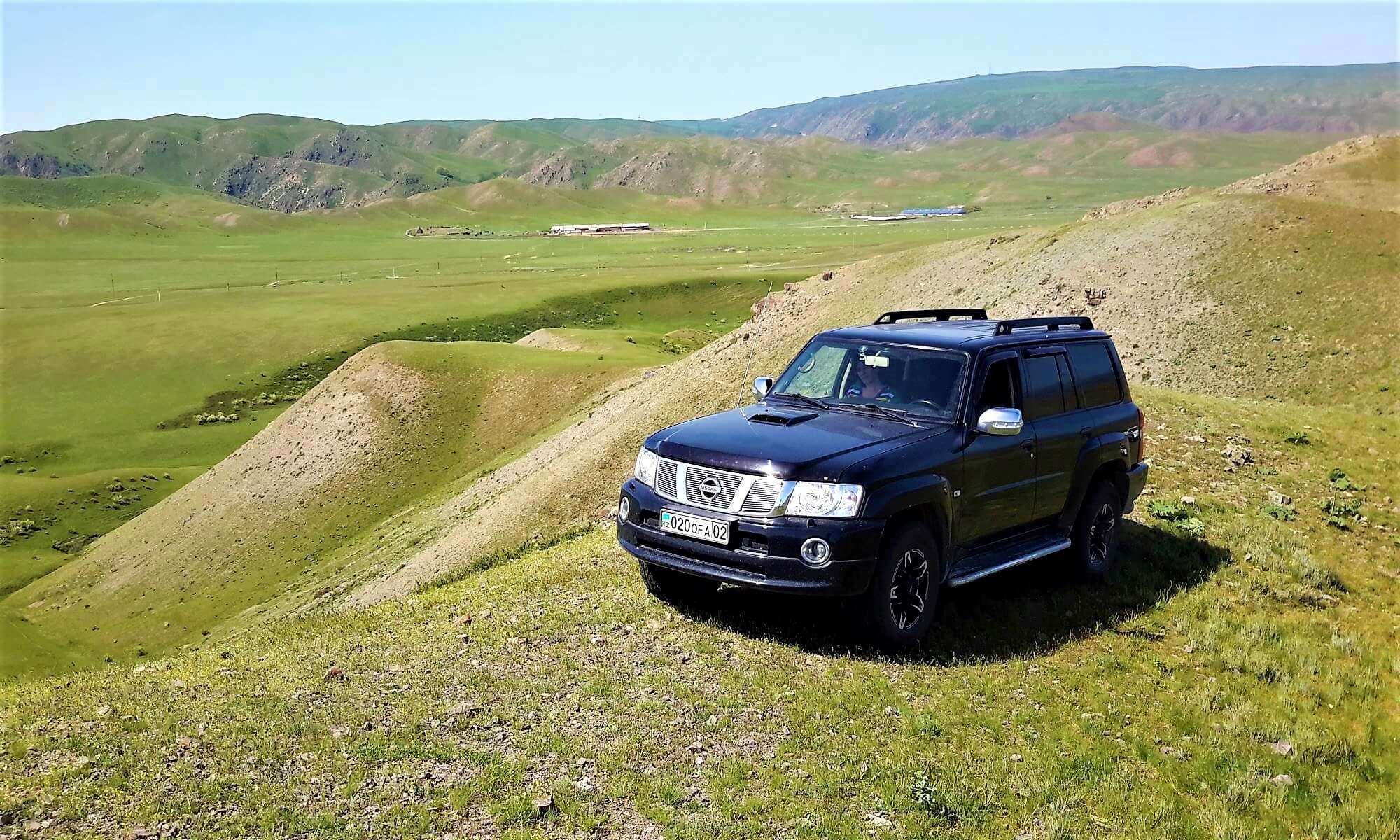
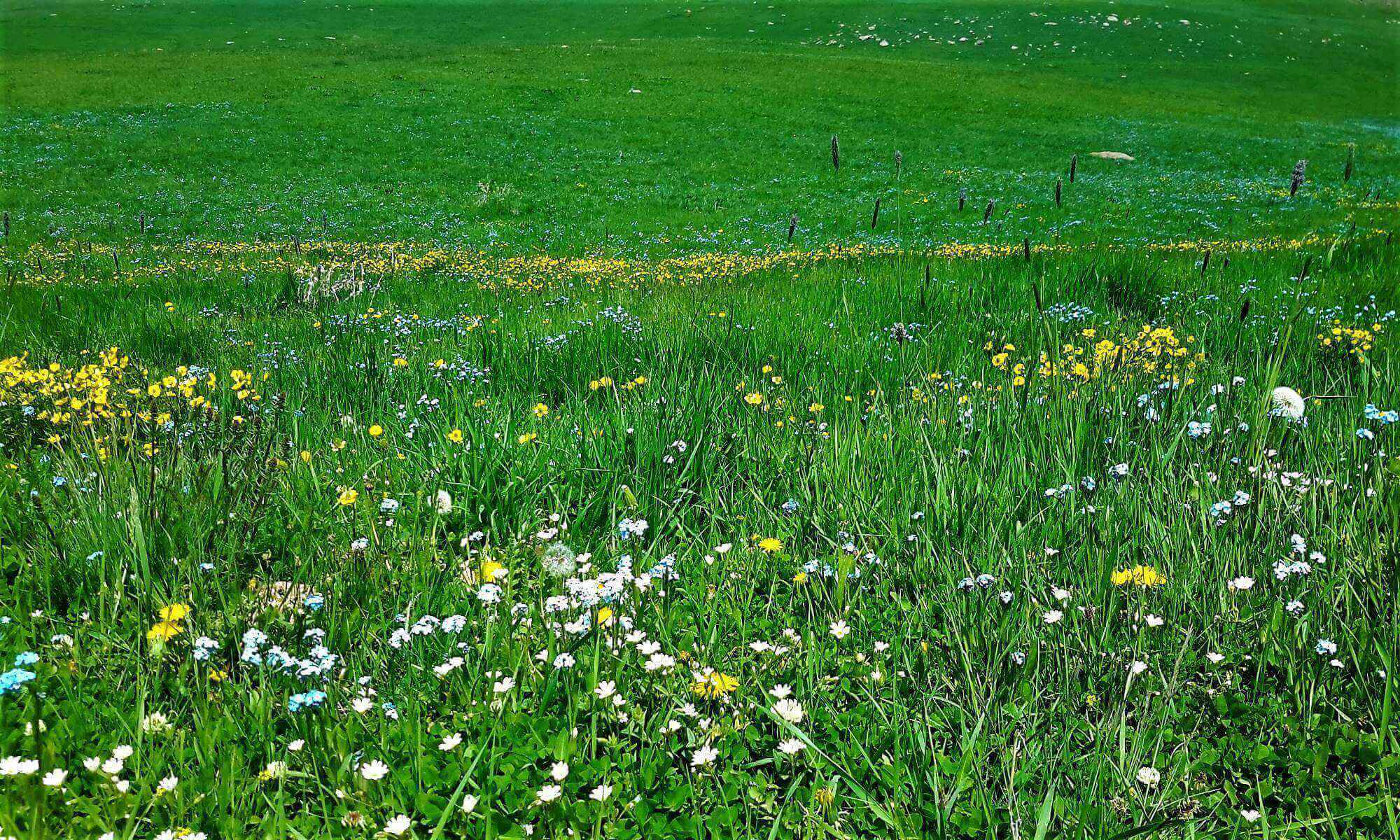
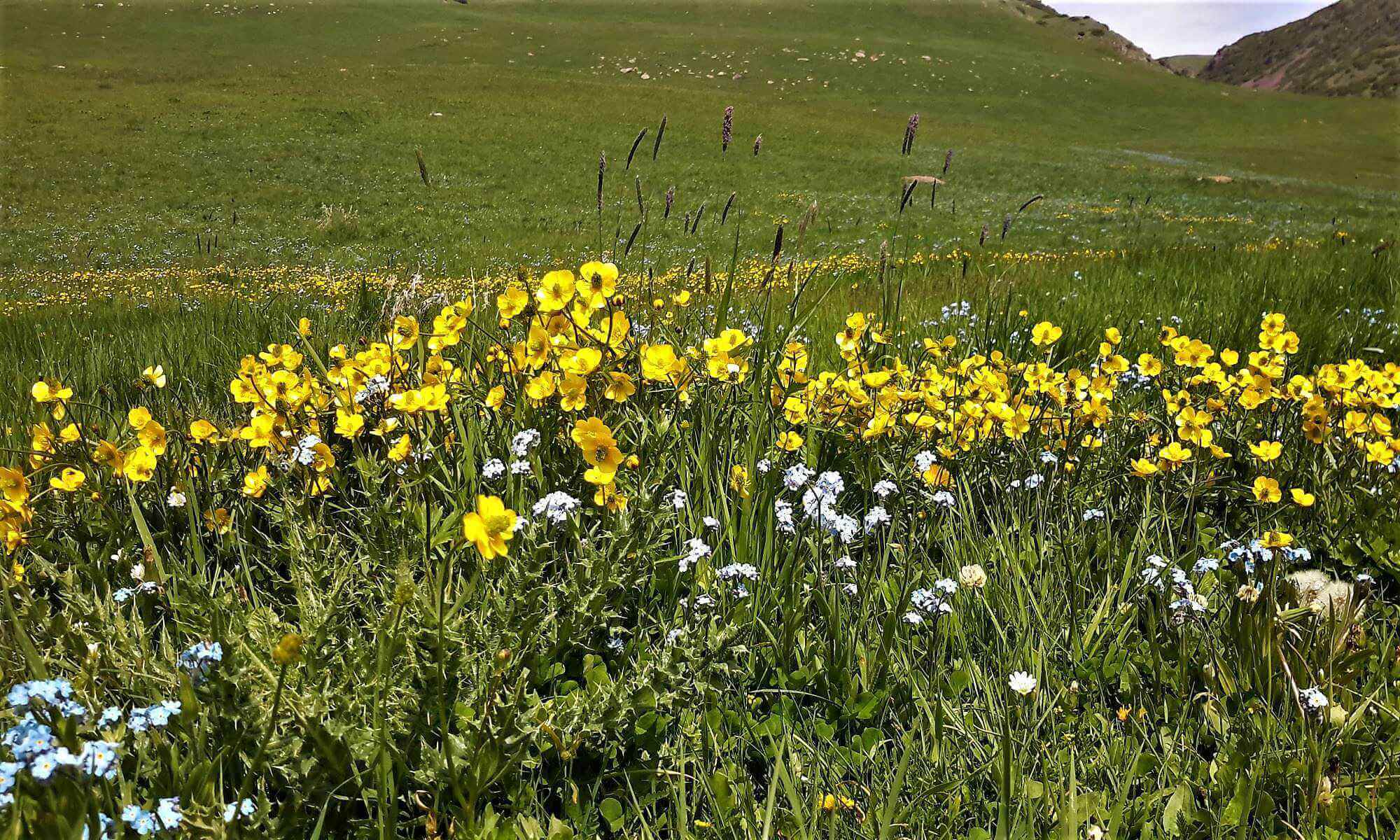
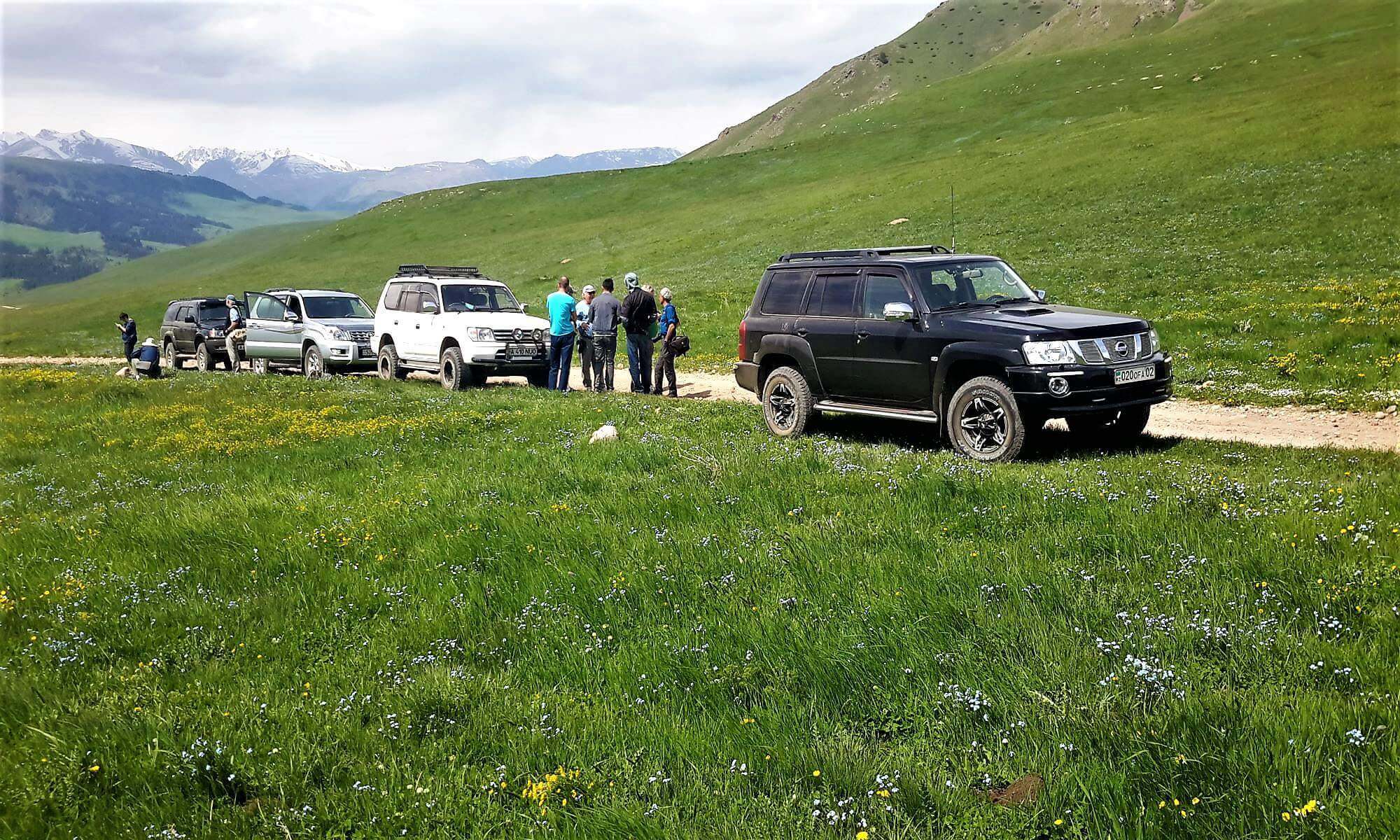
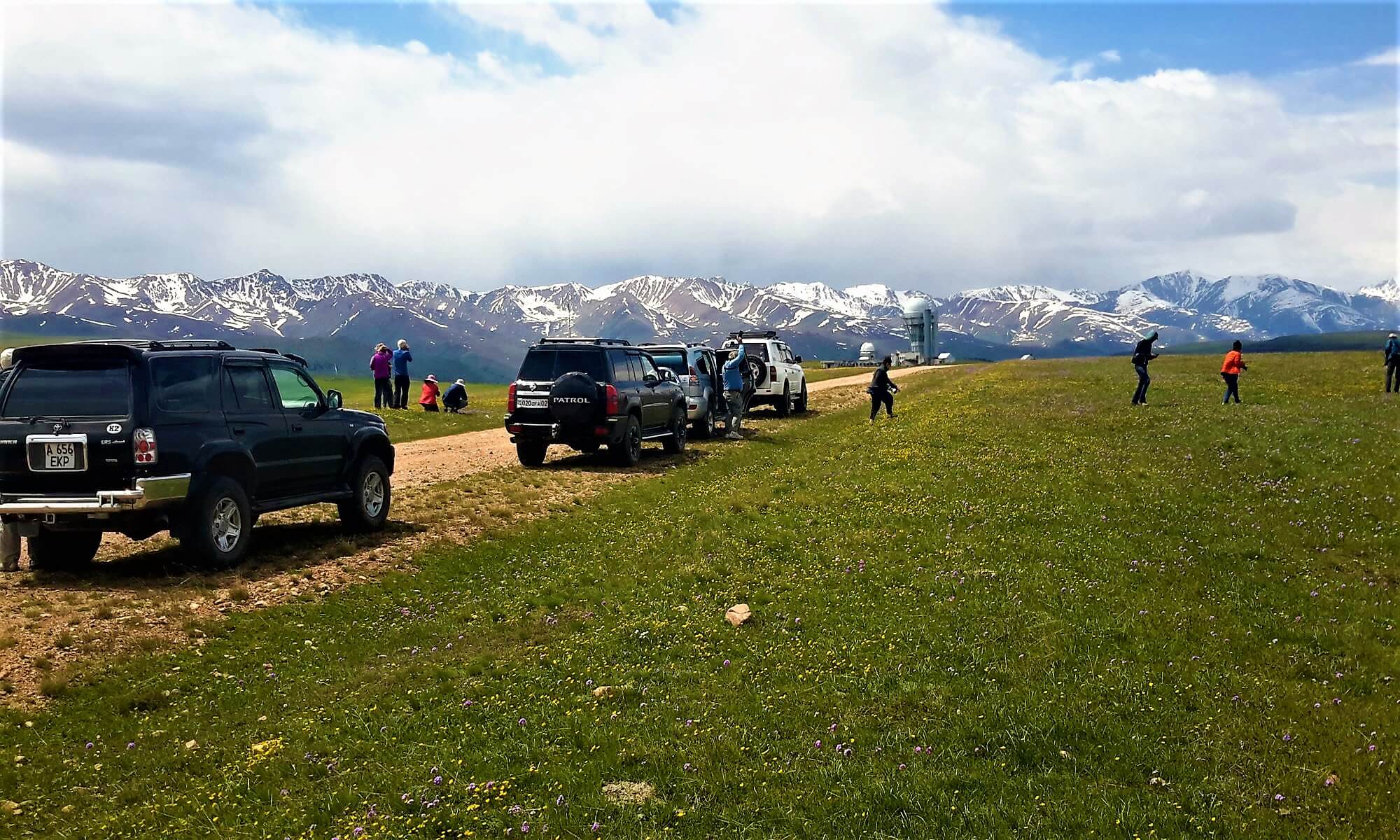
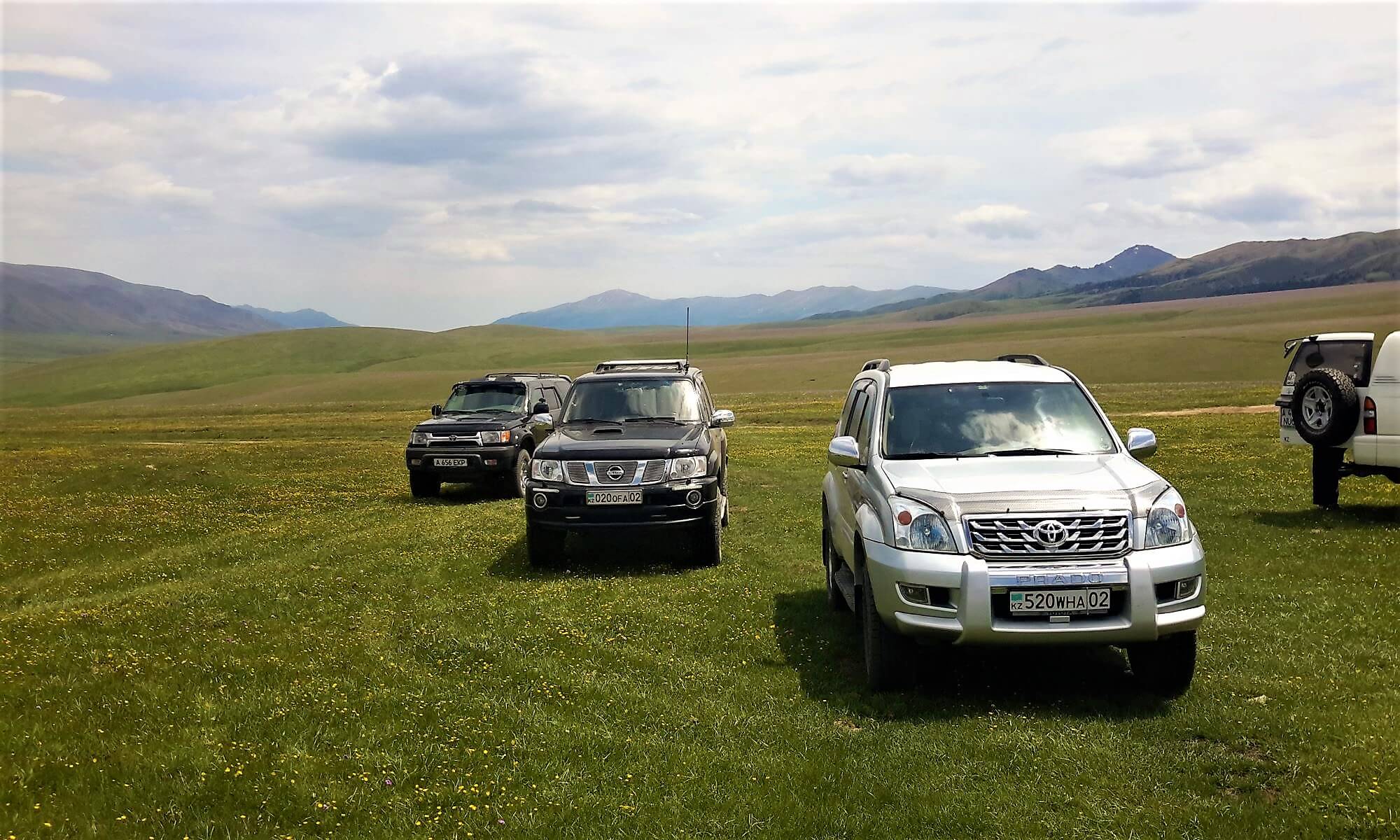
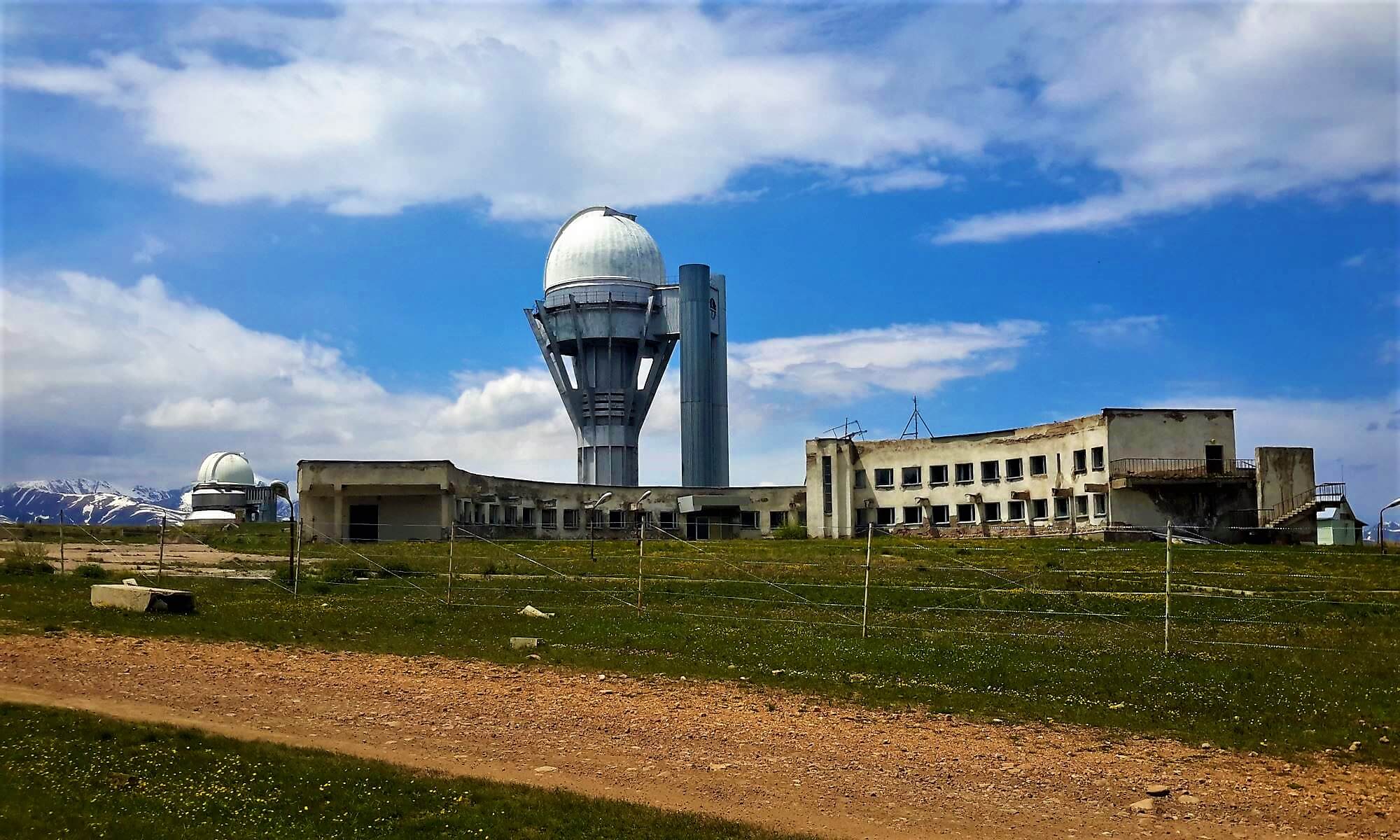
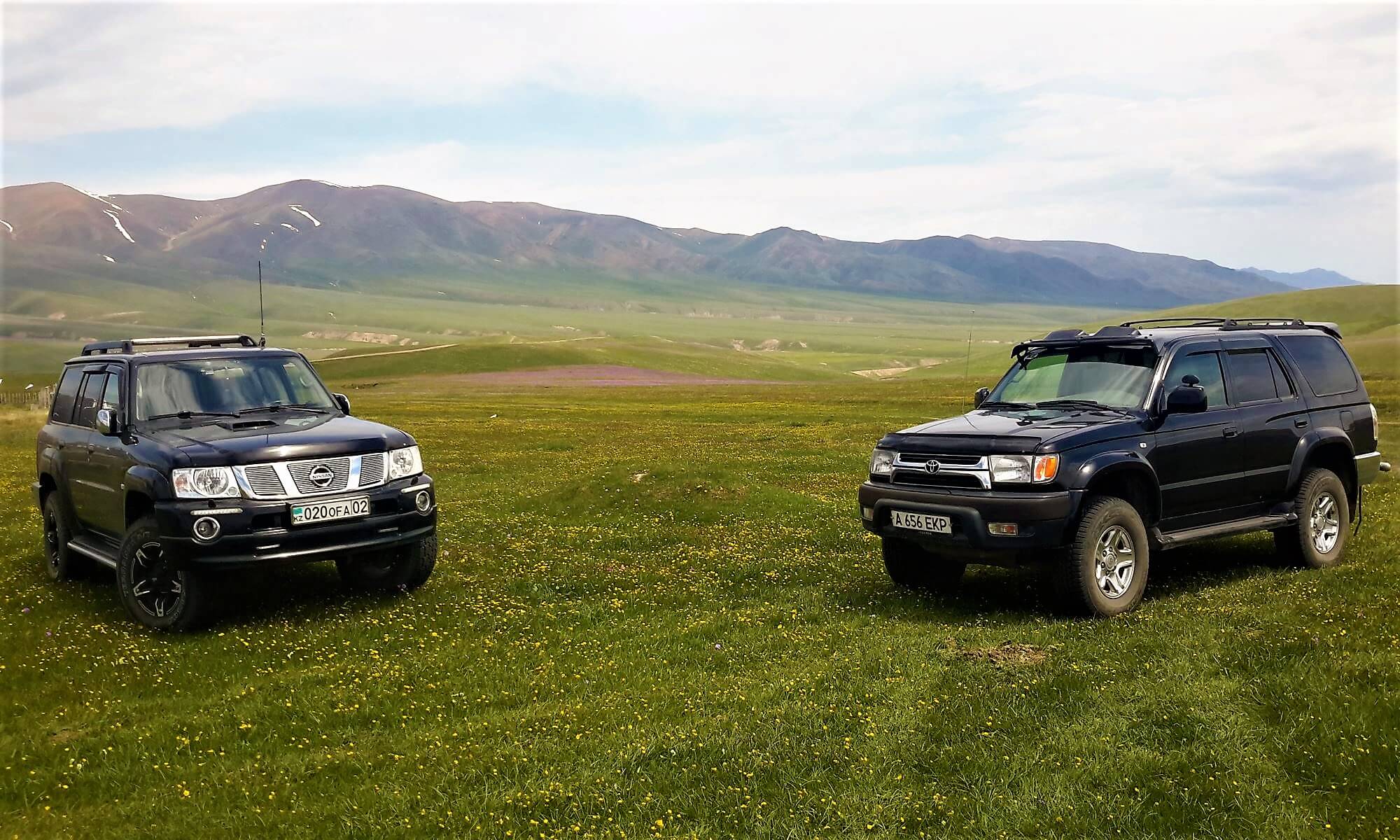
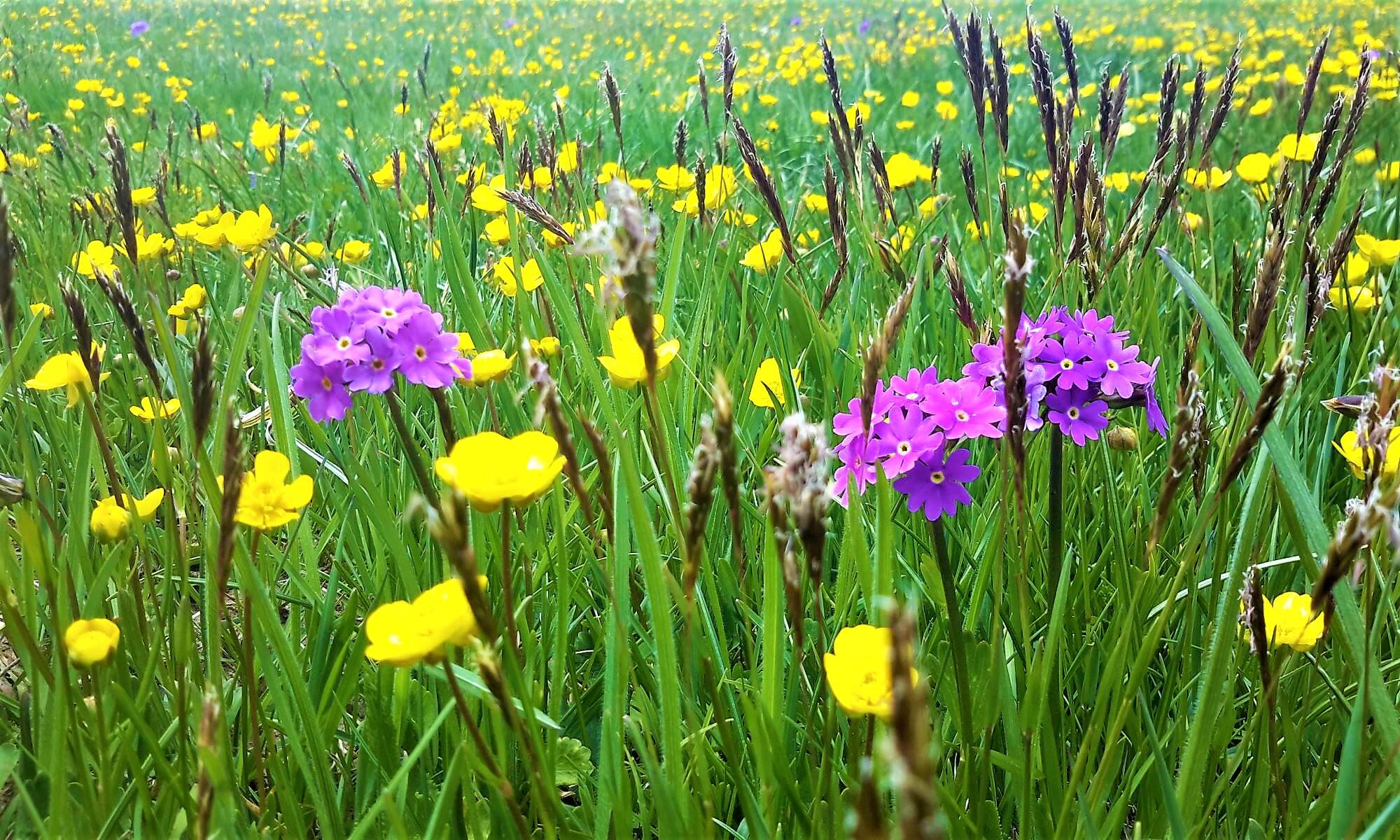
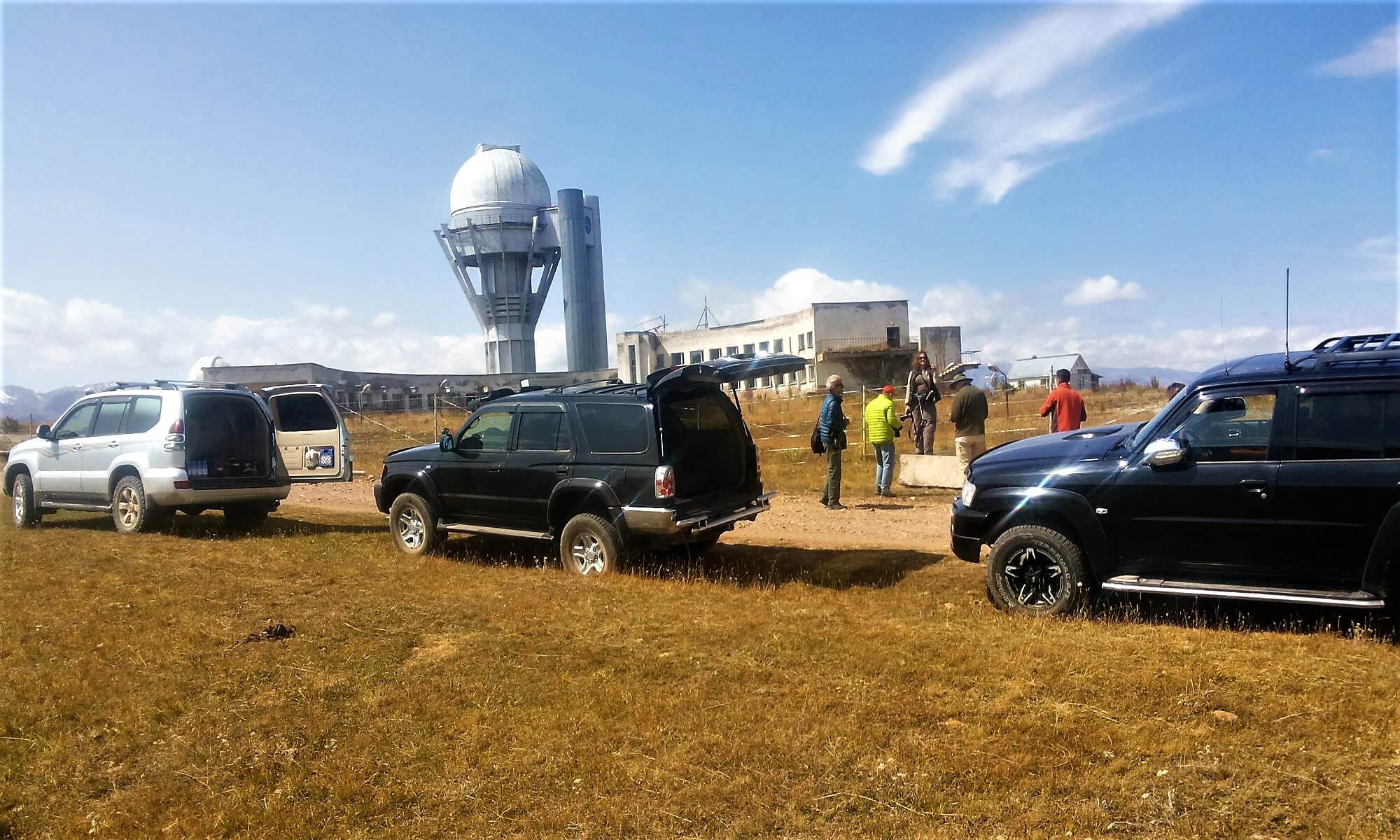
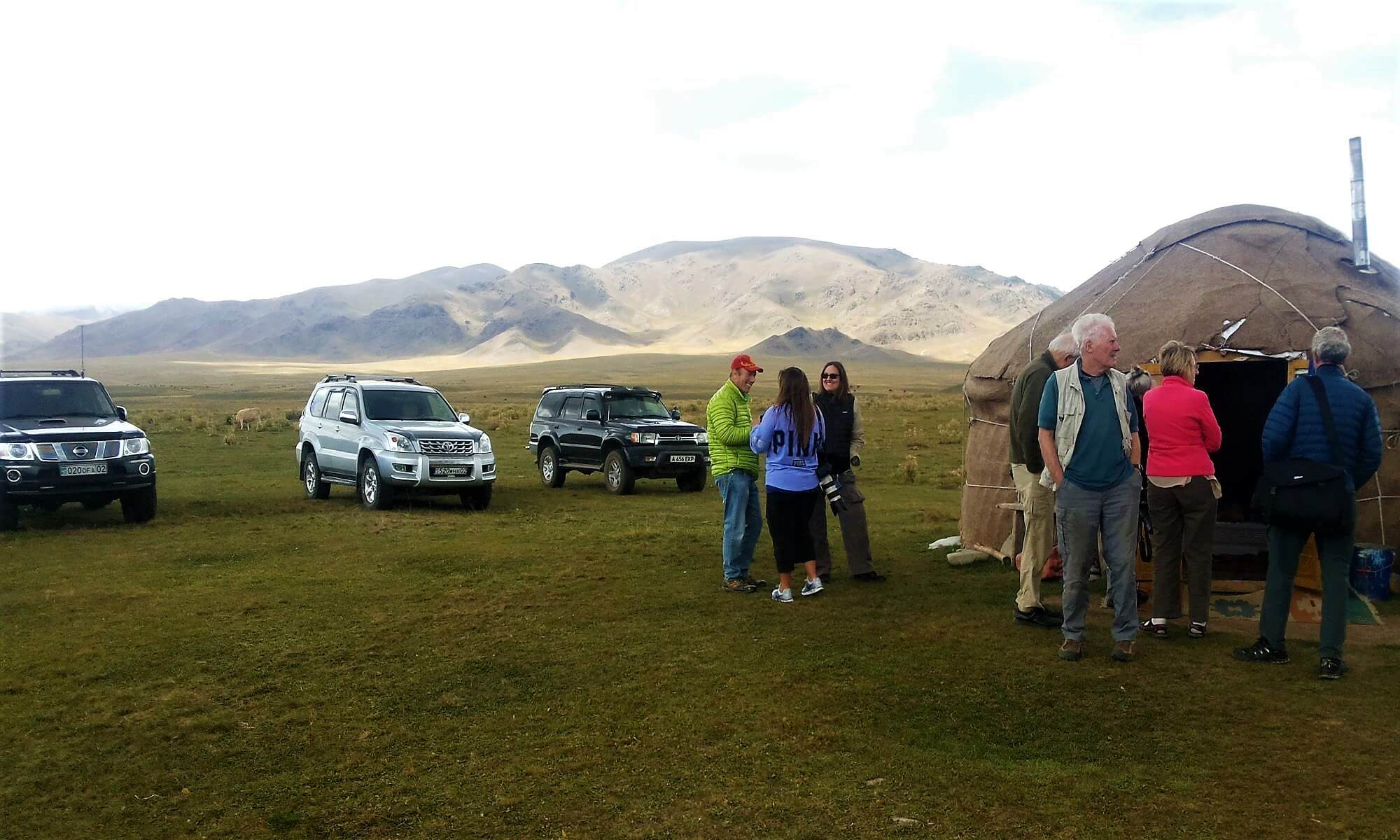
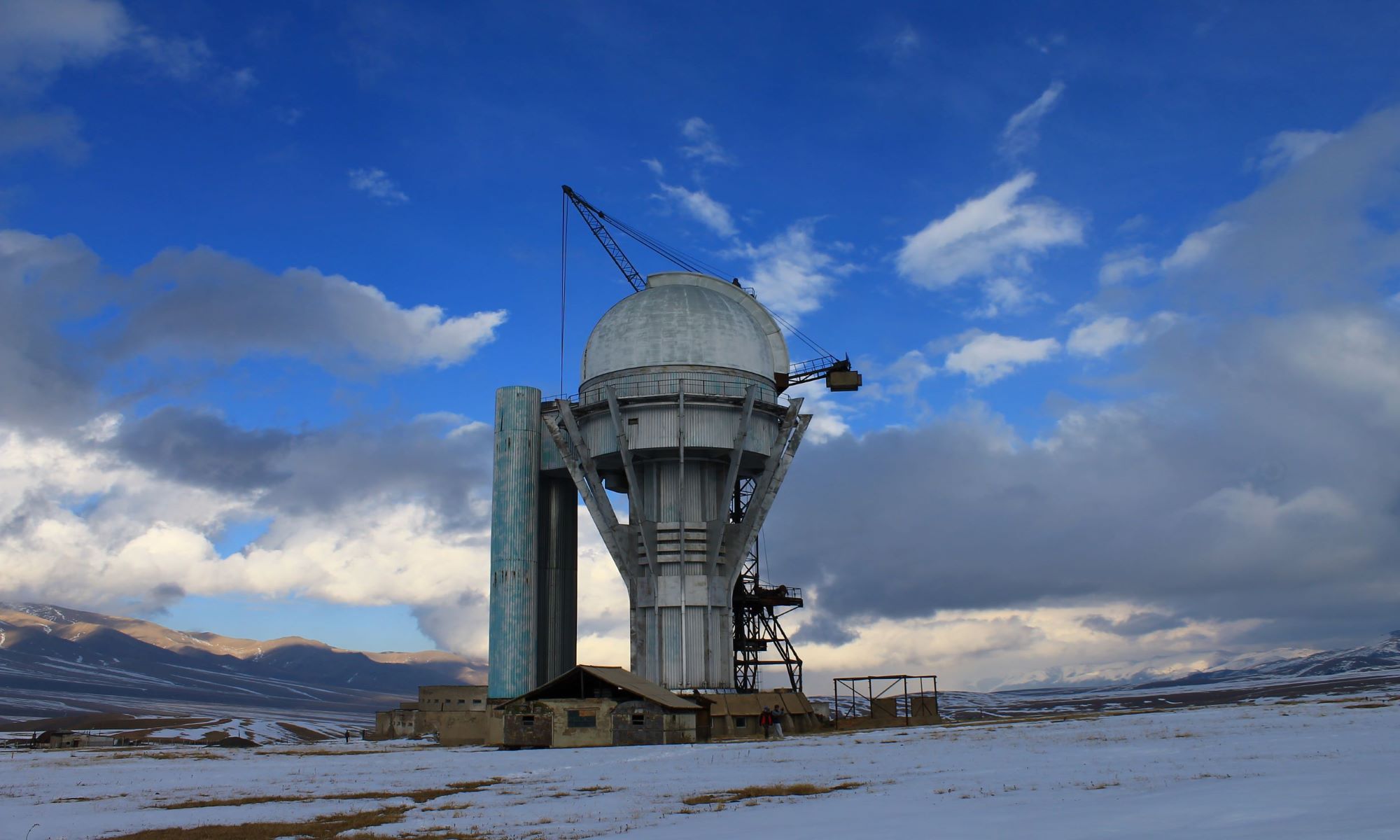
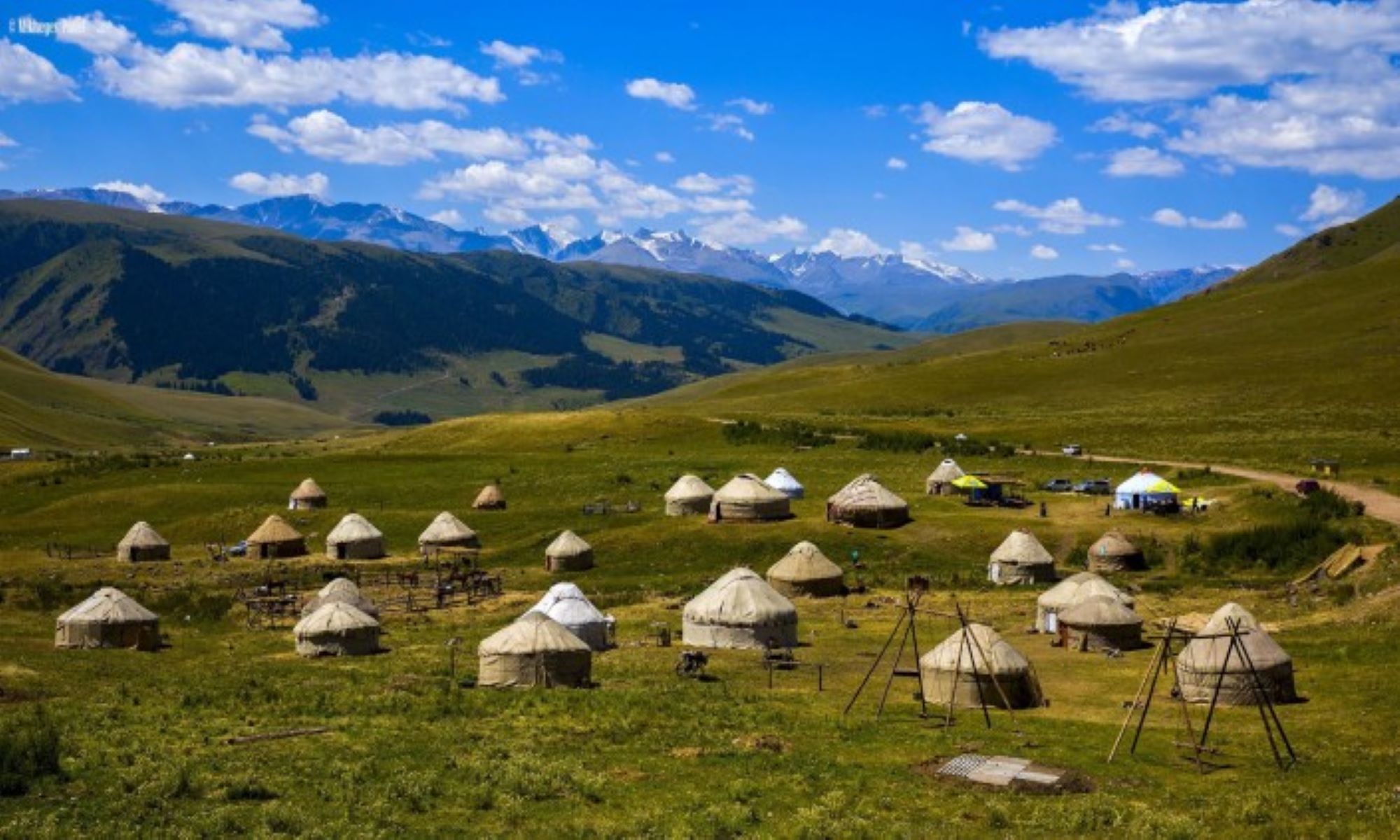
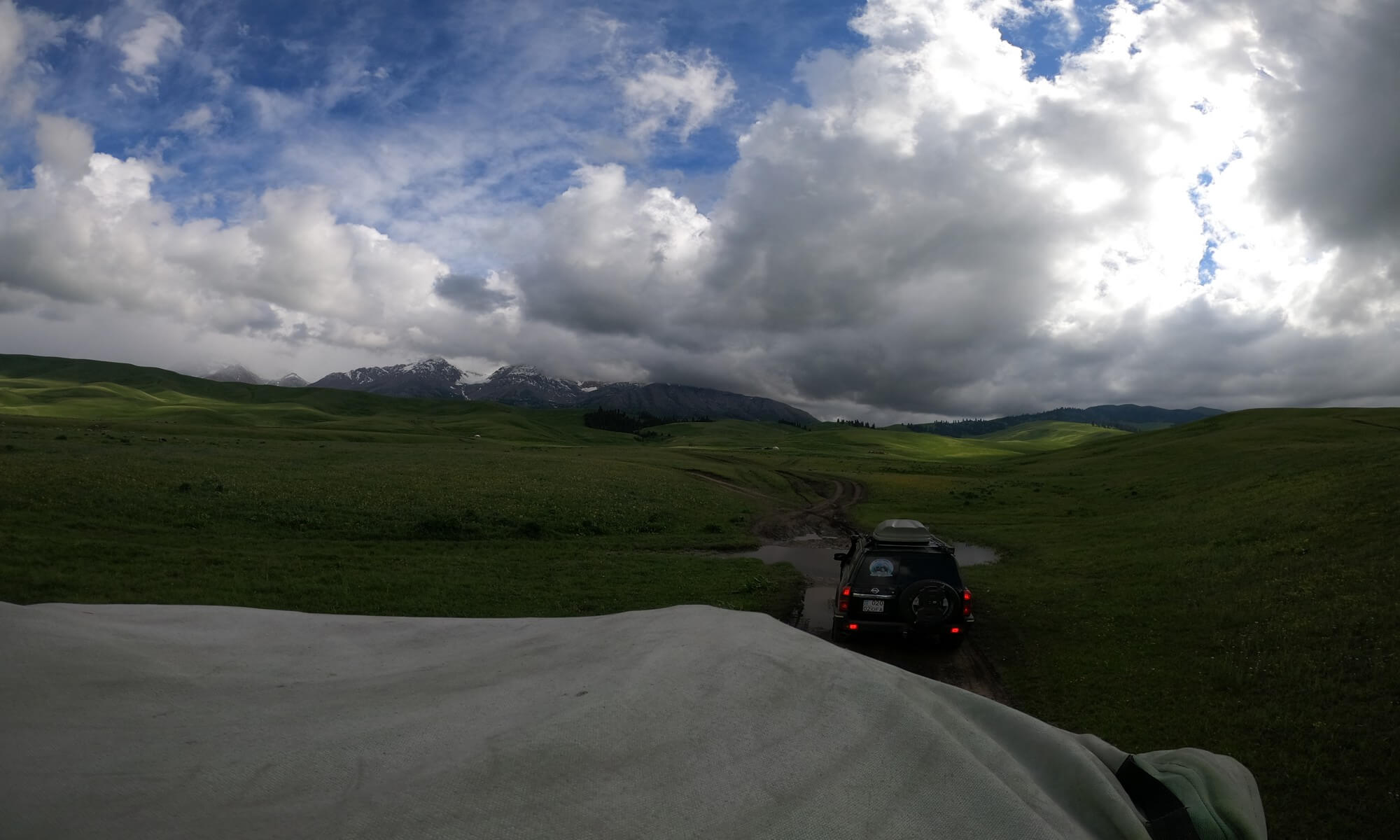
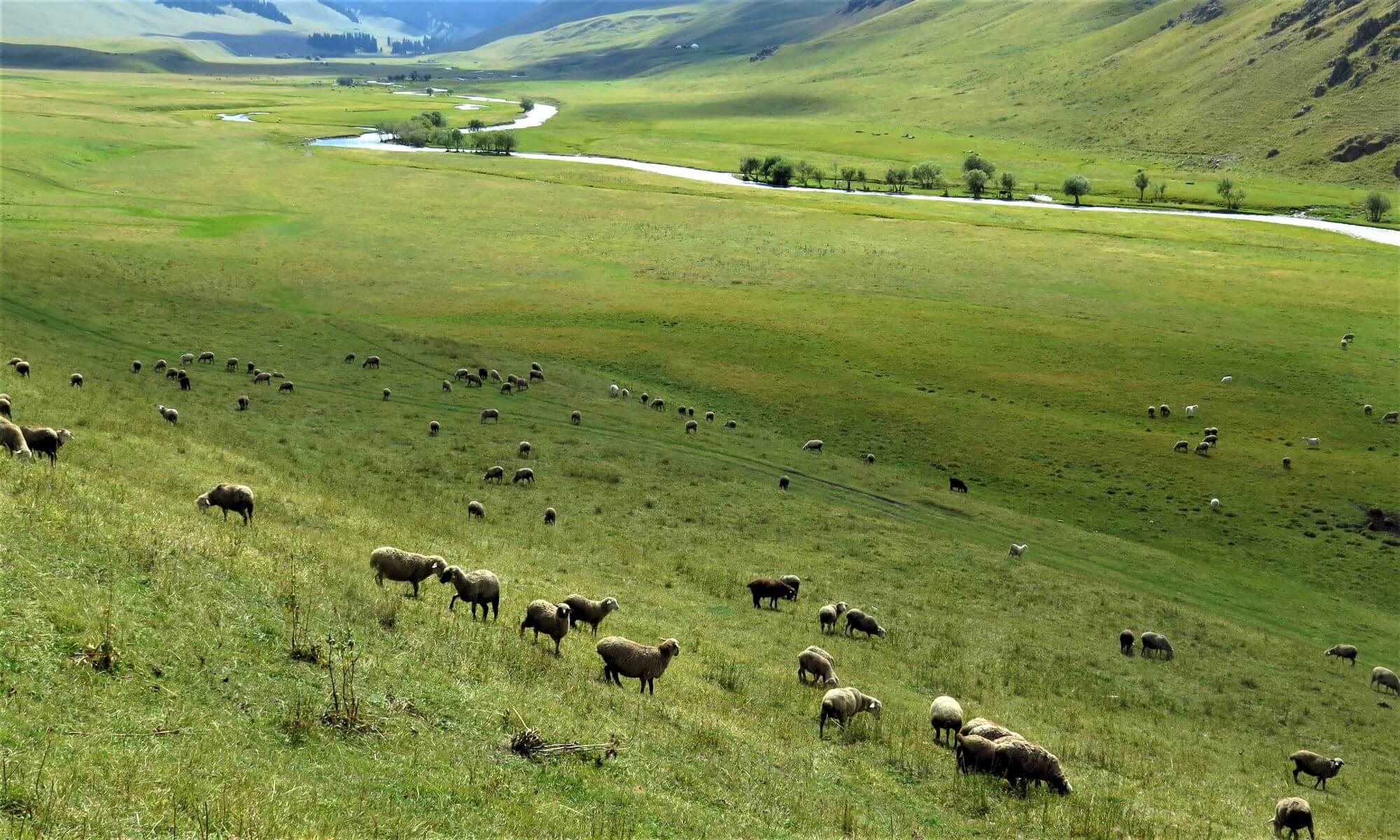
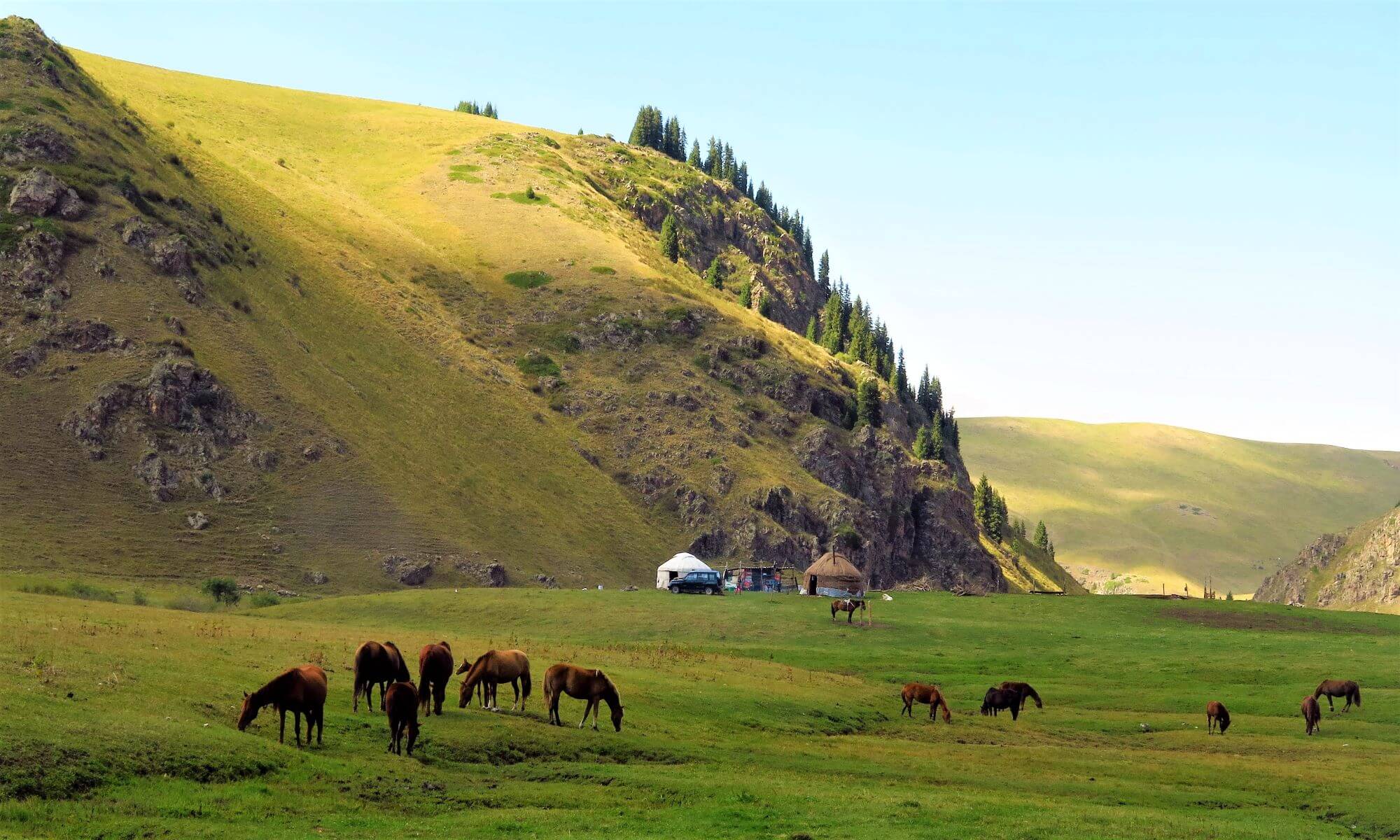
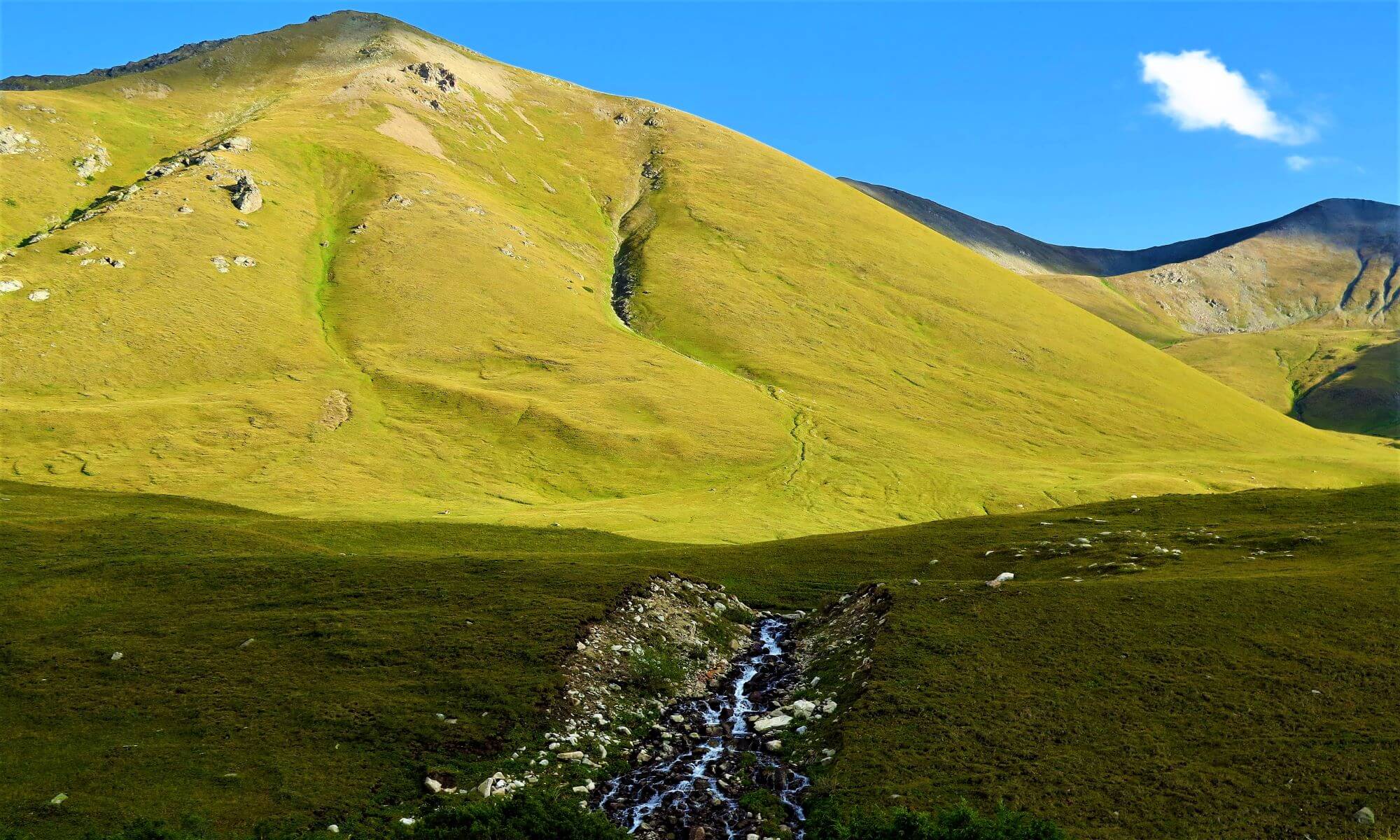
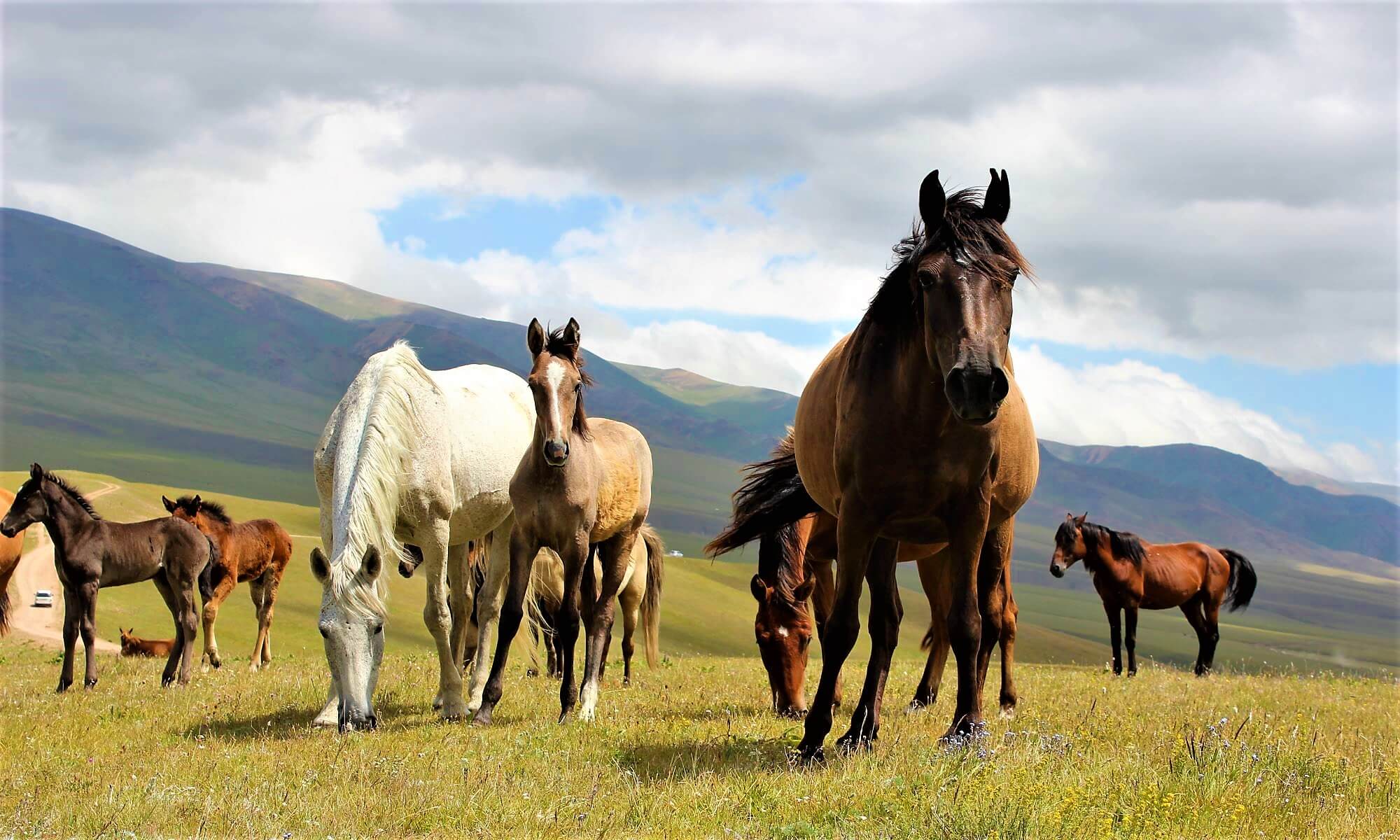
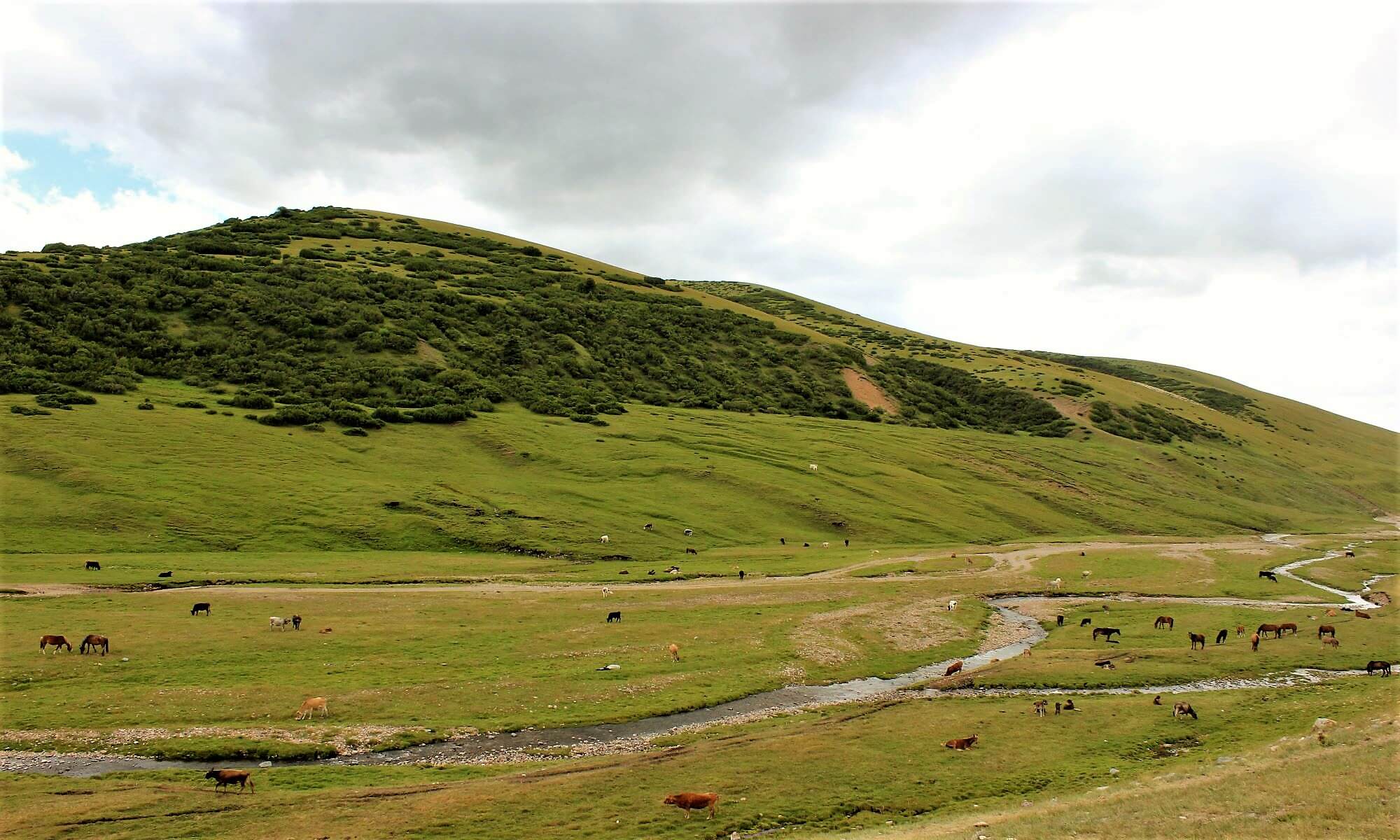
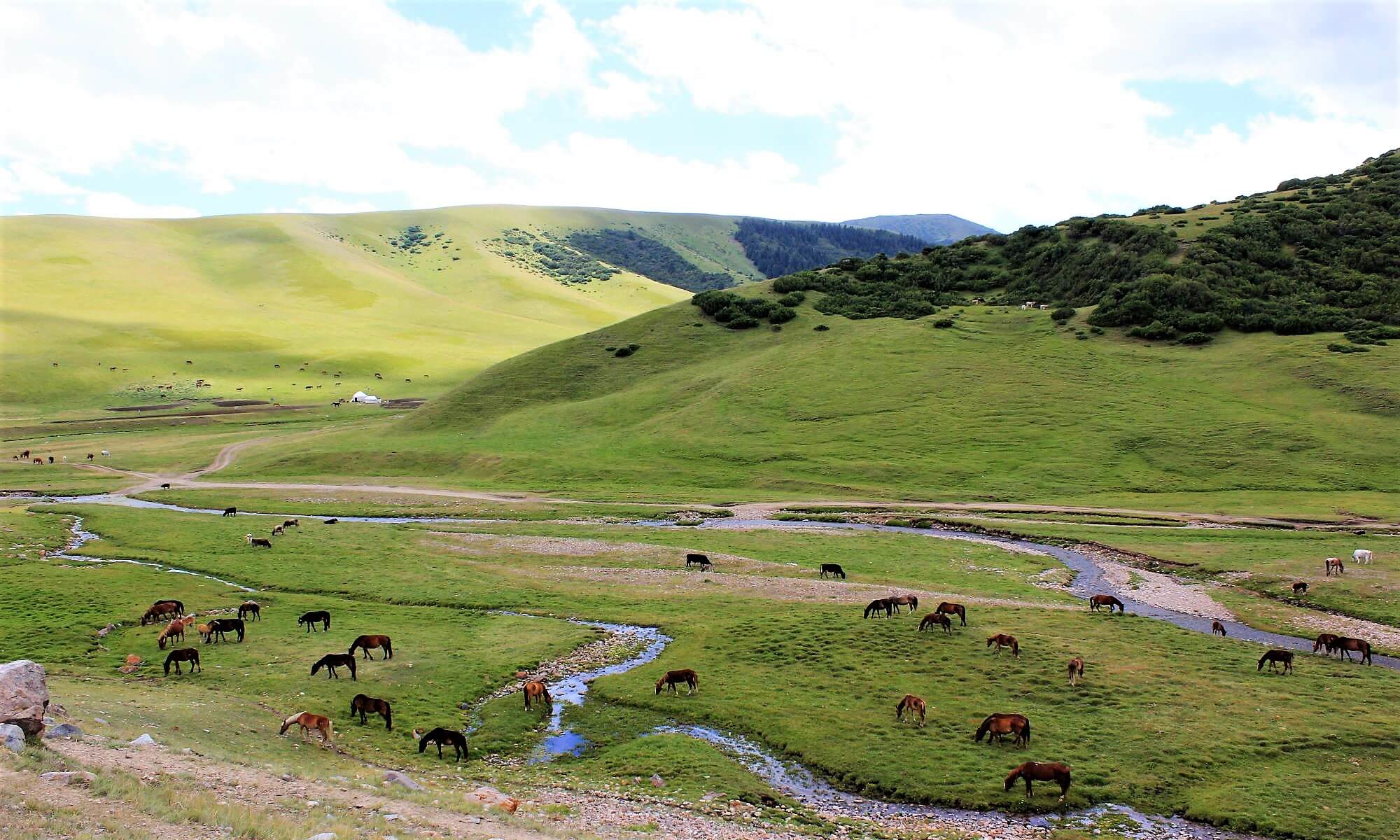
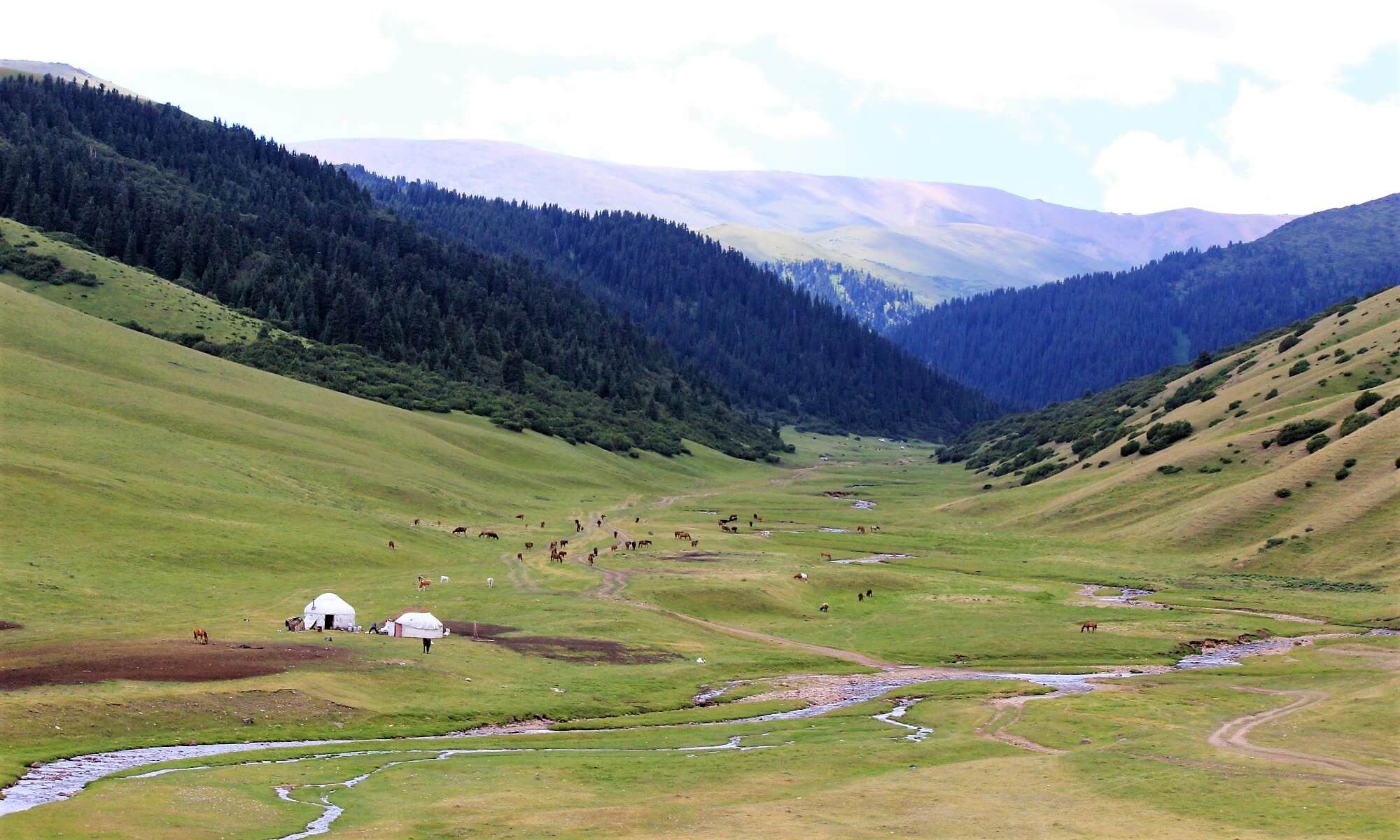
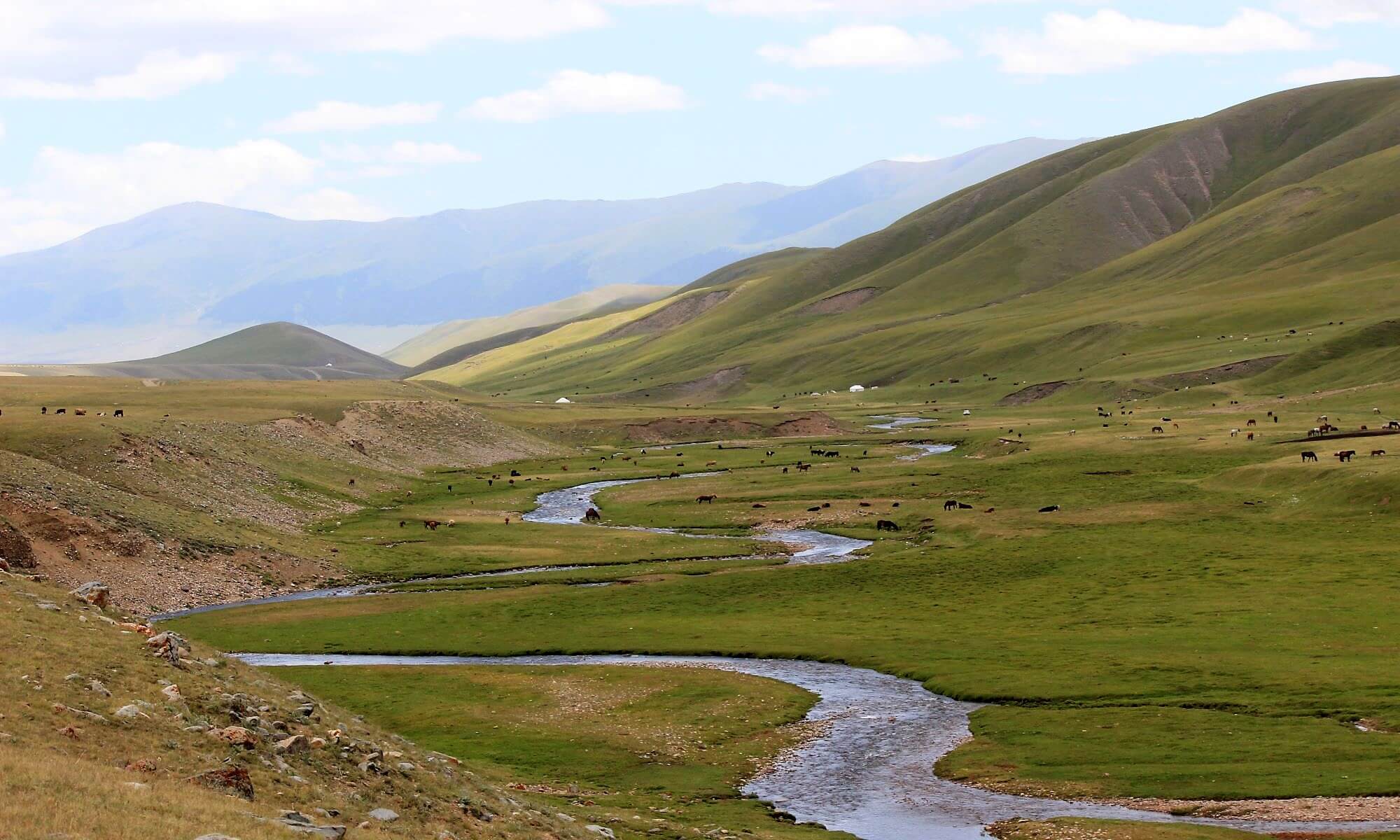
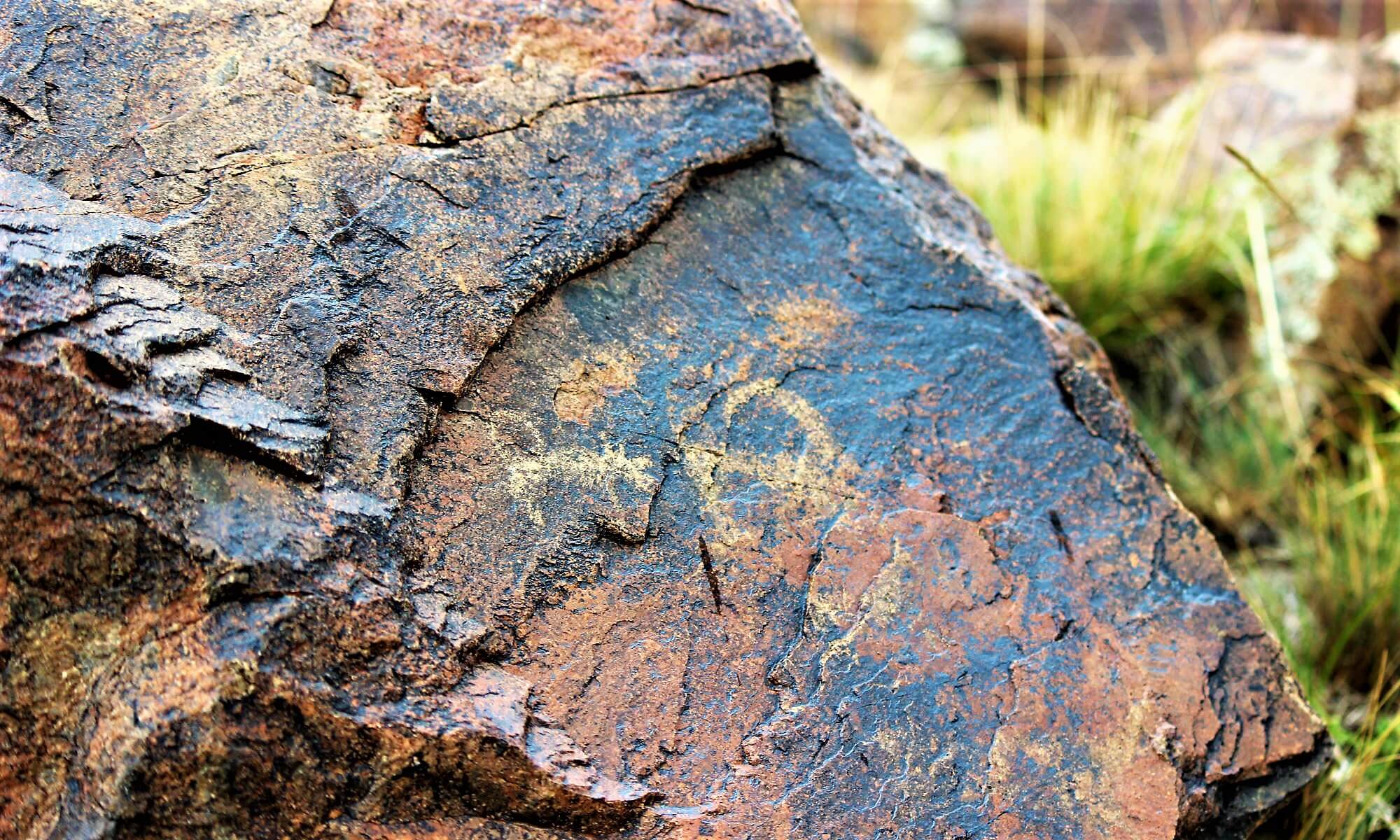
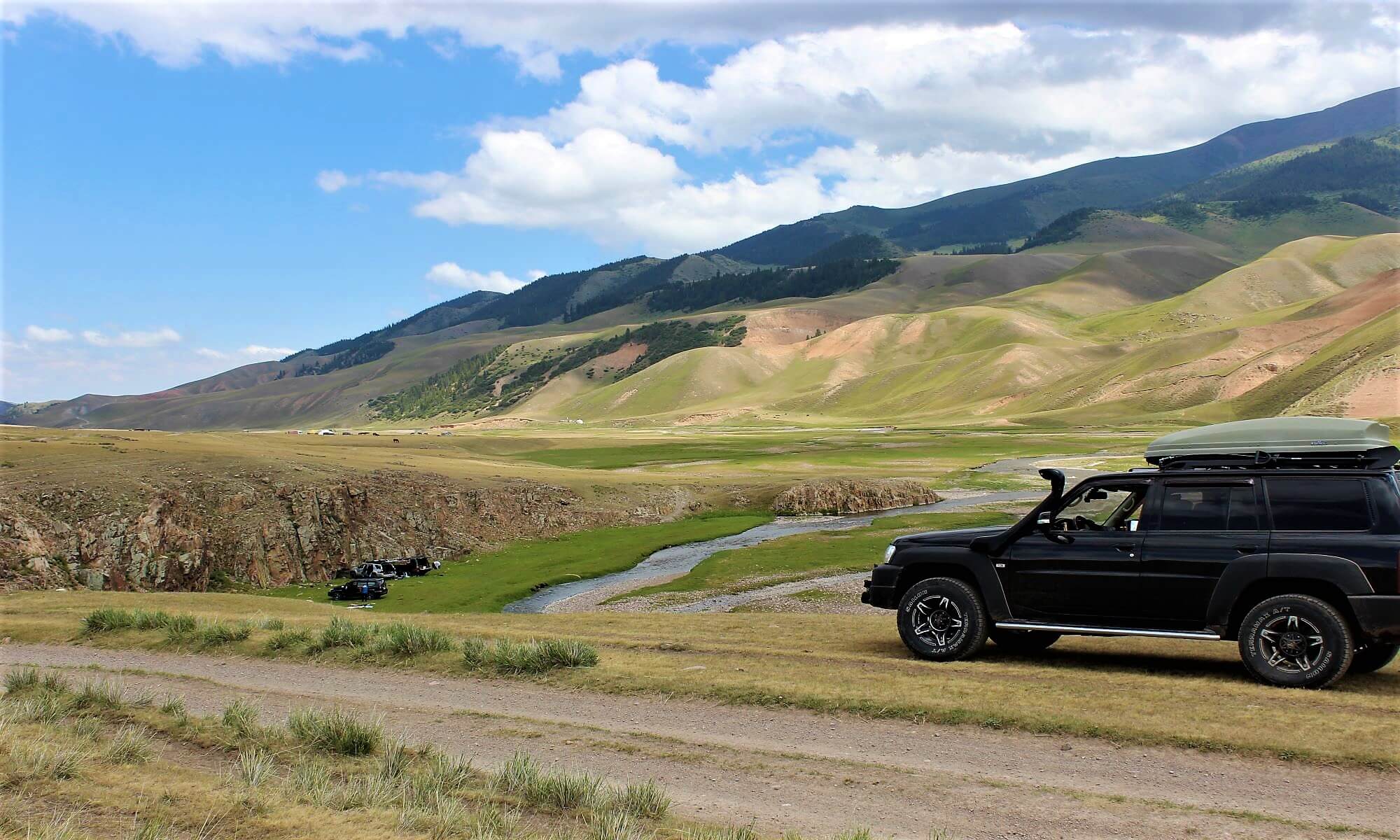
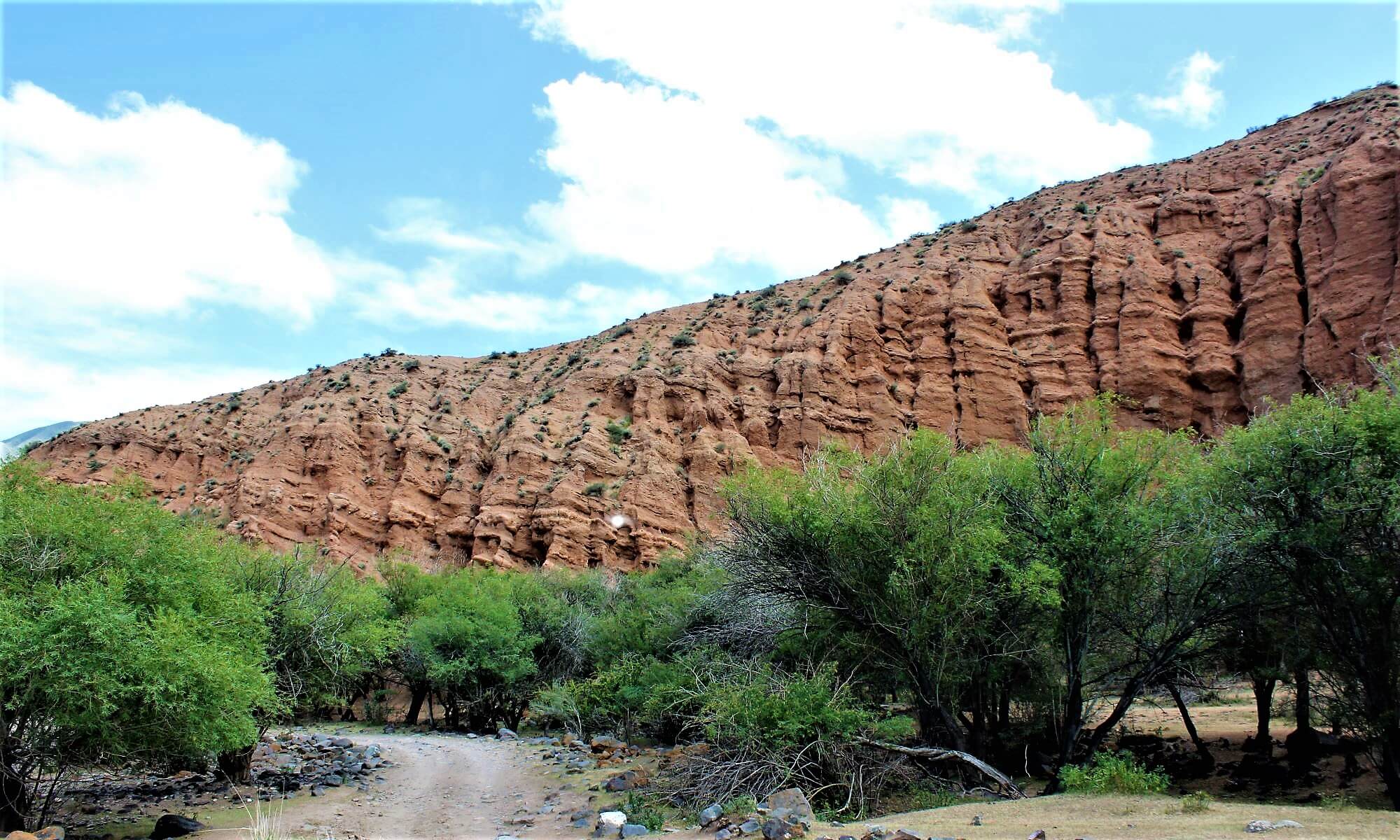
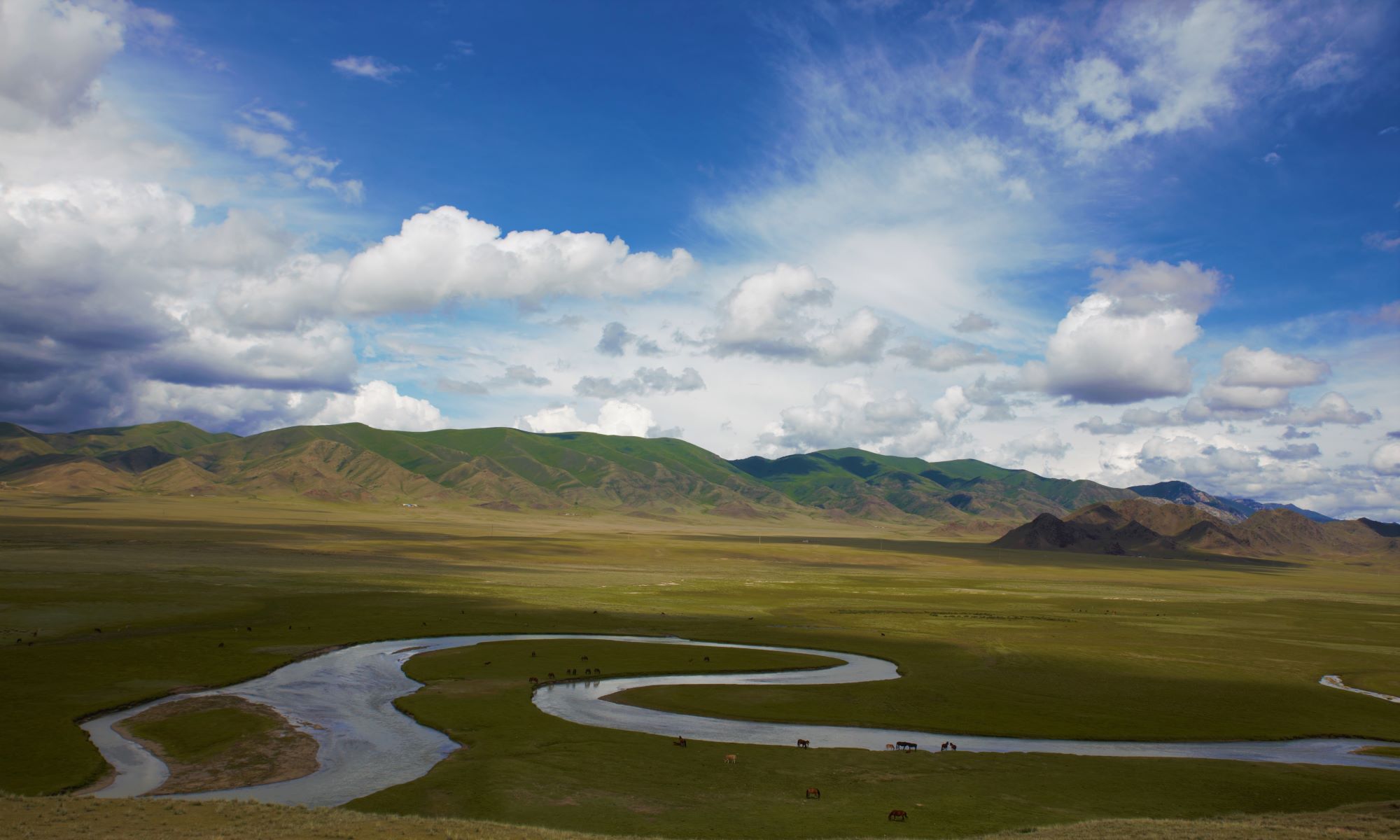
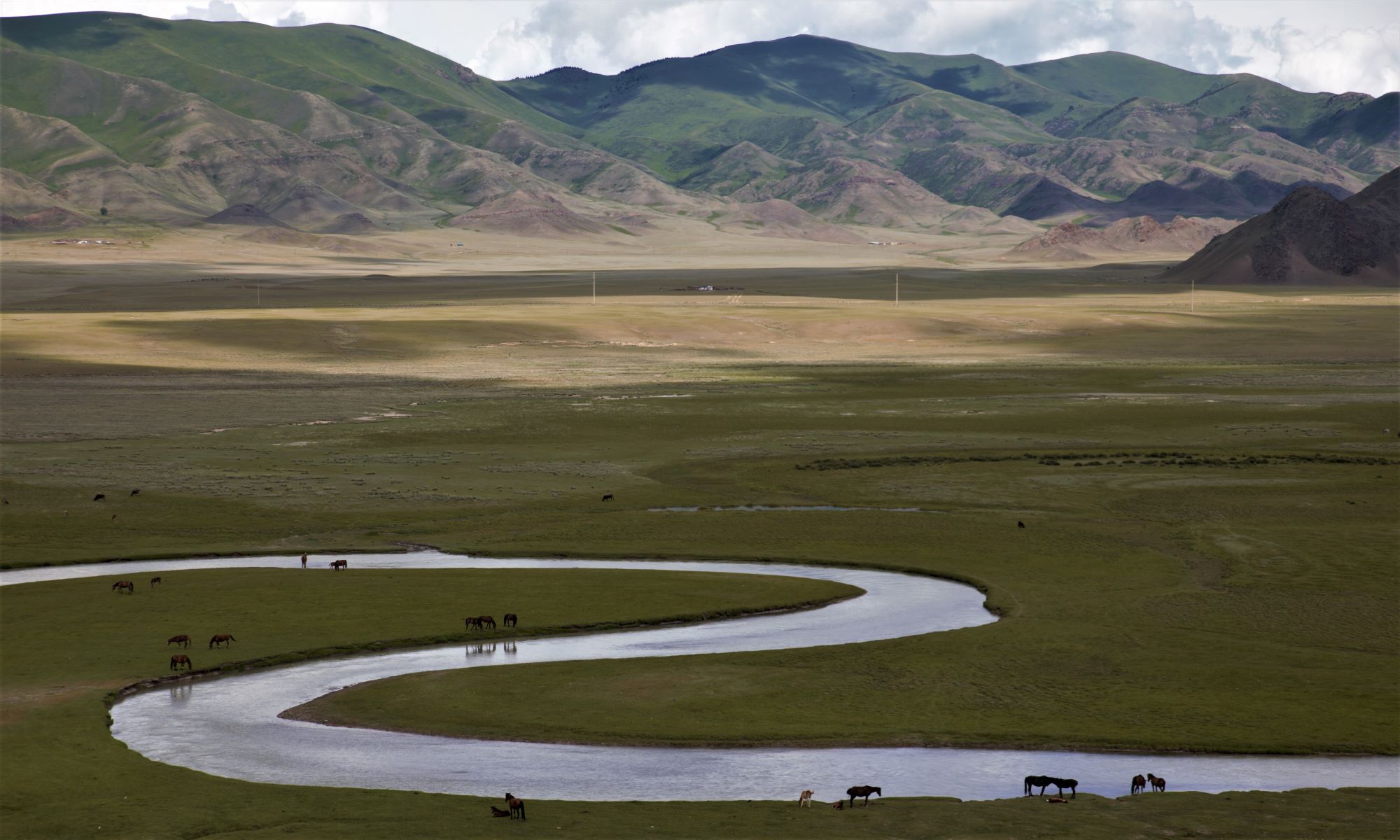
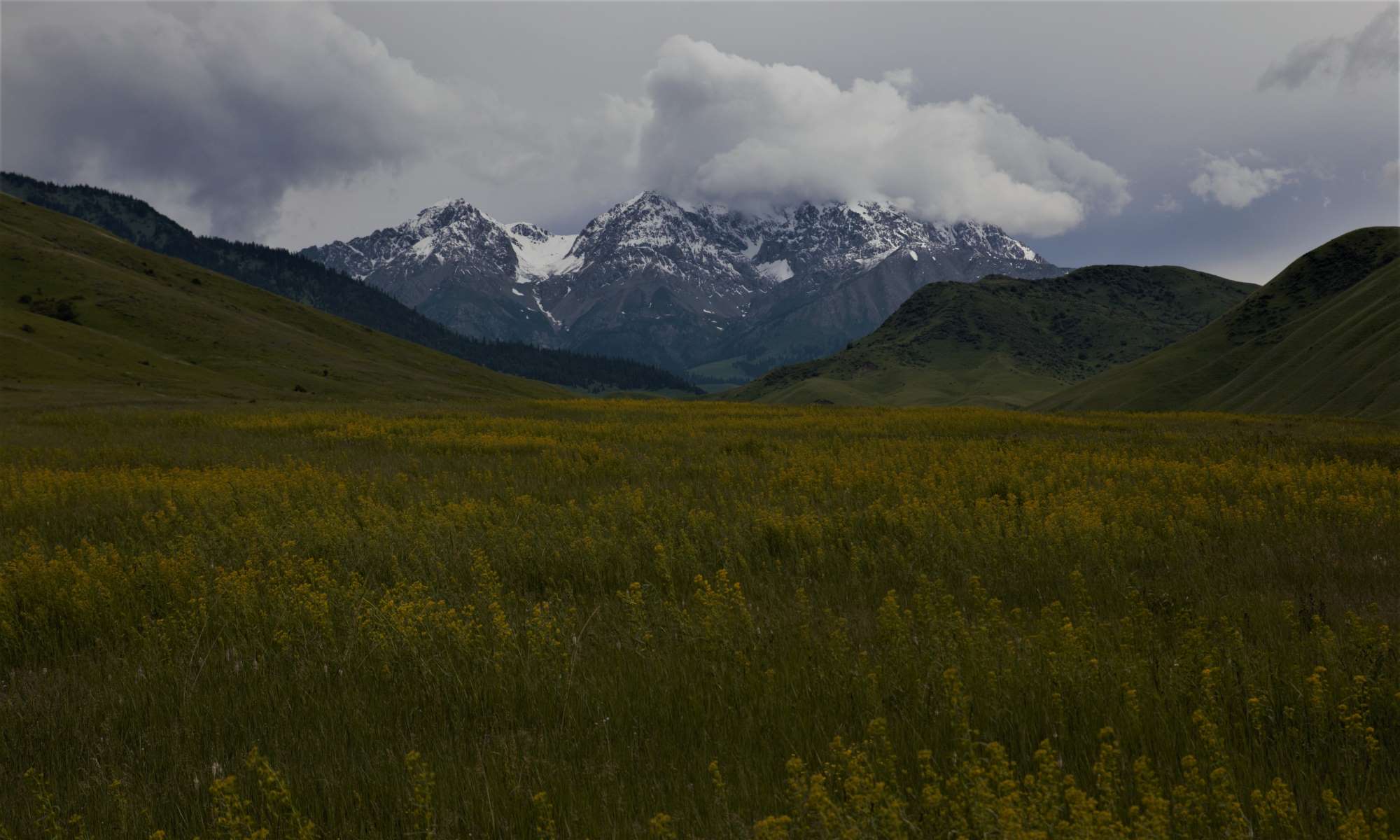
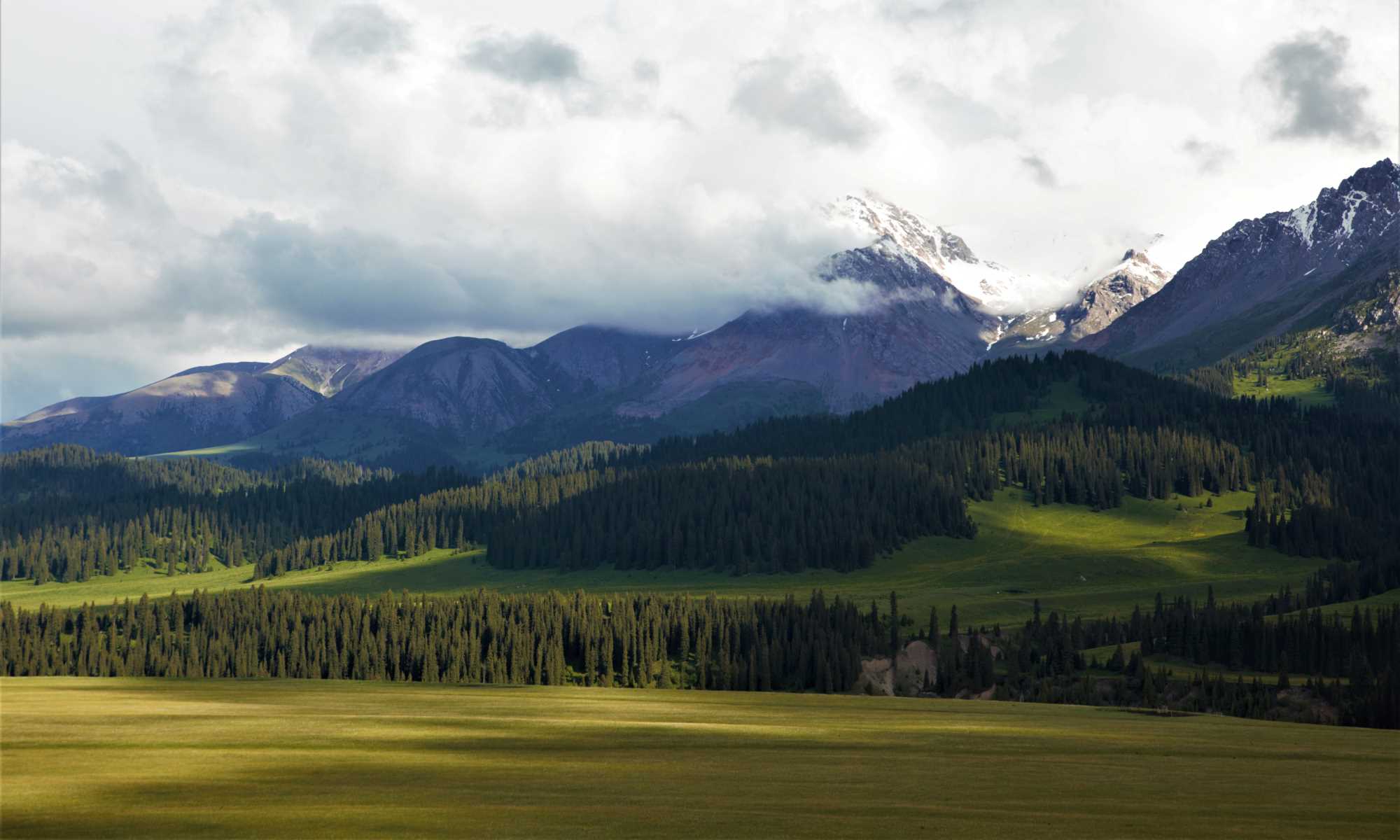
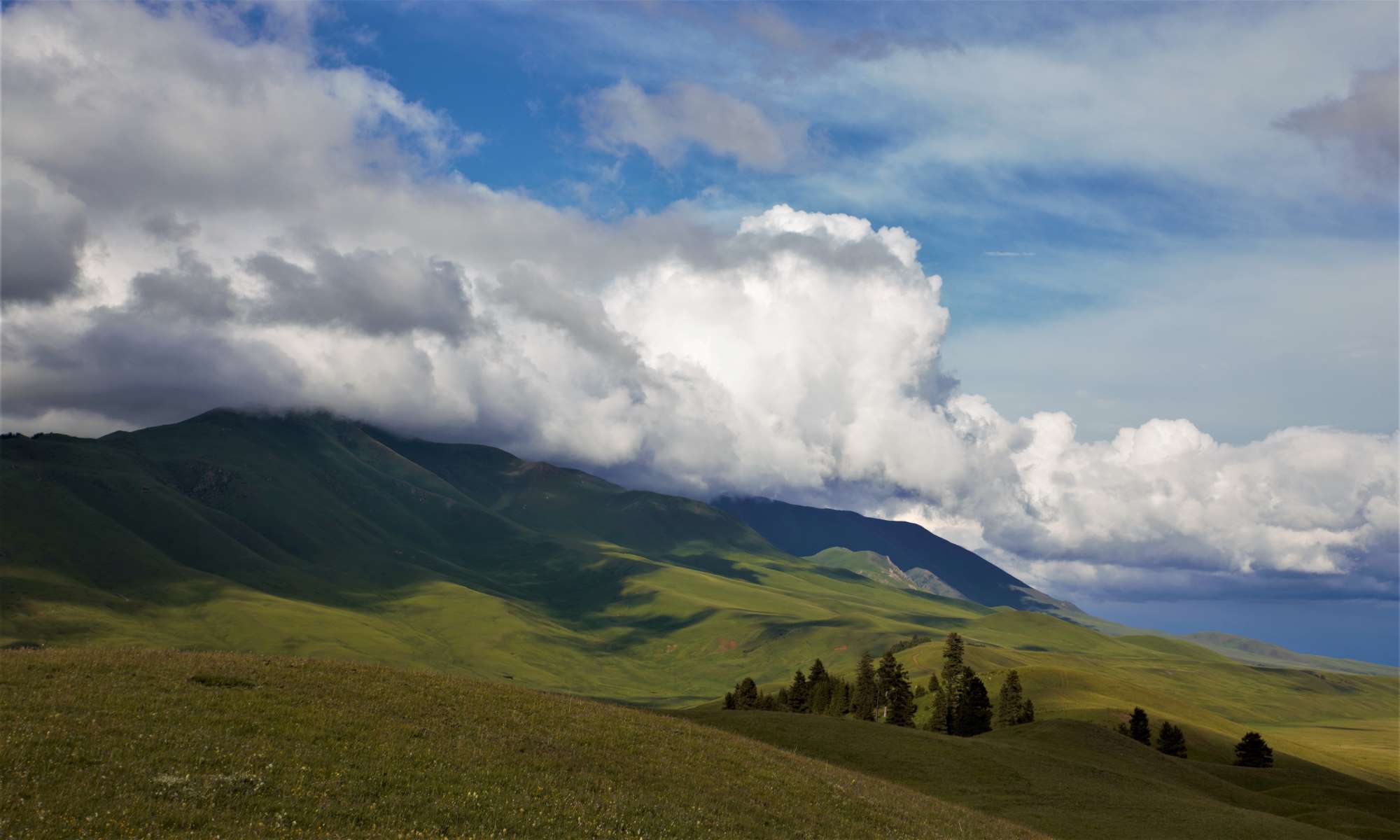
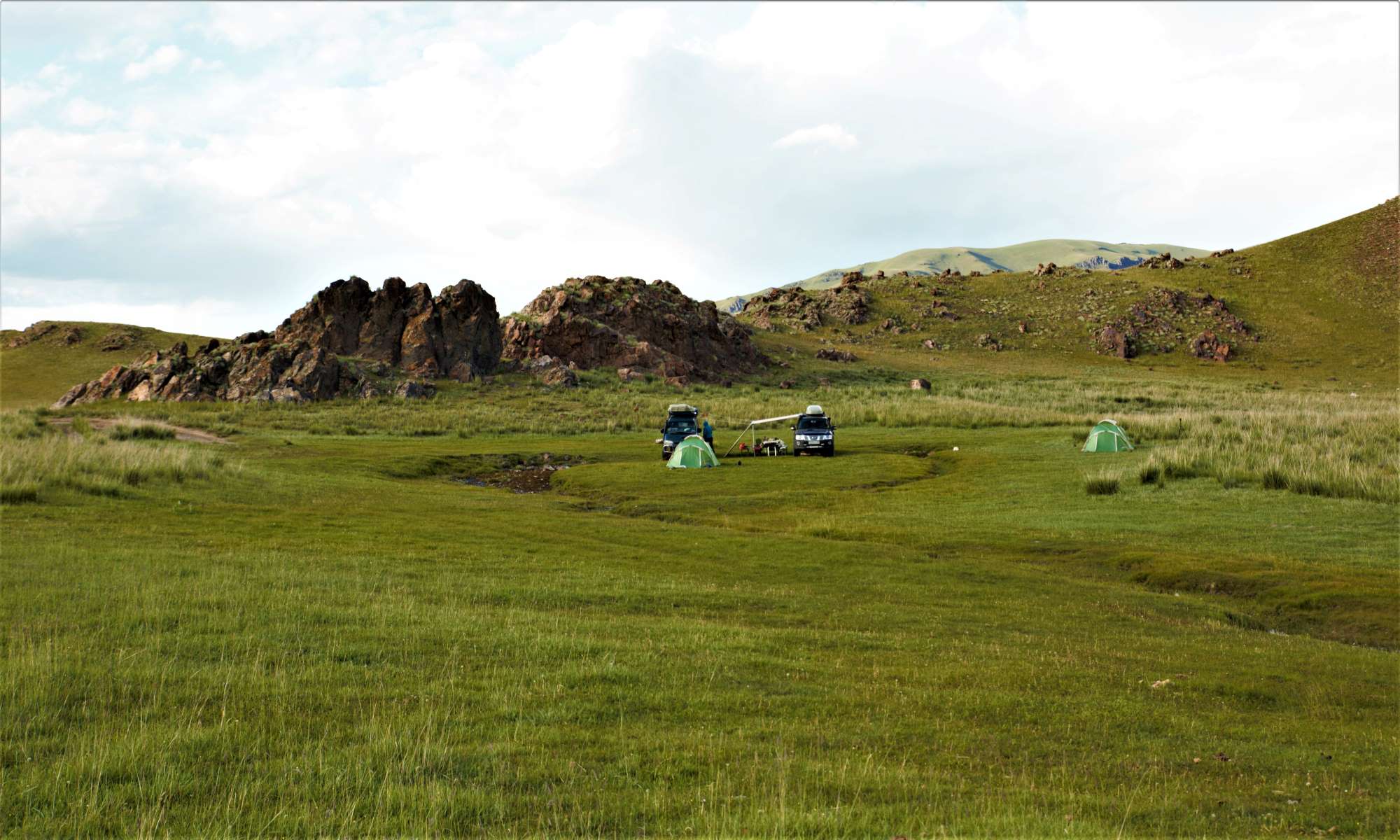
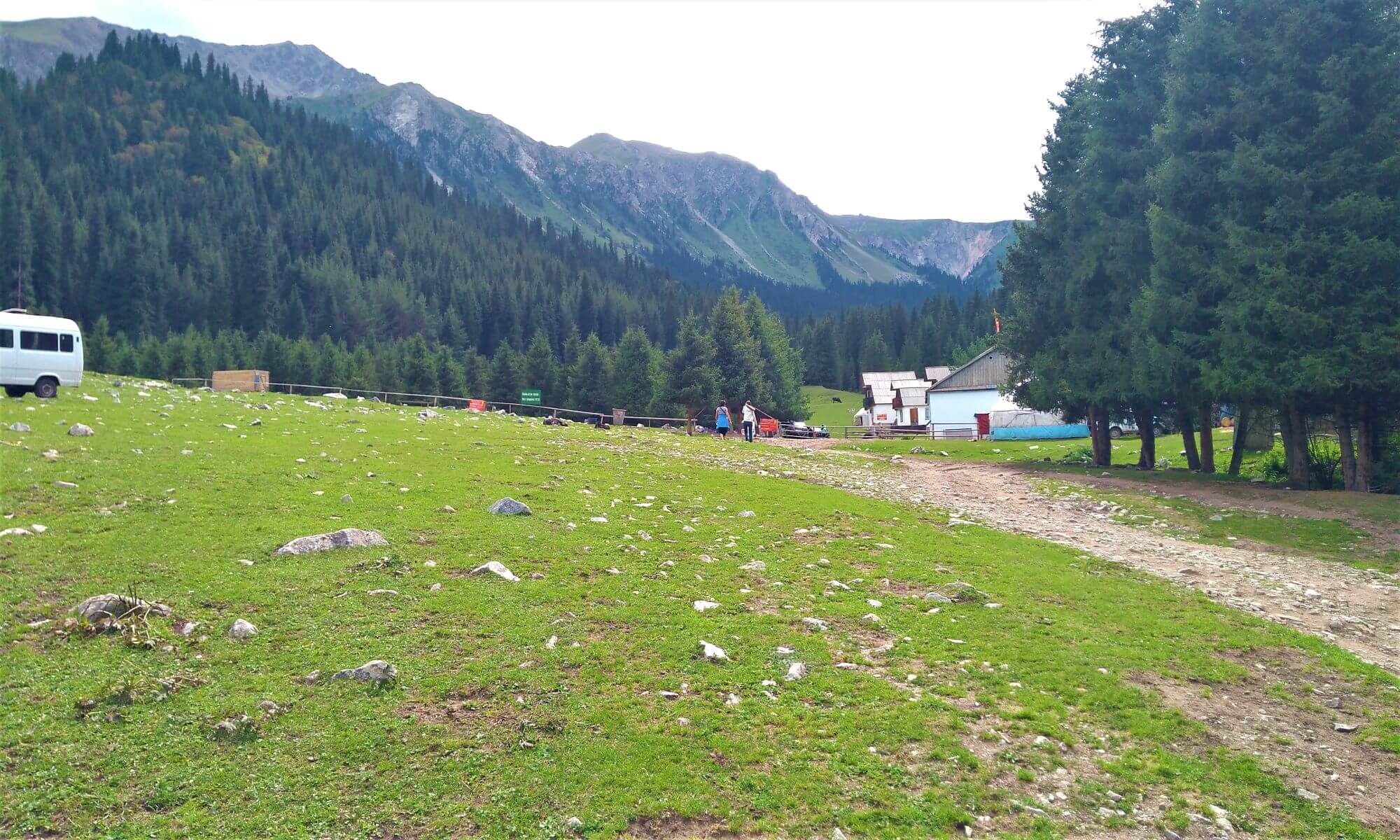
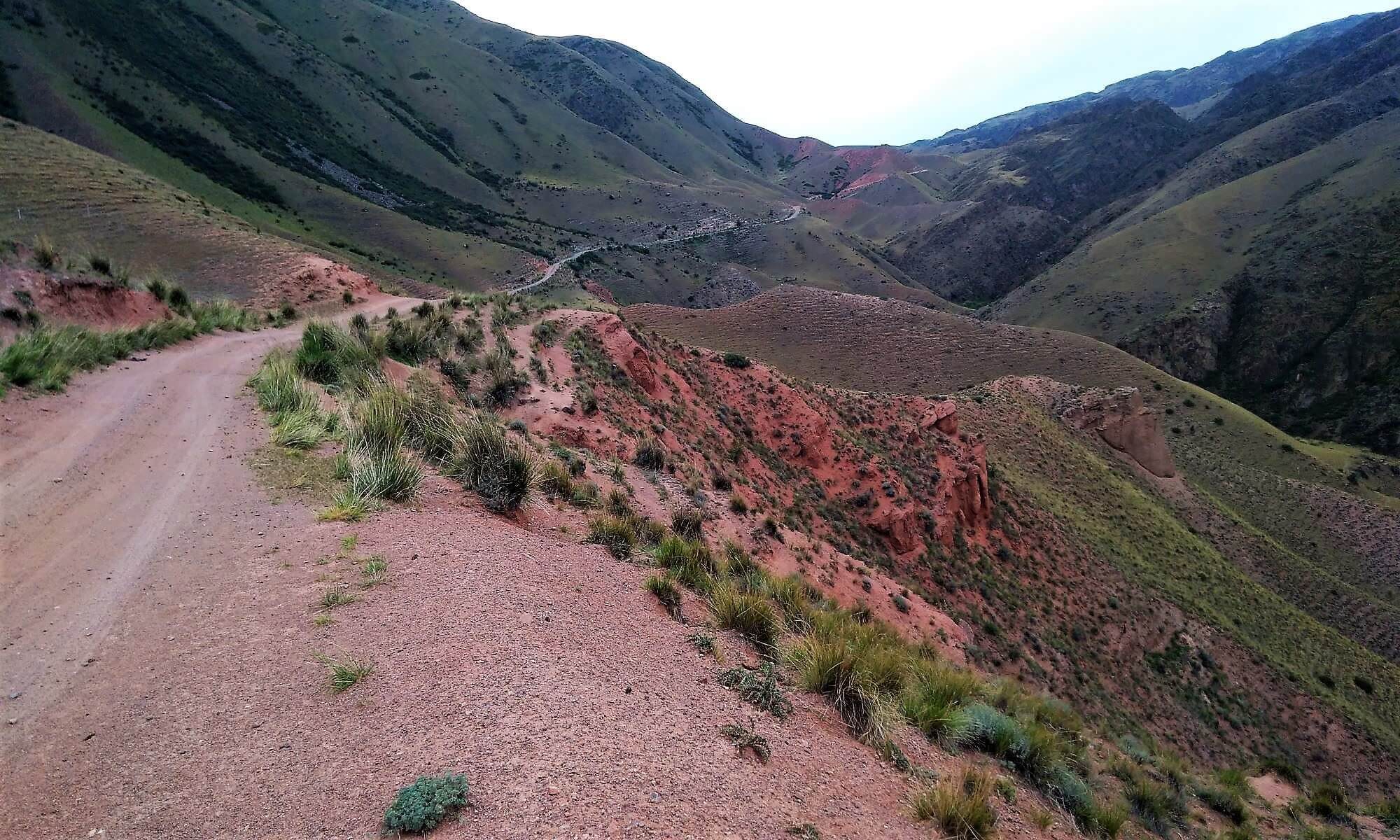
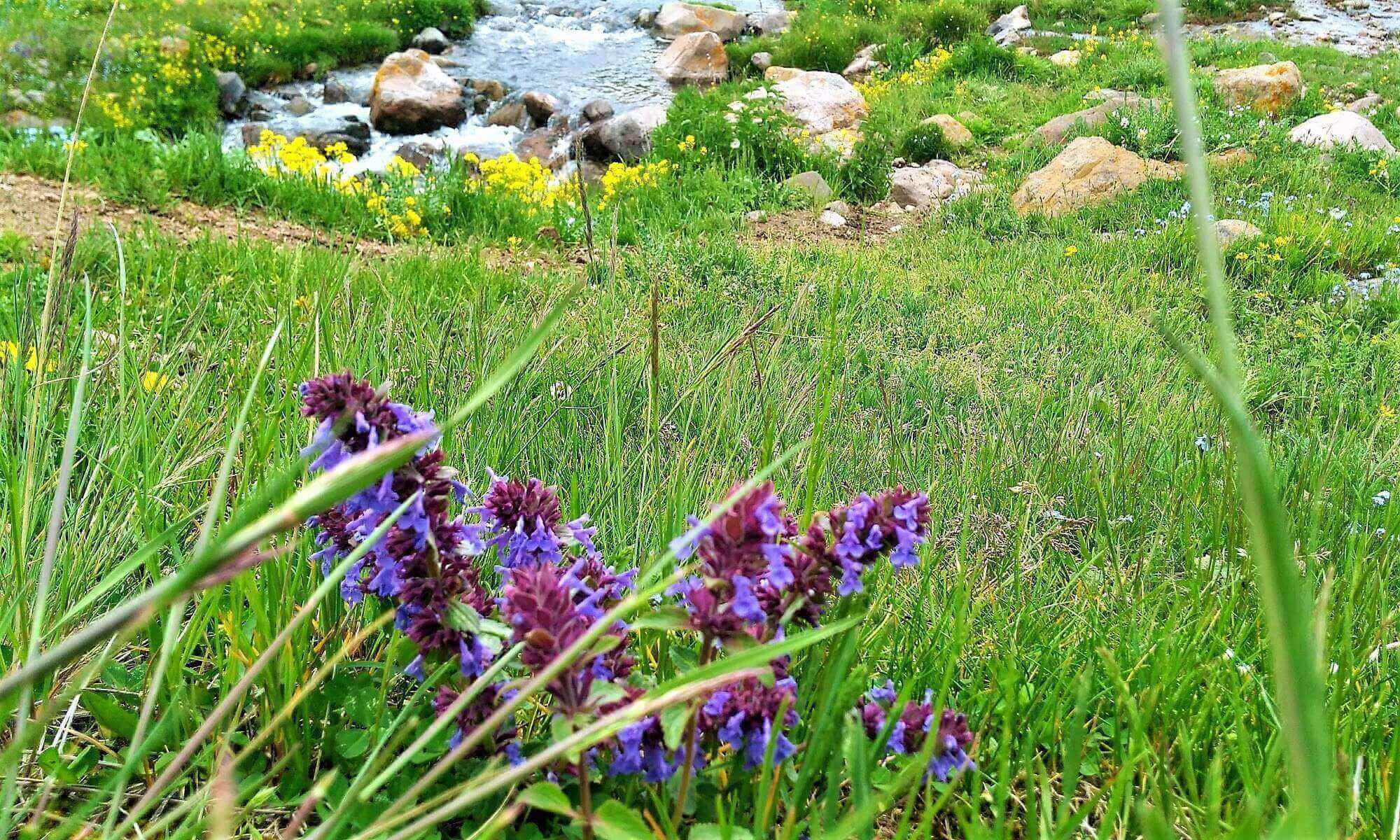
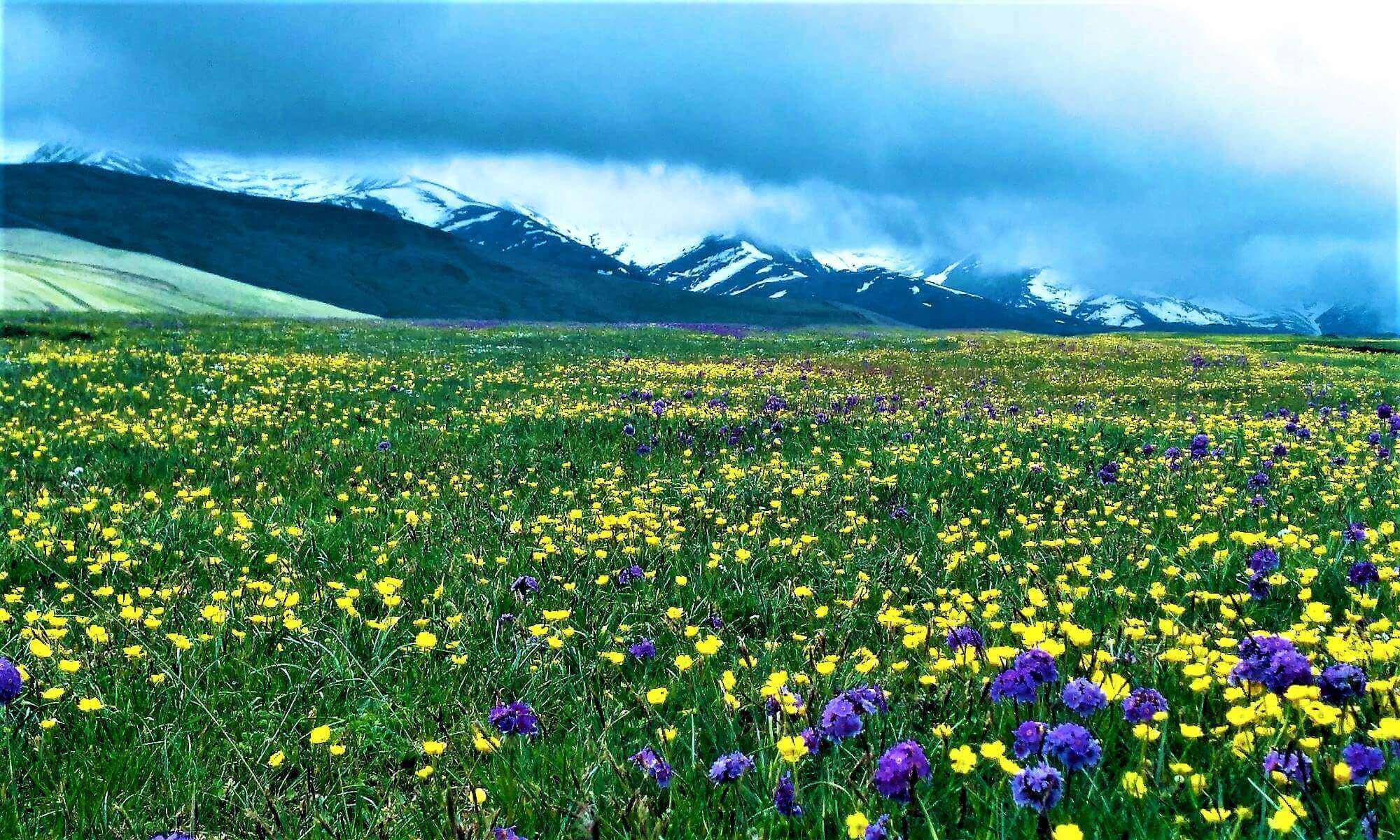
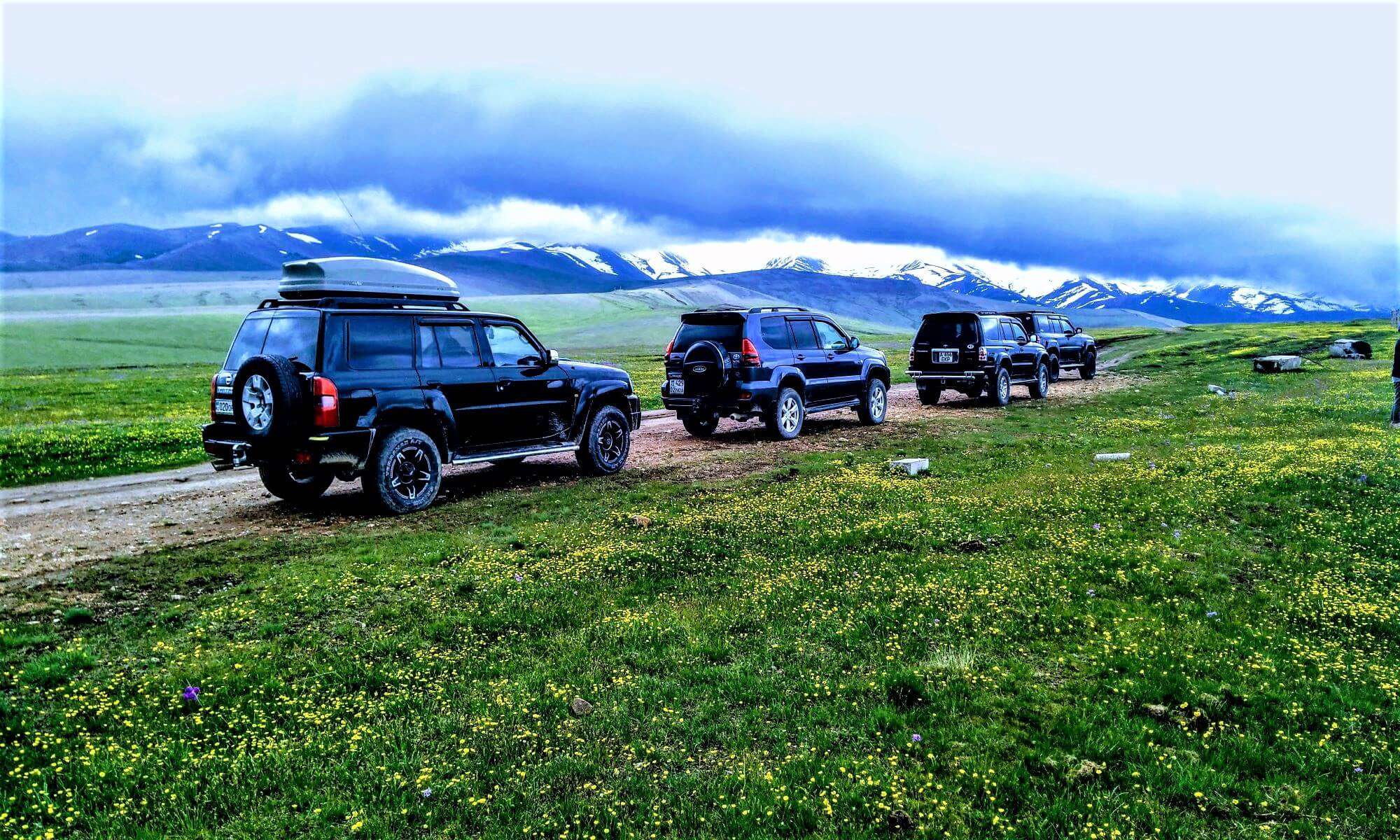
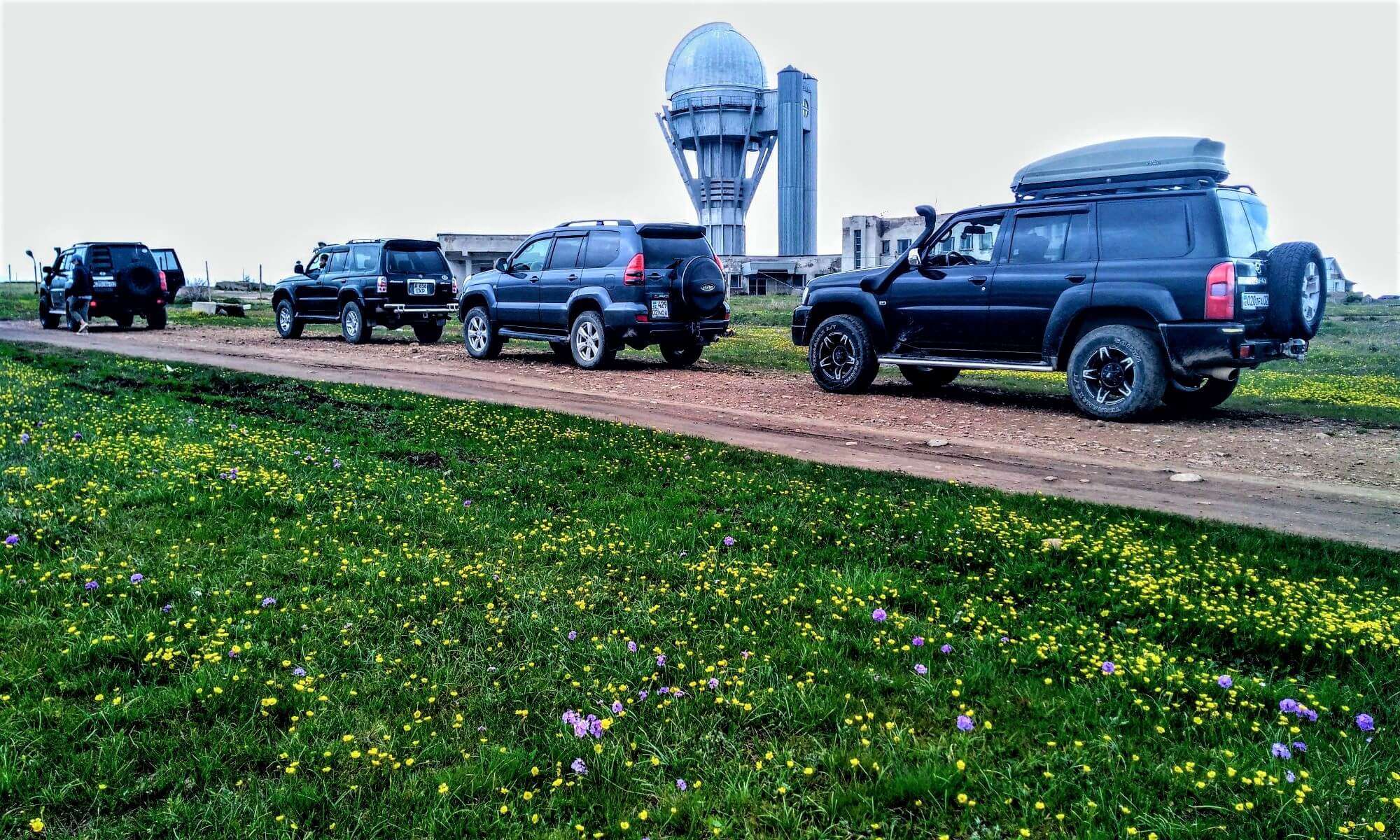
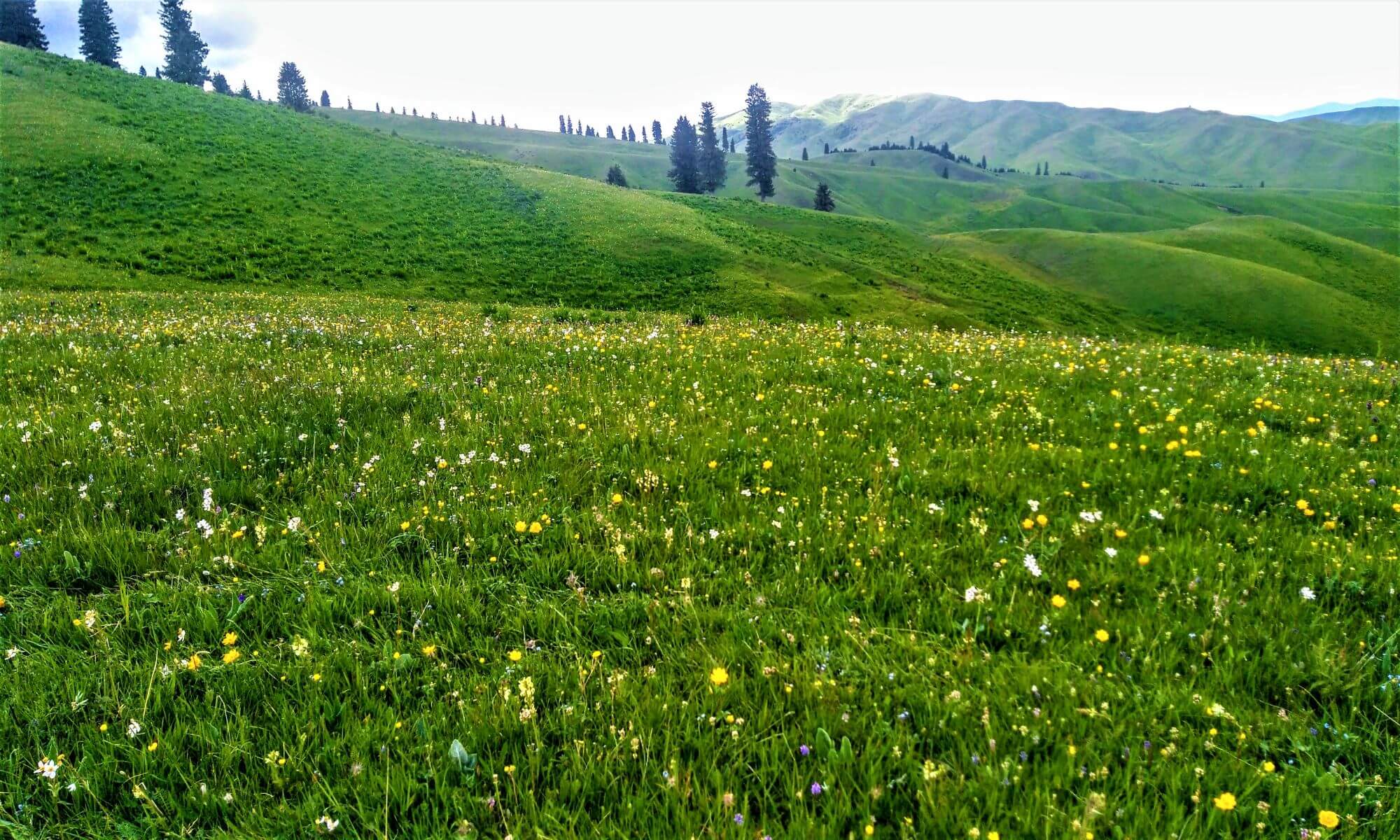
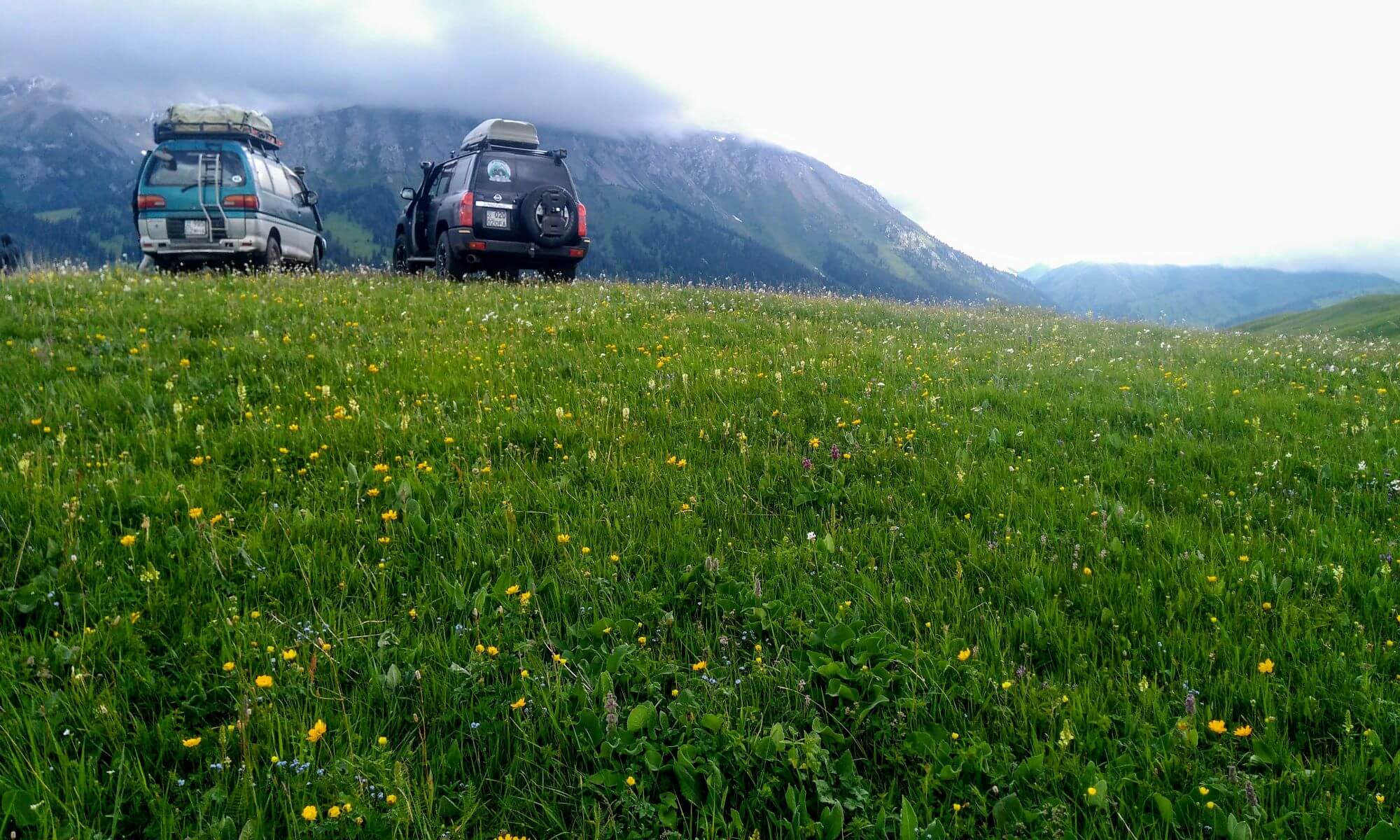
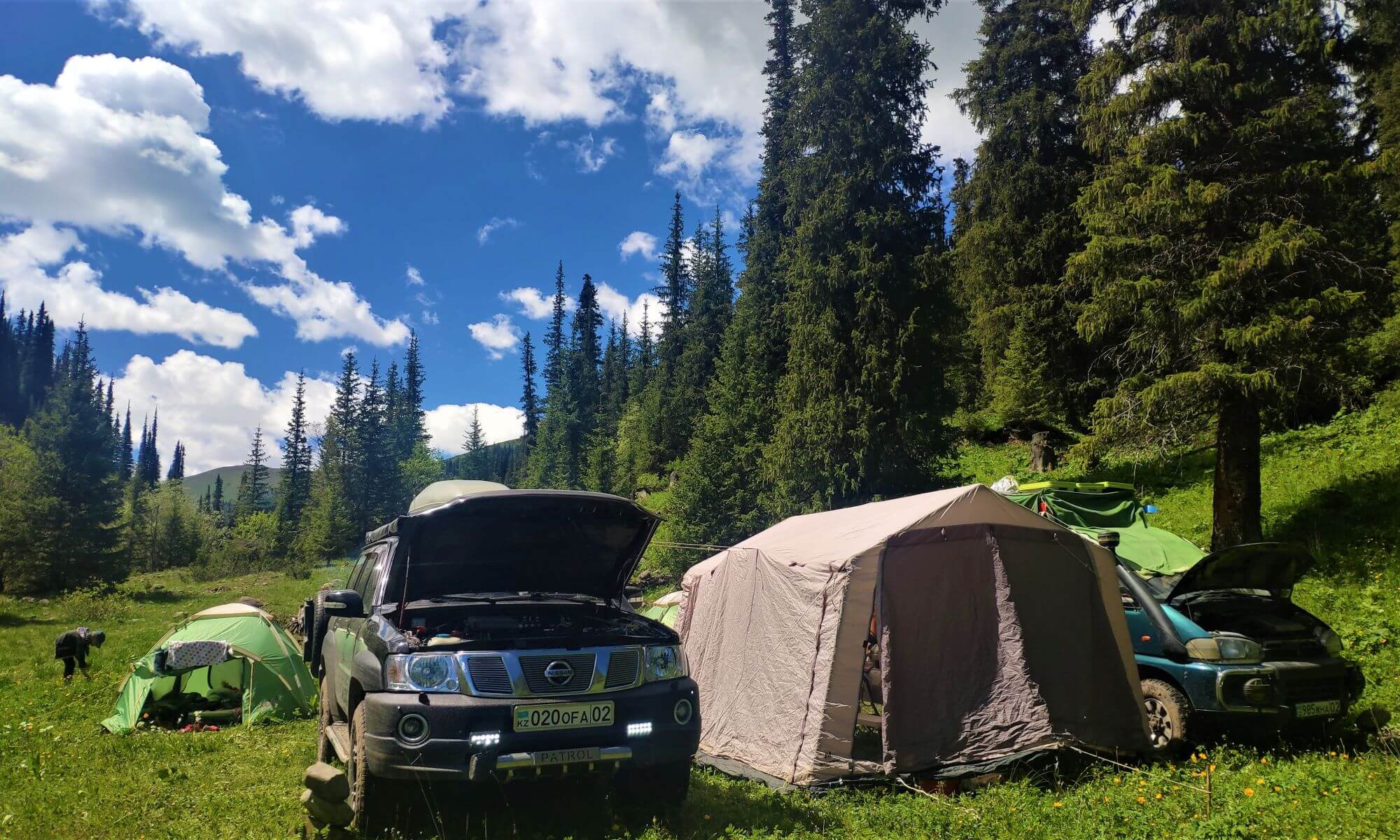
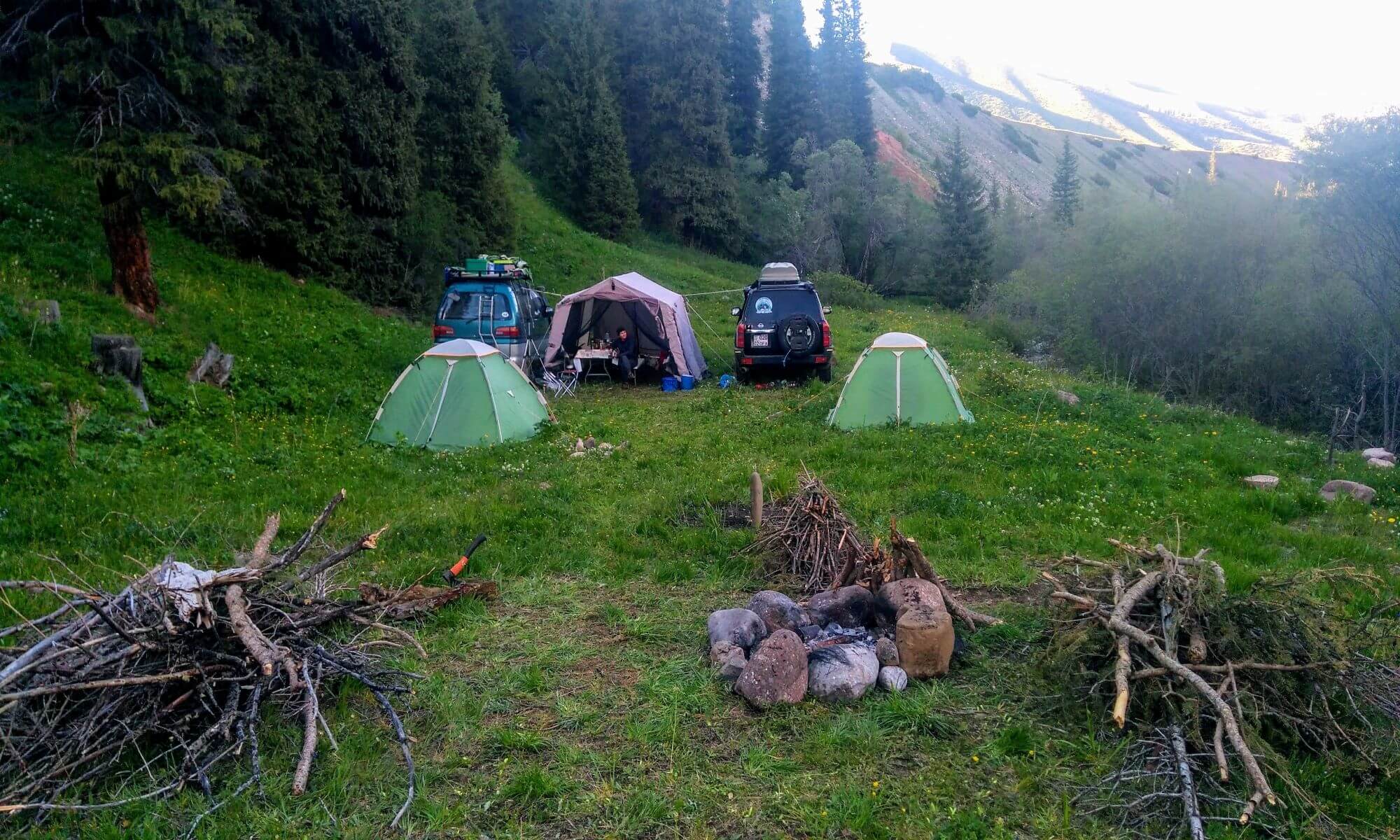
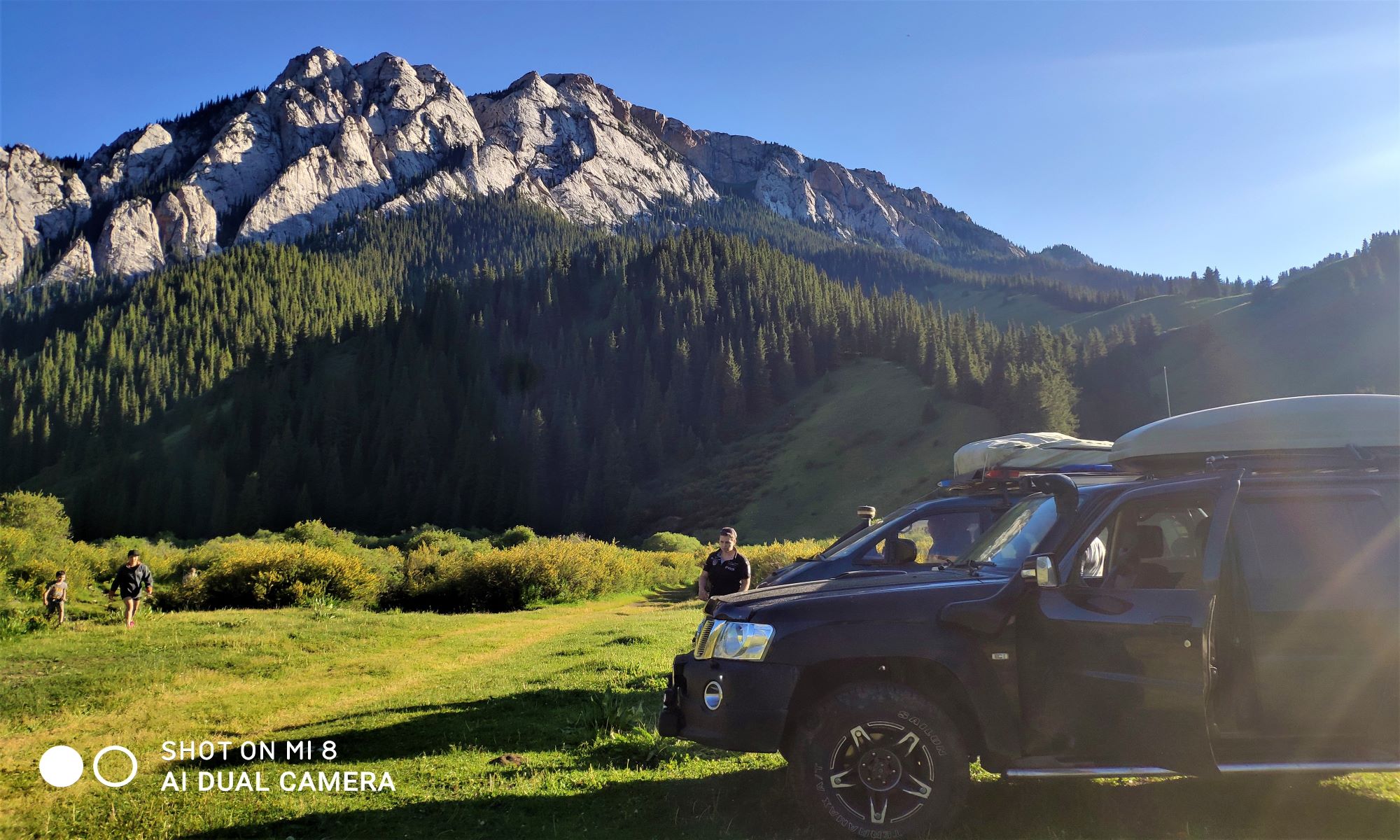
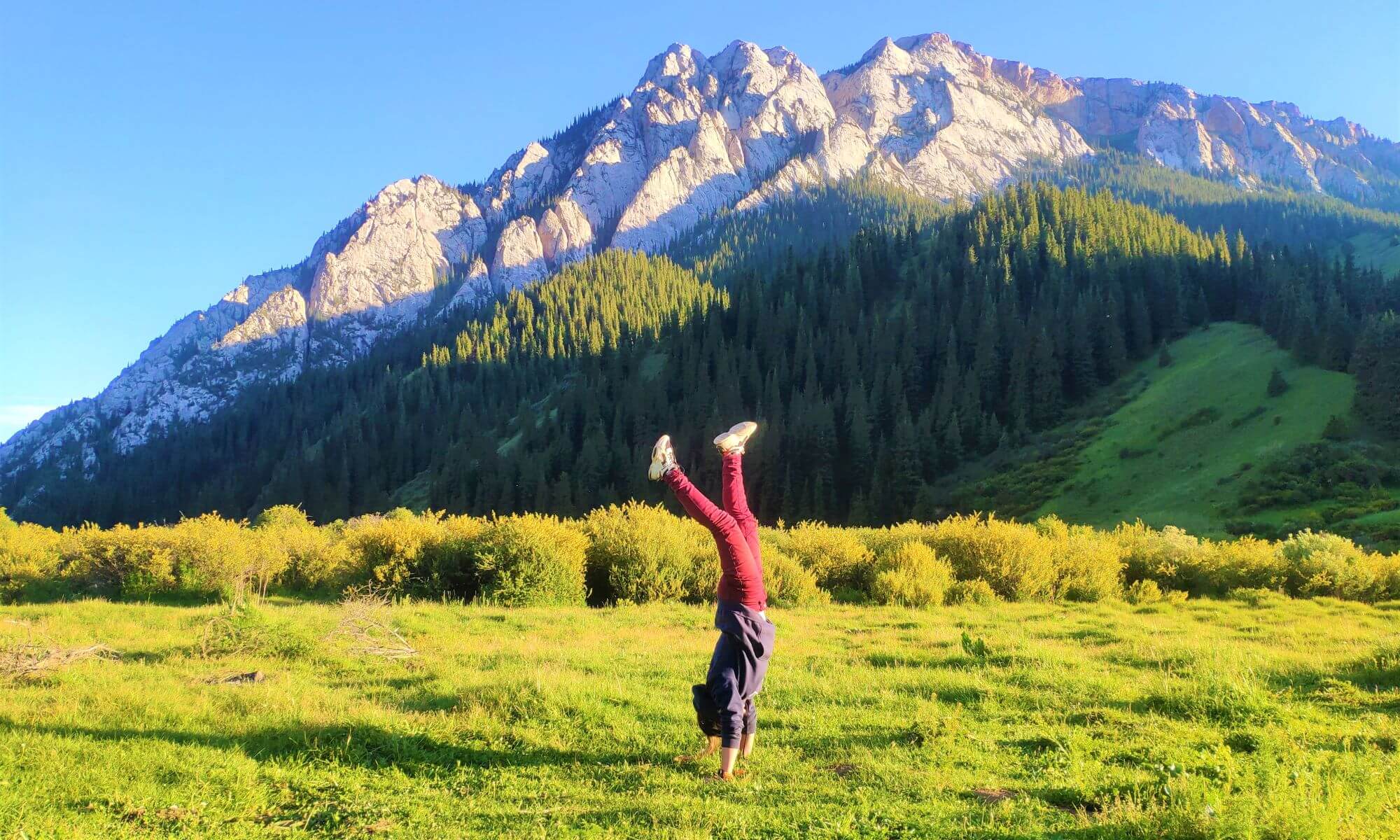
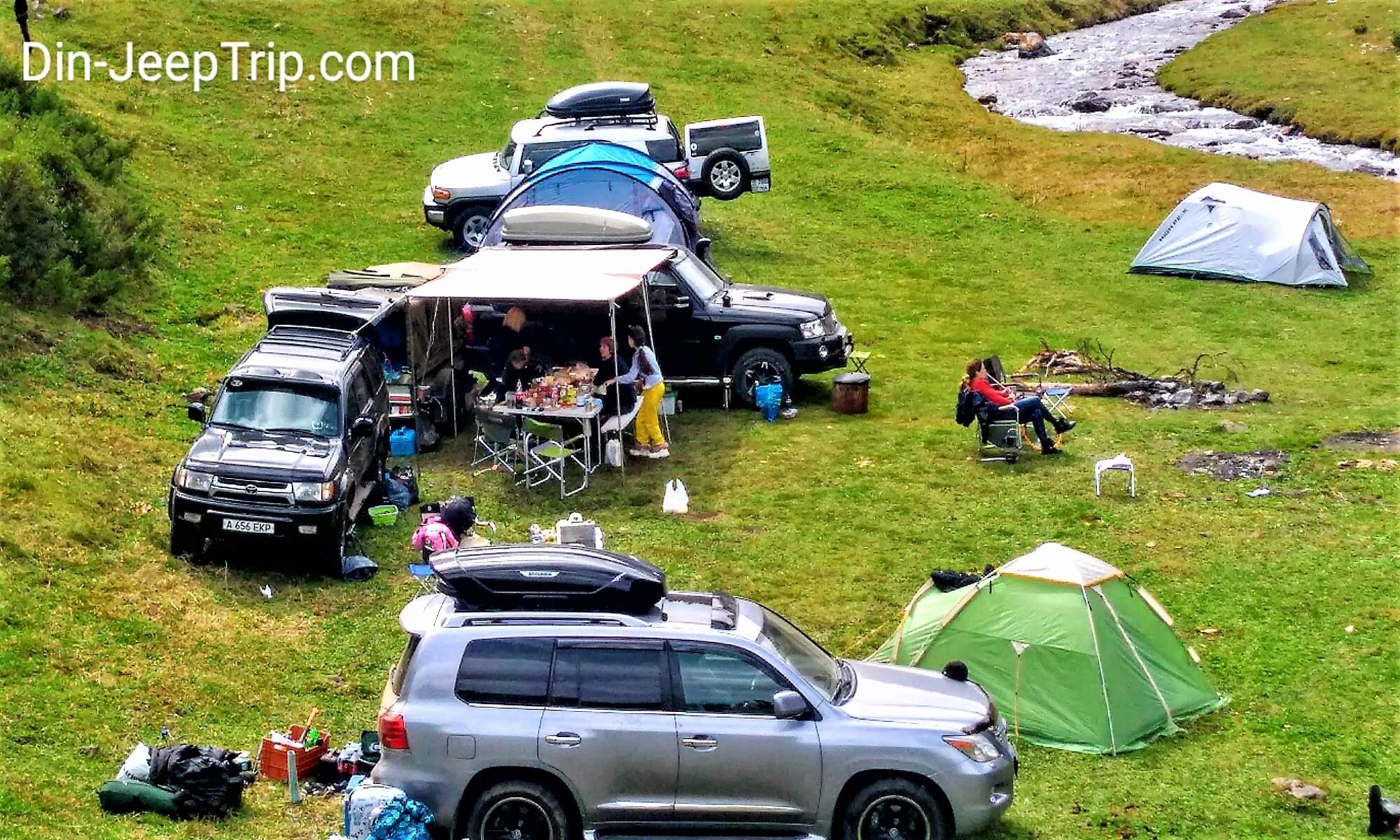
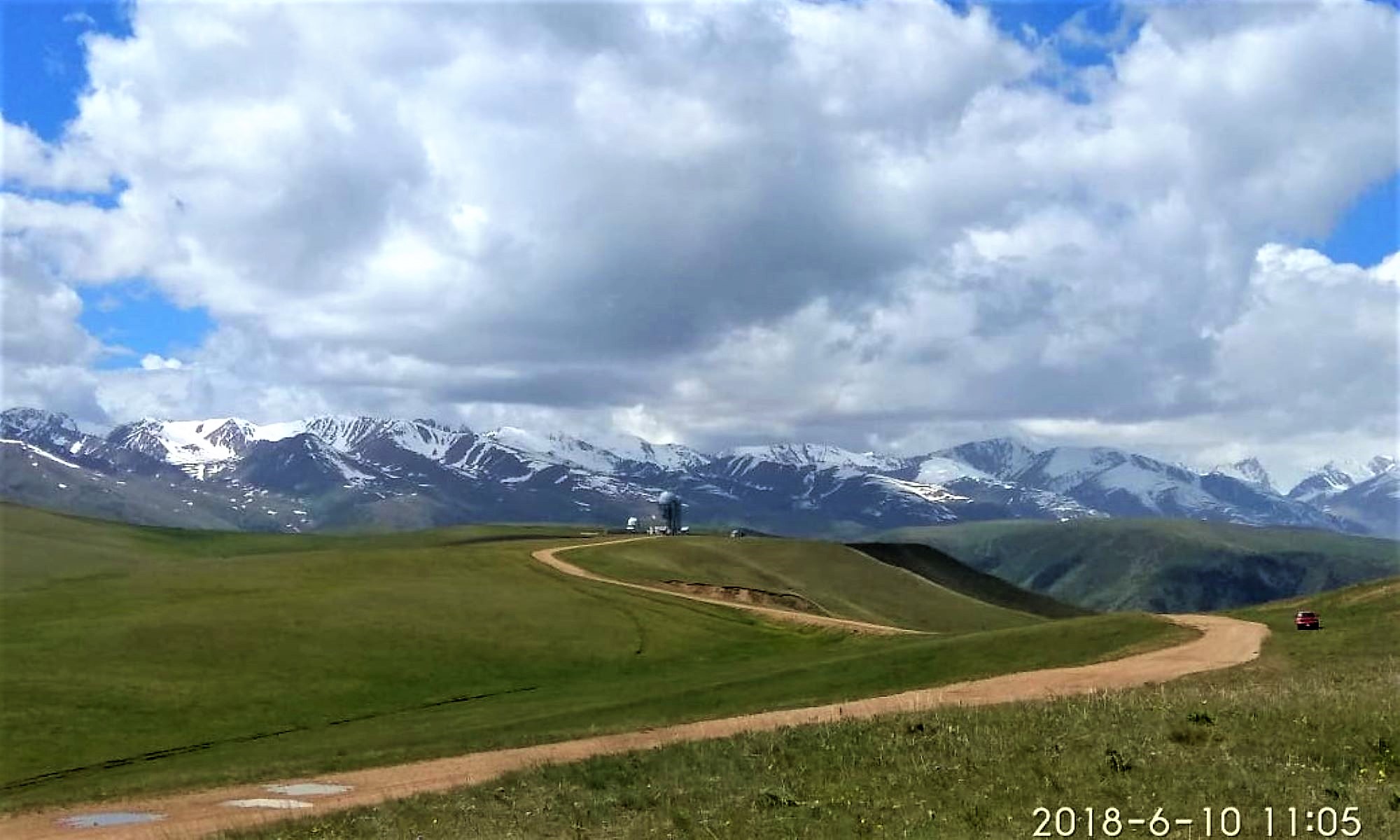
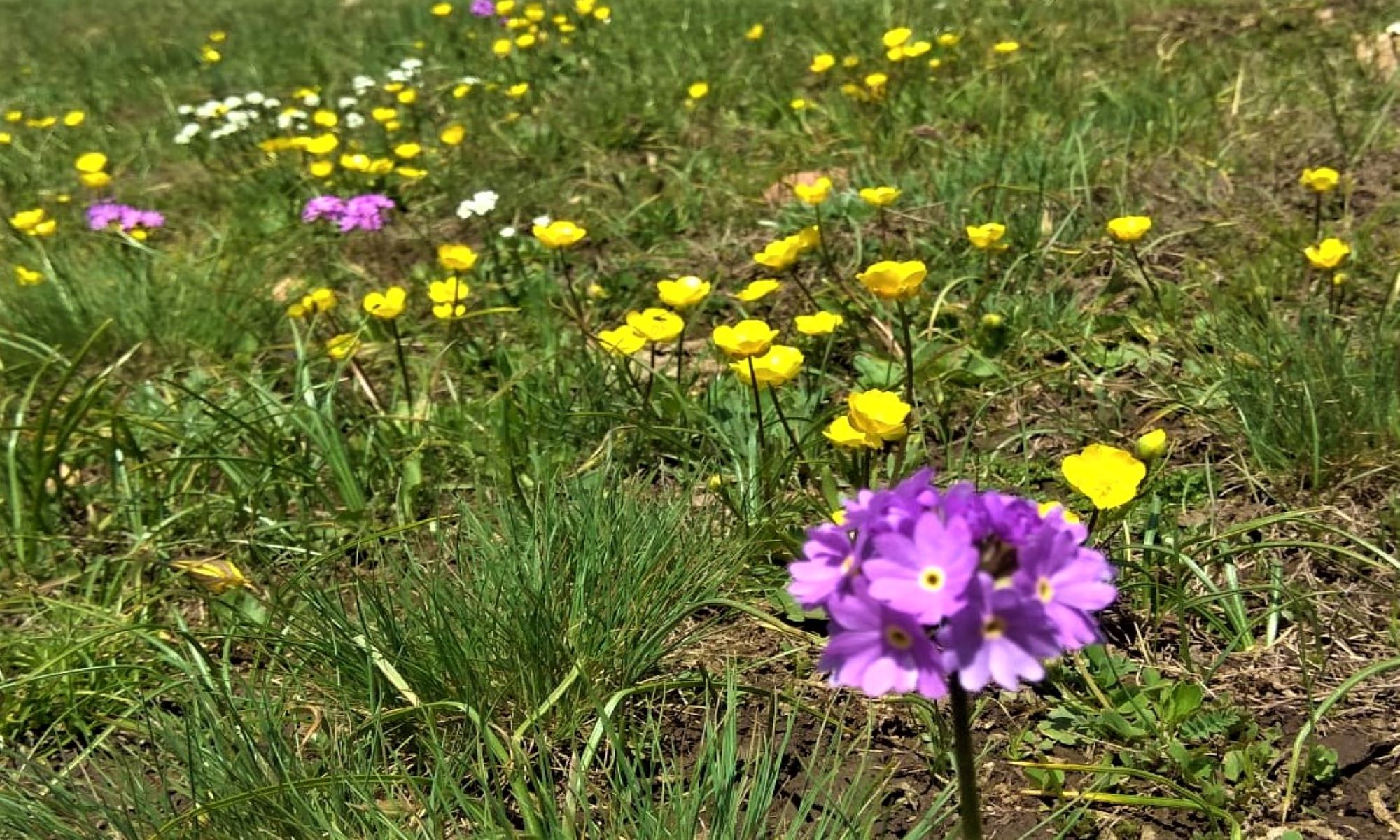
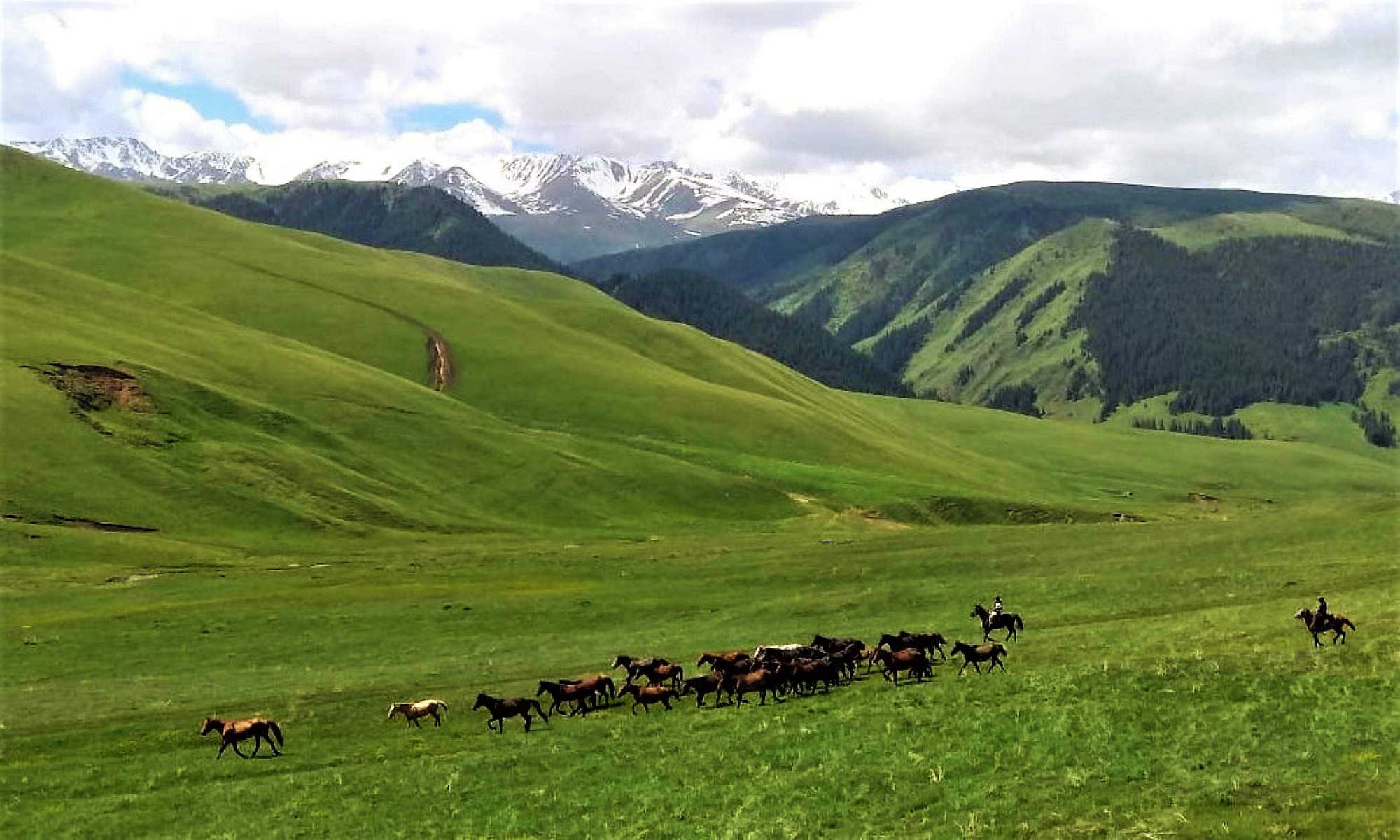
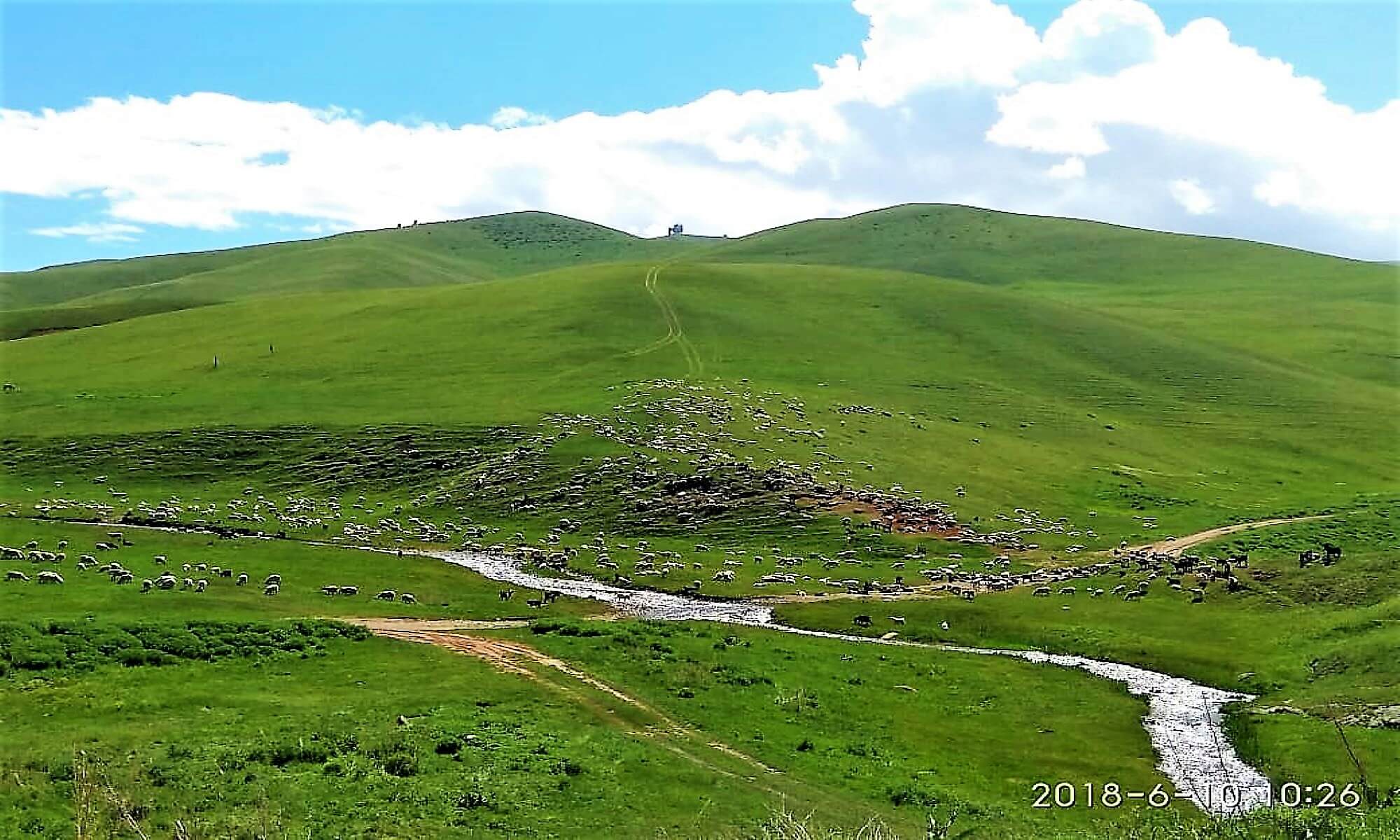
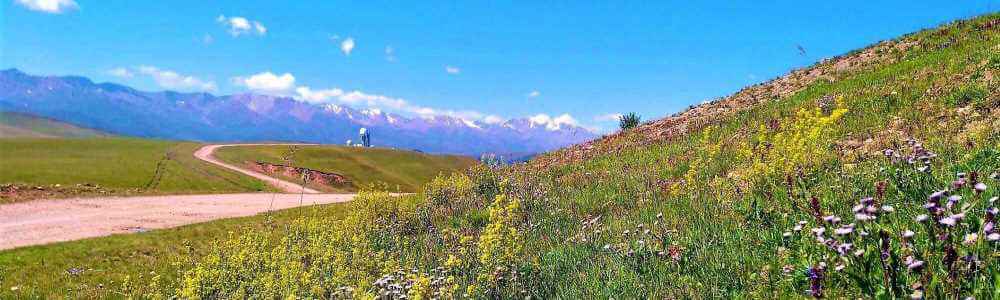 The Asy (Assy) plateau is a fairly typical intermountain valley located in the depths of the Zailiyskiy mountain range. Usually such plateaus are filled with the products of destruction of the surrounding mountains, but here there is free space, which is a wonderful zhailau (summer pasture). The Asy plateau originates from the Kishi-Turgen river and has a length of 60 km., A width of up to 10 km. Since ancient times it has been known as a summer pasture and as a place through which the routes of caravans from Europe and Central Asia to China and India ran. The plateau is an incredible intermountain valley of subalpine meadows. The height of this magnificent work of nature is from 2200 to 2600 meters above sea level. Along the river there are mounds with rock paintings - petroglyphs, reflecting religious and everyday episodes of the Bronze Age and the Early Iron Age. Smoothly passing along the Asy river from west to east, the plateau ends with an area called "Red Rocks". And even lower, the road goes to the Bartogay reservoir. Here you can find bizarre trees, beautiful flowers, picturesque hills, herds of horses grazing on flat areas, stones overgrown with moss, rivers with crystal clear water.
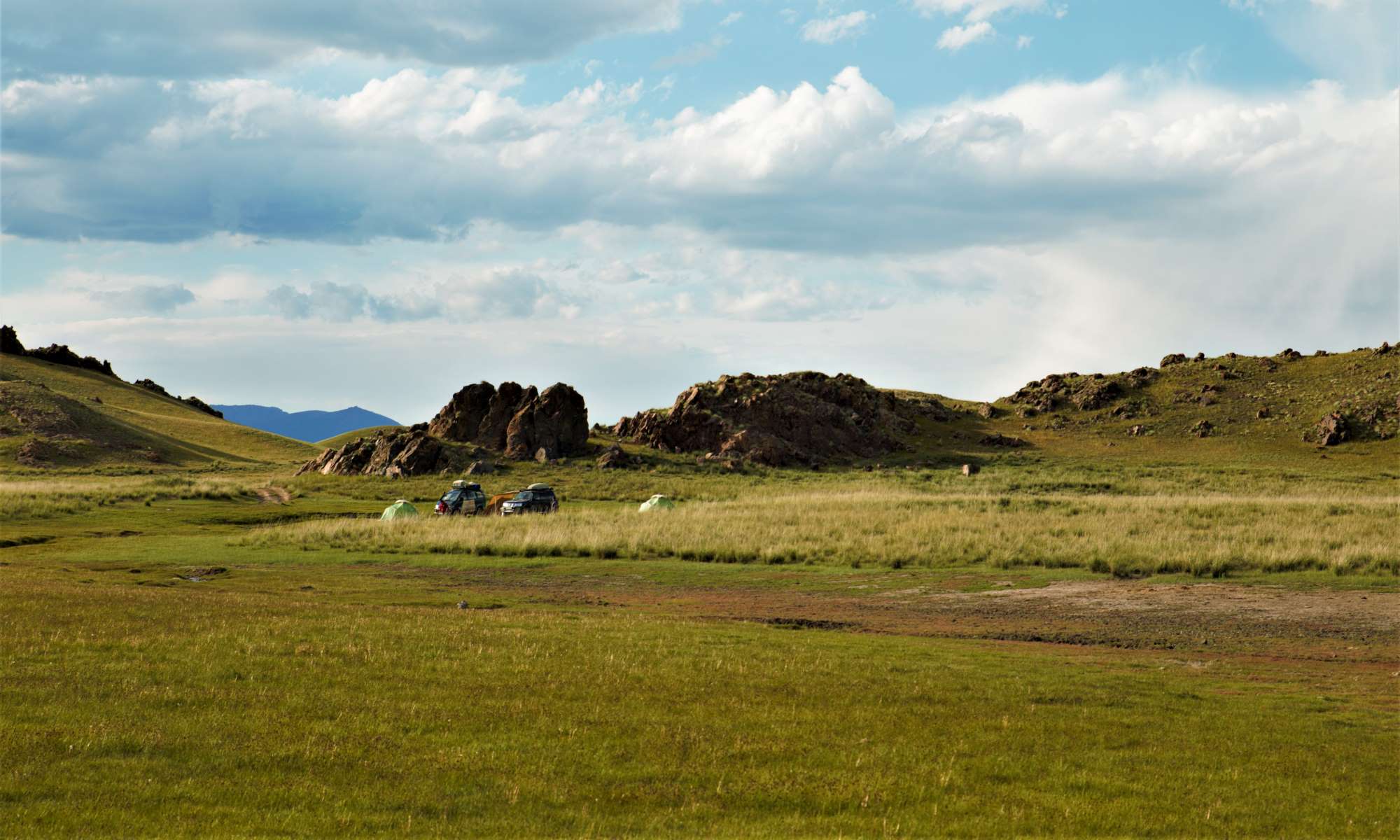
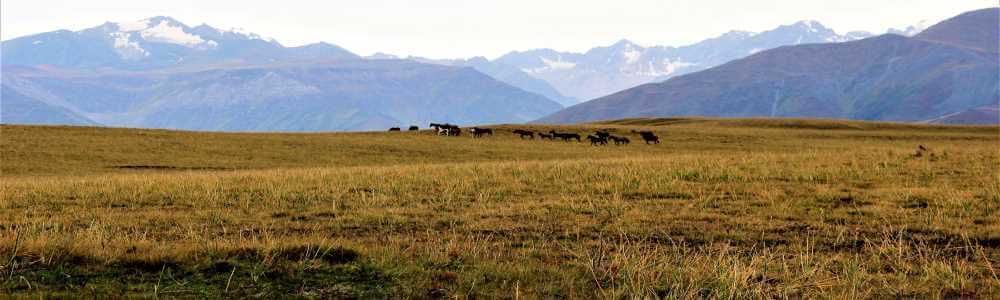 The Dalaashik valley between the Chilik and Zhinishke rivers runs parallel to the Asy plateau. It is translated from the Kazakh language as “open steppe”. The valley is similar to the Asy plateau in terms of landscapes, altitude and climatic conditions, the only difference is that Asy is located between the mountains, and Dalaashik is on a hill between the rivers. And the main difference is that Dalaashik still remains an absolutely wild place, where urbanization has not yet reached, unlike the Ases.
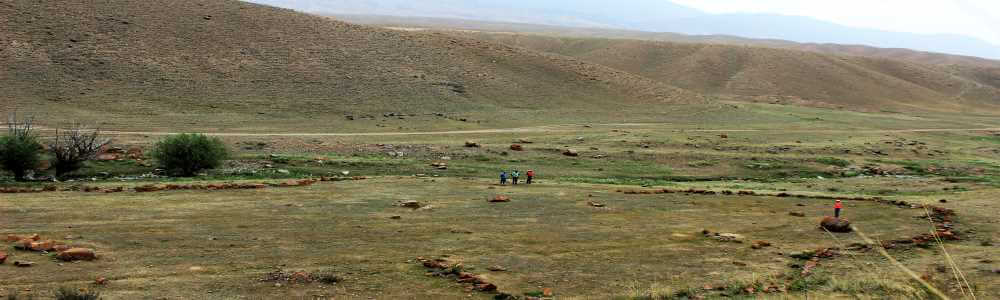 The Sarytau valley is a kind of "bridge" between the Dalaashik valley and the Asy plateau, which allows you to connect all three locations in one tour, without going twice along the same route. A feature of the Sarytau valley is the many traces of ancient settlements, as well as burial mounds and cemeteries, which are still unknown to science.
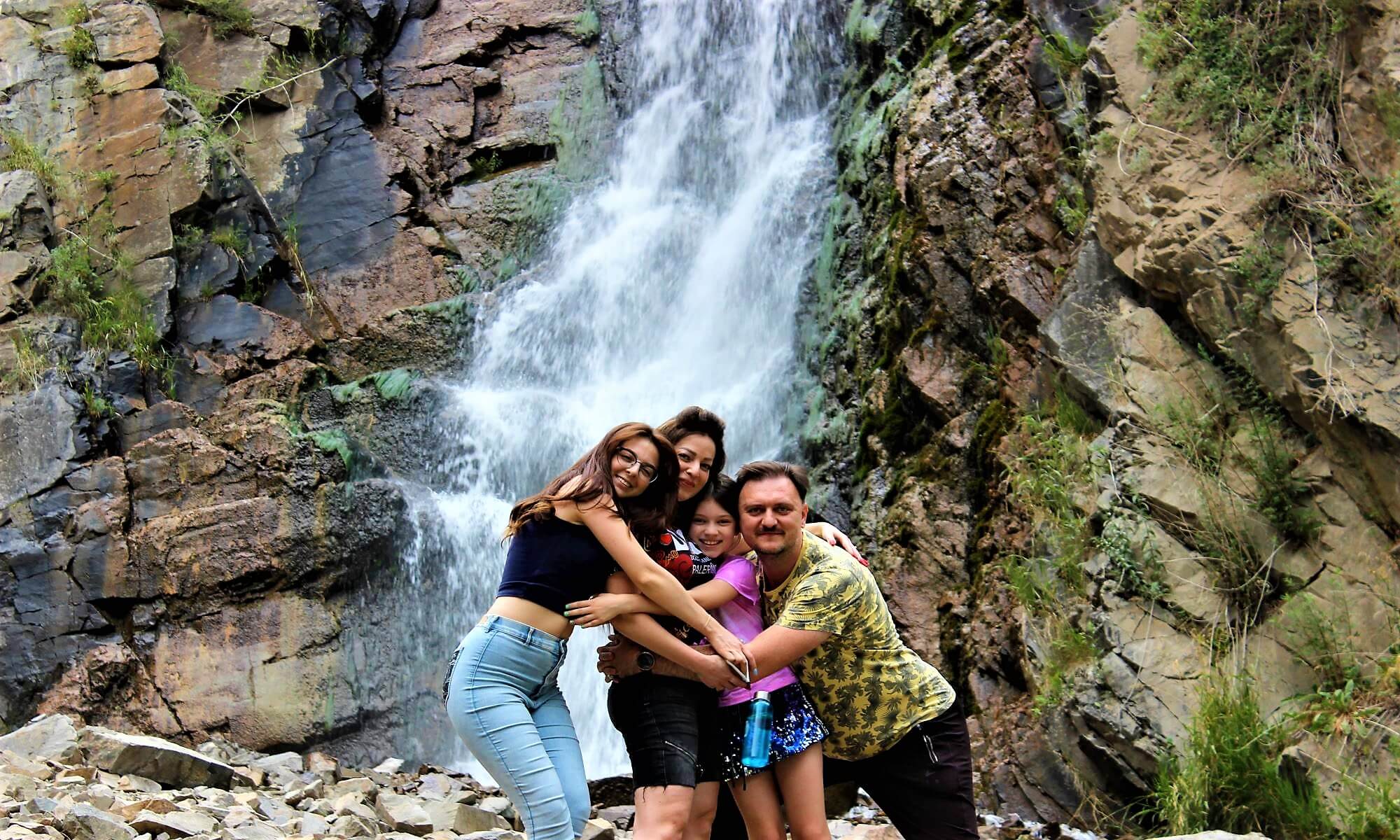
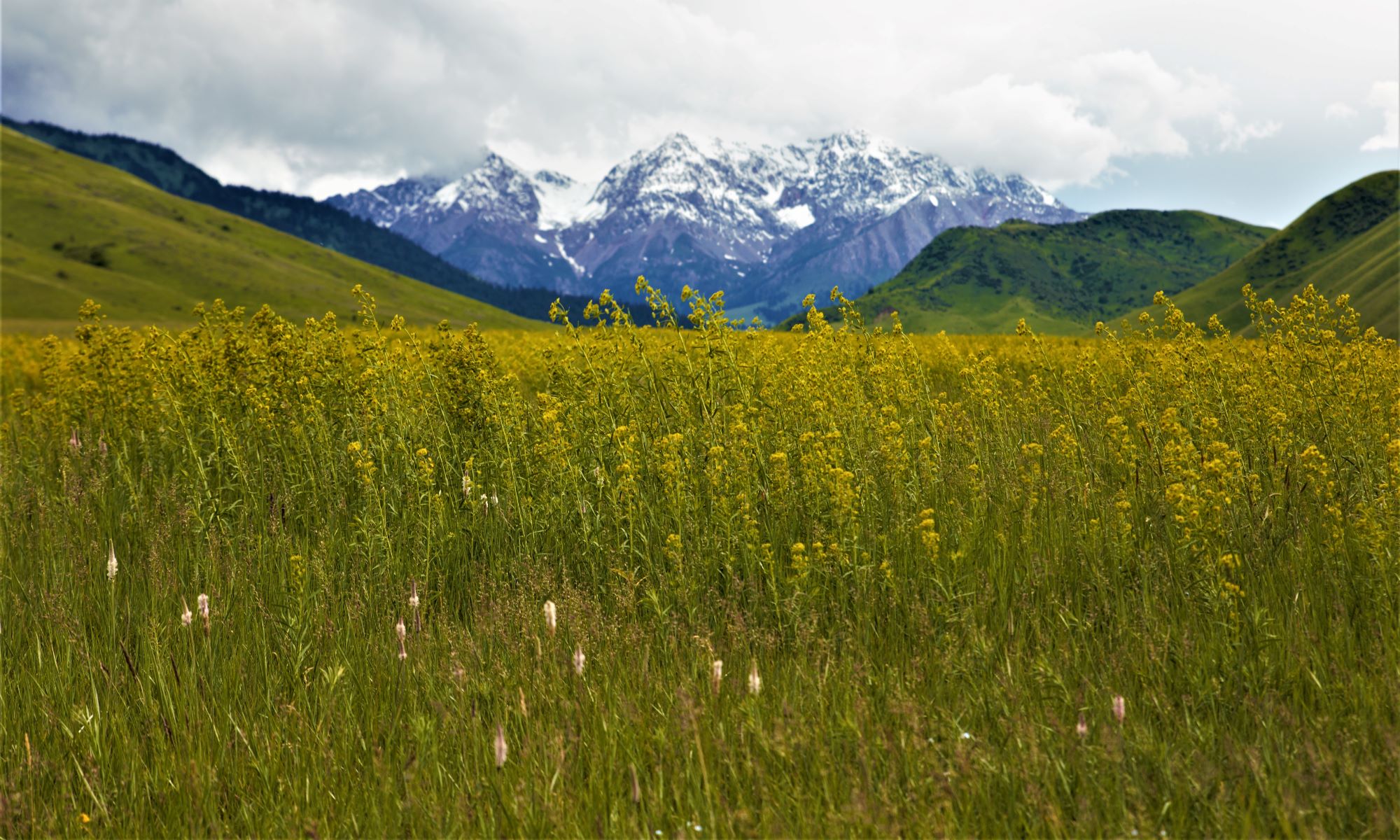
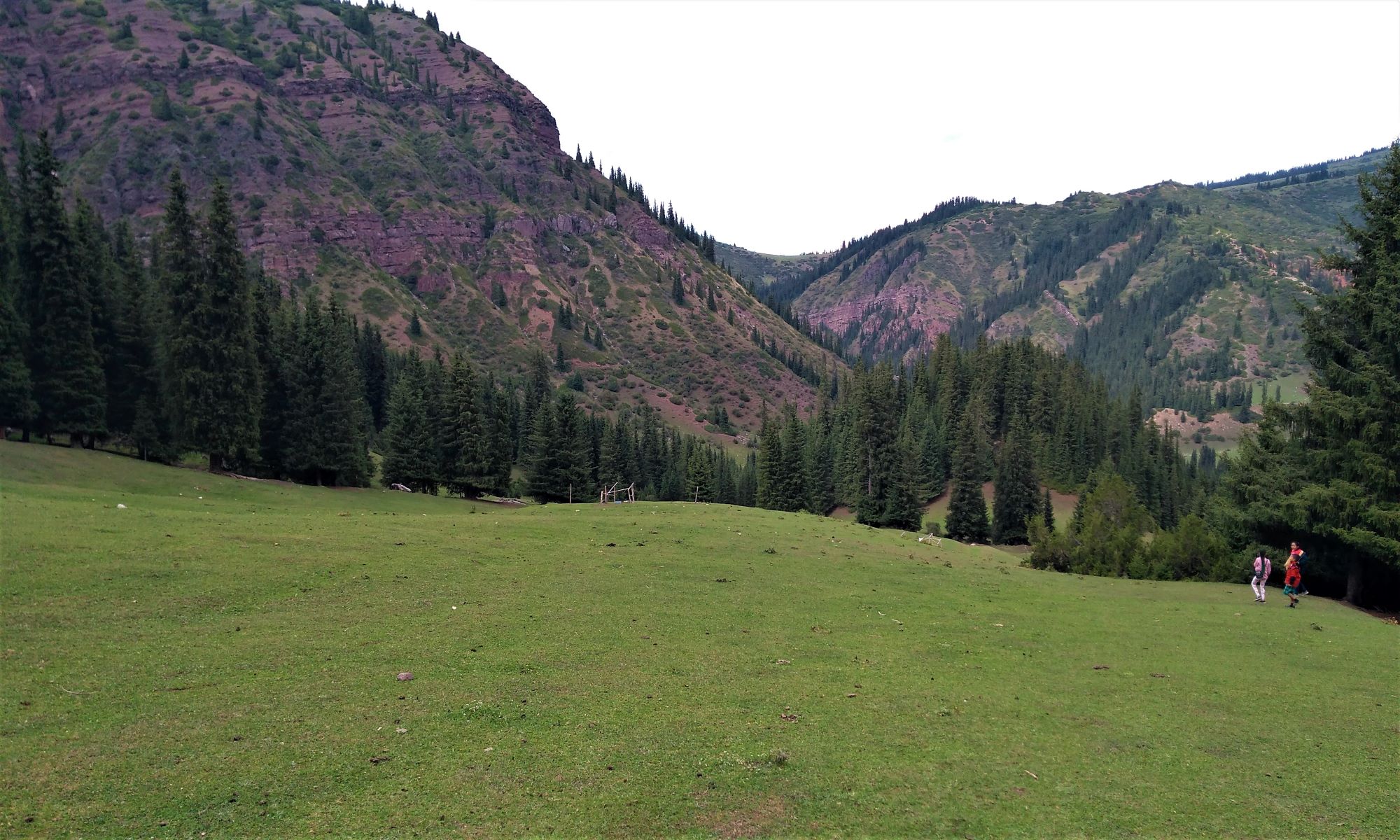
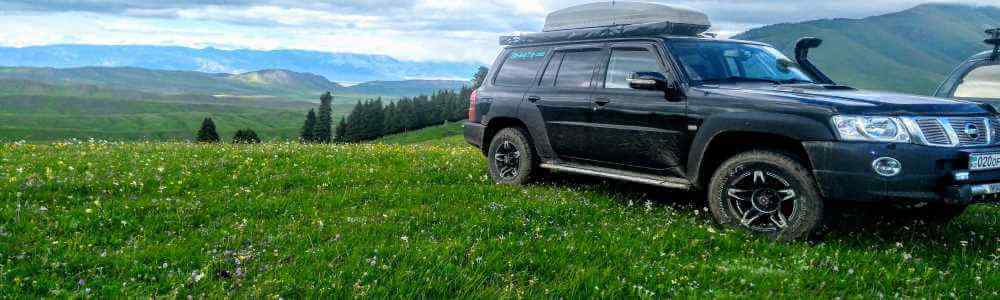 The high-mountain valley Tekes stretches along a wide green carpet along the Tekes river of the same name. Tekes begins on Kazakh territory, then goes to China and returns in the form of the Ili River. The valley deserves attention in itself, and its pearl is the most beautiful waterfall in the Almaty region. The slopes covered with Tien Shan spruce, snowy peaks in the background, colorful wildflowers ... all this is the Tekes valley.
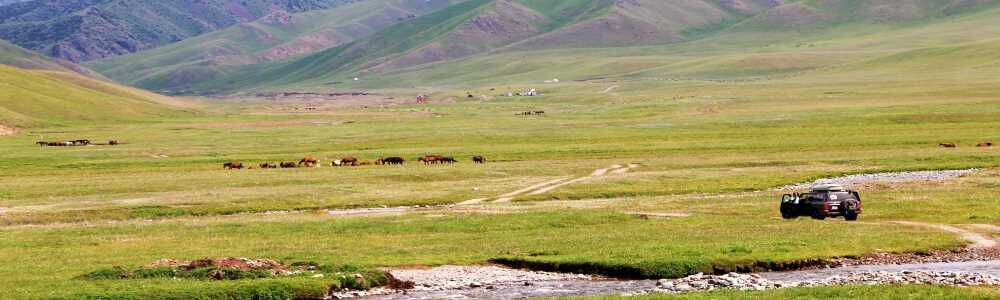 Shalkode Valley - this immense jailau is the largest valley in the Kazakh part of the Tien Shan mountains. It stretches for more than a hundred kilometers and is 30 kilometers wide. With its immense size, Shalkode is almost twice the Assy plateau in Turgen. The highest point of the valley is located at an altitude of 2,700 meters above sea level. From the north, Shalkode borders on the Ketmen mountain range, the gorges of which are incredibly beautiful. There you can see edelweiss - mountain flowers that have become a symbol of climbers and mountain tourists. Many travelers who have visited this area compare it with Switzerland, and in favor of a Kazakhstani attraction.
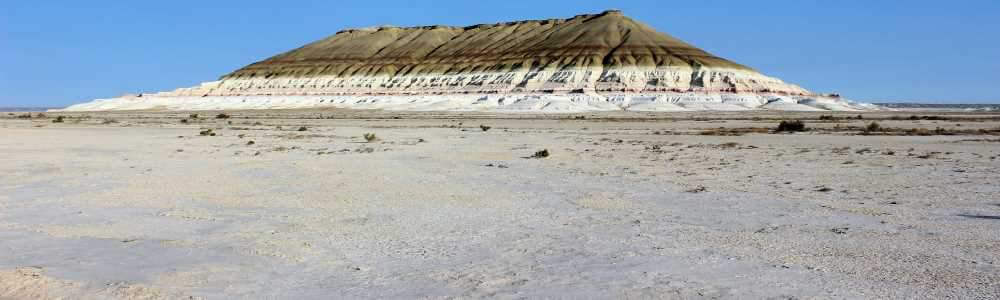 The Ustyurt plateau is located in Western Kazakhstan. Almost the entire area of the plateau is occupied by saline deserts, and some call it “white Kazakhstani Arizona”. There is almost always an exhausting, constantly changing wind. There is no water (except for a few wells), and therefore no vegetation. But the Ustyurt plateau attracts more and more tourists over the years, despite its lifelessness! In ancient times, the Tethys Sea raged on this place, and at the moment the plateau is a real find for people interested in paleontology! There you can find a variety of fossil accumulations (individual layers of the plateau are entirely composed of shell rock), the remains of mollusks and sea urchins, fossilized corals and much more. Scattered throughout the plateau are dozens of sites of primitive people and their cemeteries. The remains of the most ancient settlements of civilizations, still unknown to modern scientists, have been preserved here. The plateau remembers the Scythians and Mongol conquerors, it found the great migration of peoples and saw caravans going along the Great Silk Road. The chalk-limestone slopes of Ustyurt are a fascinating sight. It is not surprising that these places attract fans of photo and paleontological excursions. Here a person gets the feeling that he has fallen into a wonderful world of unreality. And it's better to get there by jeeps - the places here are wild. You can drive hundreds of kilometers and not meet any roads or people.
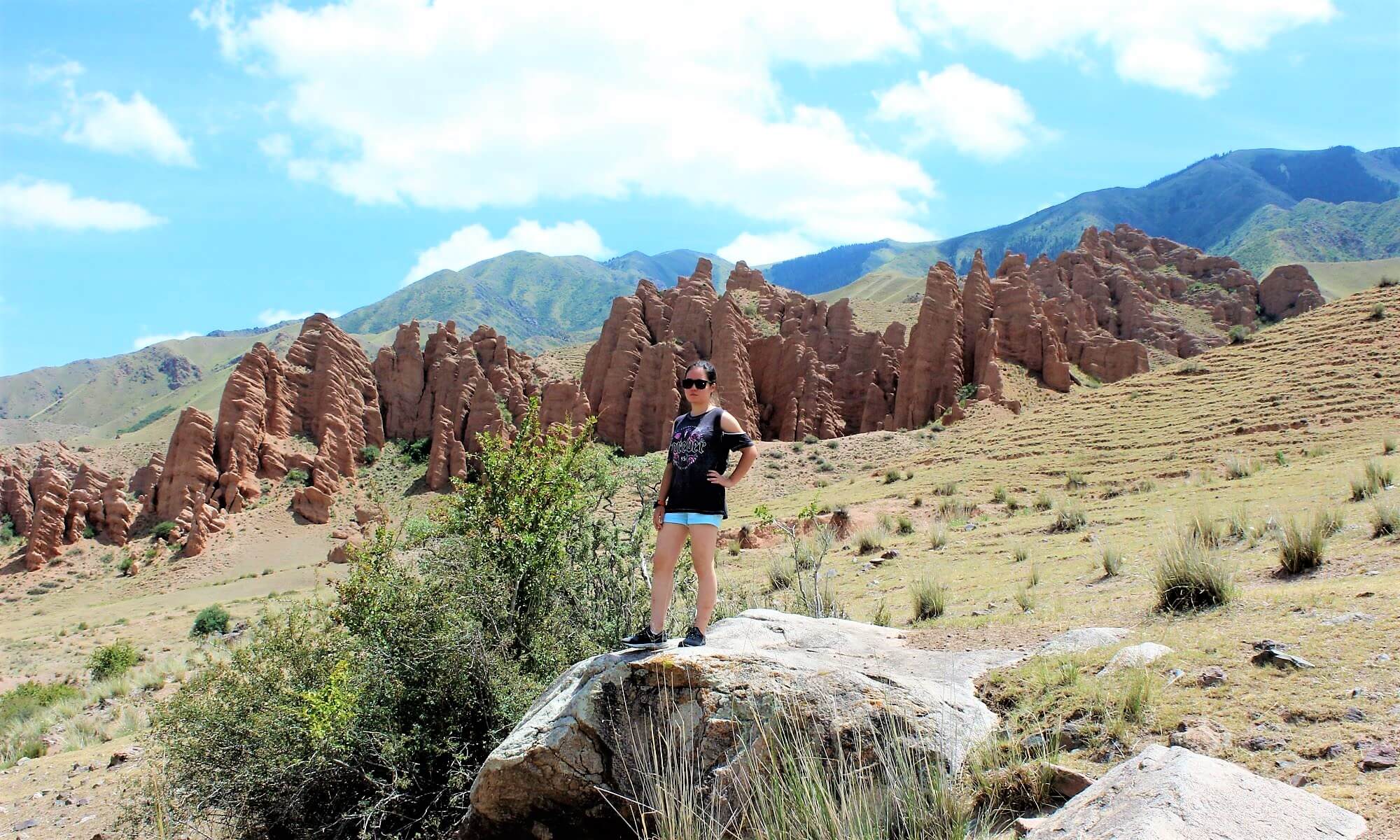
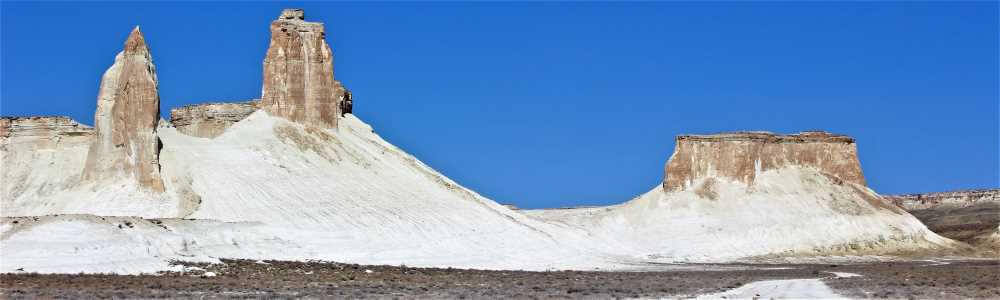 The Boszhira valley is located on the Ustyurt plateau and should be distinguished as a separate subtopic. This is one of the most beautiful places in Kazakhstan, which is a whole range of rock formations of different sizes and shapes. There is also a mountain of the same name, the height of which at its peak reaches 287 meters. The entrance to the tract is preceded by a kind of "fangs" - outliers, which have become the hallmark of these places. Boszhira is striking in its scope and is imprinted in the memory for a long time. Among such scenery, cars and people seem almost like toys. However, nothing in nature stands still. The landscape continues to change. According to researchers, in about 5000 years the rocks will disappear, and the landscape of Boszhira will again change beyond recognition.
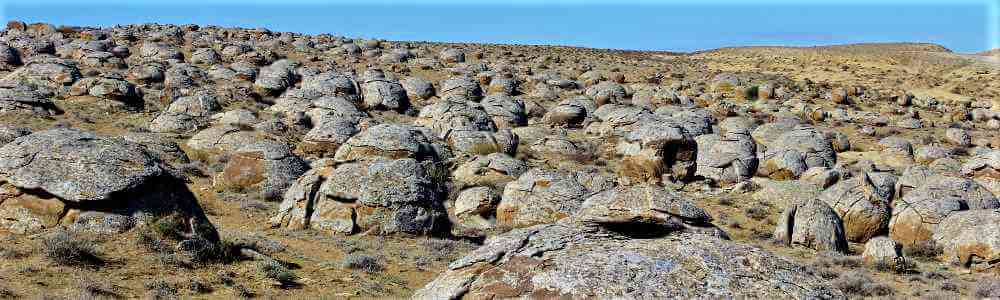 Another attraction of the Ustyurt plateau and the Mangystau peninsula is the Valley of Balls in the Torysh tract, or the place where the Gods played bowling. In the desert landscape of the tract, these huge balls up to four meters in diameter look impressive. Ball nodules have always amazed, attracted and gave scope for human imagination. Despite the rounded contour (some are split in half), each stone is unique and has its own special shape, creating a grandiose landscape, giving a sea of emotions and vivid impressions of the natural miracle seen. Scientists still do not agree on the origin of the perennial mystery of Mangystau, continuing to build many scientific theories, and we will definitely introduce you to our personal theory during a jeep tour of the Torysh tract.
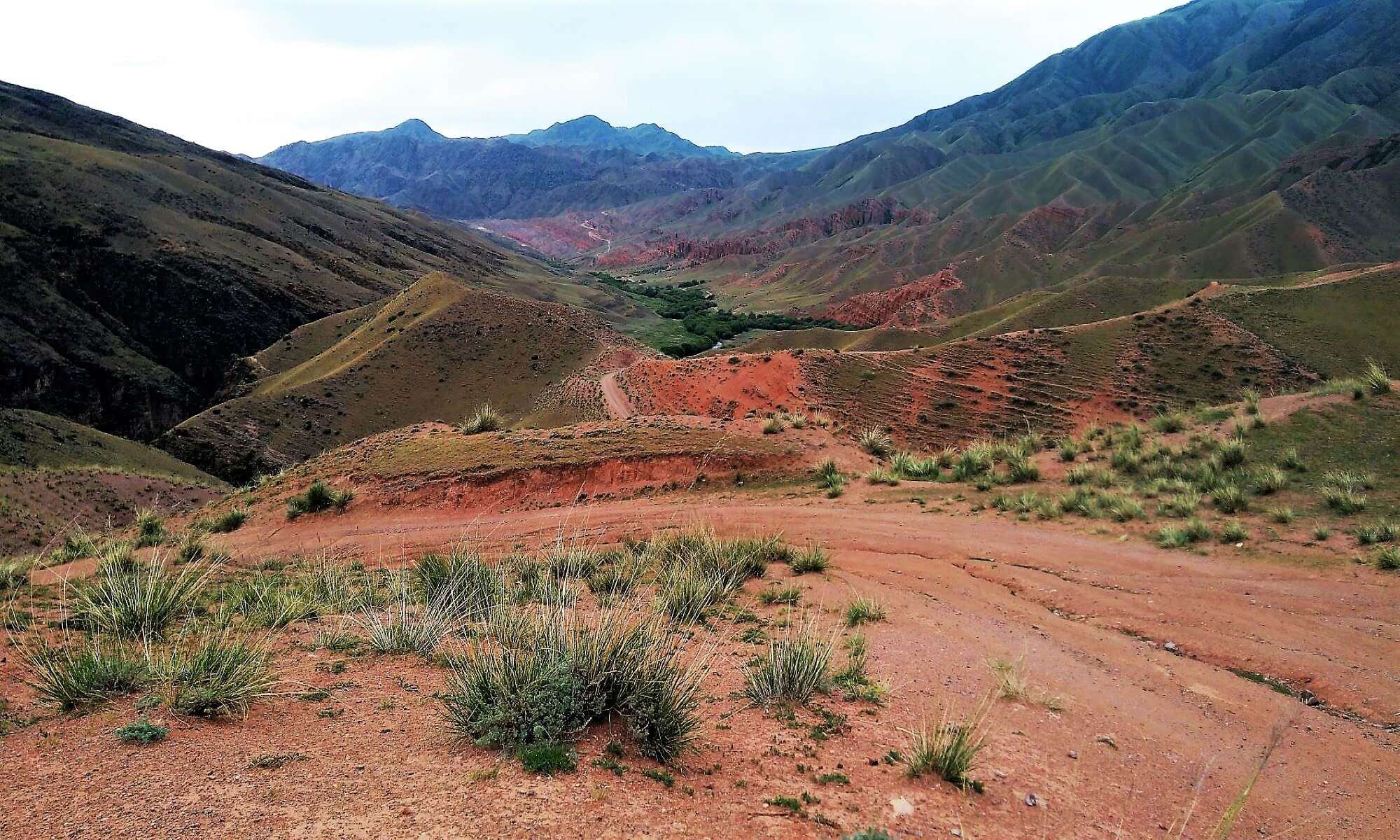
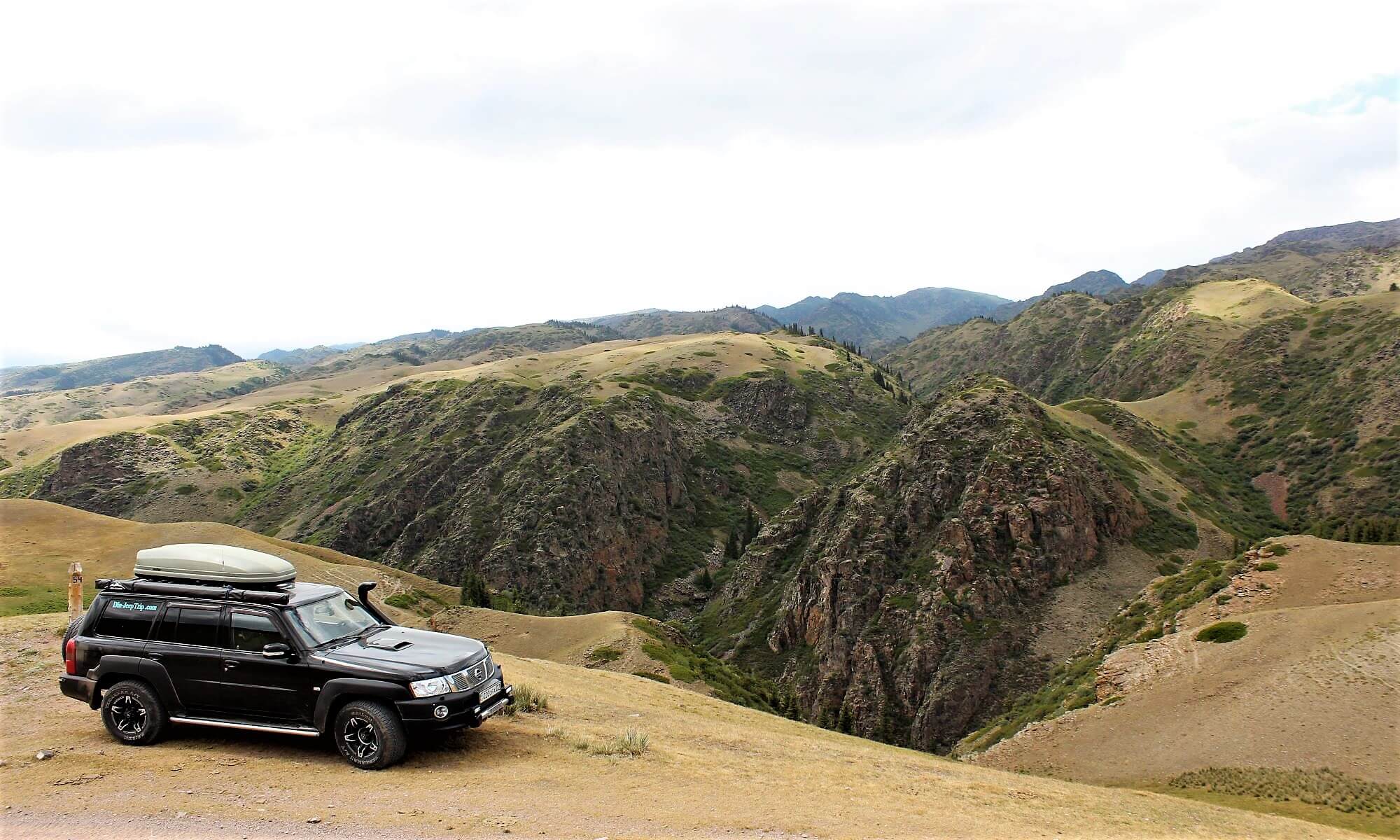
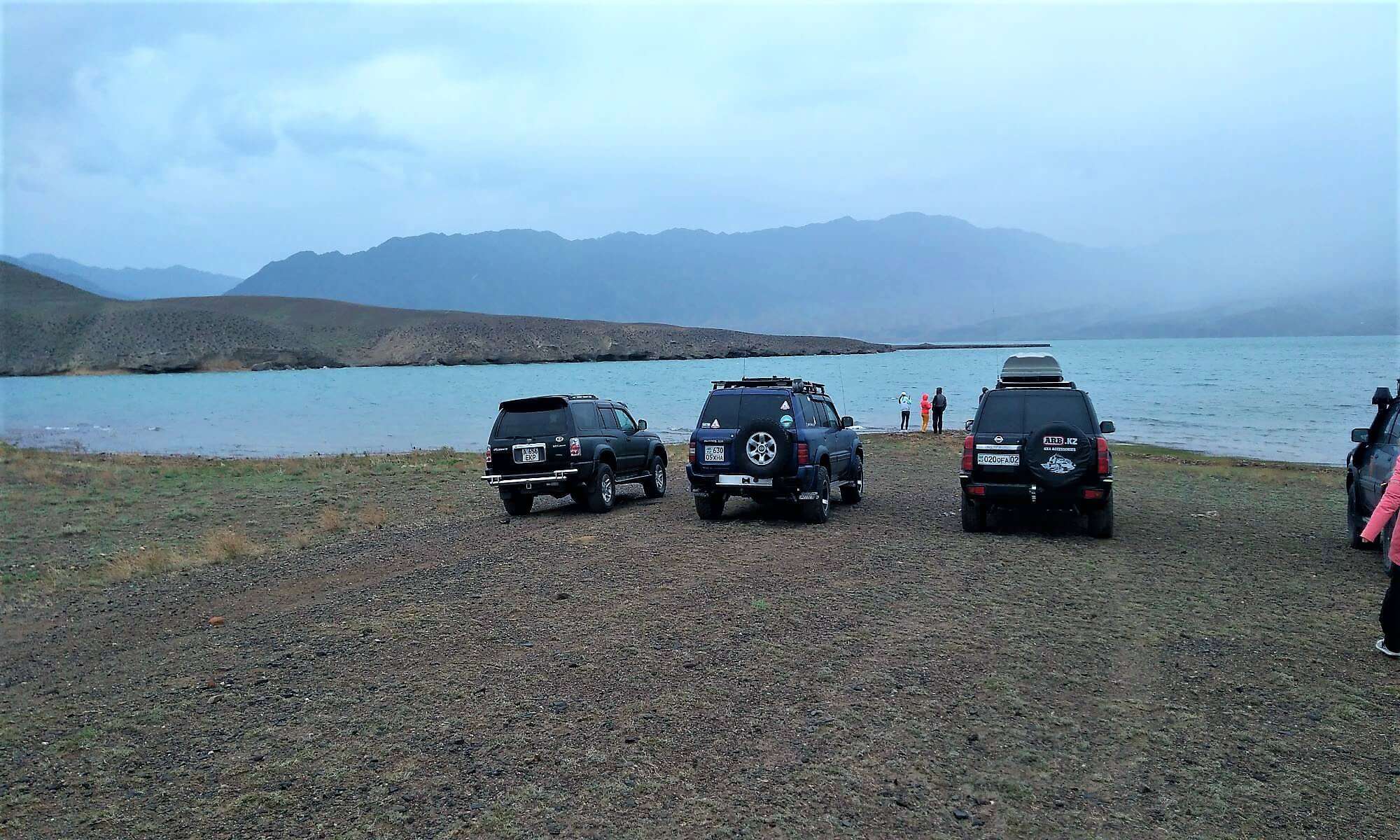
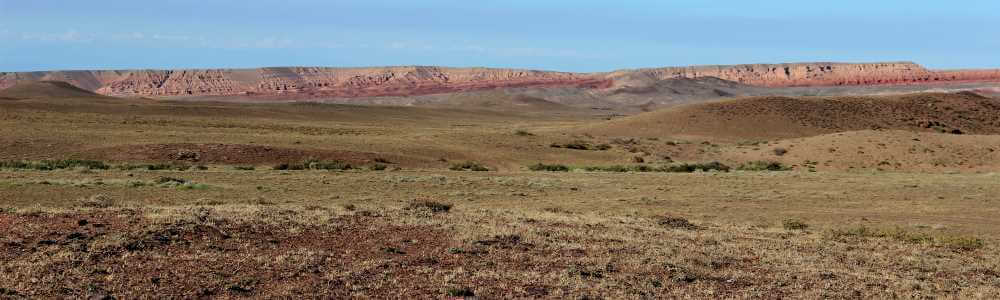 Also in our jeep tours there are other plateaus and valleys that are not independent destinations, but we visit on the way to other locations. So, for example, the Sogeti Valley, which is the former ocean floor, and at the moment a rocky-gravel desert, we pass along the way to the canyons or to the hot springs of Chundzha. The Zhalanash Valley is located in the same direction, and its feature is the military grottoes built by the USSR for the purpose of defense against China.