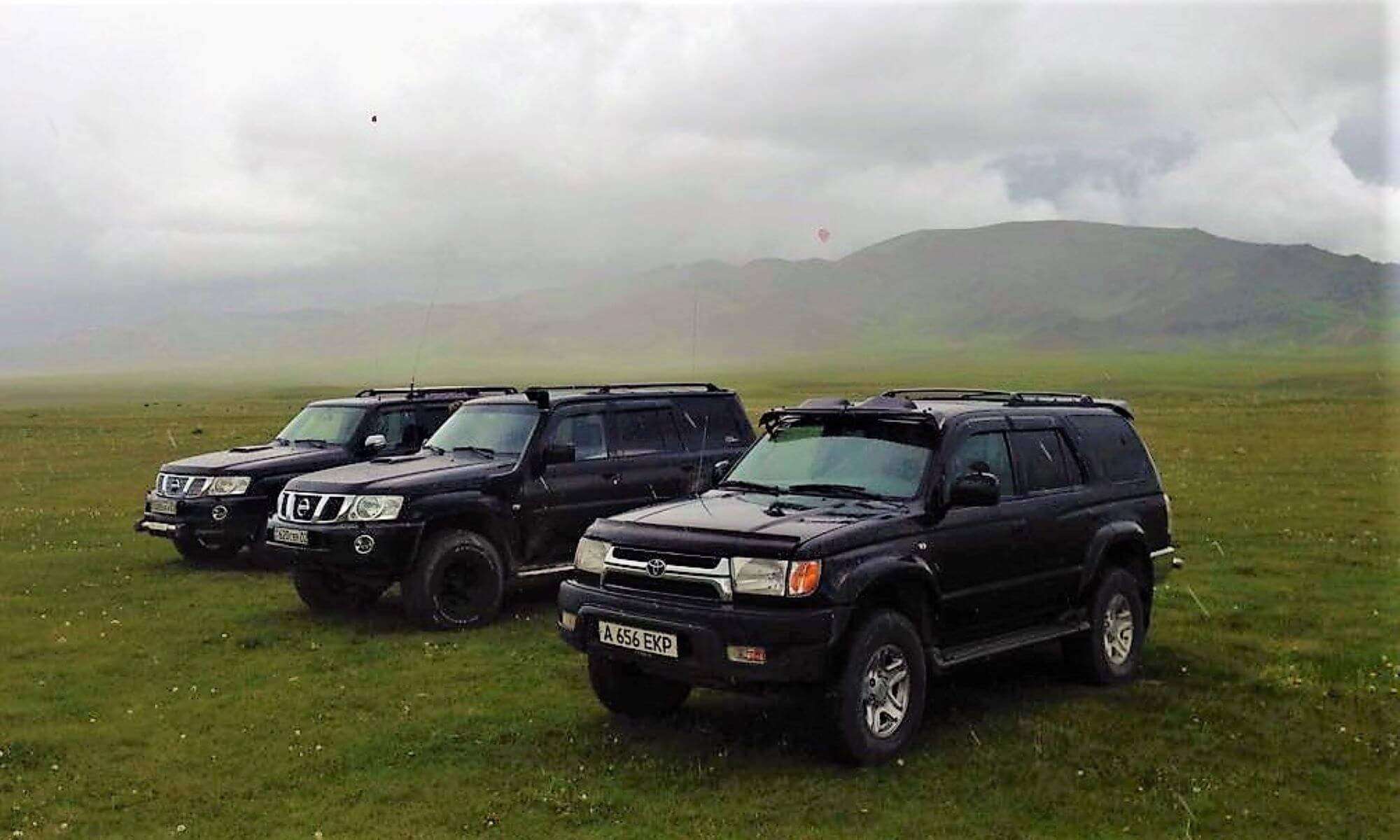
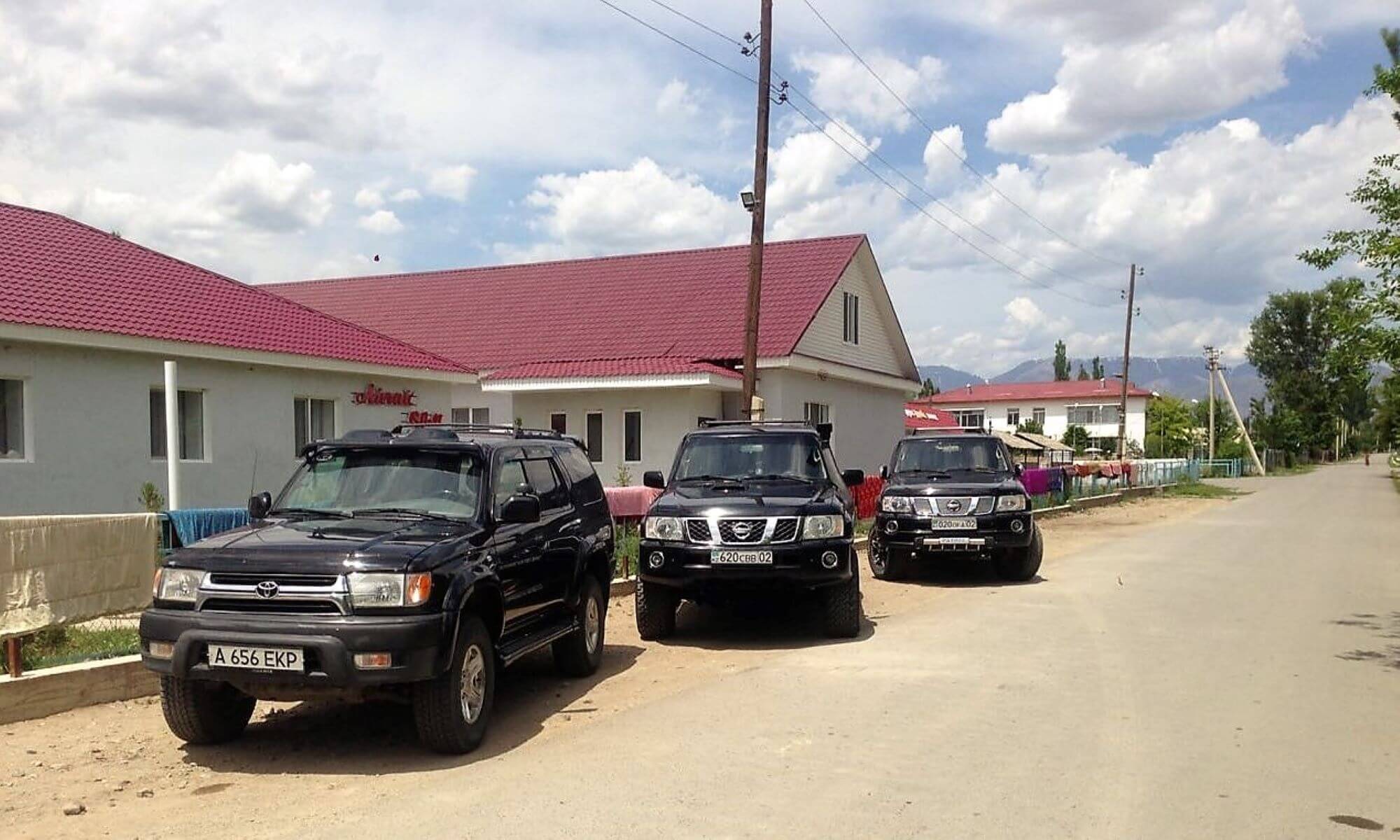








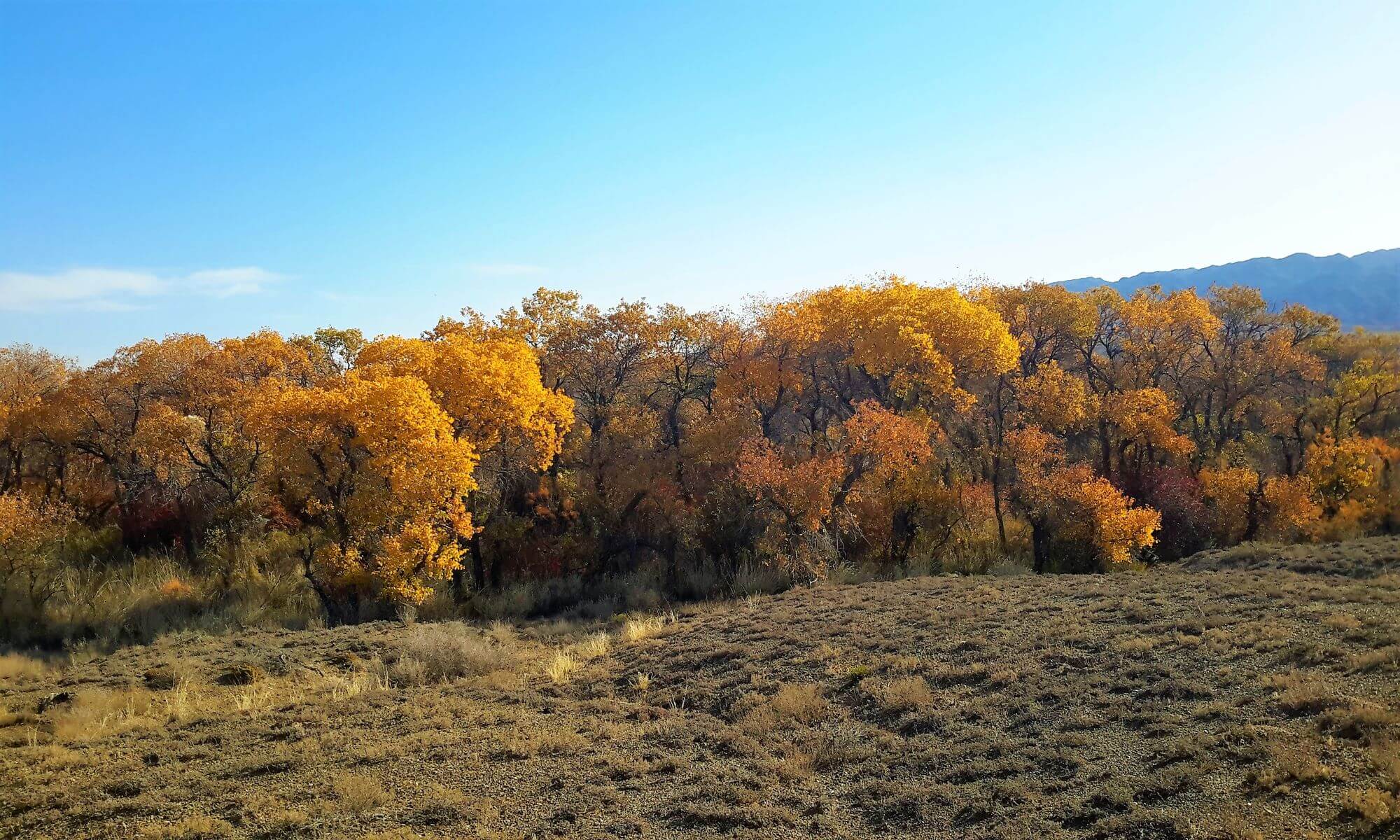


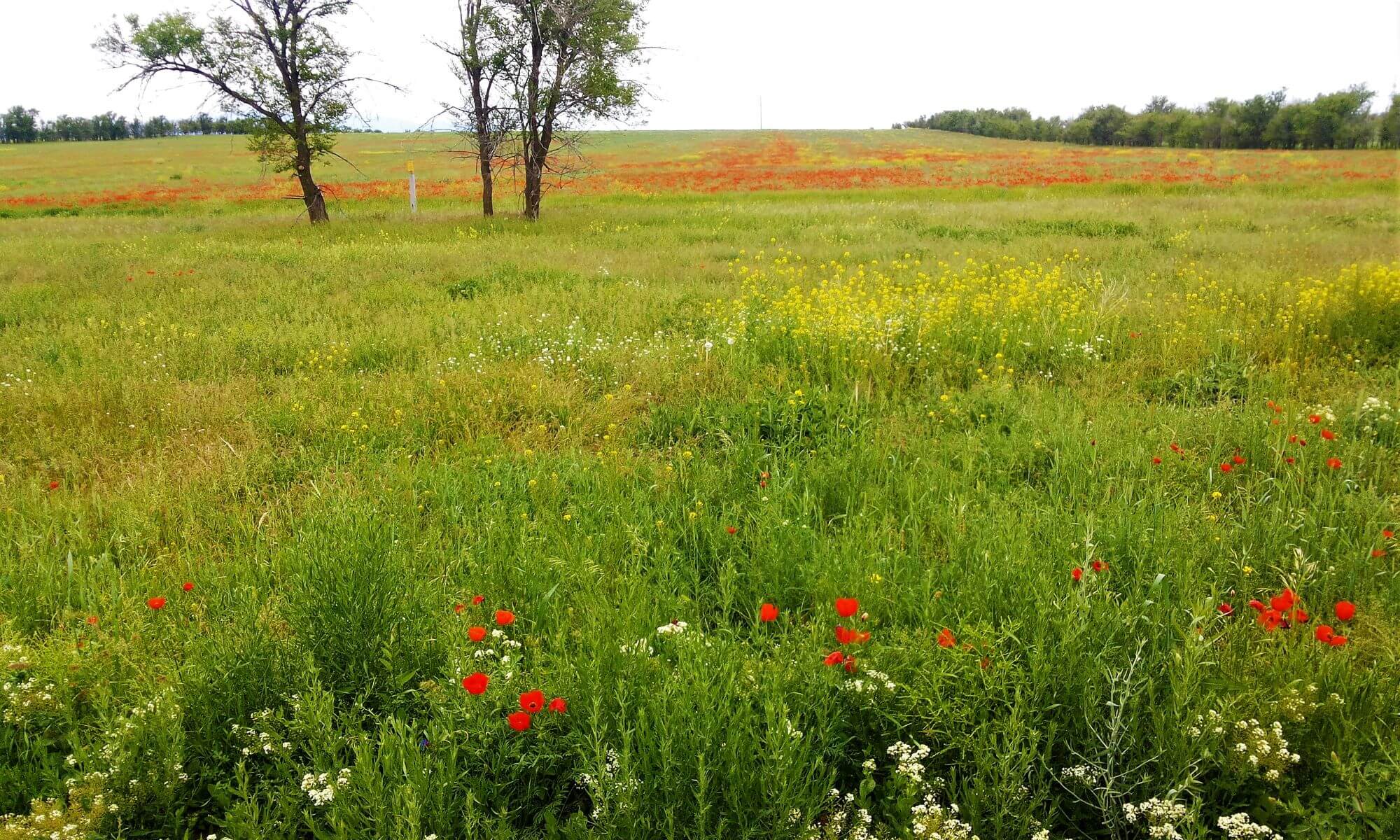
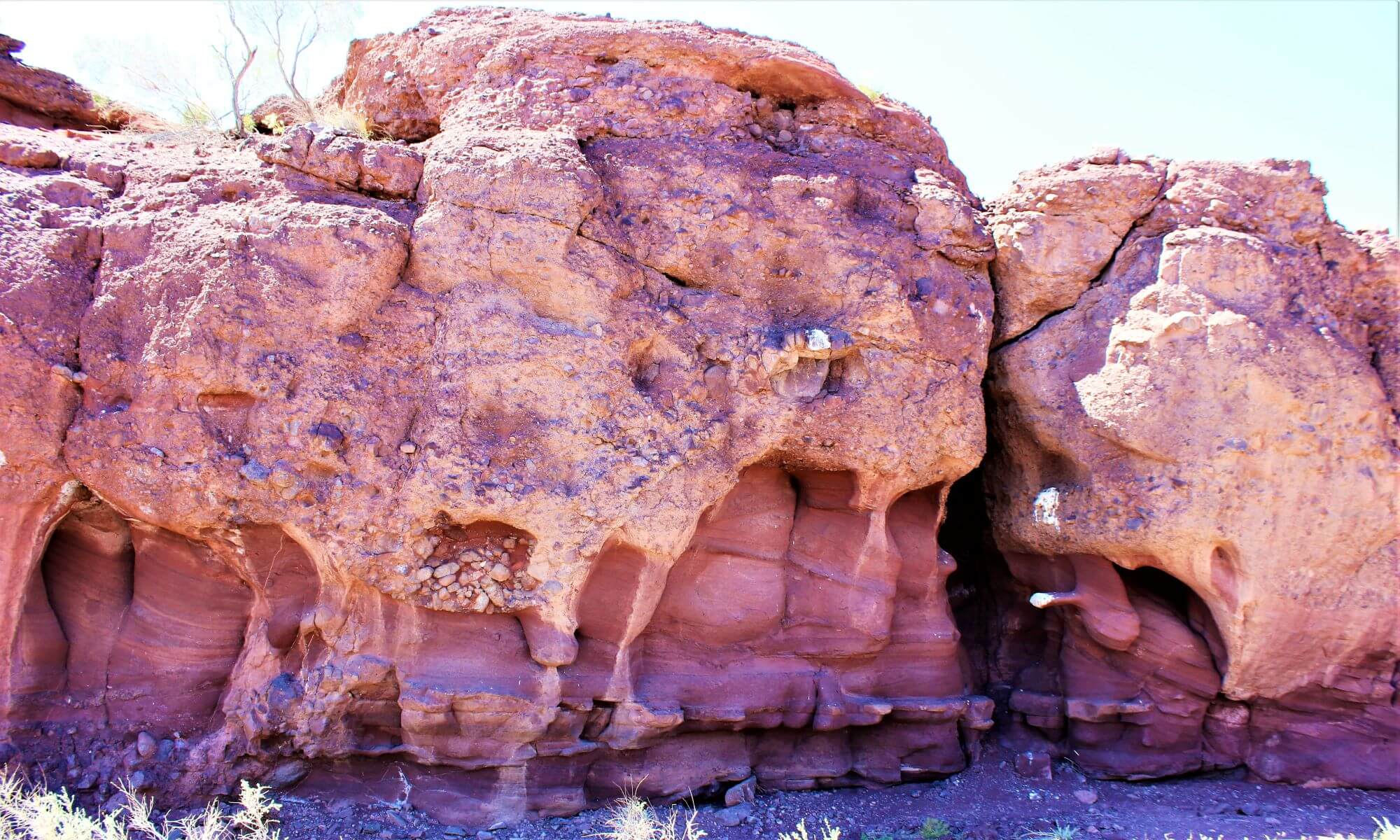







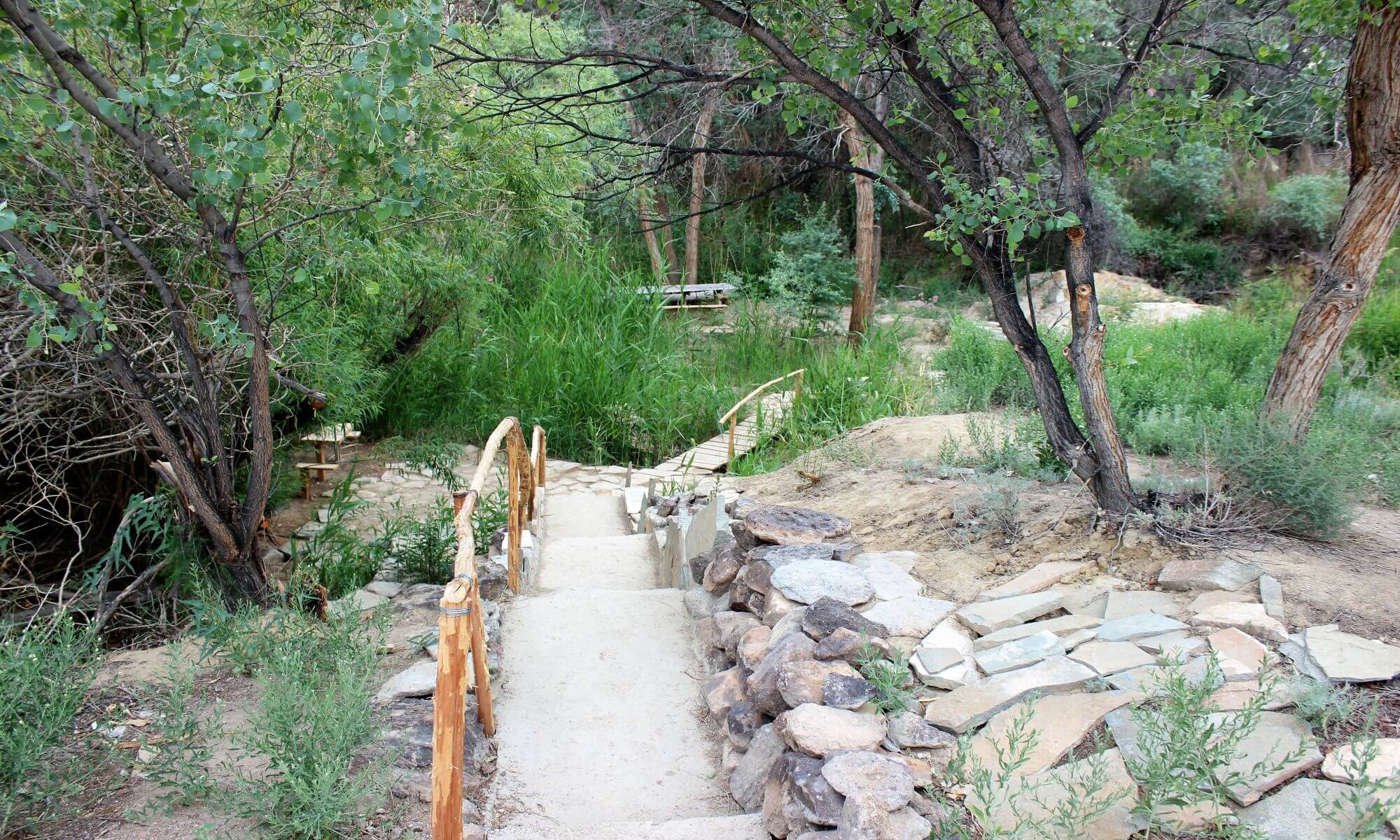
"Altyn Emel" National Park is one of the largest and most significant in Kazakhstan. It was organized in 1996 on an area of 307 653.35 hectares. The national park covers the territory from the Ili River and the Kapchagai reservoir in the south, to the ridges of the Dzhungarian Alatau in the northwest, and in the east it is bounded by the chalk mountains of Aktau.
In 2017 the Altyn-Emel National Park got an international status of a UNESCO Biosphere Reserve. Jeep tour in Altyn Emel is a real Kazakhstani safari, as the natural park includes all four types of deserts: kum (sandy), takyr (clay), stony-gravel and saline.
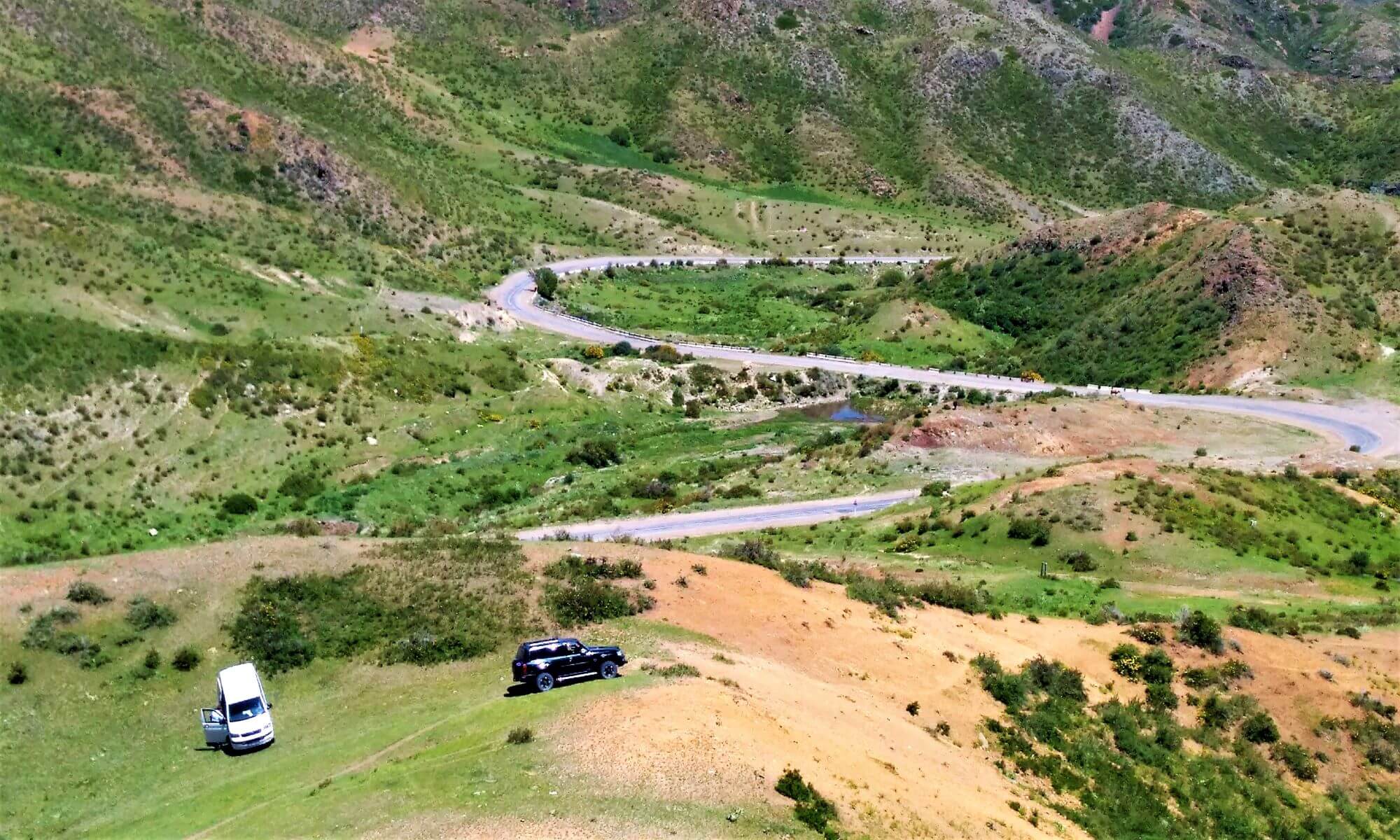
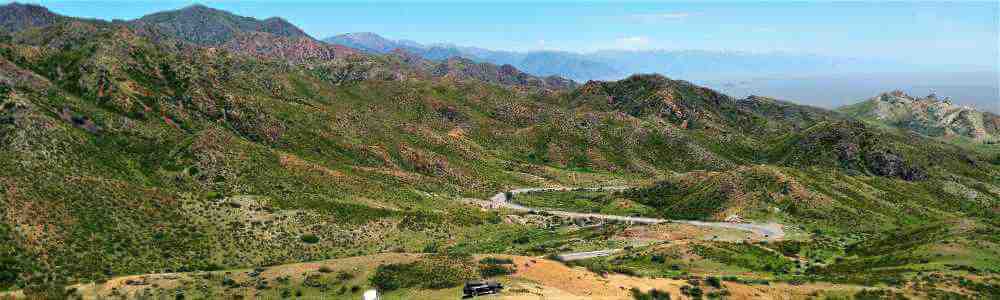 The first attraction that meets us in a jeep safari tour of the national park is the Altyn Emel pass. This is one of the most beautiful passes in all Central Asia. The name has Mongolian origin. It translates as "Golden Saddle". According to legend, Genghis Khan, the "shaker of the Universe" was here with his army during the conquest of Central Asia. Seeing the golden pass, shimmering in the rays of the setting sun, he exclaimed - "Altyn emel!" Indeed, the place of the pass, where the road winds like a serpentine, resembles a saddle.
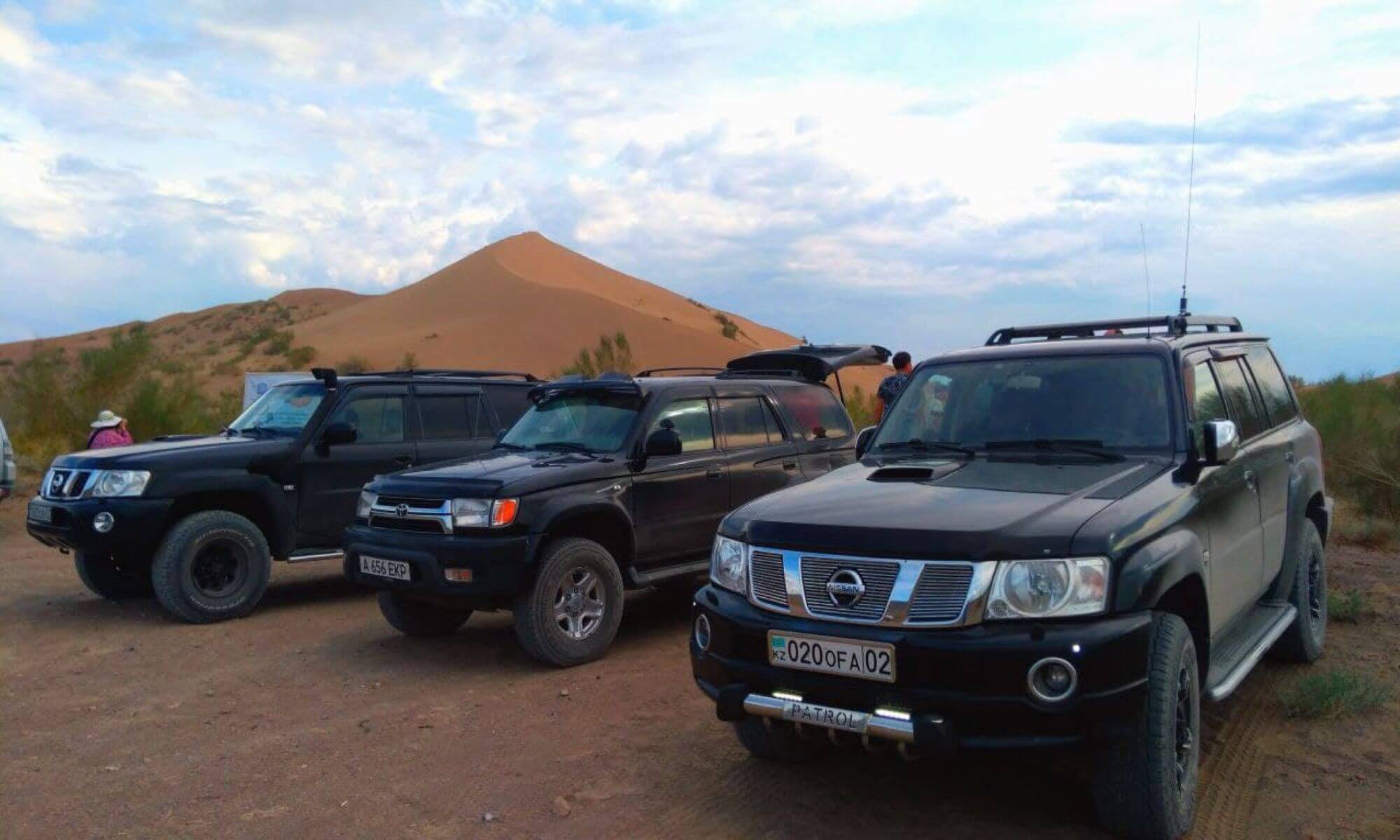
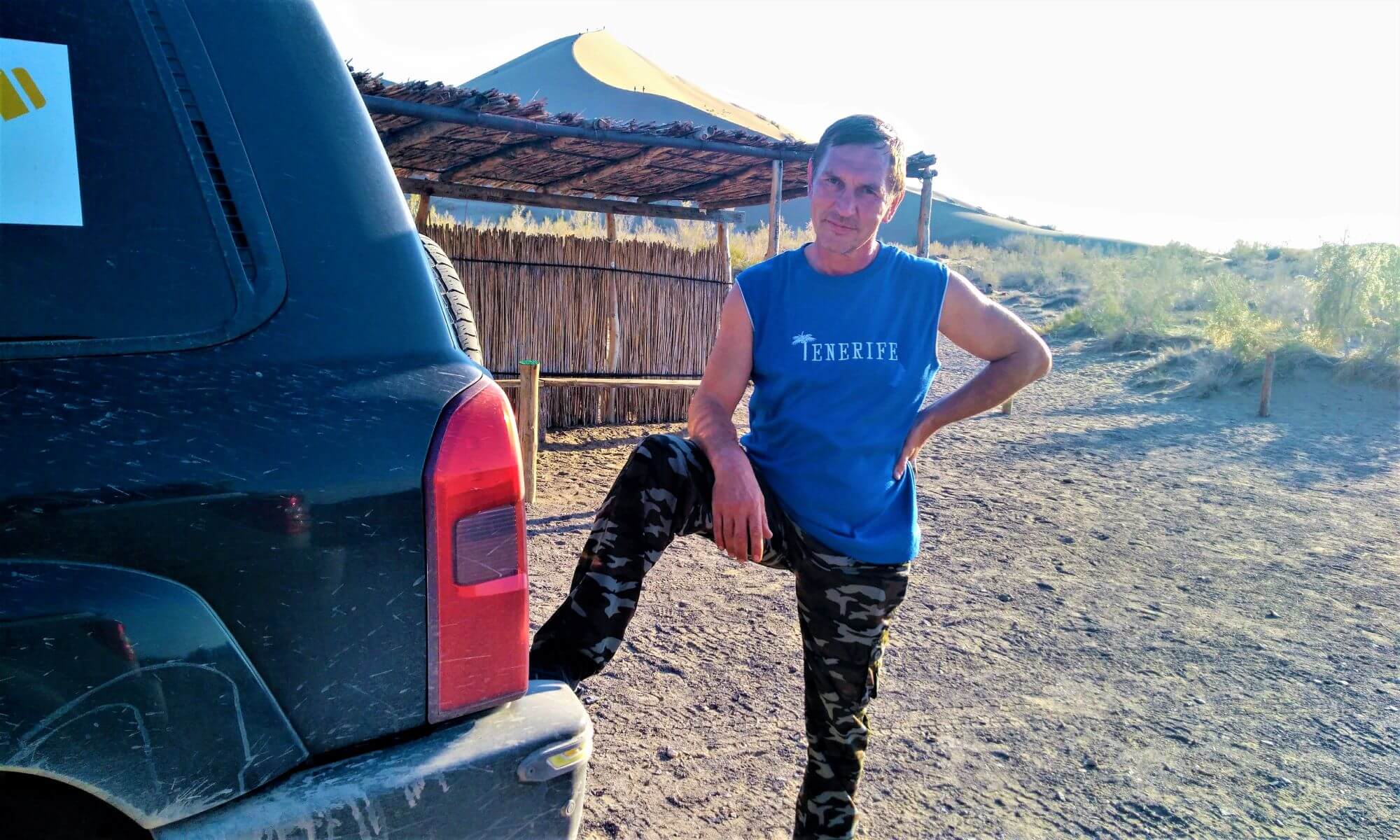
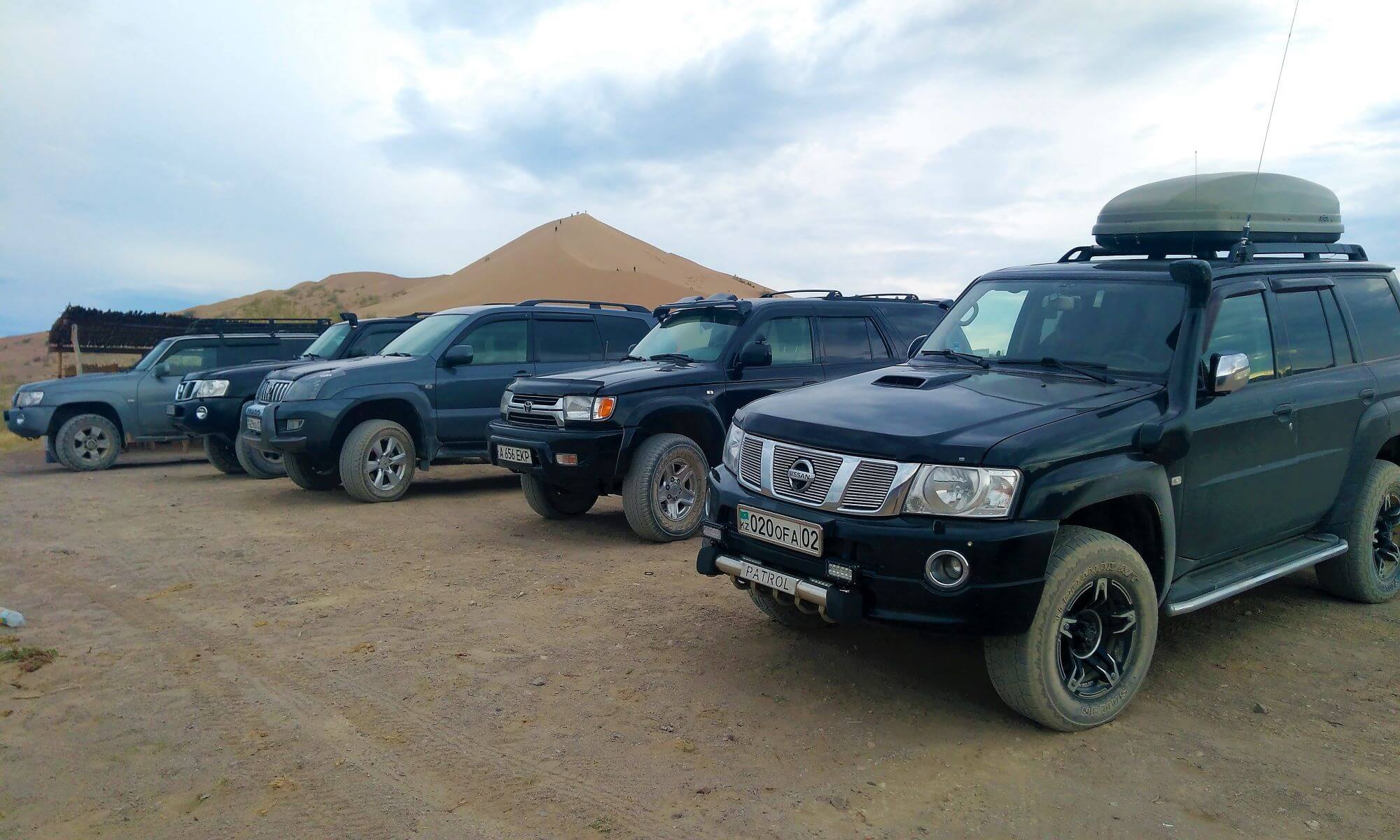
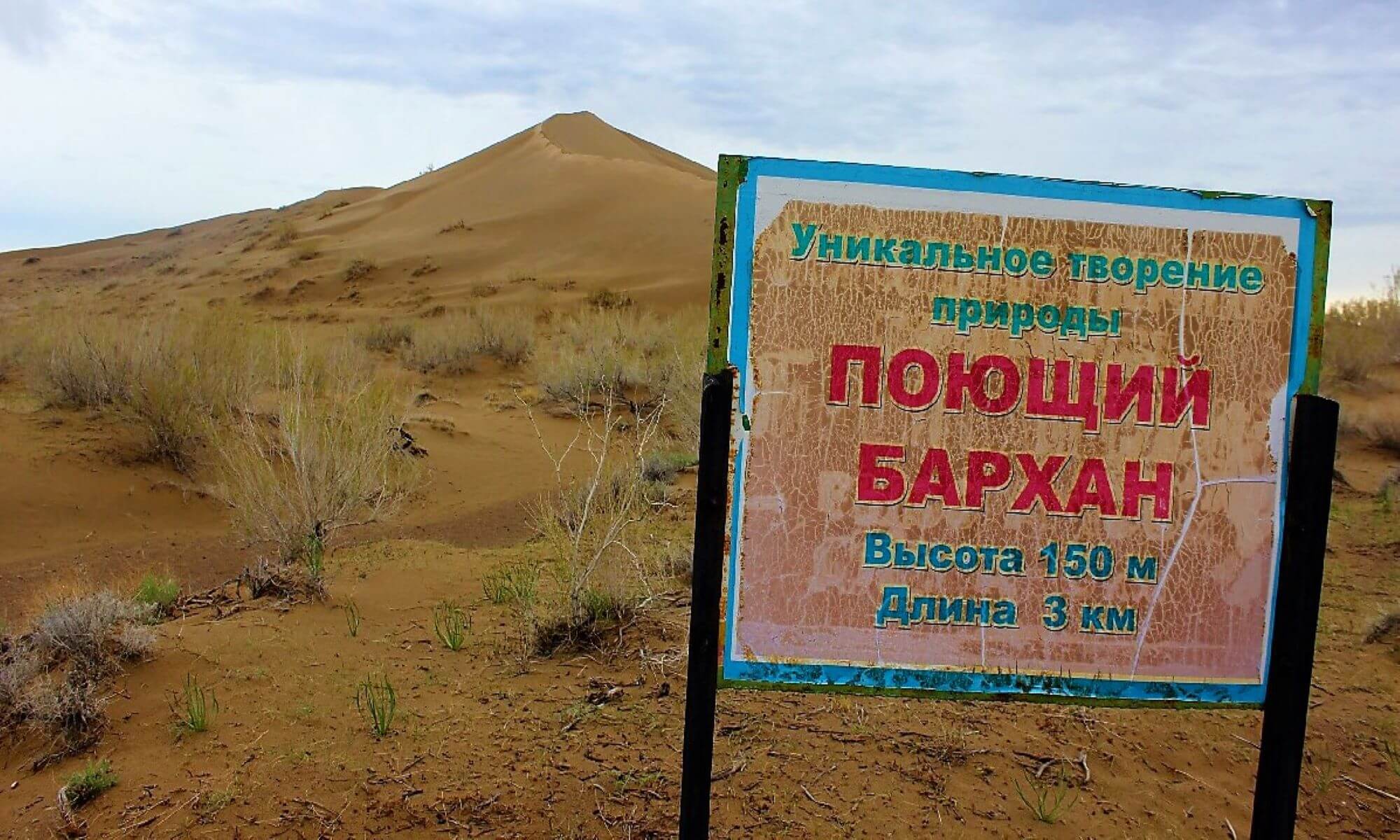
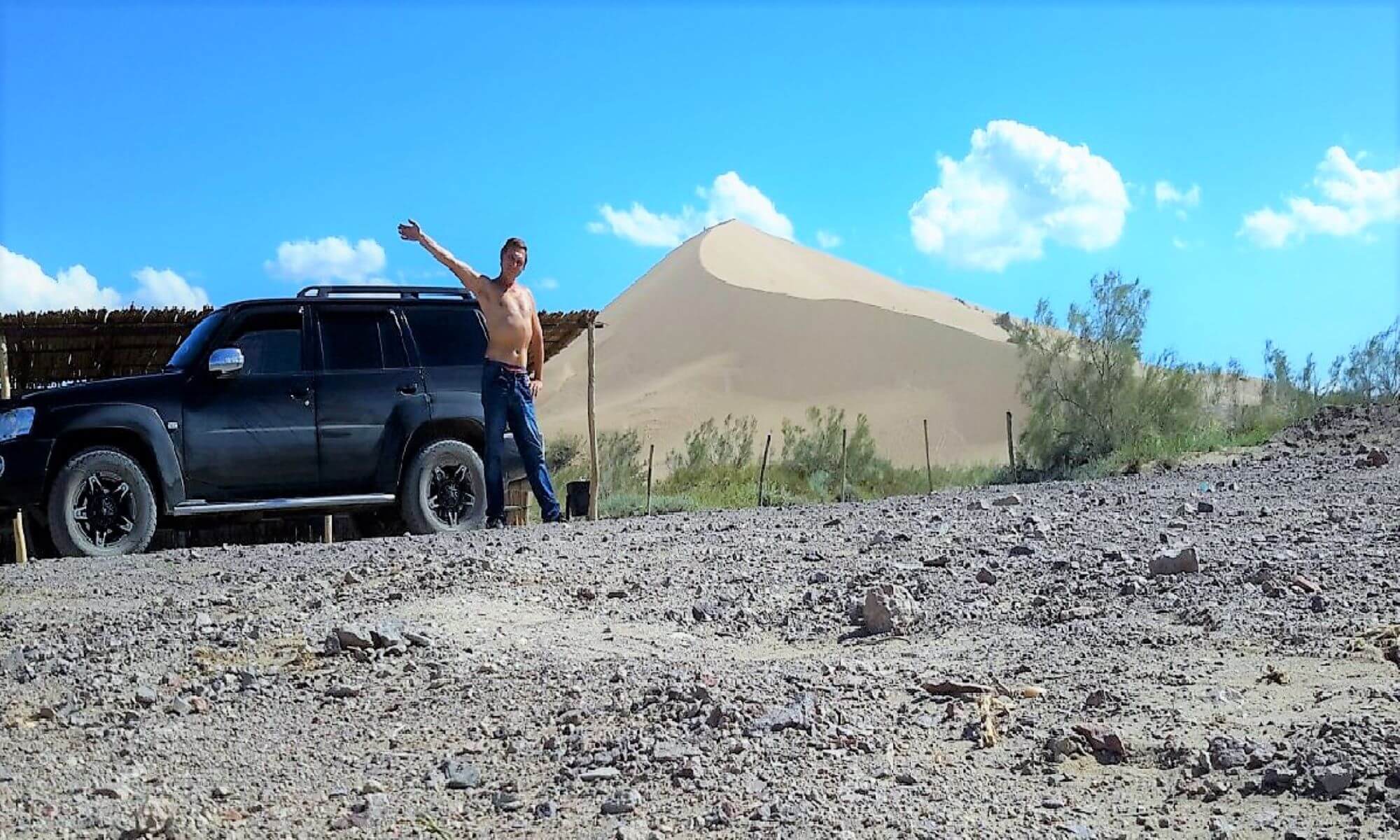
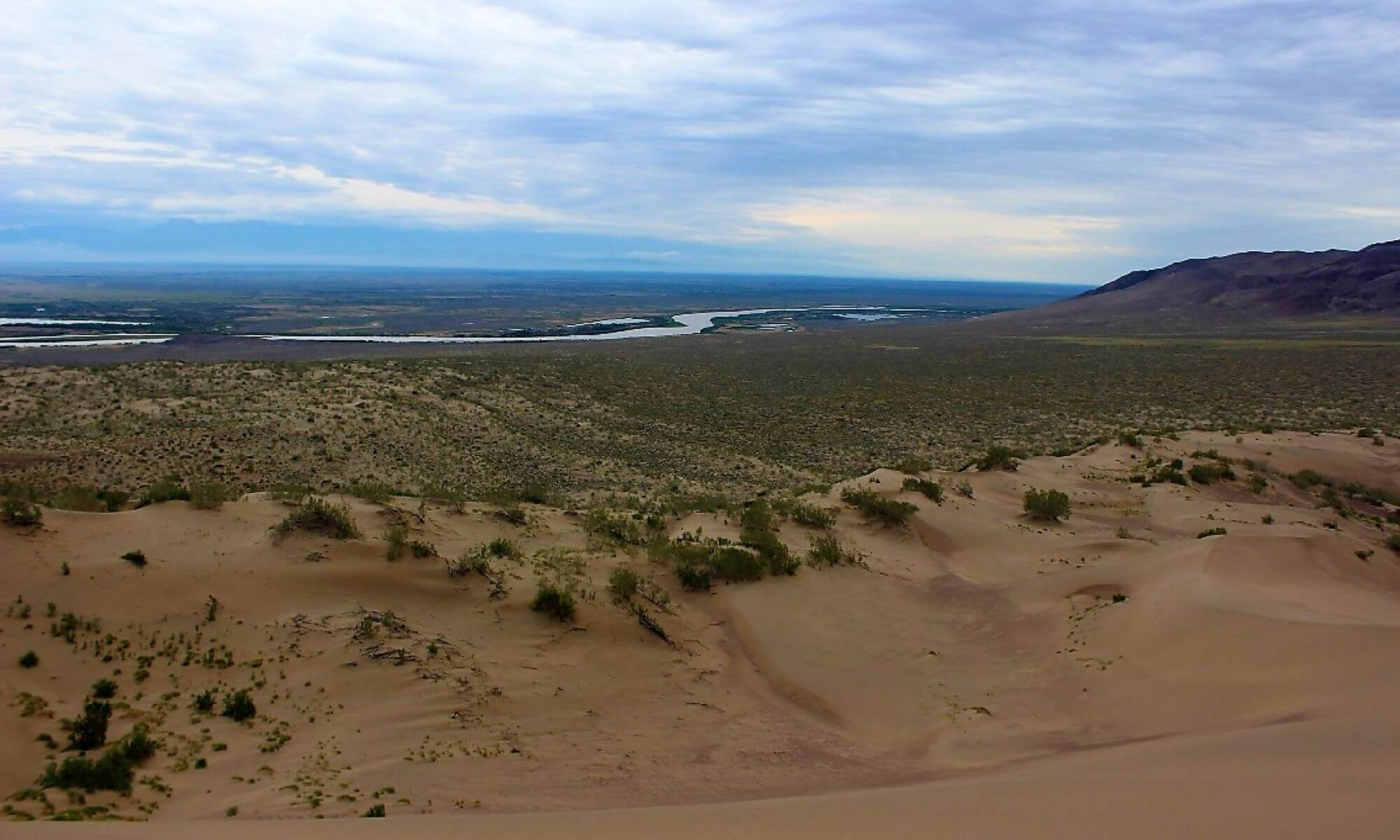
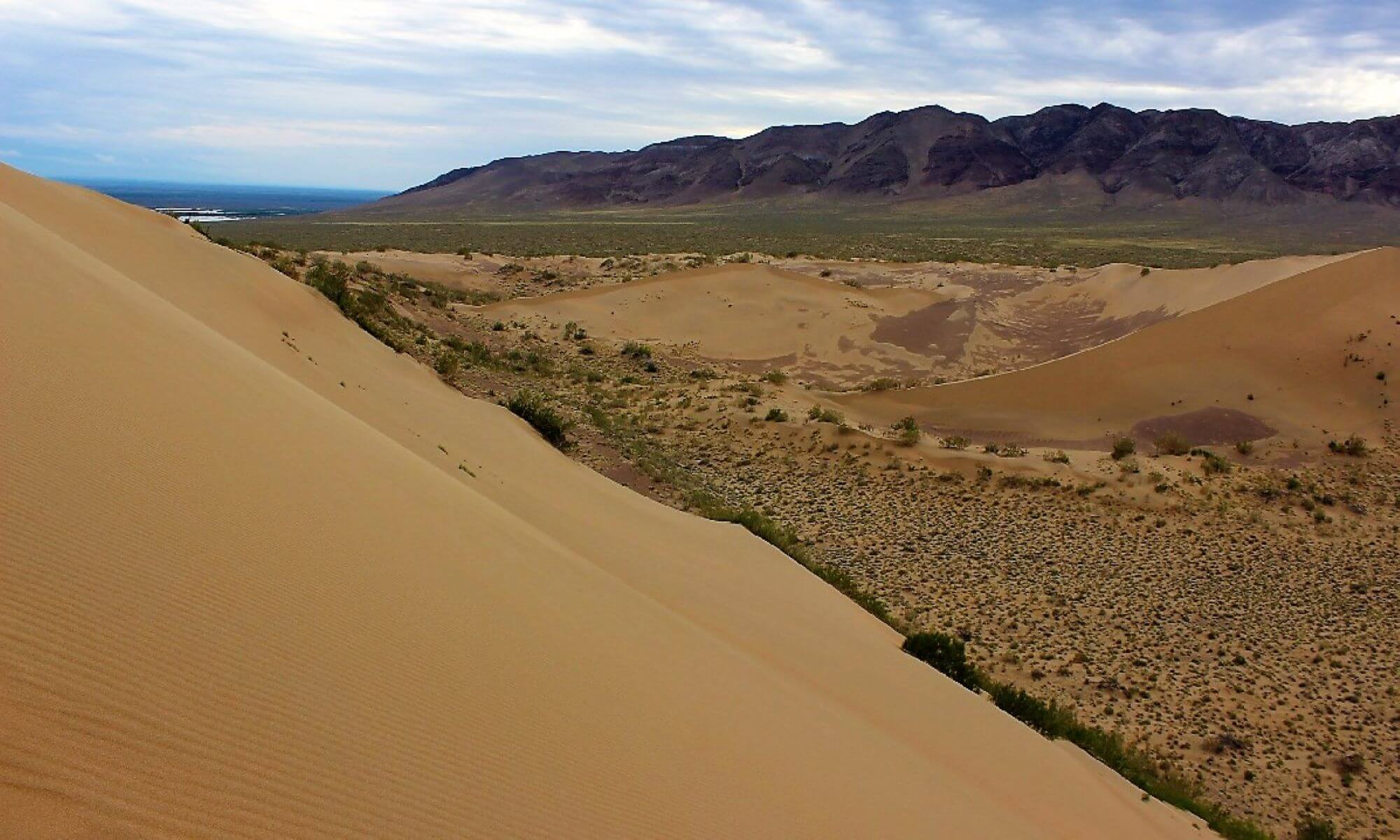
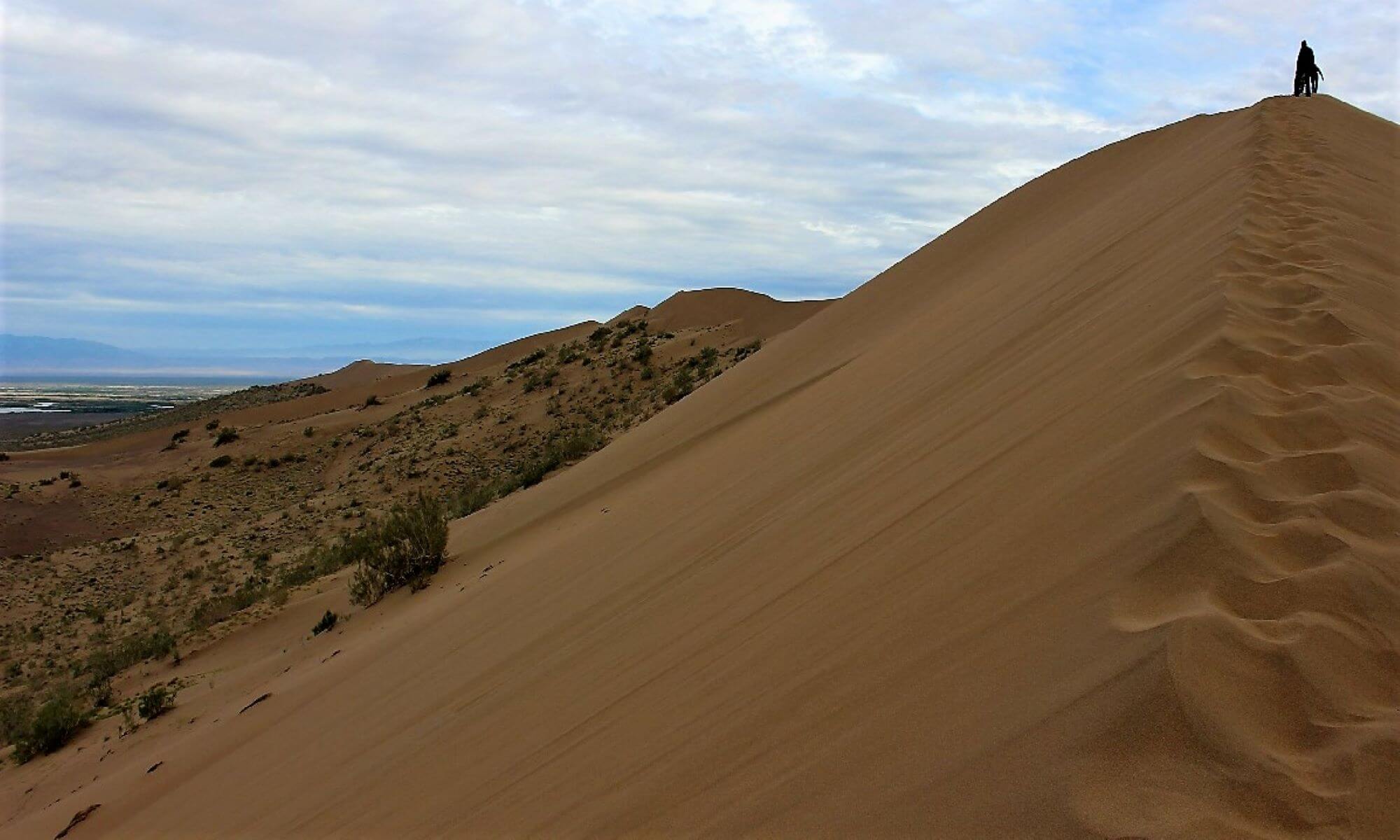
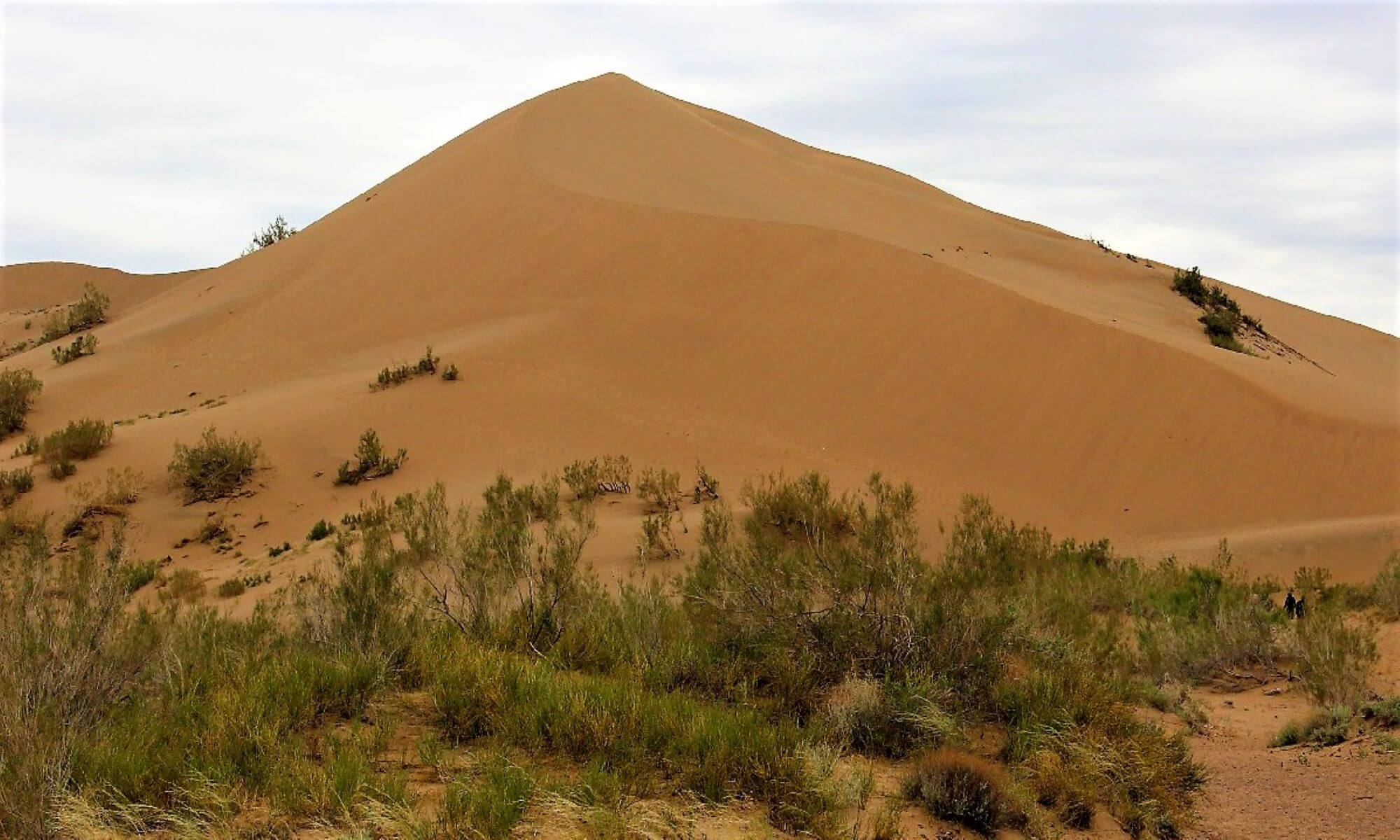
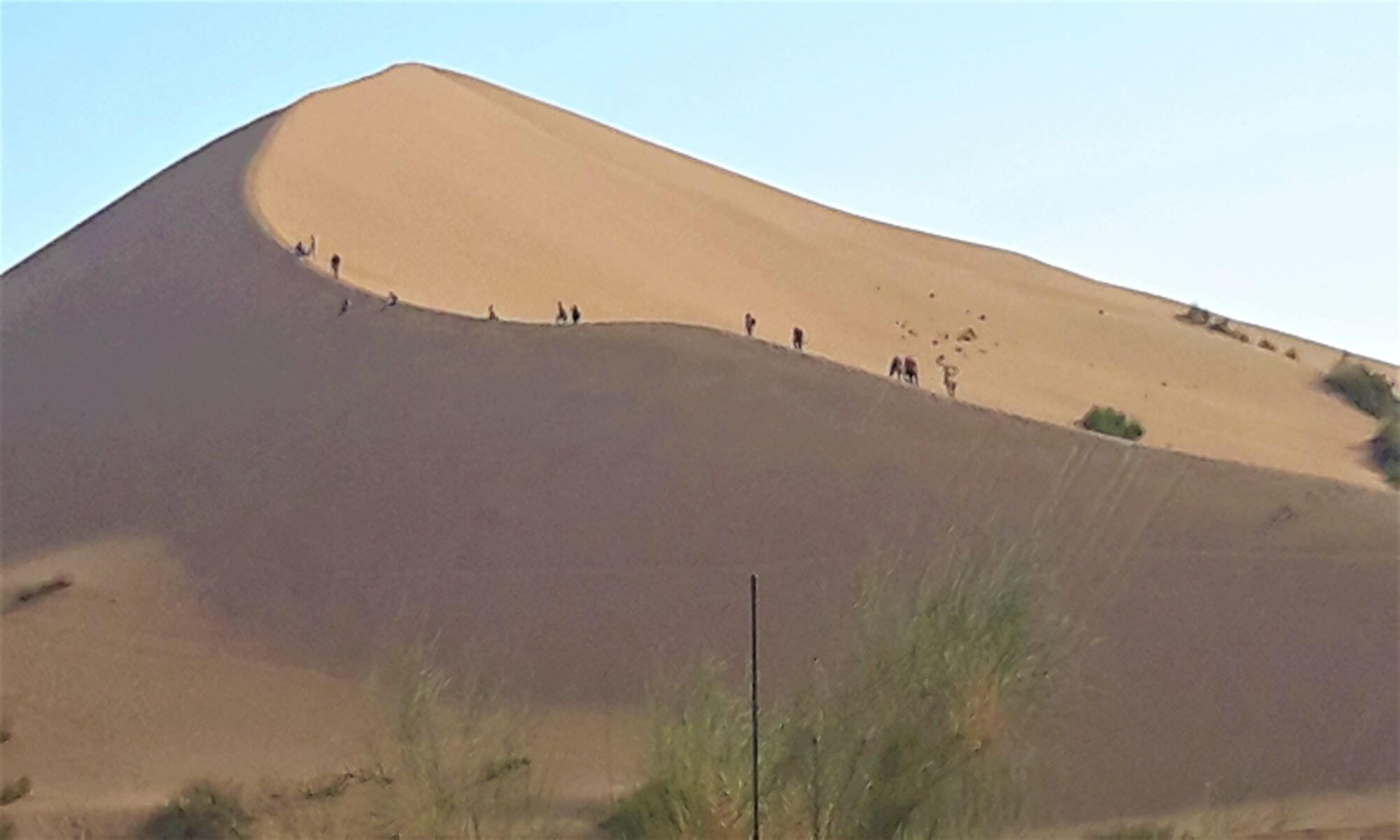
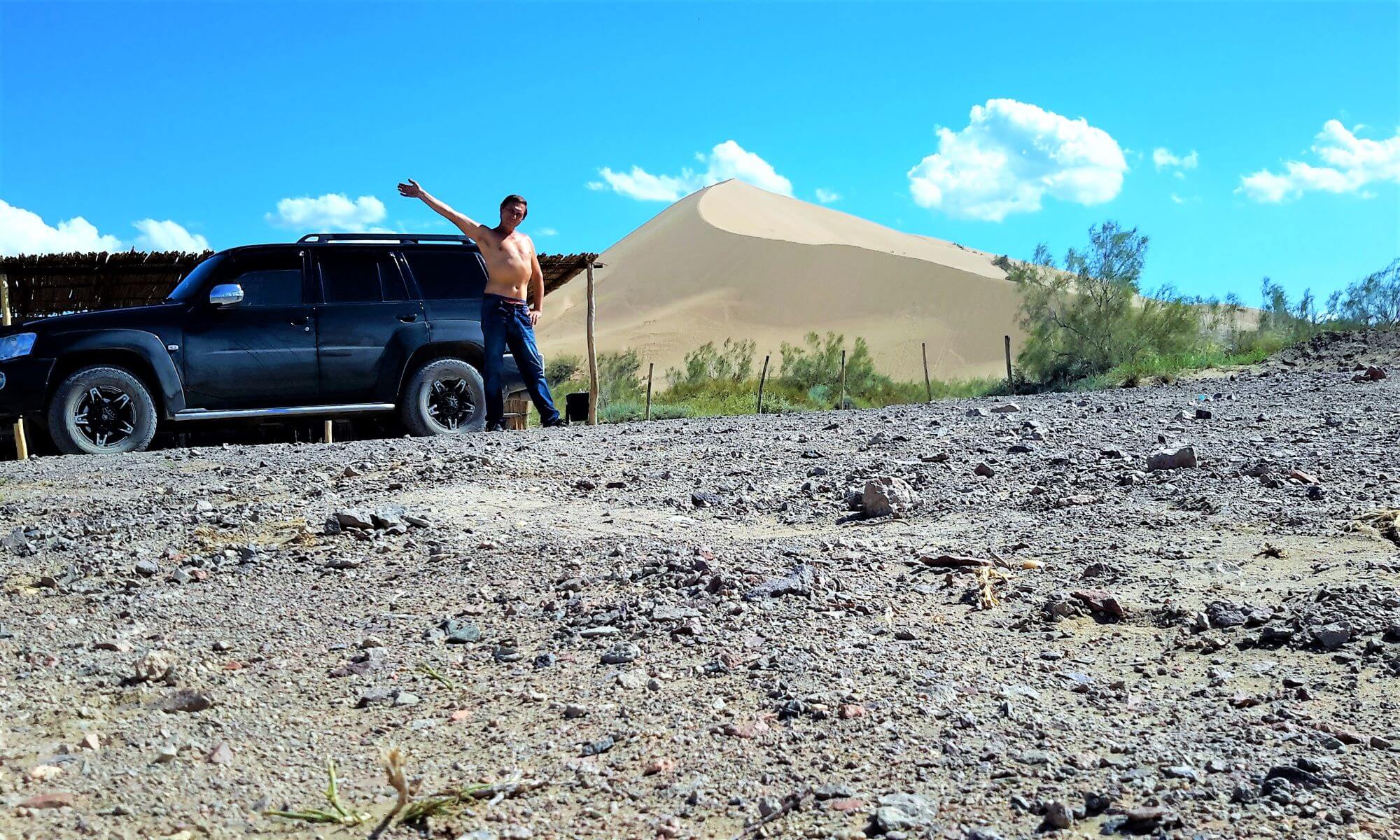
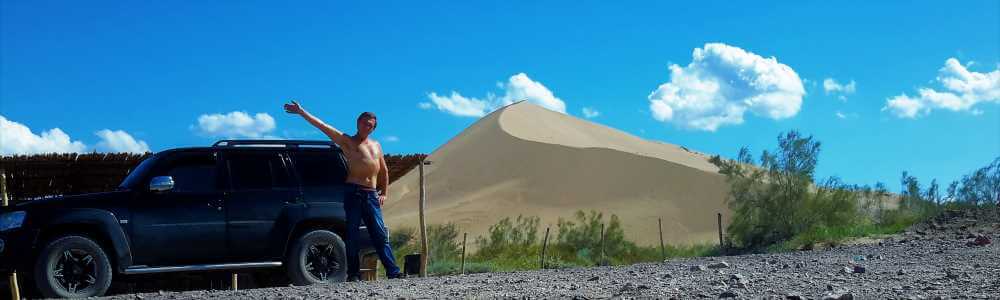 The most famous attraction of the park is the Singing Dune. This unique natural phenomenon exists in only a few places in the world: in the deserts of Arabia, Peru, Egypt, on the Kola Peninsula, and of course in the Altyn Emel National Park. The first description of "singing dunes" was made by the Chinese people more than a thousand years ago.
Its formation is associated with the position practically in the ring of the volcanic mountains Big and Small Kalkan. The sand that composes the dune comes from the sandbanks of the Ili River. From the Kalkans, standing at a slight angle to each other, the sand driven by the winds, hits the stone ridge and settles in the place of the dune. For many centuries, a huge sandy mountain has grown. It remains motionless for supposedly 3-5 thousand years.
The height of the singing dune is about 150 meters. Among the surrounding landscape it is a giant. The dune has a pronounced crest and several peaks. You can easily climb on it, and the wind instantly brings in traces, again and again leaving the dune in its original form. Due to the fact that the wind moves freely here, the grains of sand are blown through many times and as a result of which the sand is amazingly clean and homogeneous.
Sometimes the singing dune makes sounds that to some resemble the melody of an organ, and to some the roar of jet aircraft engines. There are many versions of the origin of this phenomenon. The most logical explanation is given by Professor PI Marikovsky: “In any dune at a shallow depth there is always a layer of compacted wet sand ... A wet layer, covered from above with dry moving sand, covers the entire huge mountain of the Singing Dune. When an avalanche of sand flows, the upper layers, experiencing less friction, overtake the lower layers, so clearly visible waviness of the surface appears. It is transmitted by periodic shocks to the layer of wet sand, and it, like the soundboard of a musical instrument, begins to vibrate, making sounds. " This version is confirmed by the fact that during the rains dune becomes silent. However, in dry weather the singing of the dune can be caused artificially by sliding down from its top, pushing the sand in front of you.
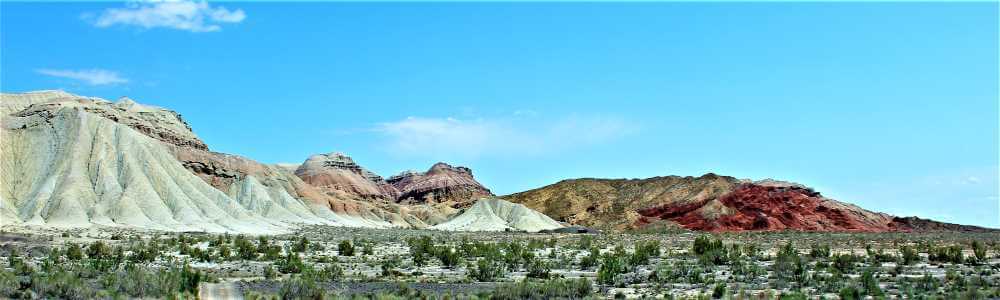
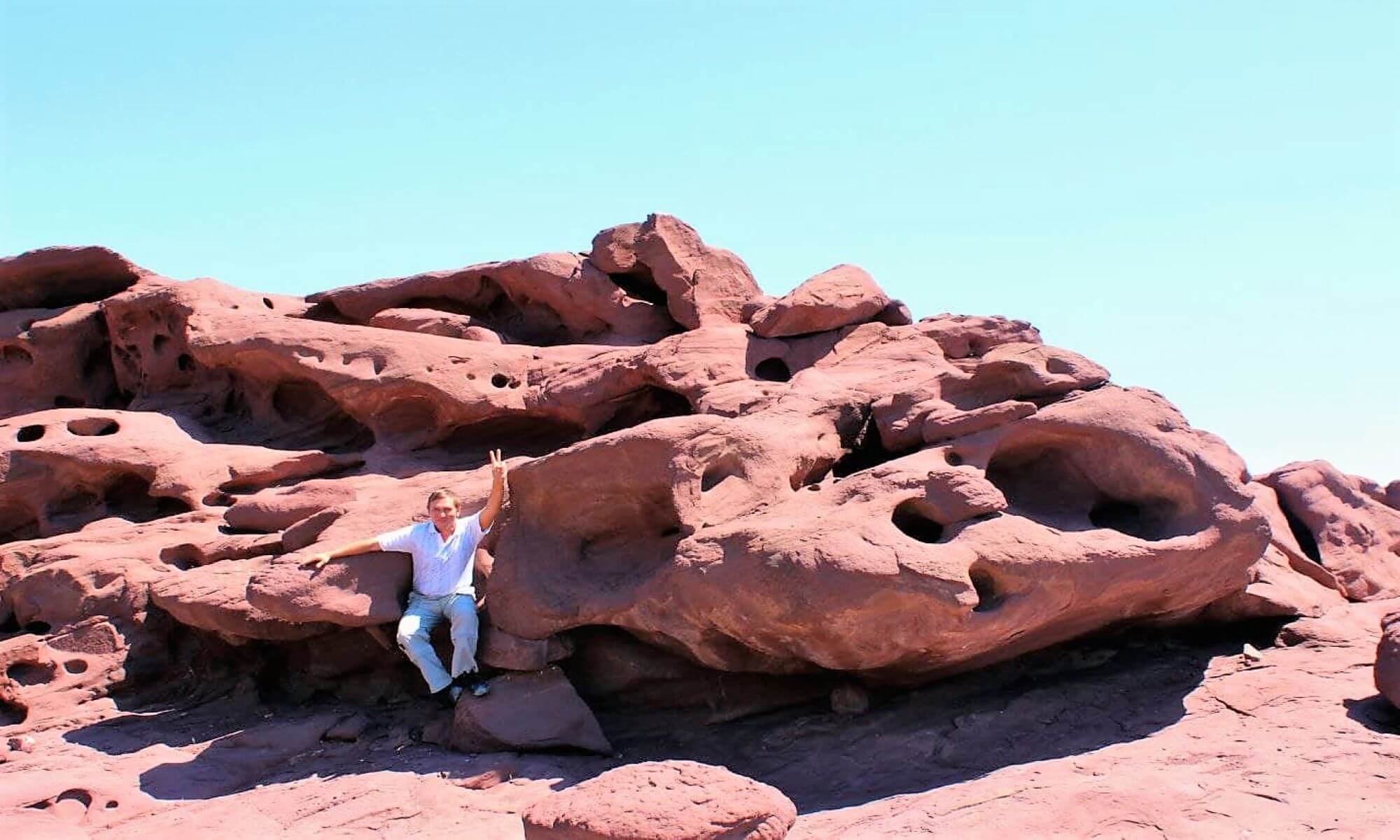
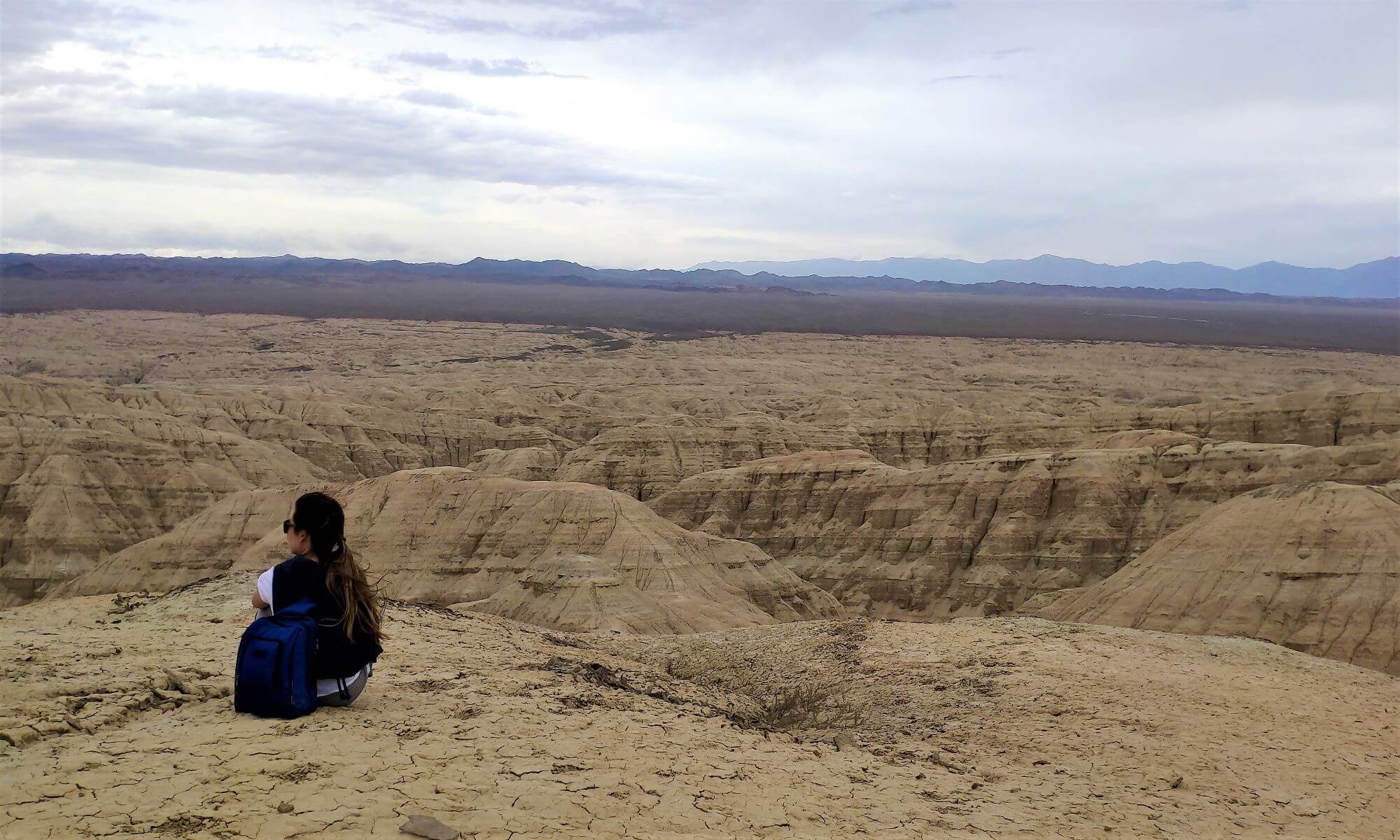
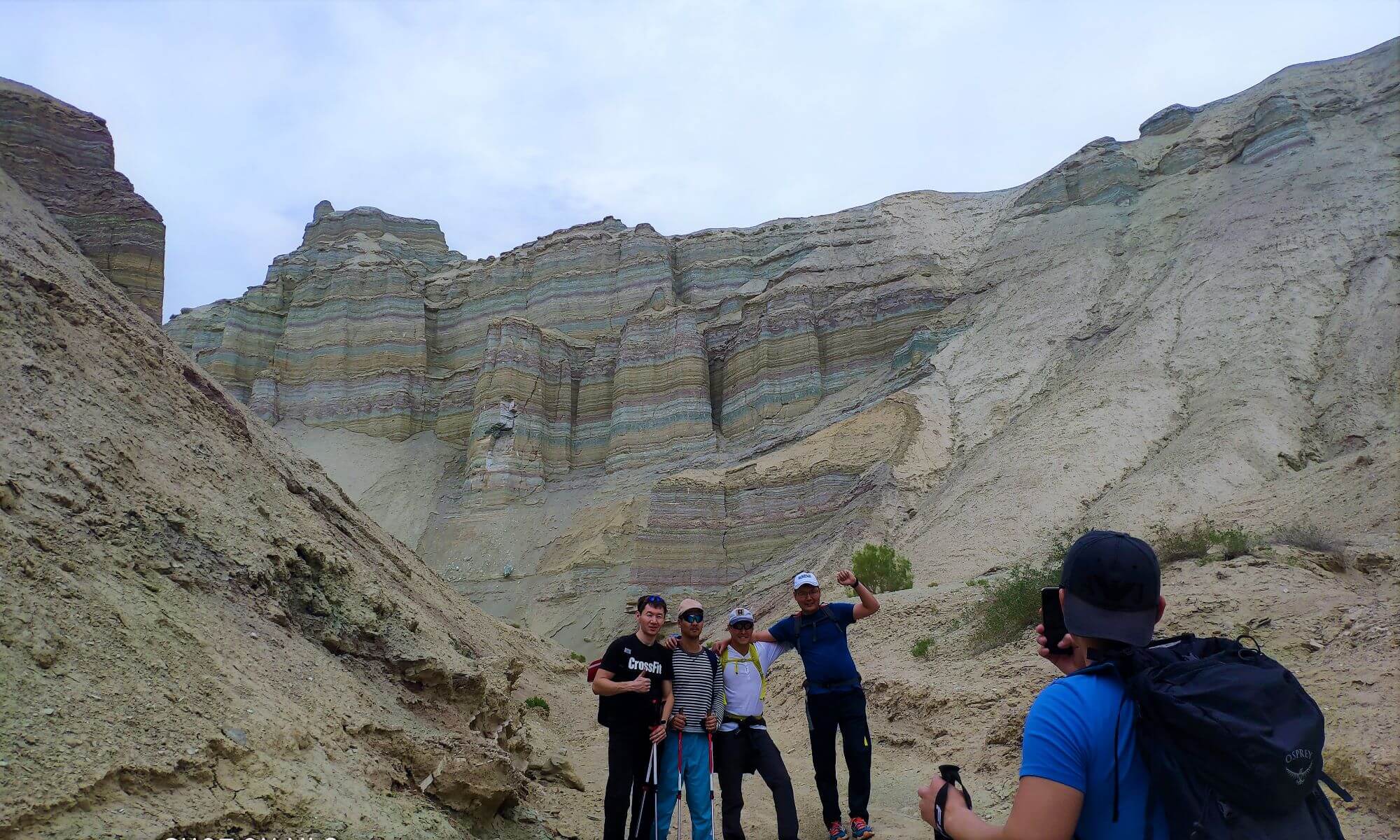
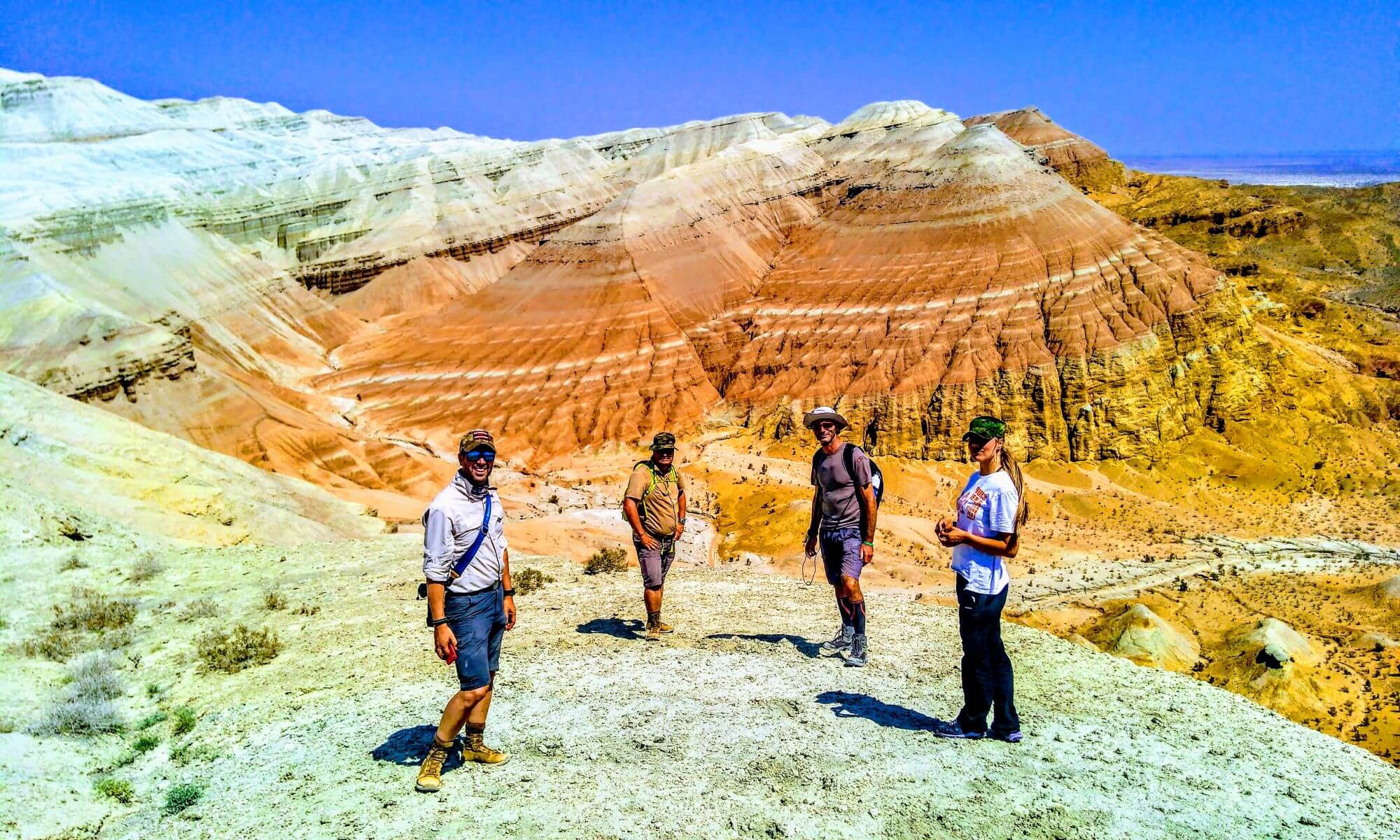
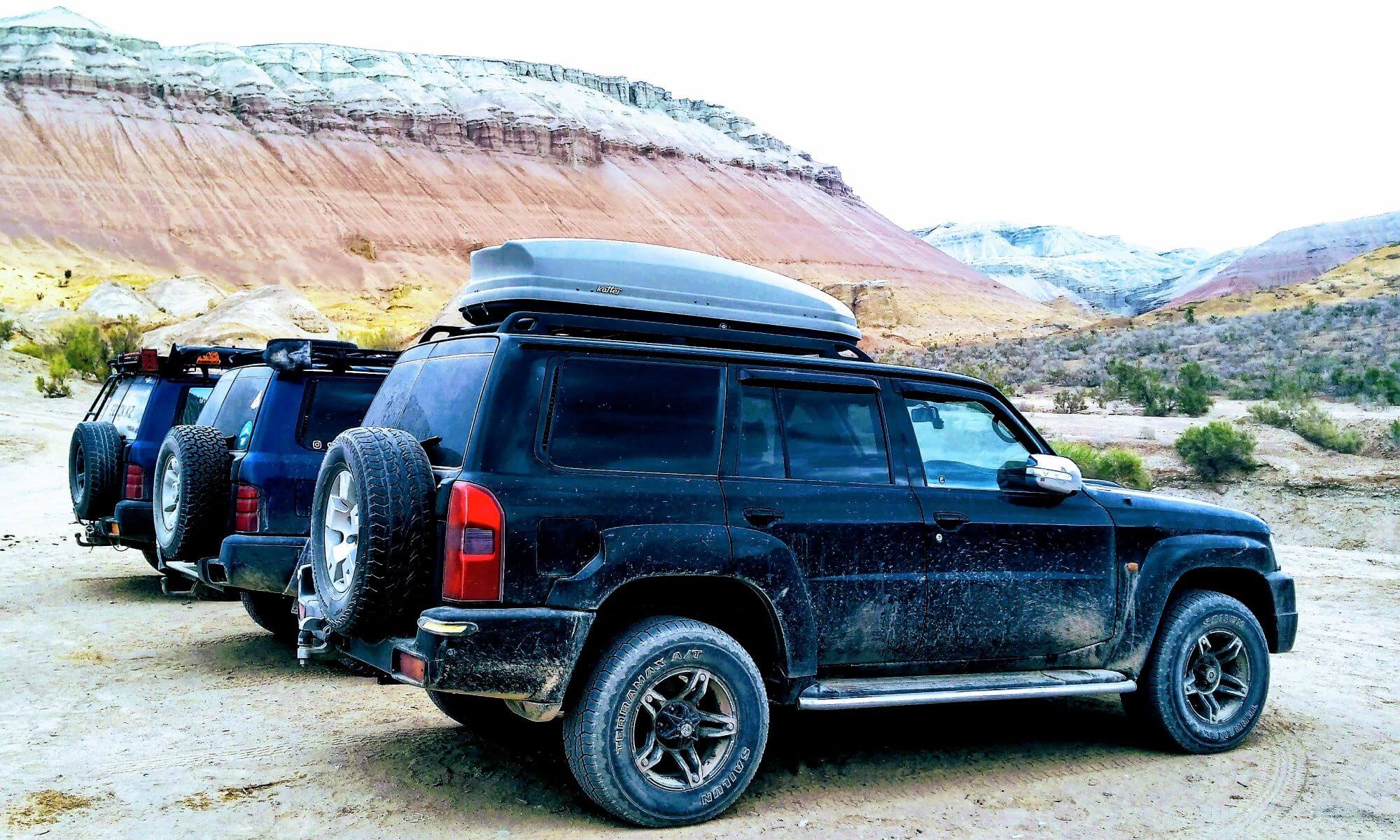
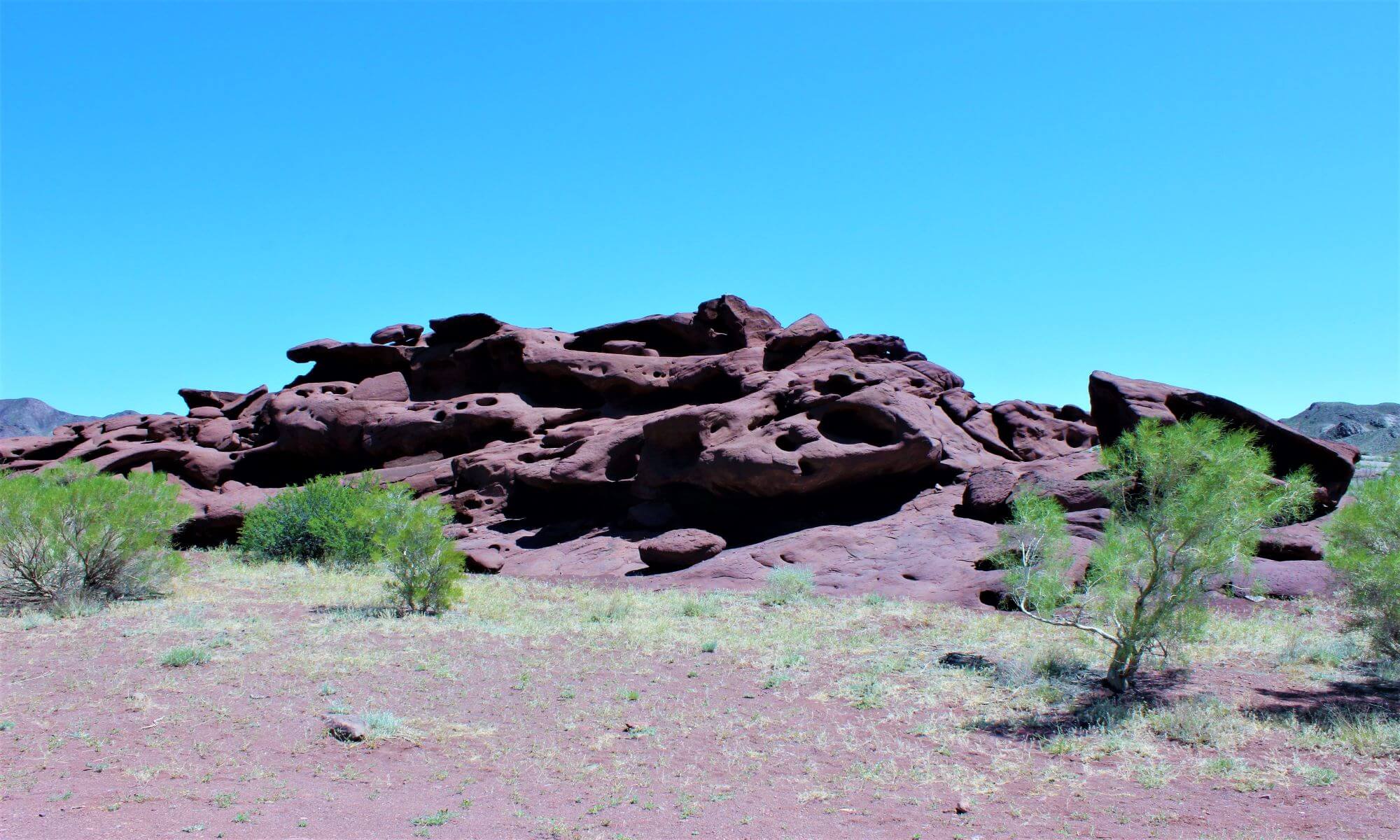
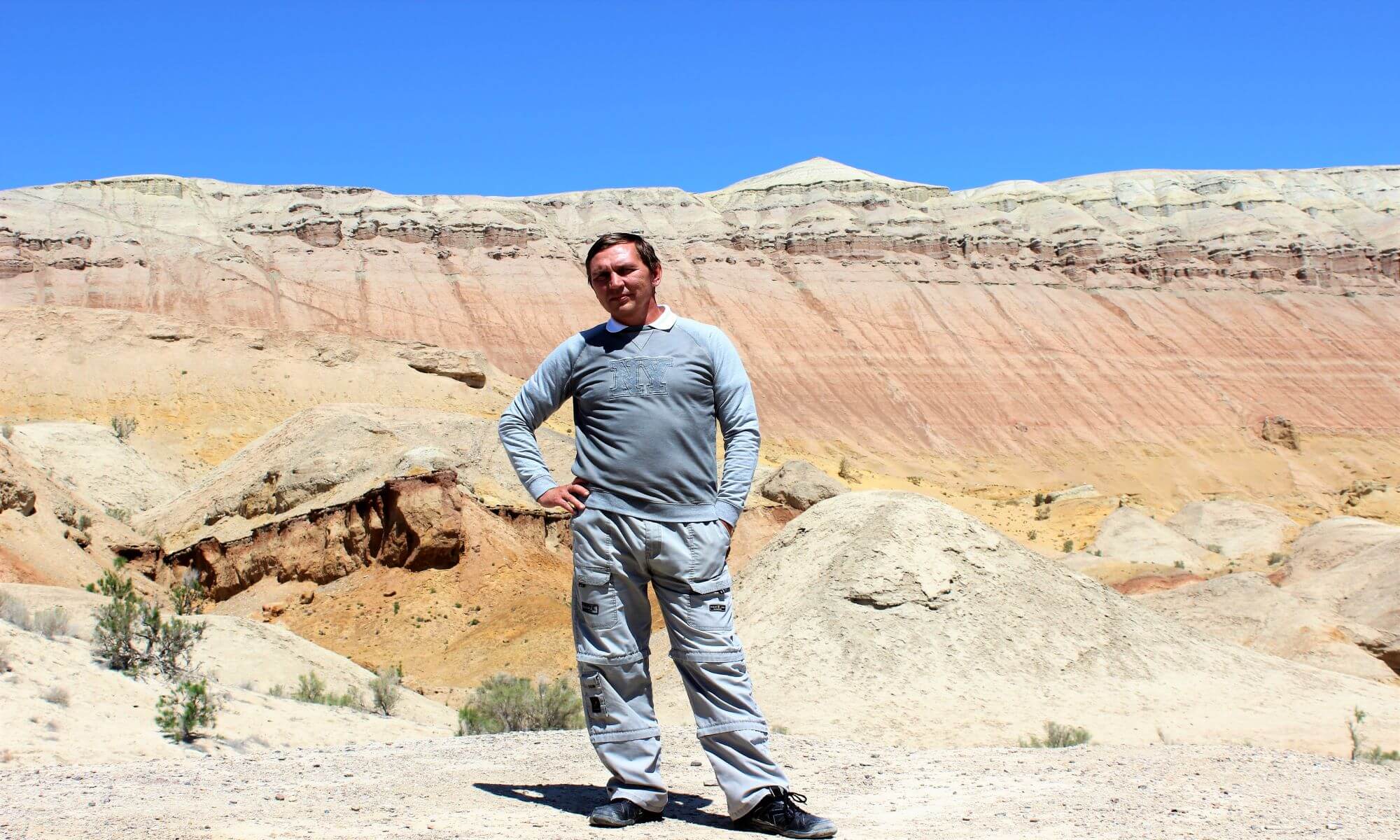
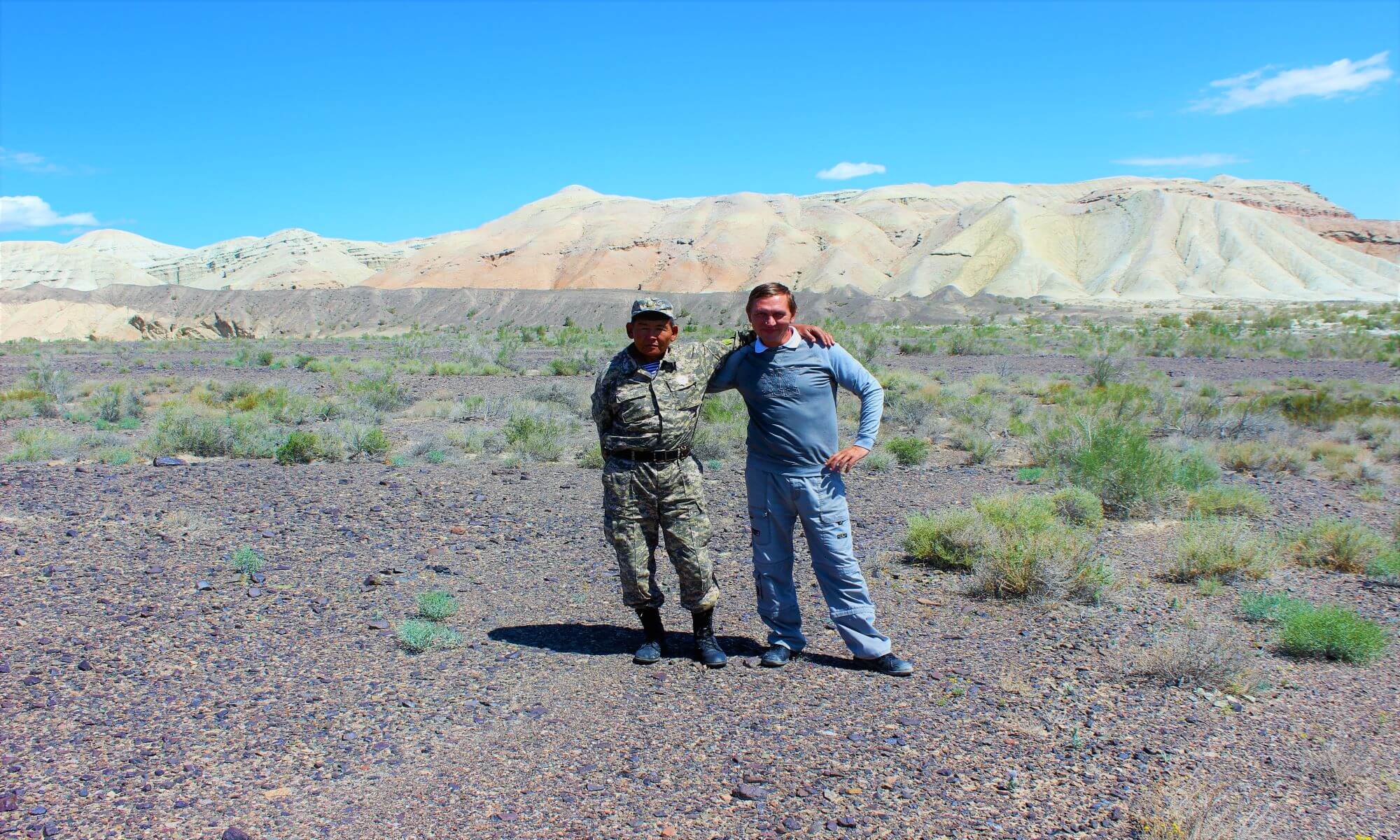
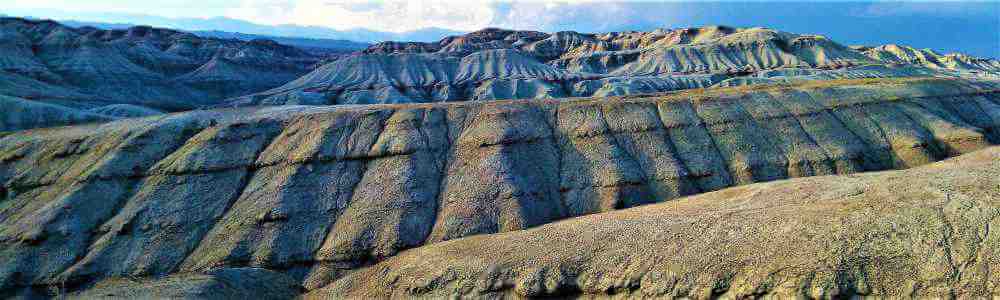
The surface of the mountains is practically devoid of vegetation, only on rare pebbles stand out single saxaul bushes, contrasting with their greenery with the red slopes of the mountains. However, the flora of the mountains is quite diverse, besides there is no fertile land here, only pebbles, sand and pressed clay. There is no sign of water in these areas. The fauna is represented by gazelles, wild goats (tauteke) and kulans. This is an untouched and wild piece of the desert. Staying in the Aktau mountains, you involuntarily fall out of modern times and come into contact with eternity. These landscapes existed thousands of years ago, this is how our ancient ancestors saw them, and this is how we see them now.
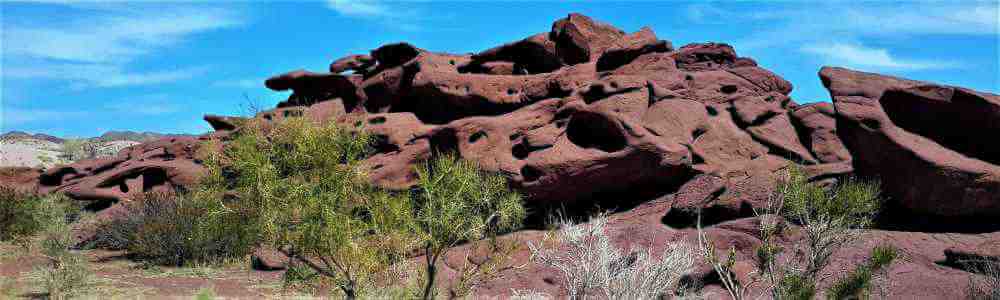 Another unique attraction of the Altyn Emel National Park is the volcanic mountains Katutau. They are located not far from the Aktau mountains. In ancient times there were volcanoes that were not smaller in size that Vesuvius and Etna in Europe. The Katutau Mountains are a silent witness to the history of the planet. The name Katutau means "harsh mountains". They were formed by the solidified lava of two large volcanoes that were once active in this place. The evidence of volcanic activity was the finds of the remains of mud volcanoes in the area adjacent to the mountains. At the foot of the volcanoes there was a huge prehistoric body of water. Millions of years passed, the reservoir disappeared, the bottom of the reservoir gradually began to collapse under the influence of wind and water. Buried volcanic vents, lava flows, volcanic ash and debris were exposed. From all this, nature has created bizarre sculptures, surreal compositions and individual forms.
In the eastern and western parts of the Katutau mountains, there are two paleo volcanoes of the most common form - large lava domes. The eruptions of the volcanic mass were powerful: heavy avalanches and scorching clouds, loaded with debris, covered large areas. Bomb-ash and lava flows and covers alternate with each other and have different thicknesses, sometimes reaching 100 m.
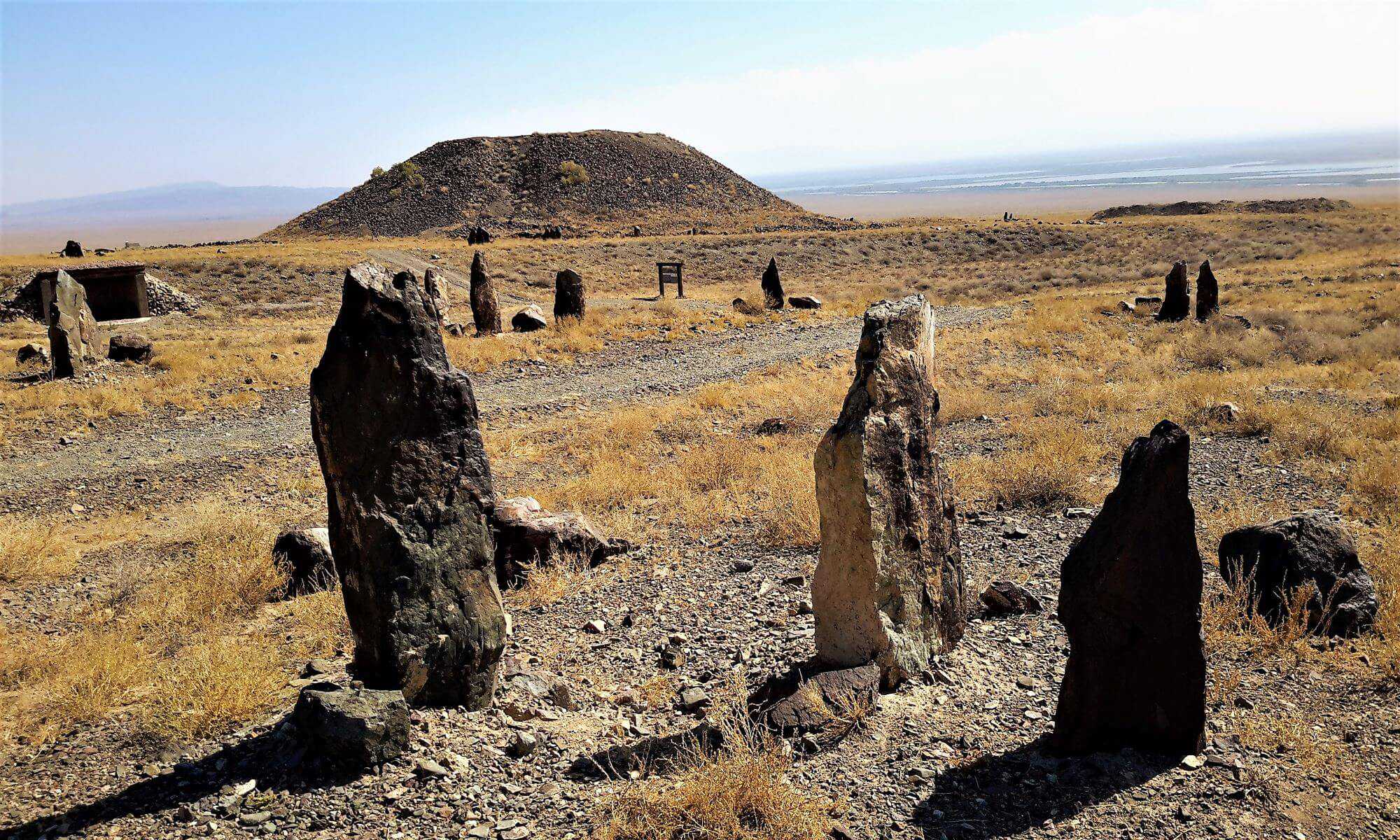
 And following in a jeep safari along Altyn Emel, we pass the Mynbulak cordon, which in Kazakh means “a thousand springs”. Near the cordon there are steles "Oshaktas" or "stone-hearth". The steles are stone statues, installed vertically in the ground, the height of which exceeds 2 m. According to legend, in 1219 during the campaign to conquer Central Asia, the great Mongol conqueror Genghis Khan settled here on vacation with his army. To feed the army, a giant cauldron was erected on the boulders, where food was prepared. According to another version, "Oshaktas" is a signal tower on which a fire was kindled and smoke was blown up in the event of an enemy approaching. There is also a version that the steles are a sacred place where rituals were performed and sacrifices were made to the gods. During a jeep tour, every tourist has the opportunity to see with his own eyes the incomprehensible structures, and, perhaps express a plausible version of their origin.
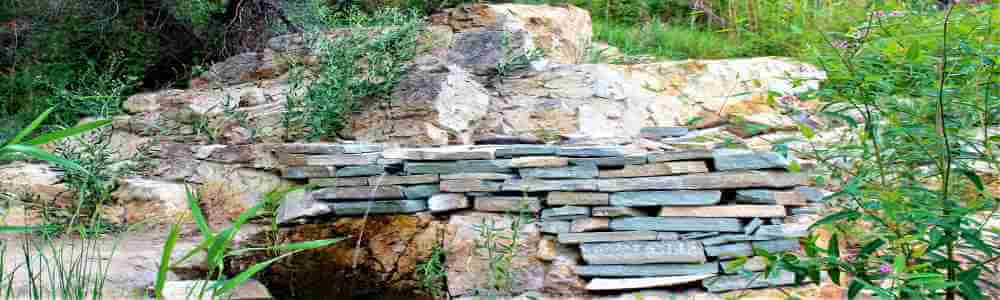 At the foot of the Small Kalkan mountains, where we also move during the jeep tour, there is a spring named after Chokan Valikhanov. In 1856, an expedition from Russia to distant Kashgaria headed by the great scientist and traveler Chokan Valikhanov ran along our route. The expedition stopped at a spring to rest, and Chokan Valikhanov himself drank water from this spring. Since then, people have famed the spring as a saint, possessing healing water and curing many diseases.
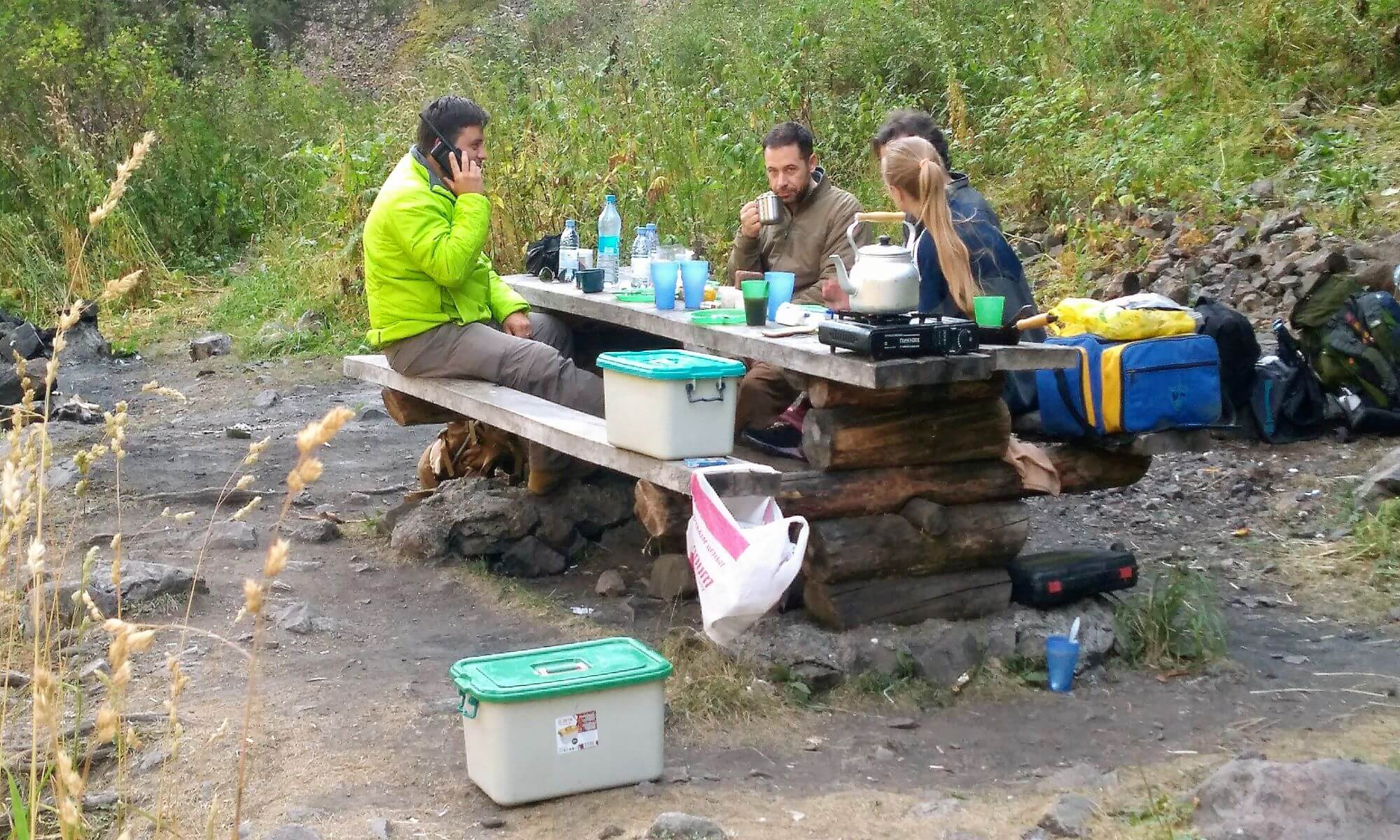
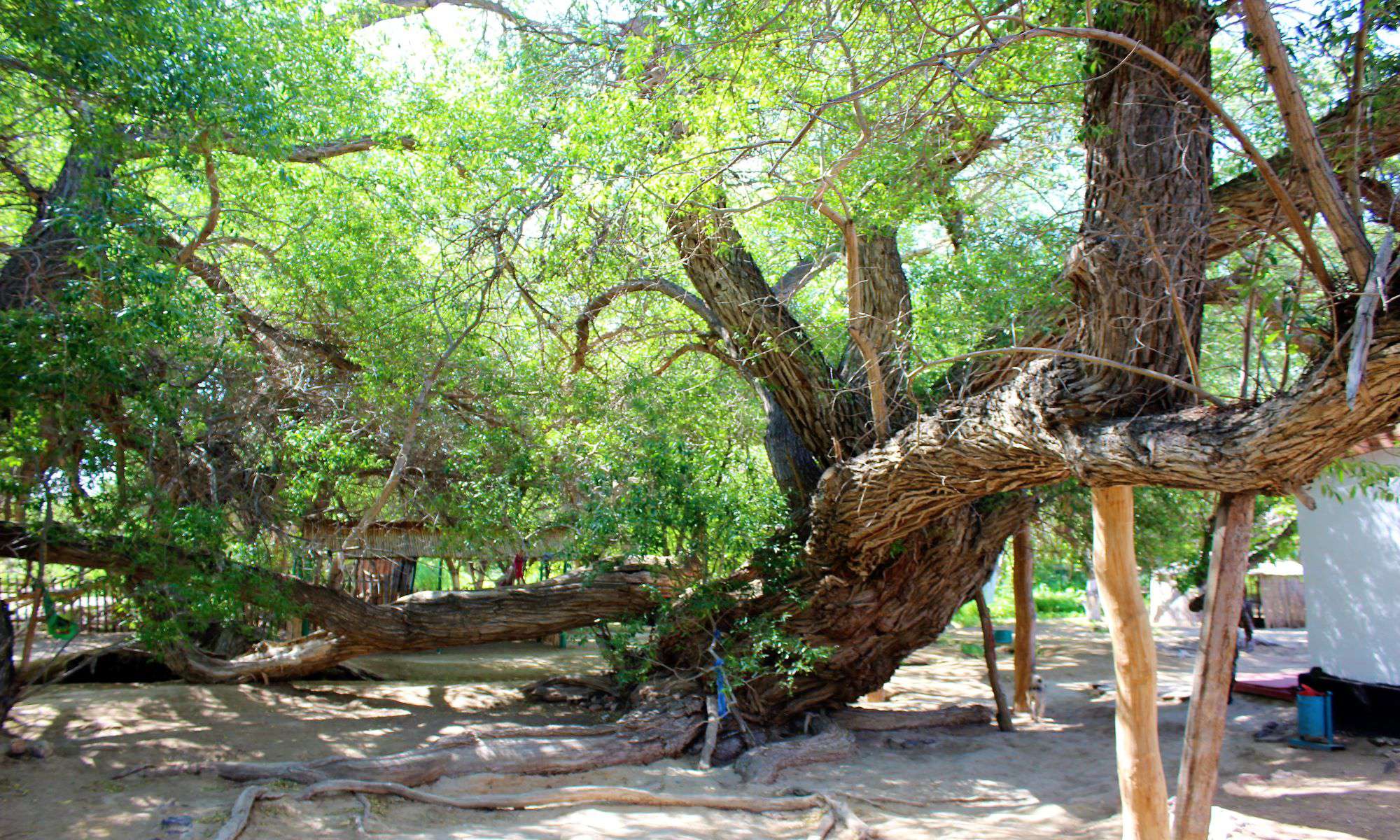
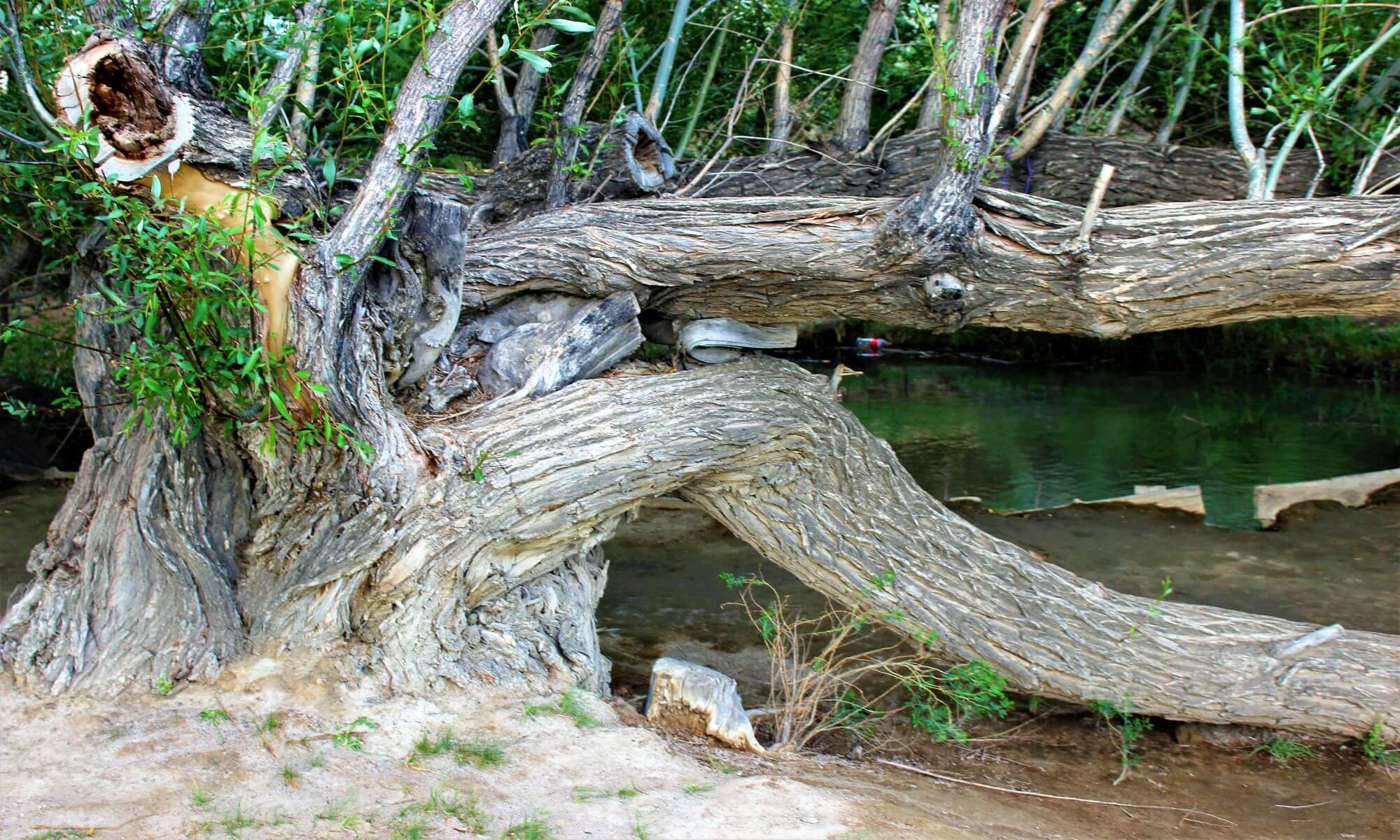
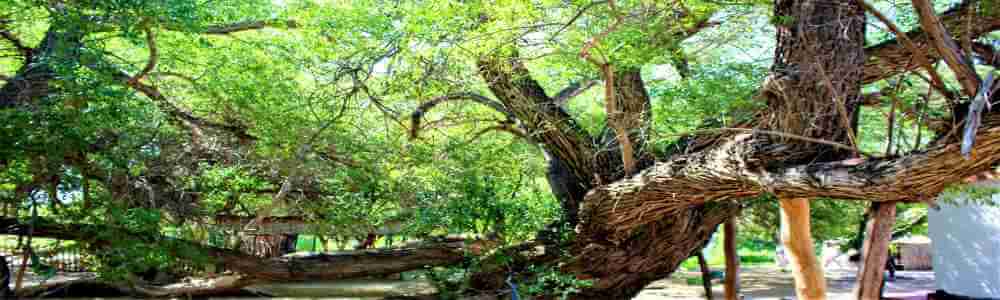 Also on the territory of the park is the Kokbastau cordon, on the territory of which there is a specially protected natural object - a 700-year-old willow. The tree was discovered during geological expedition in 1960s. The age is confirmed by the size of the trunk of the tree, as well as the branches in the form of thick trunks resting on the ground. The locals consider the tree sacred, and its damage according to legend, can bring death. There is a legend that in the 12th century, during a campaign to Central Asia, Genghis Khan and his army rested under this tree. Willow remains the same hospitable today, where we organize camping overnight for tourists who has chosen overnight under the starry sky instead of guest house.
 In addition to the aforementioned natural attractions, the Altyn Emel National Park will also appeal to fans of historical jeep tours. The Ungirkora cave is located in the Dry Gorge and is mentioned in all textbooks on the history of Kazakhstan. This place is known as the site of the likely camp of primitive people. The cave has round, as if hewn walls. Scientists believe that ancient people made it for their homes look more comfortable. The entrance to the cave reaches 20 meters in height, in front of the entrance there is a large area on which no grass grows, which makes it possible not to be afraid of attacks by predators when entering and exiting.
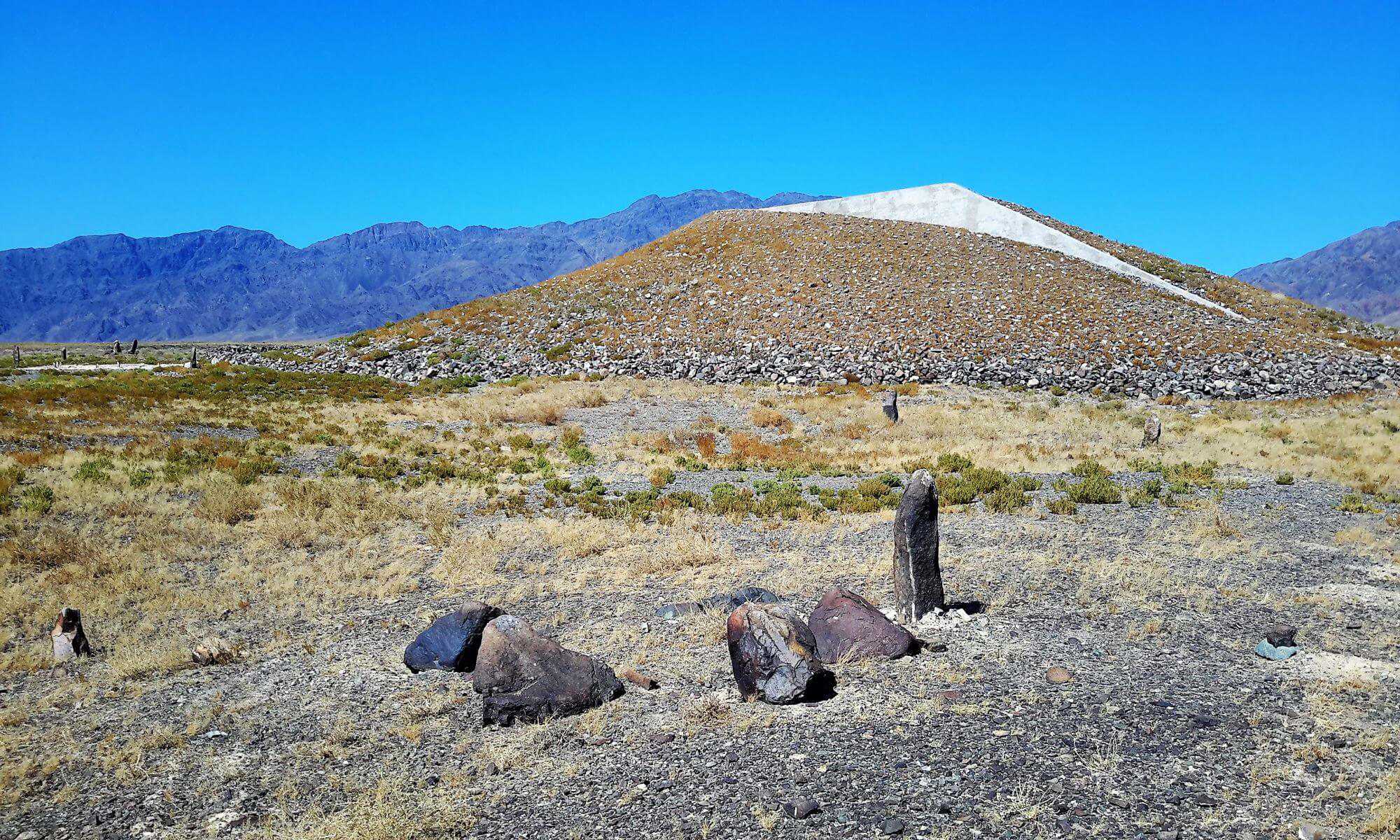
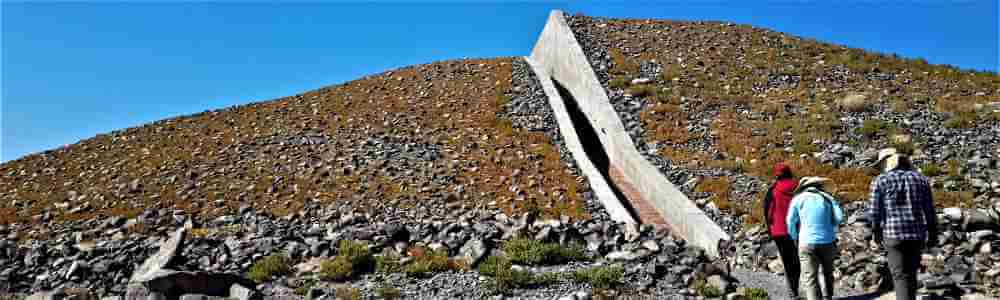 On the bank of the Kapchagai reservoir, on the territory of the Altyn Emel park, there is one of the most famous monuments of Saka culture - the Besshatyr burial ground (“Five tents” from the Kazakh language). The burial ground consists of 31 mounds. For centuries Besshatyr was a sacred place of the Saka tribes who lived in the Ili valley. People came to Besshatyr to worship their ancestors, made sacrifices and various cult rites.
The Big Besshatyr Kurgan stands out, the embankment of which had a diameter of 105 m and a height of 17 m. The Kurgan is surrounded by 94 round fences made of huge stone pillars (mengirs) and boulders dug into the ground. They are located around the mound in the form of a spiral. During the excavation of the fences - traces of fireplaces, burnt animal bones and fragments of pottery were found - traces of memorial sacrifices performed in honor of the king buried here.
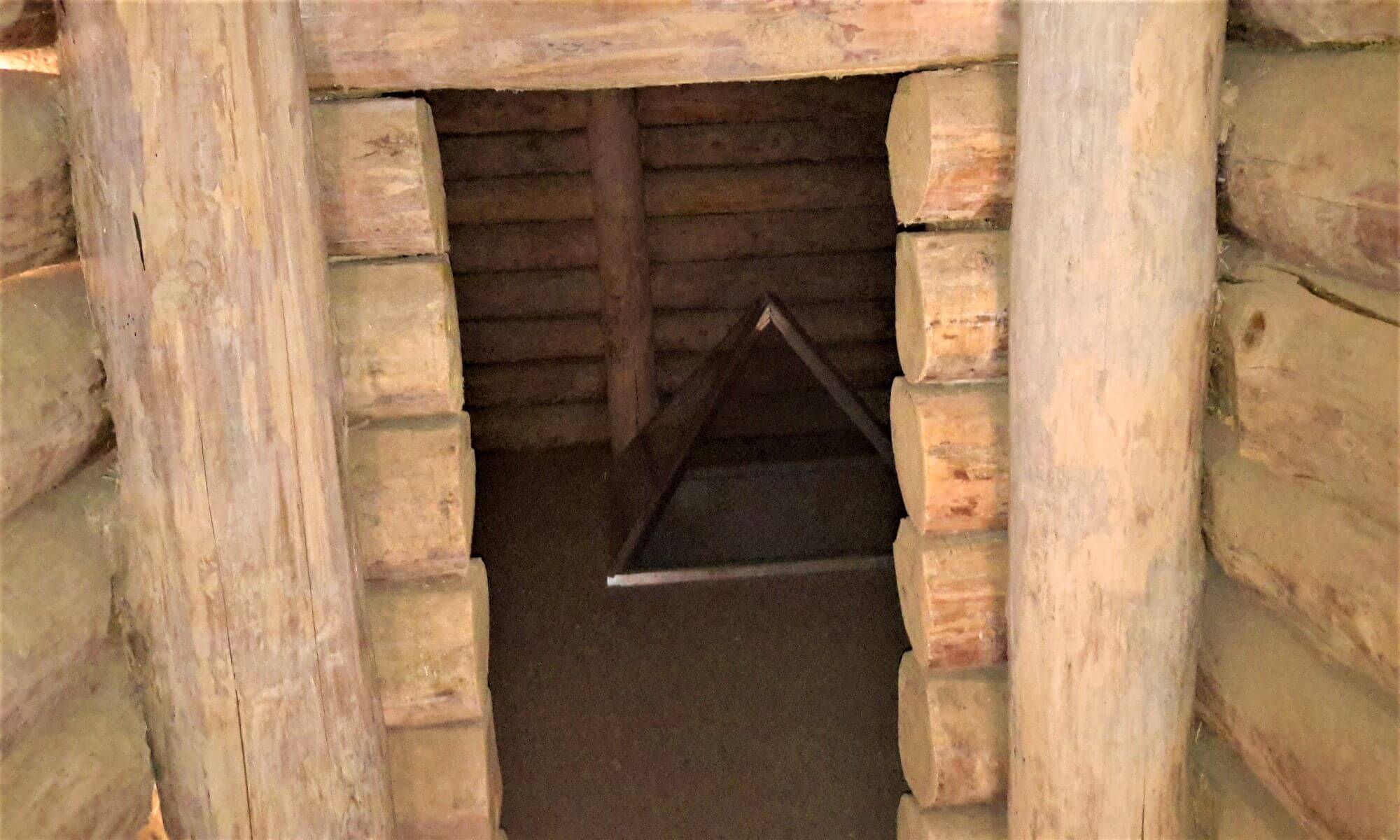
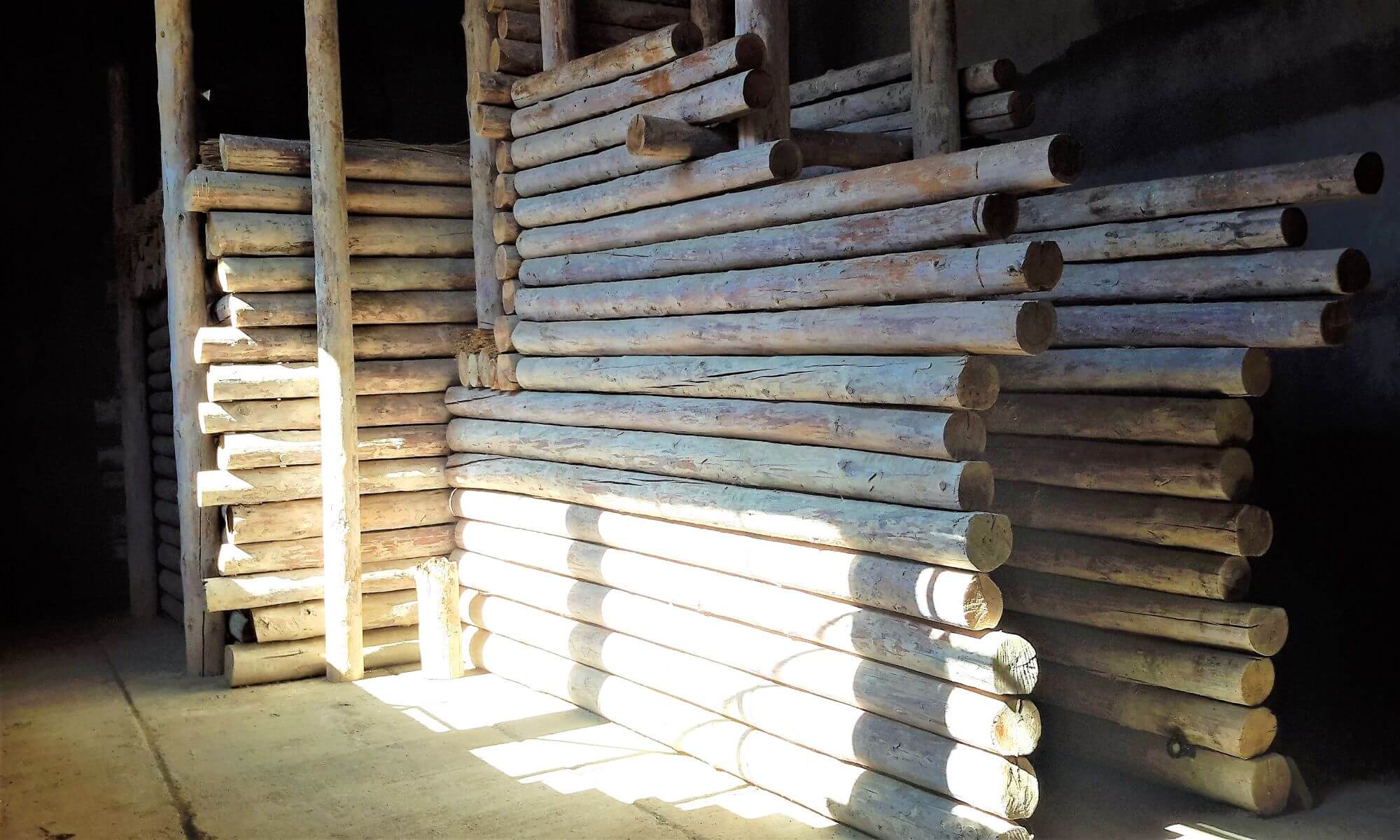
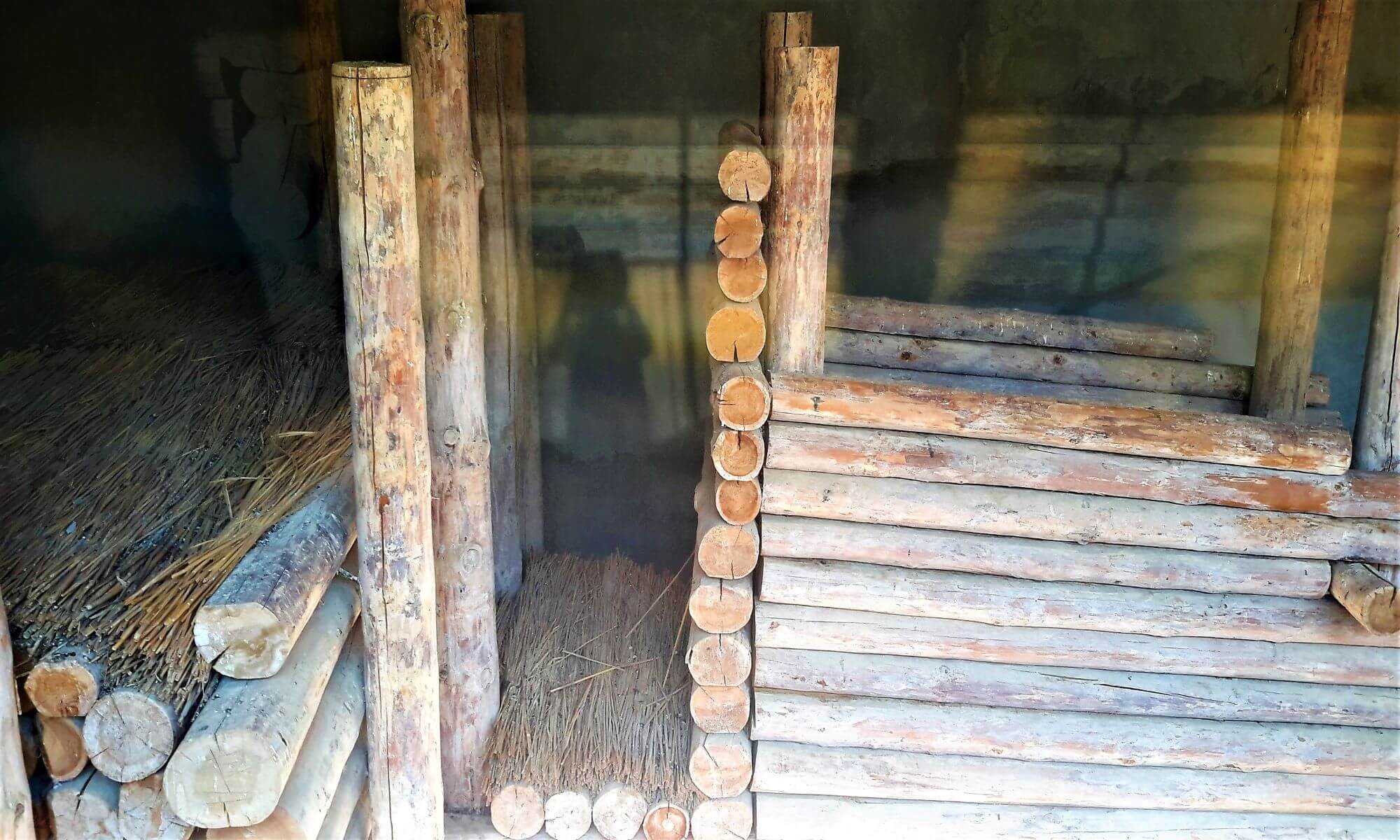
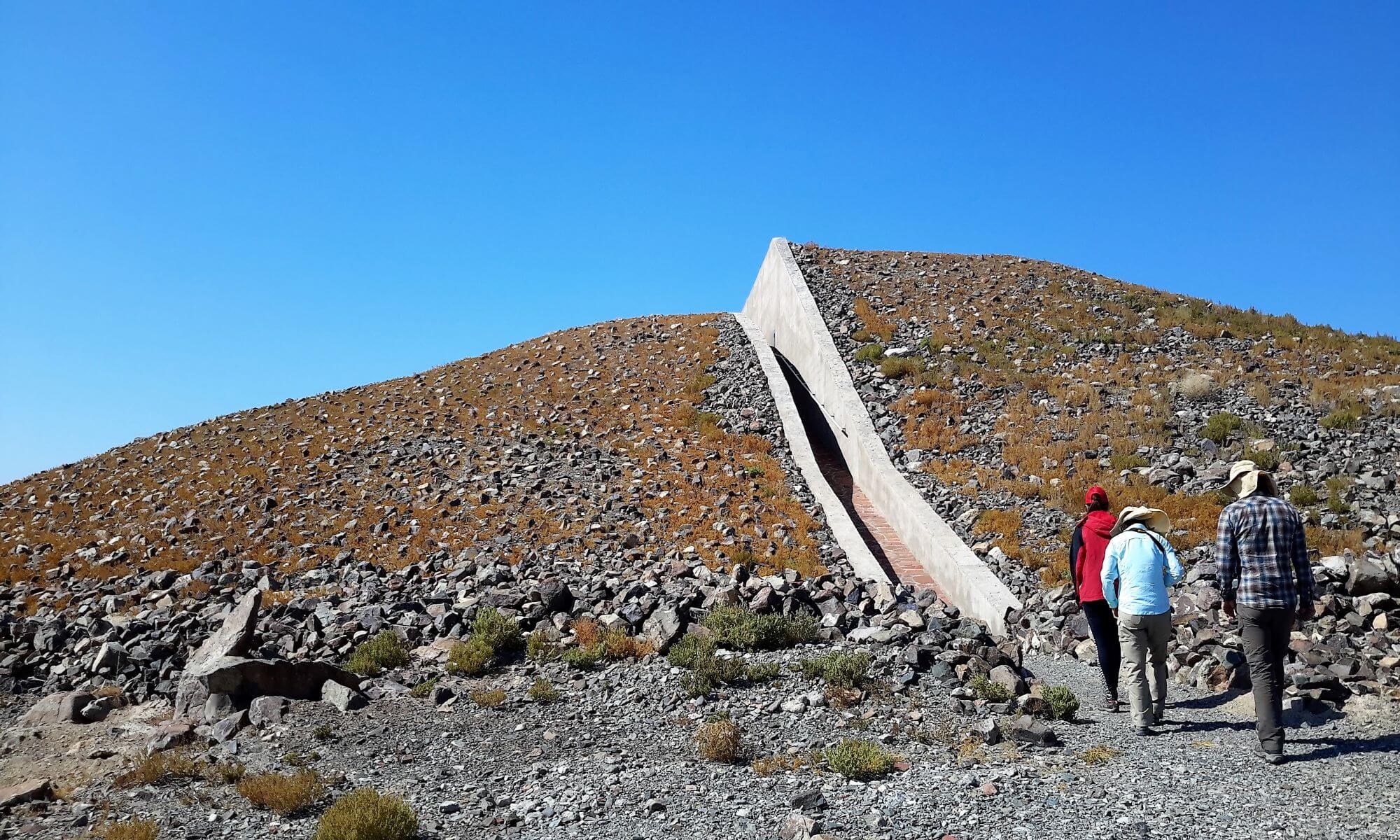
Under the embankment of large mounds, underground passages are open, intended for some kind of rituals. The length of the underground passages under one of the mounds is 55 m, and the height of the tunnel is in some places almost the height of a man.
A feature of the Besshatyr mound complex is the ability to visually study the structure of the main mound. It is a sectional mound, that is, everyone can enter the inside of the mound, see the tsar's tomb in a reconstructed form, and also feel the full power of this structure.
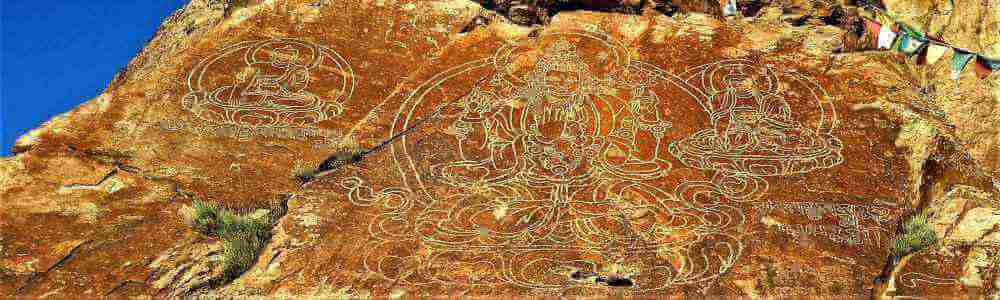 Tamgaly-Tas Buddhist rock carvings are located on the banks of the Ili River. Among the petroglyphs, there are about a thousand rock images, among which the most famous are three images of Buddha: Buddha Shakyamuni, Buddha of Infinite Light Amitabh and bodhisattva of Infinite Compassion Avalokiteshvara. In addition to Buddhist drawings and inscriptions, there is a stone with ancient Türkic runic inscriptions of the 8th-9th centuries. Tamgaly-Tas is under the protection of the government of Kazakhstan as a cultural monument and is an open-air Buddhist temple, as evidenced by a sign at the entrance to the tract. It is still unknown who left the Buddhist prints.