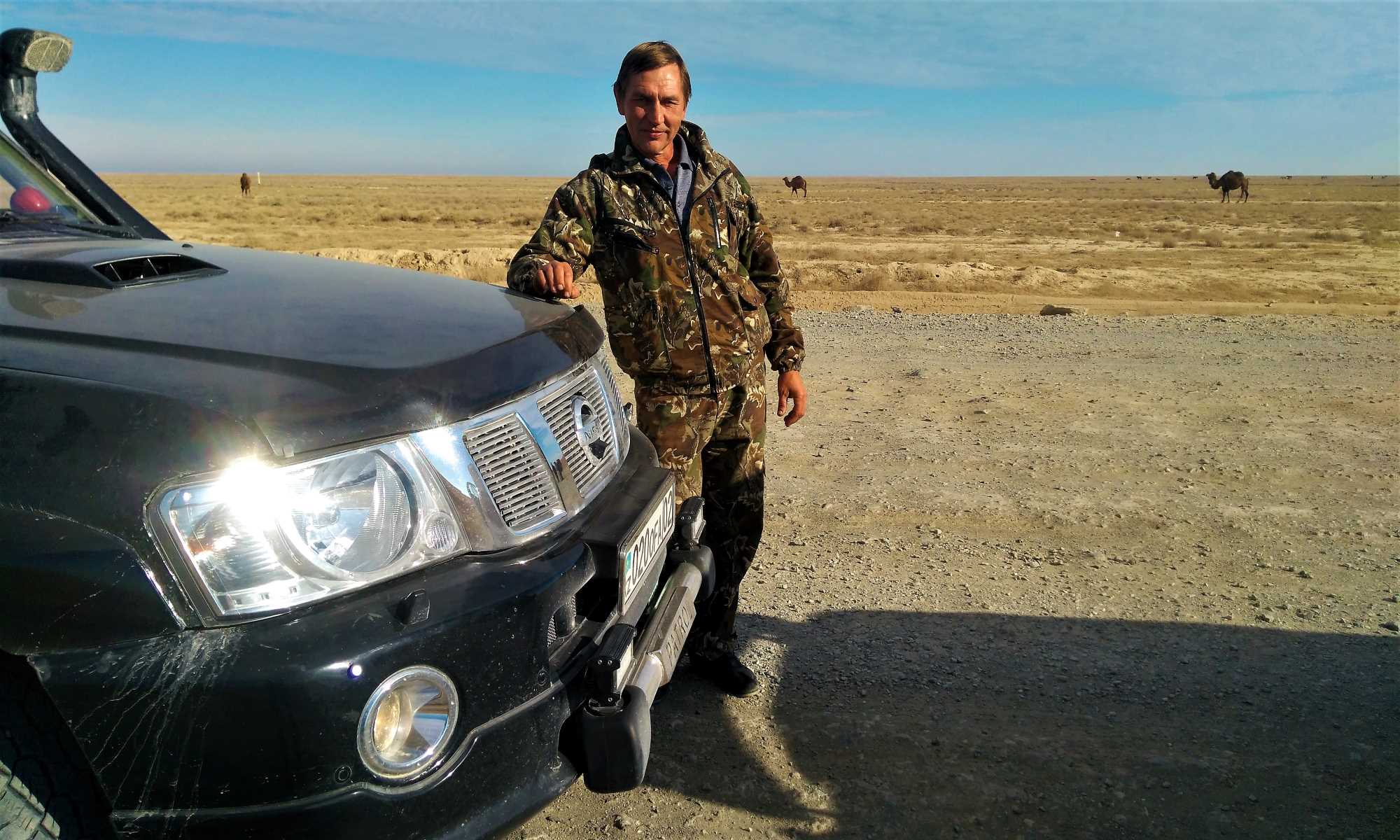

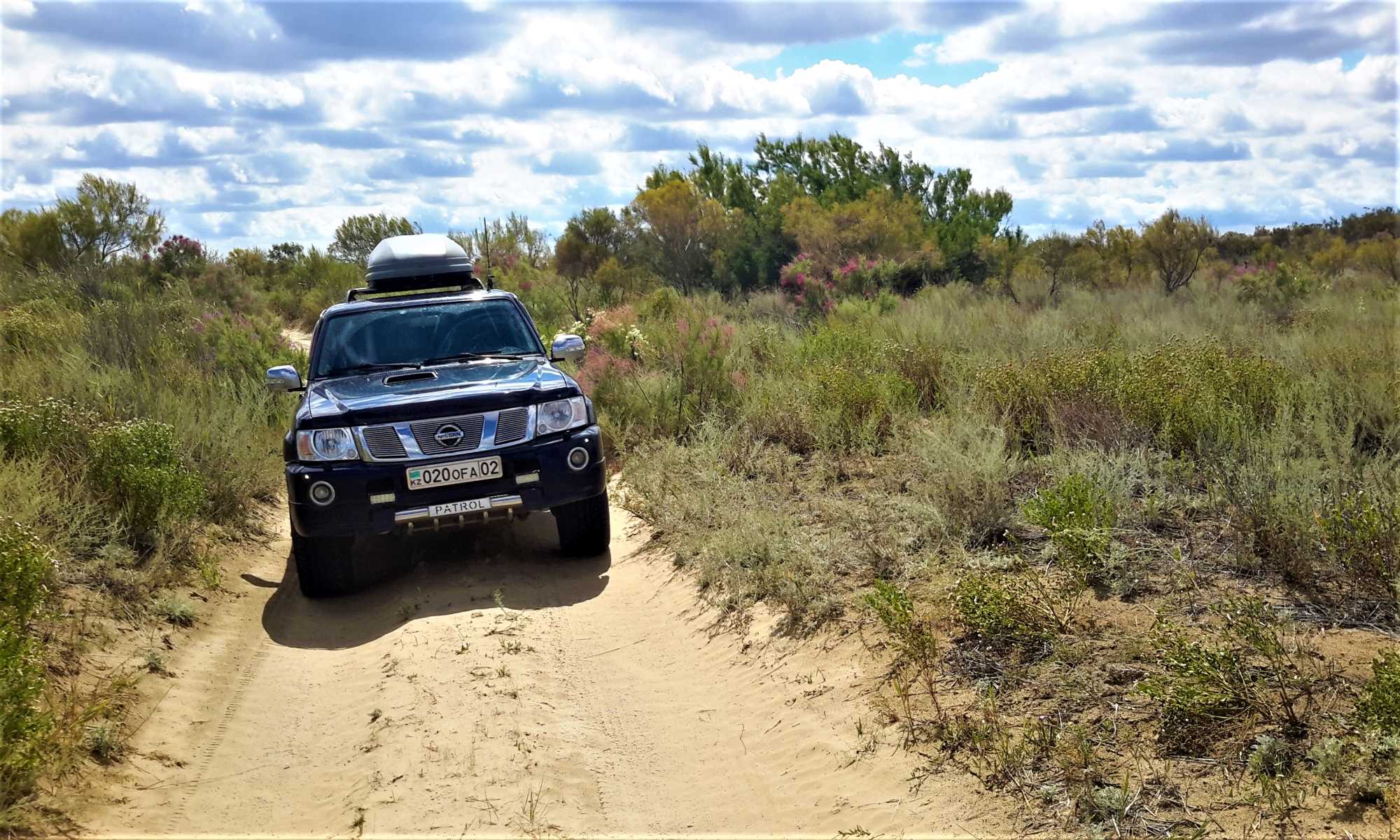
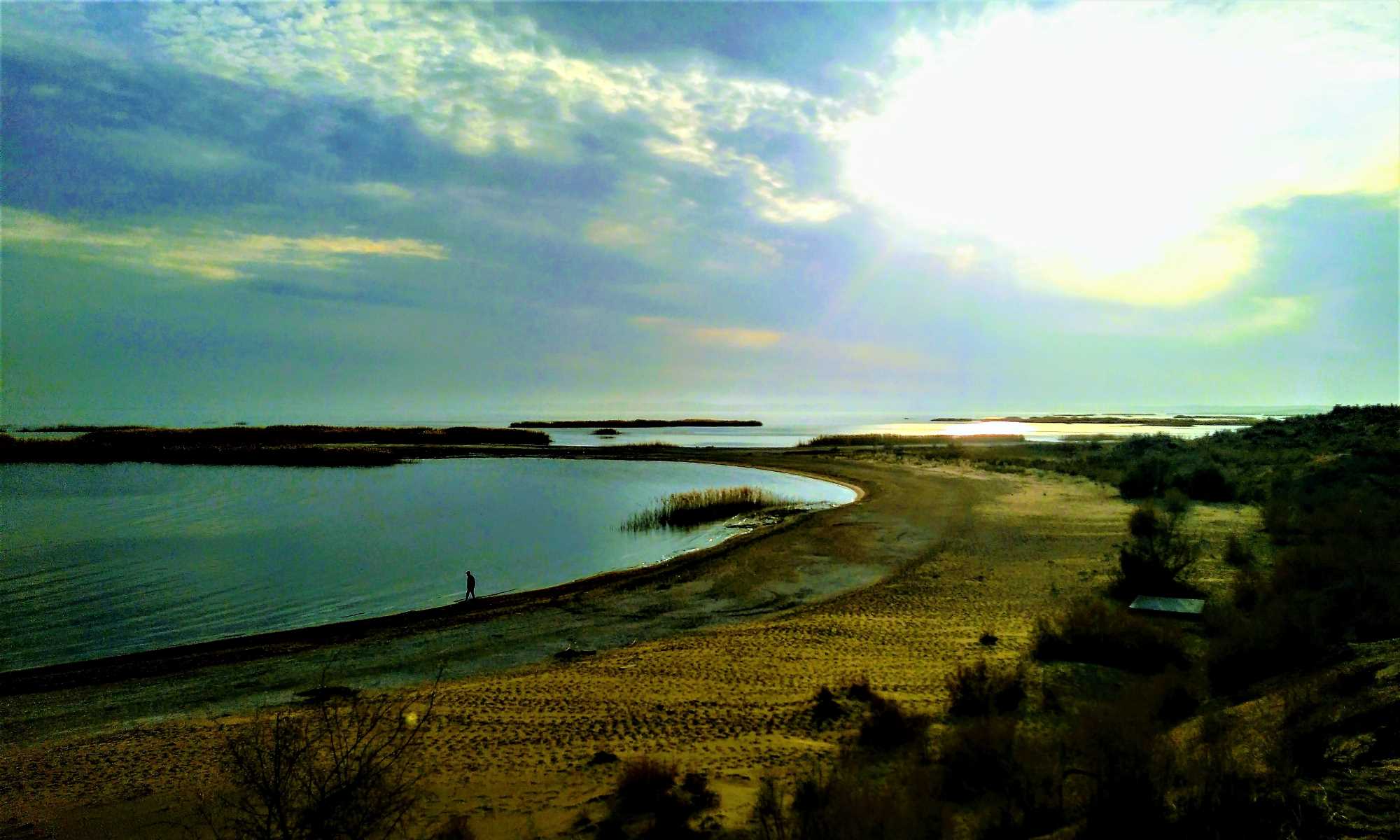

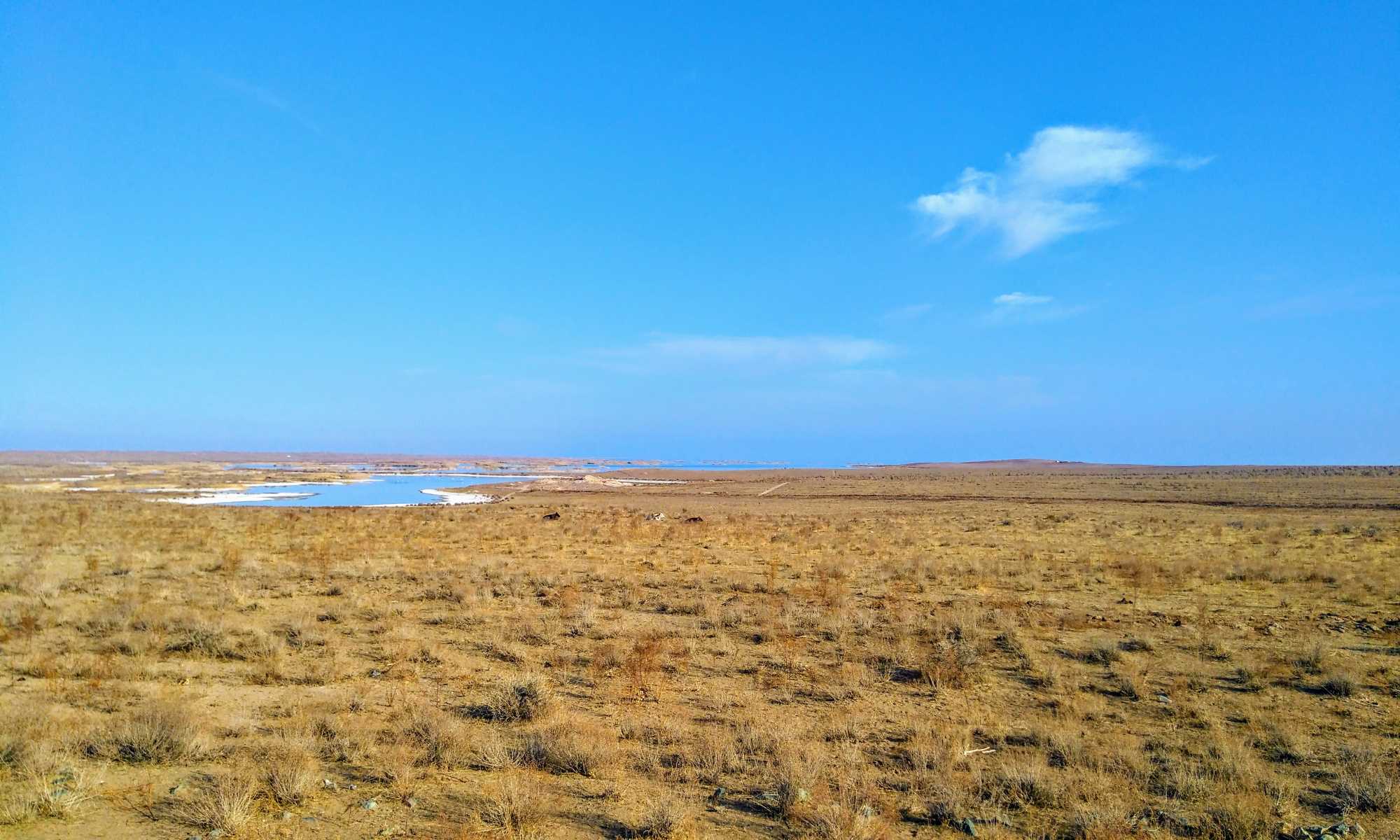


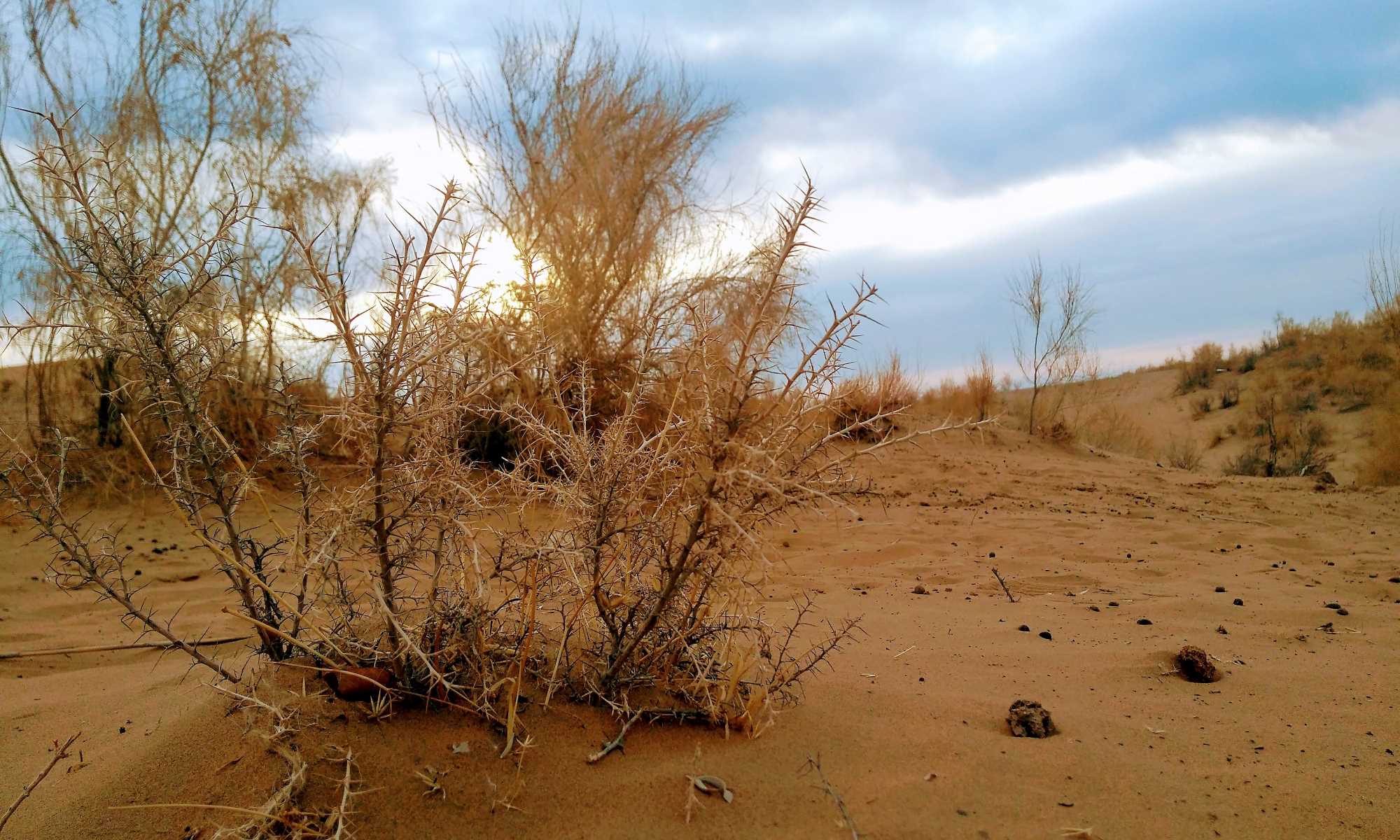

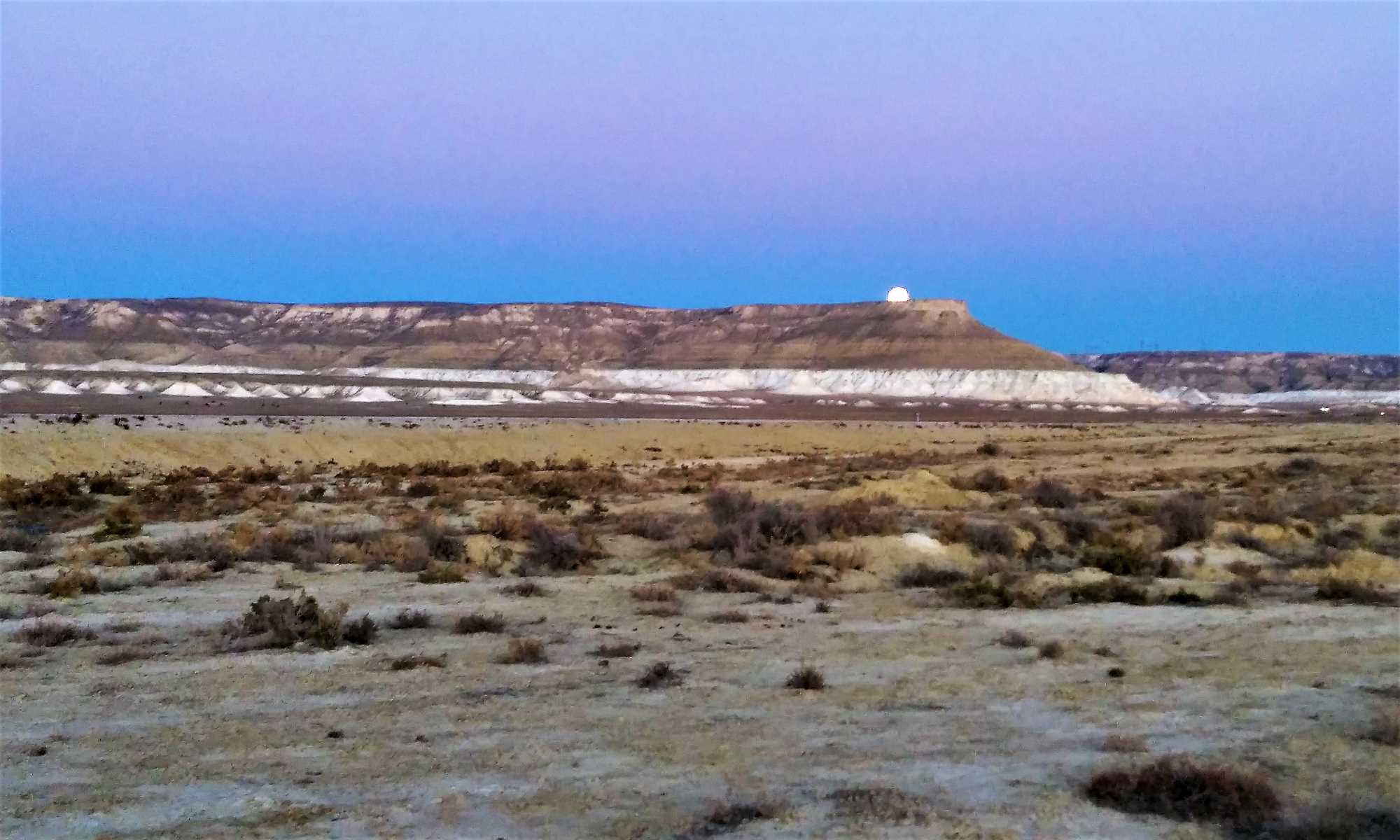
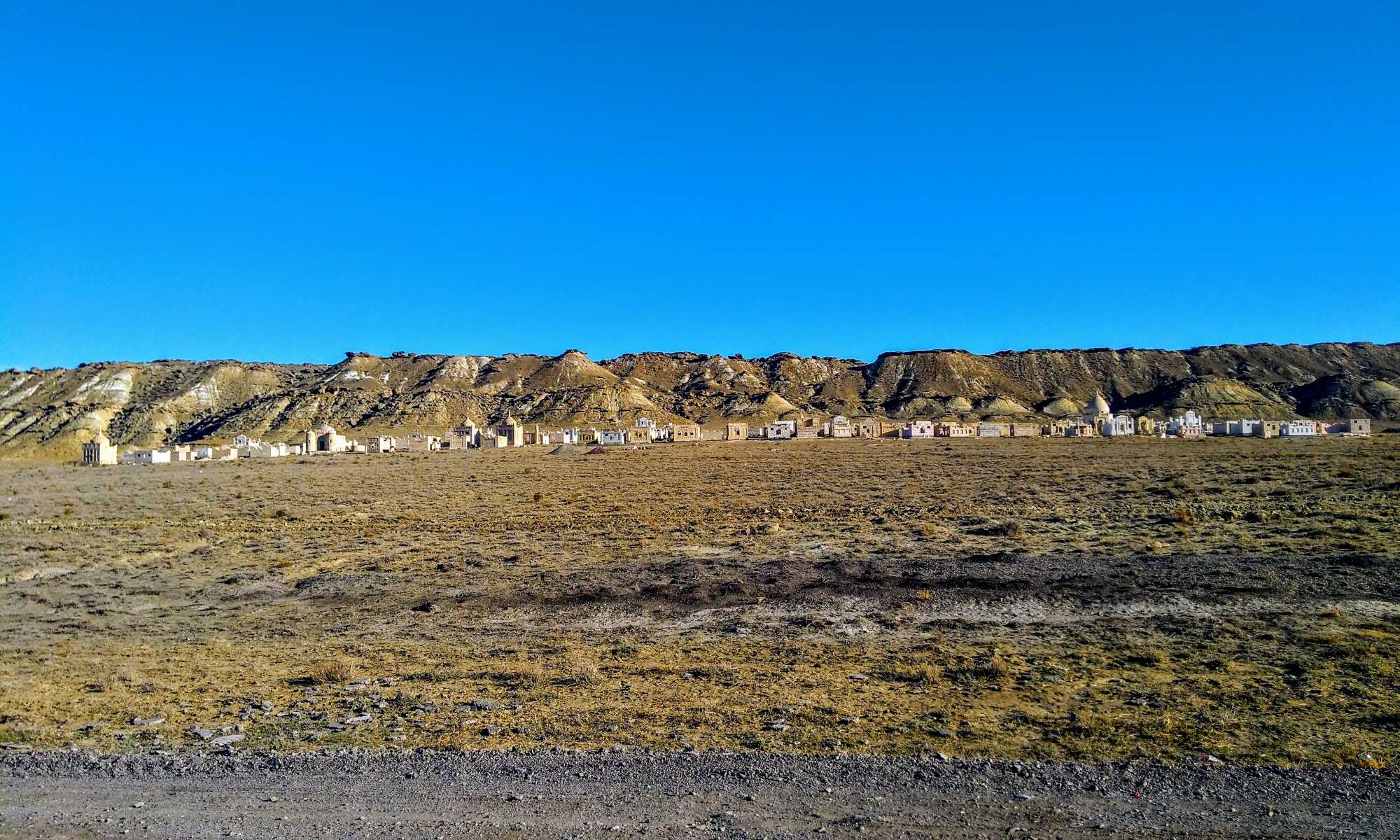
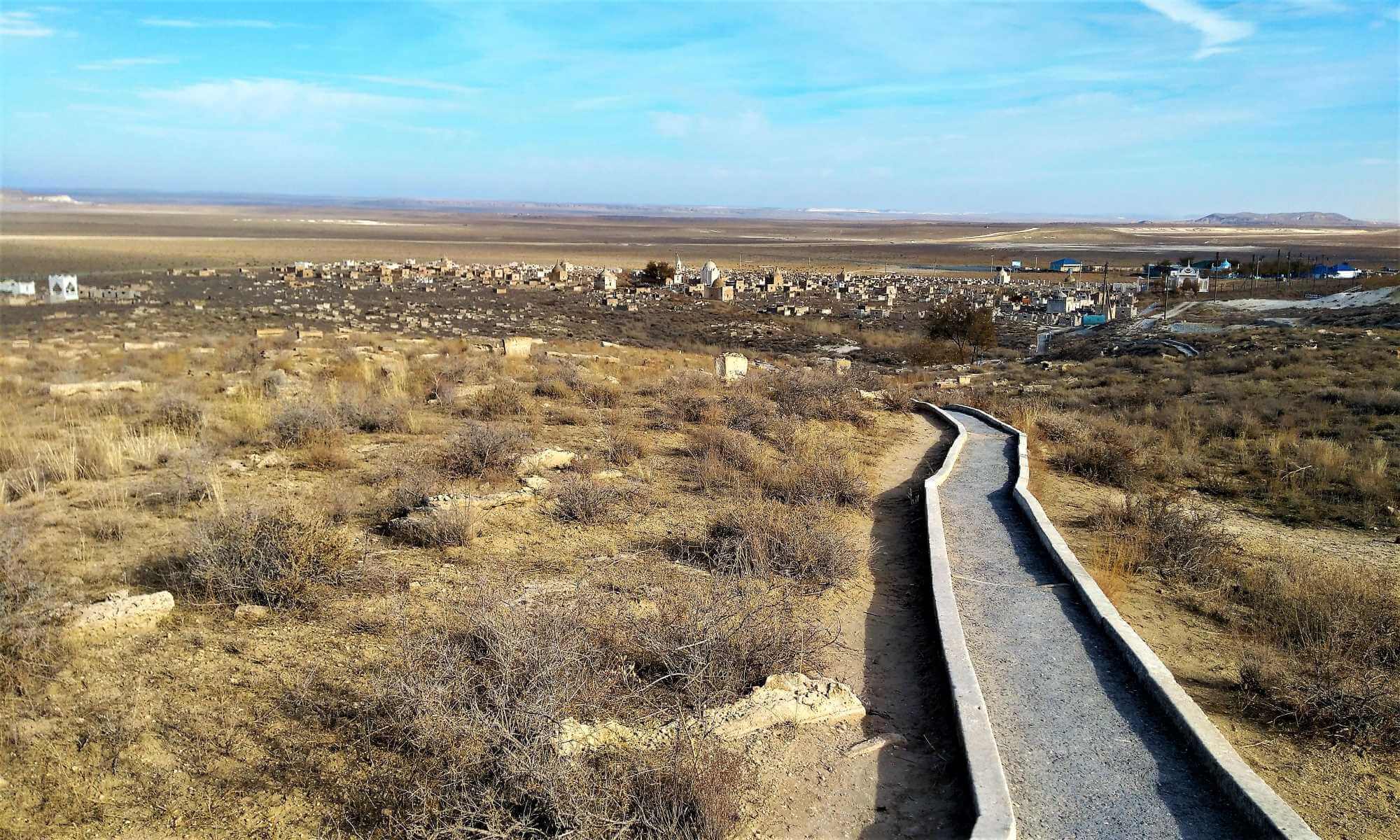

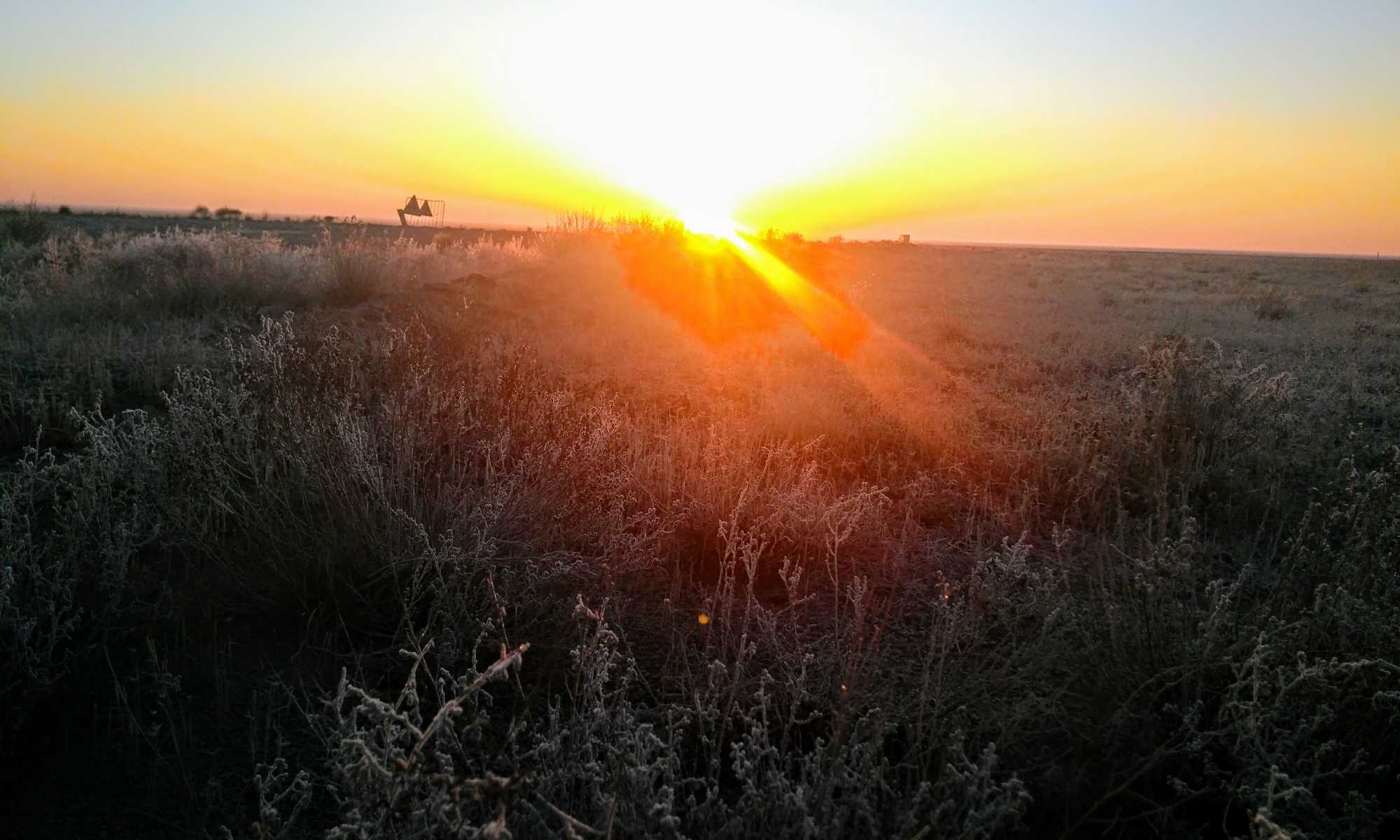
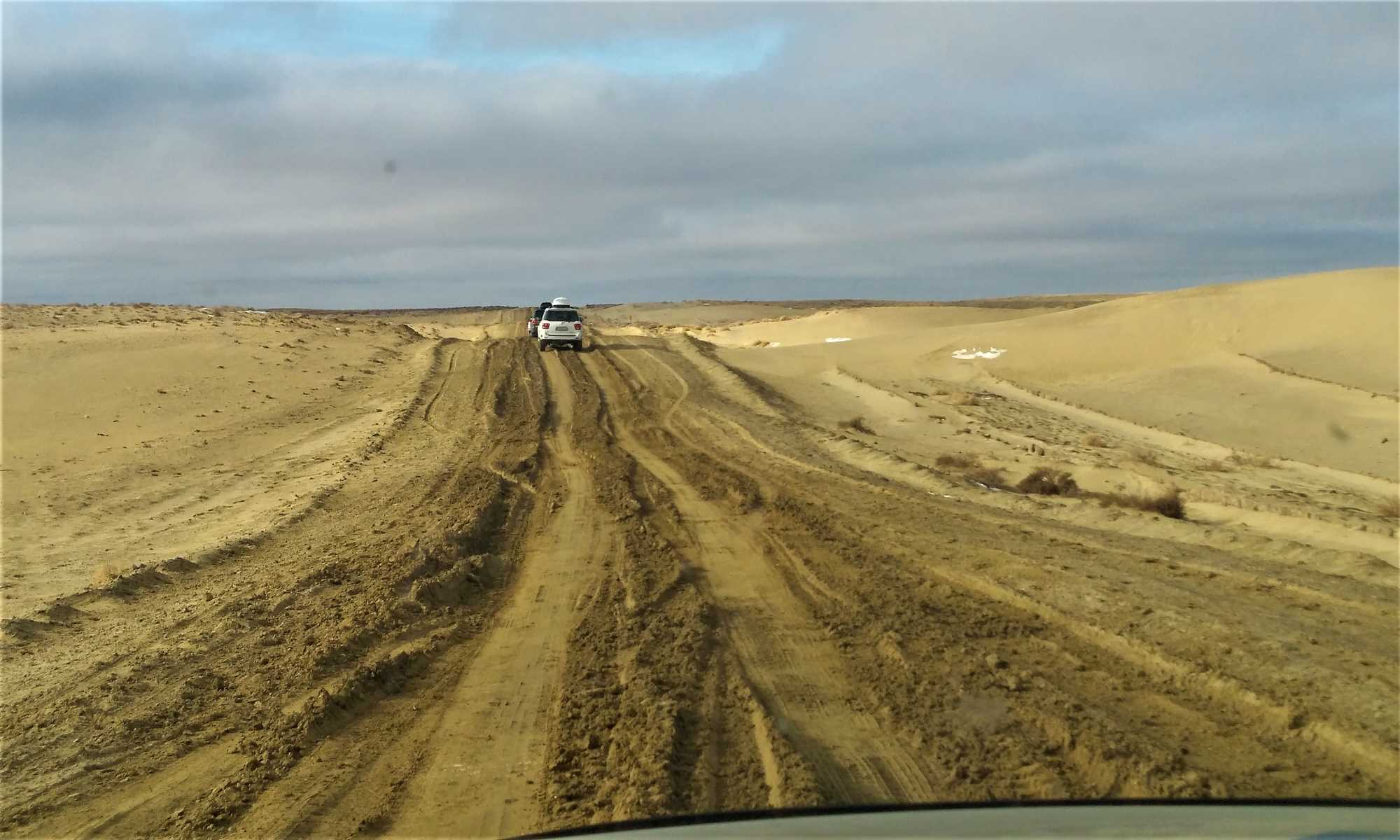
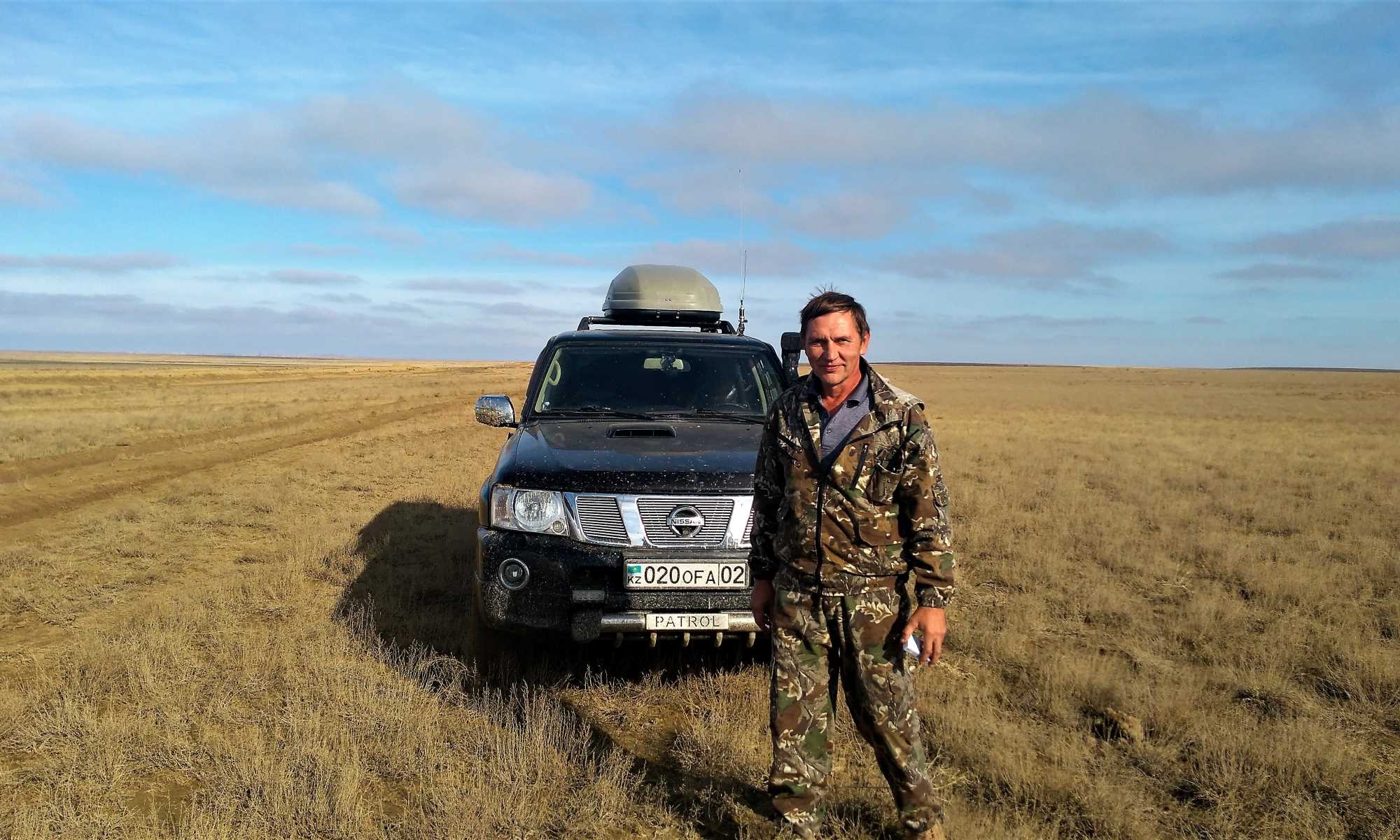
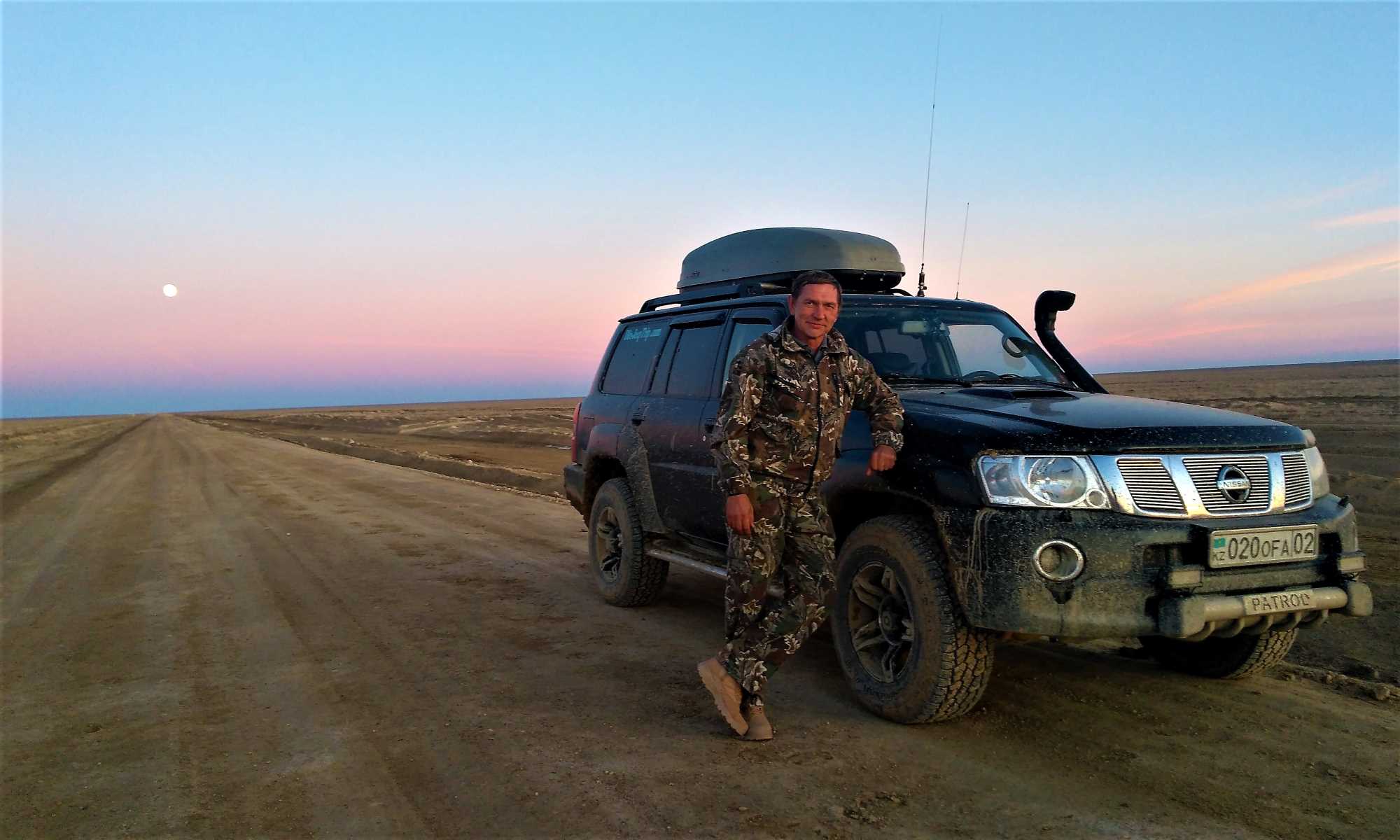
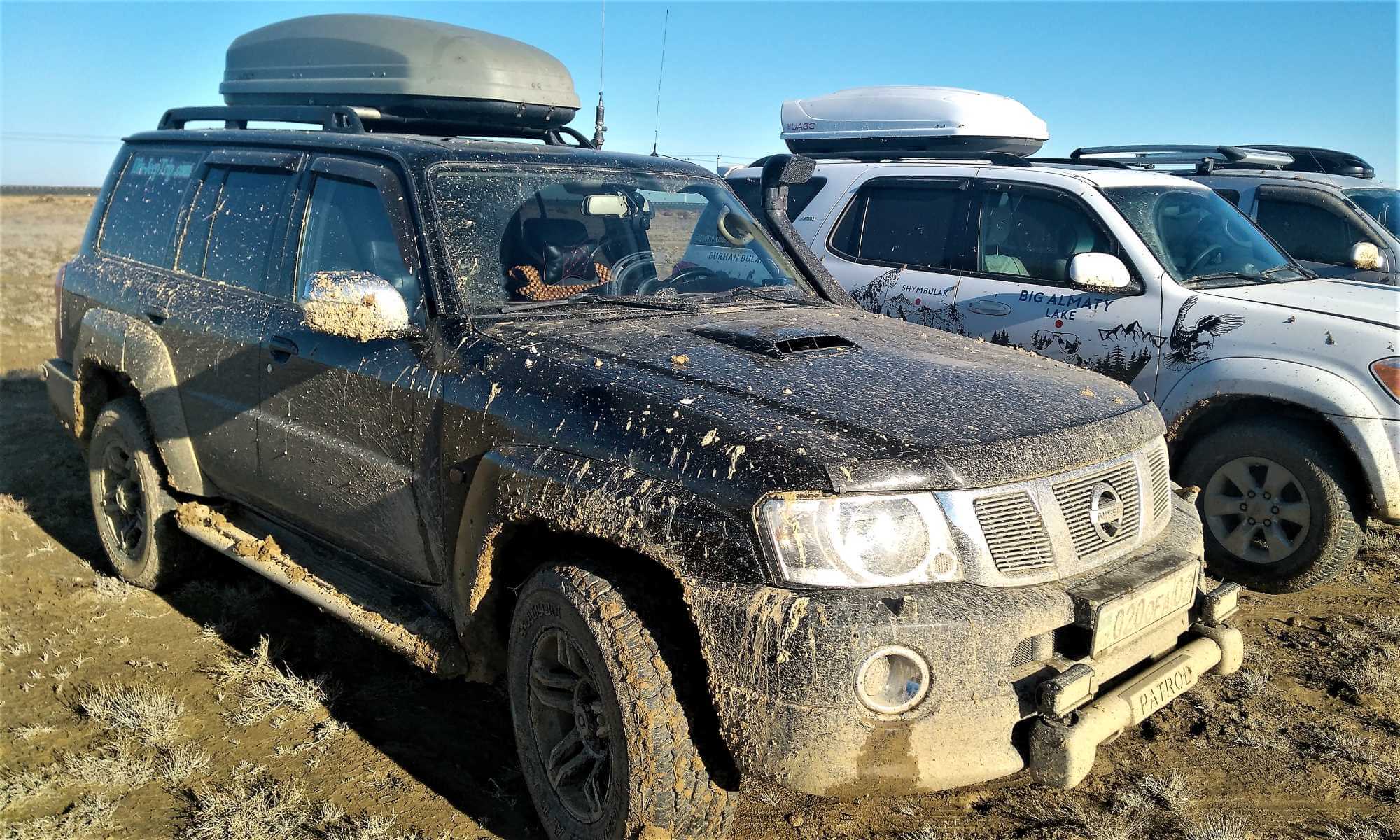
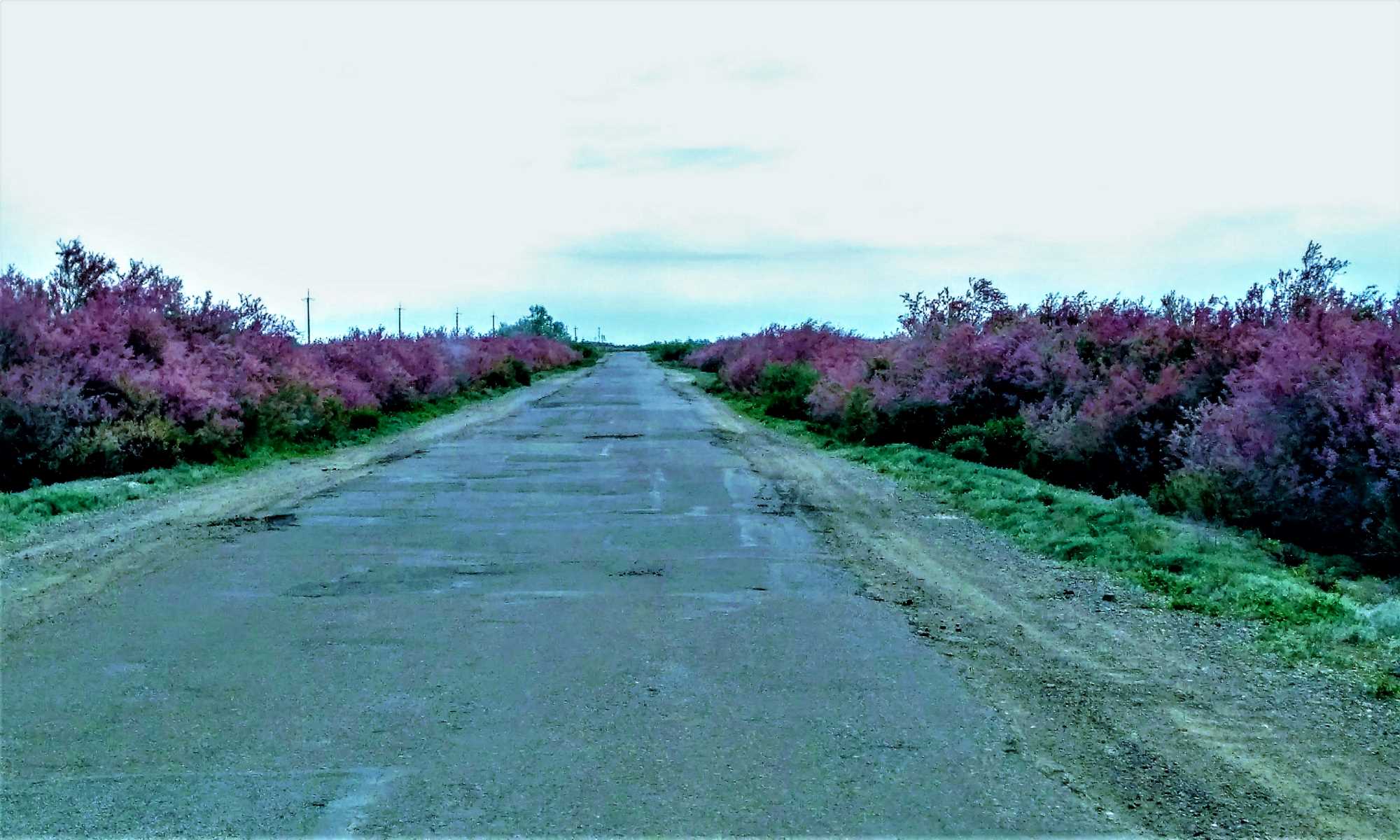
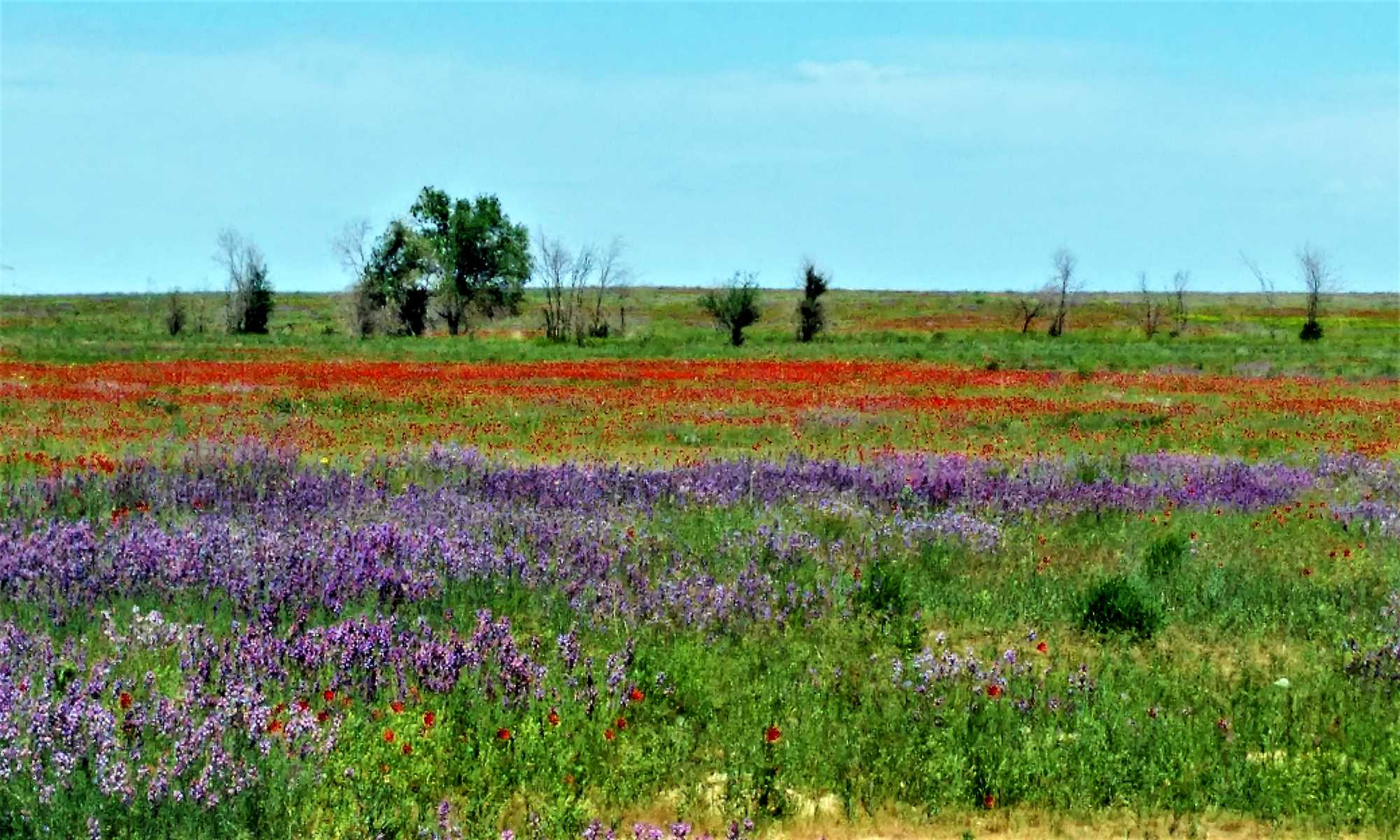

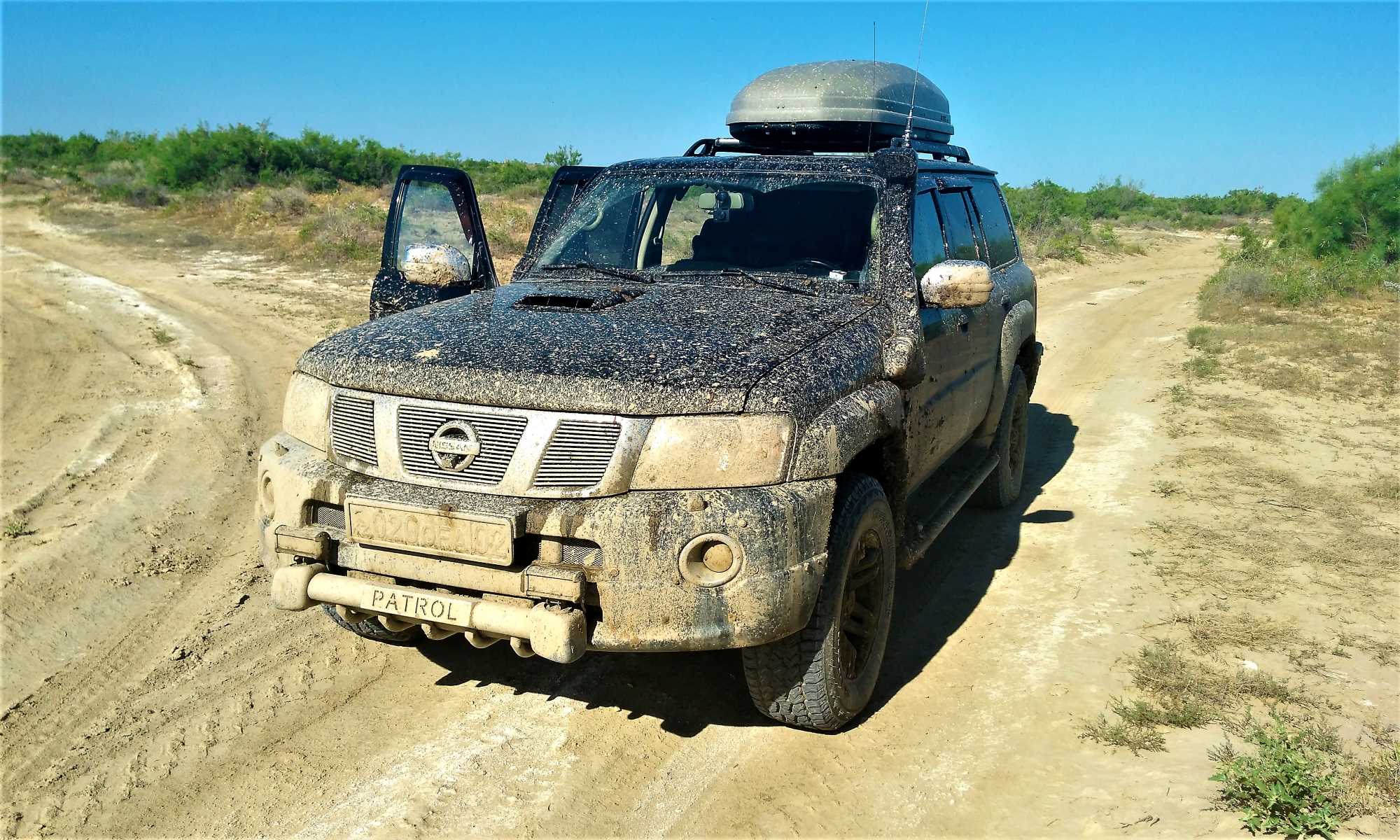
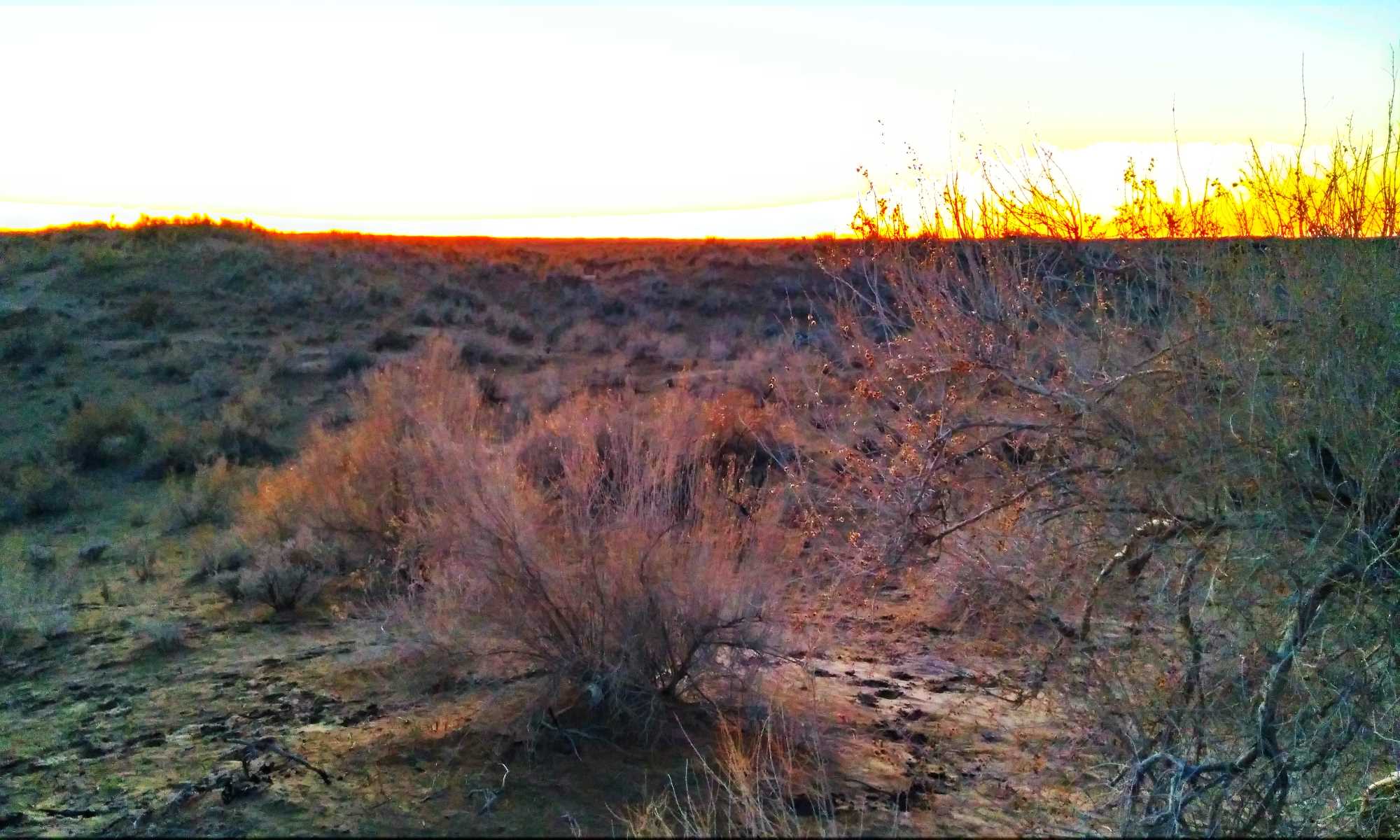
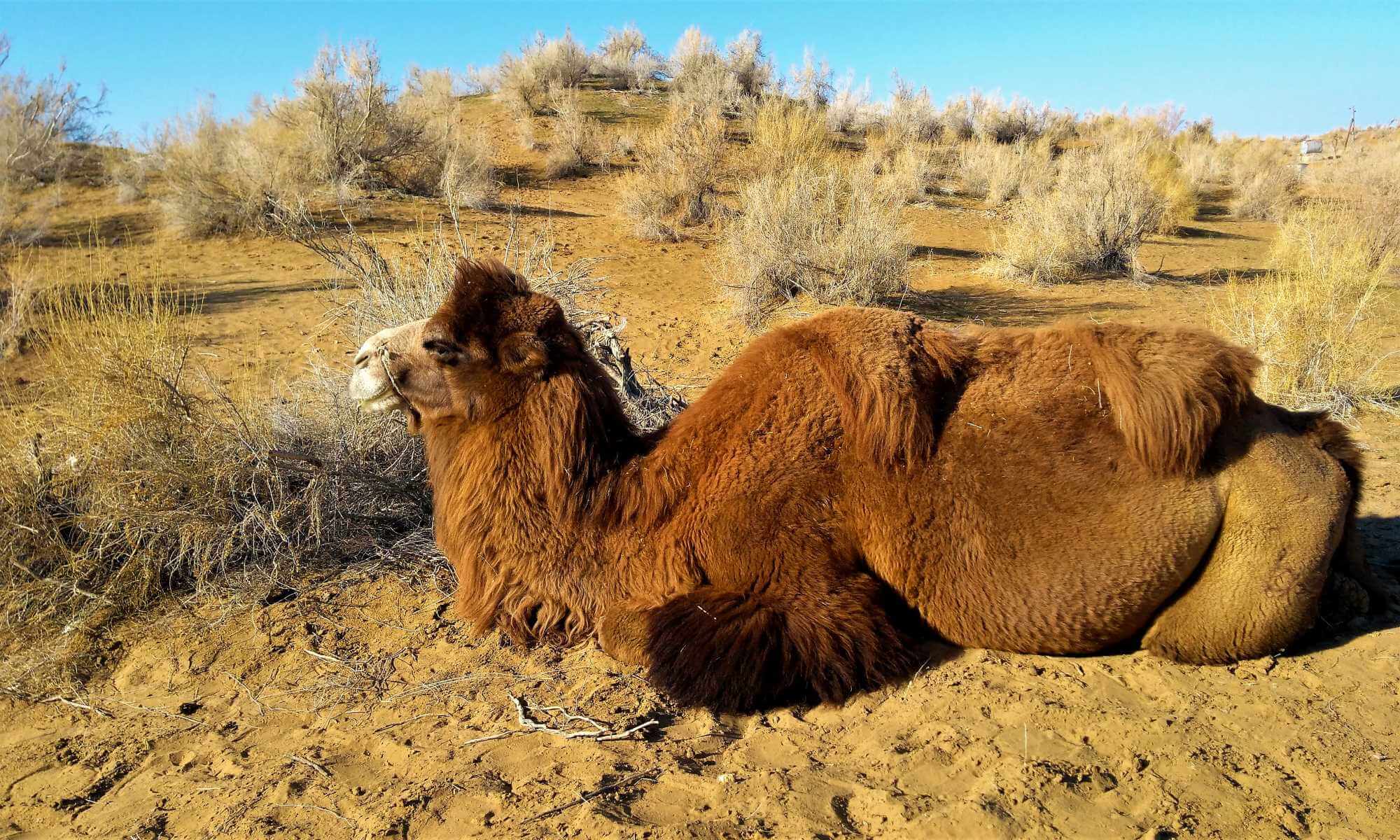
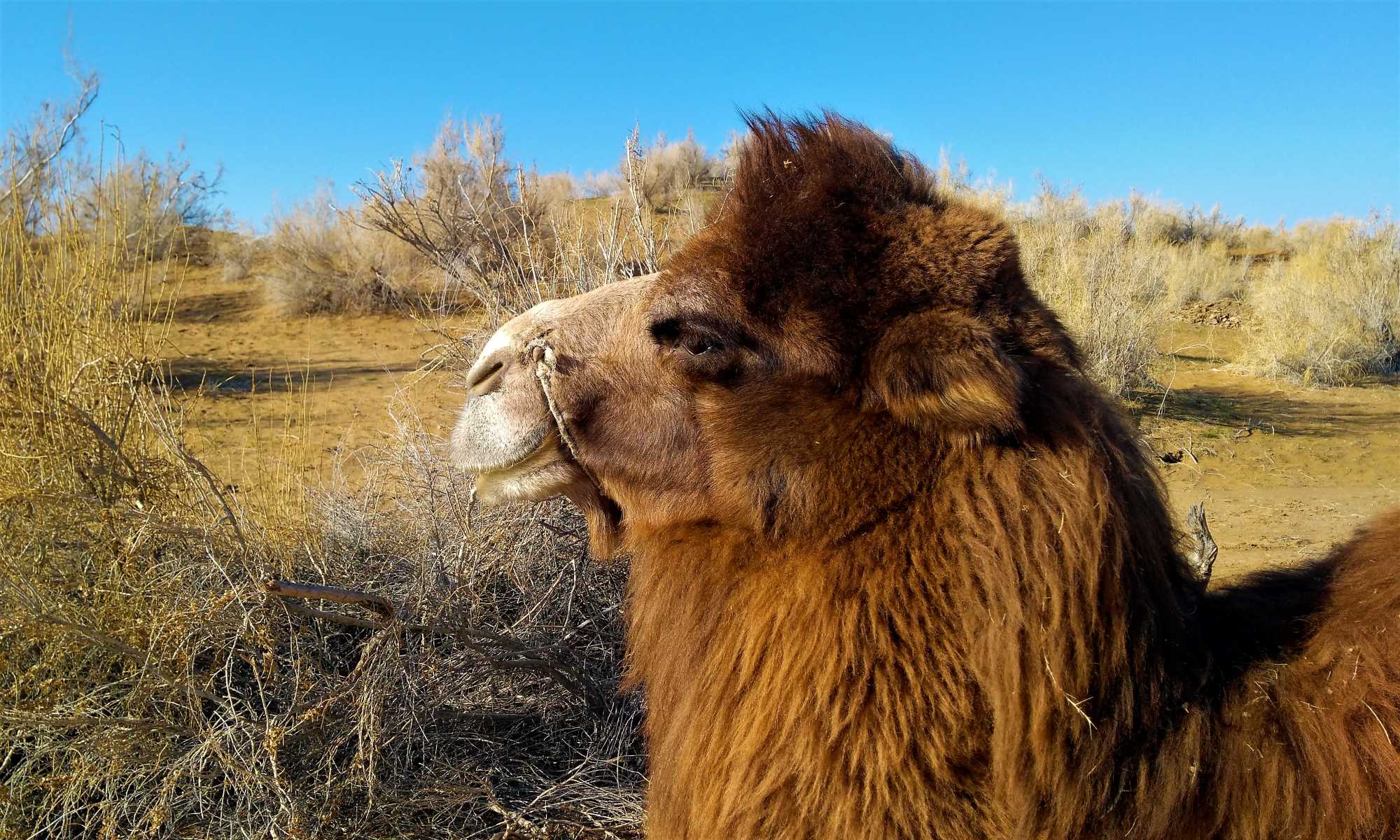
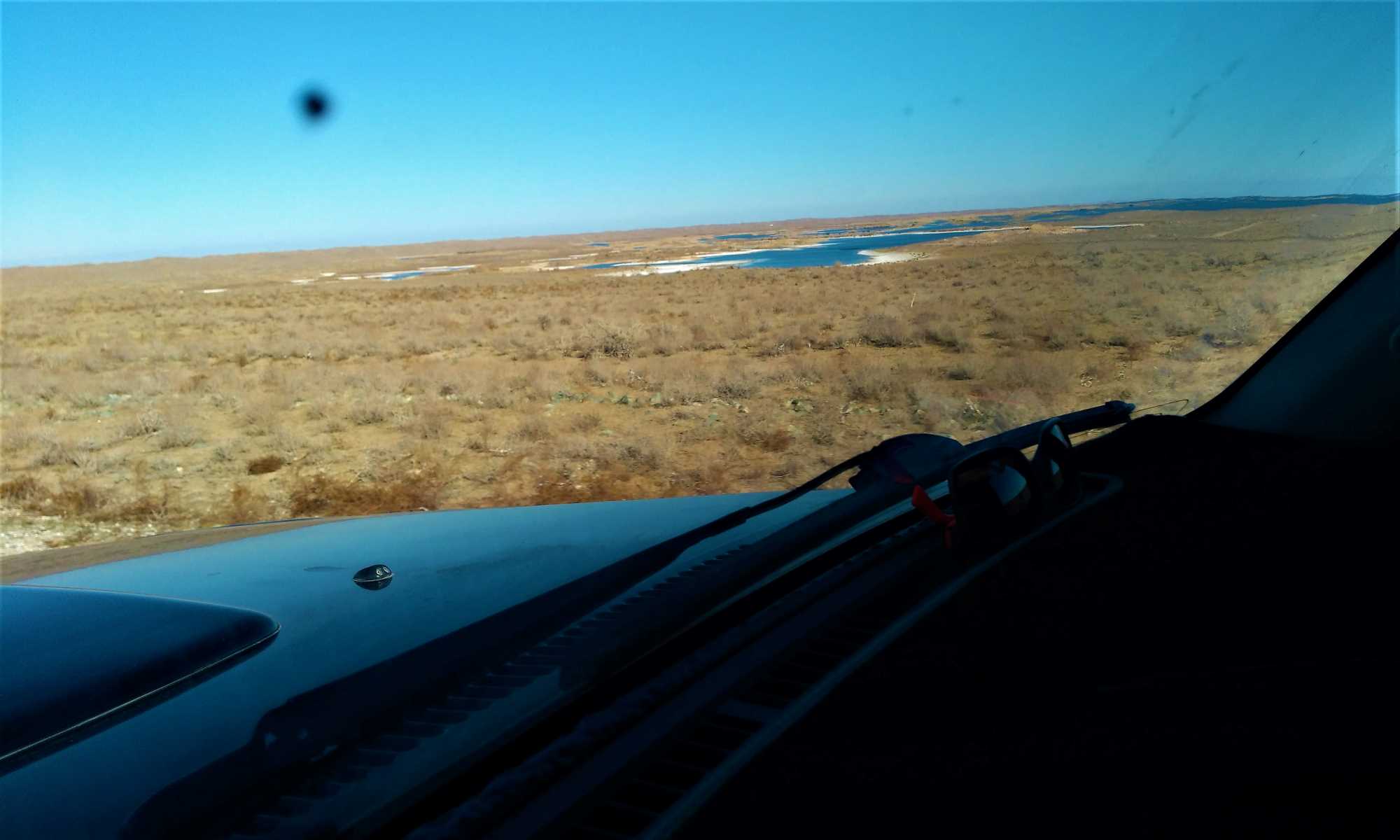
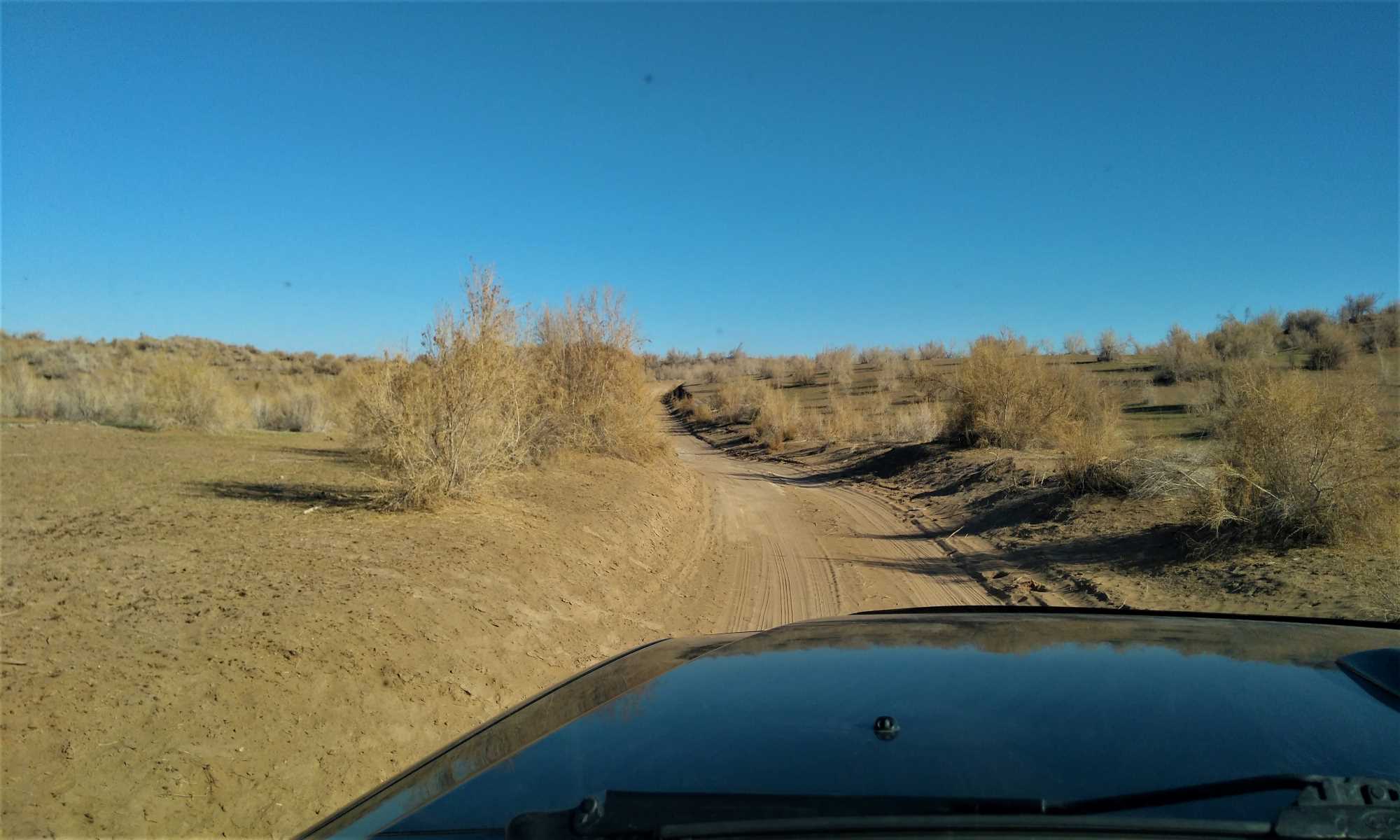
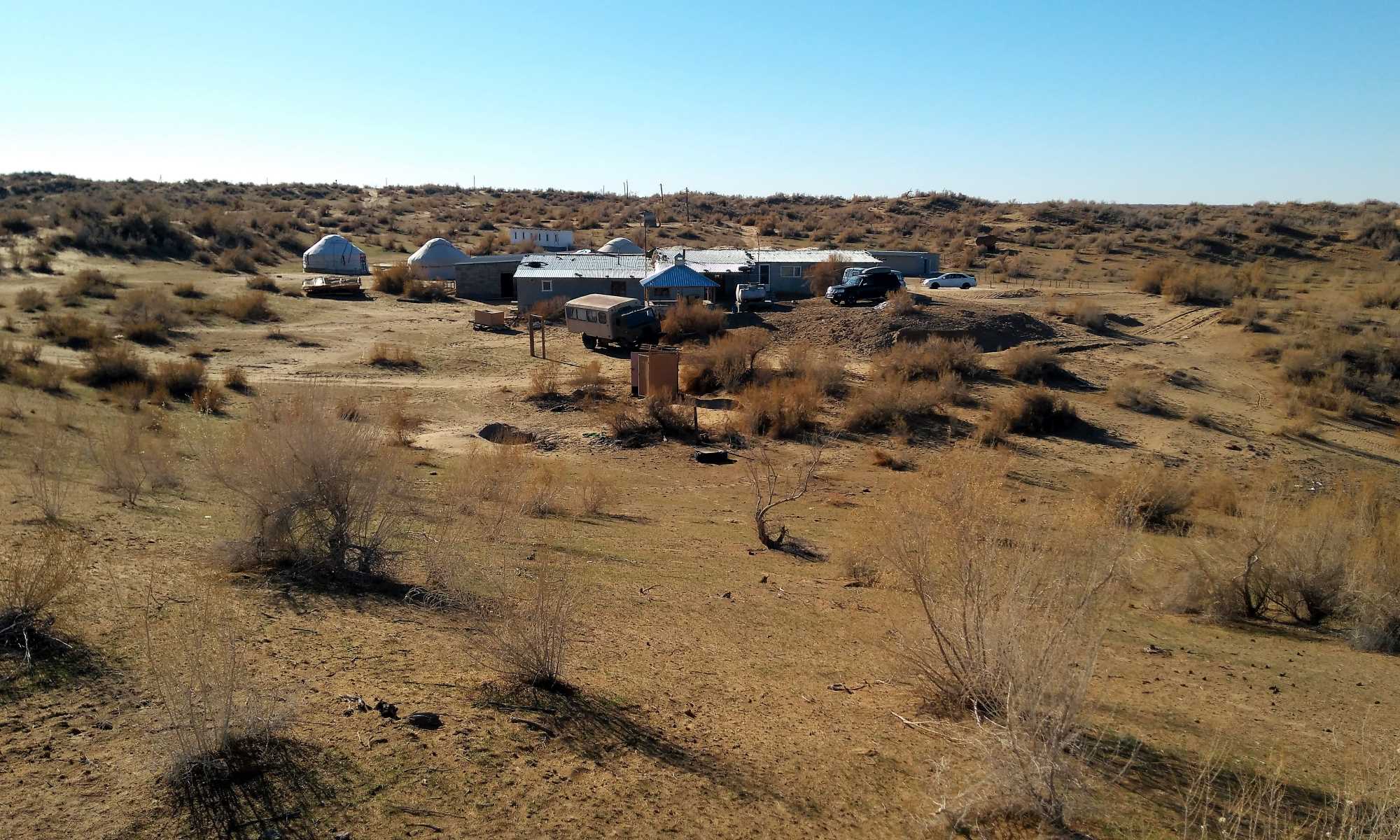
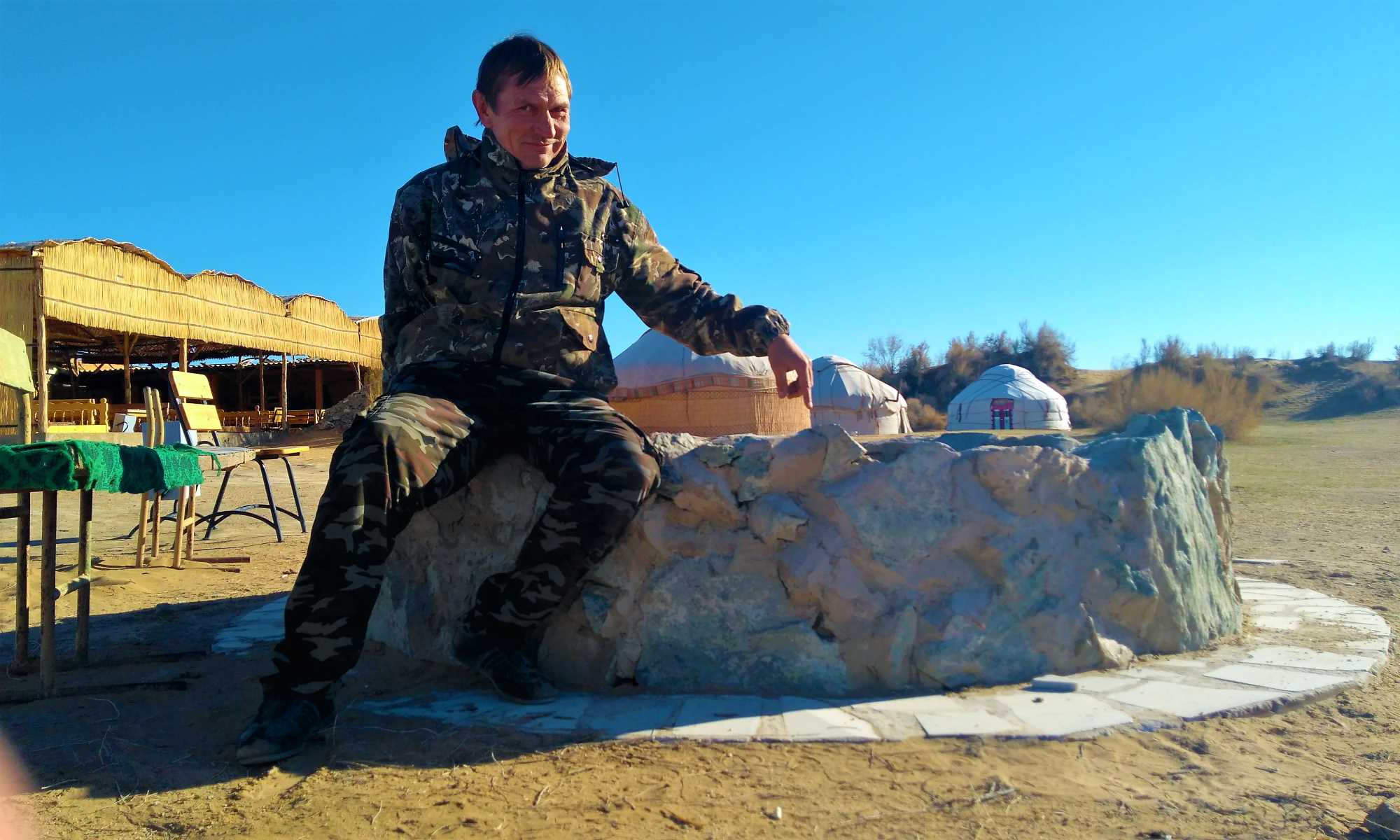
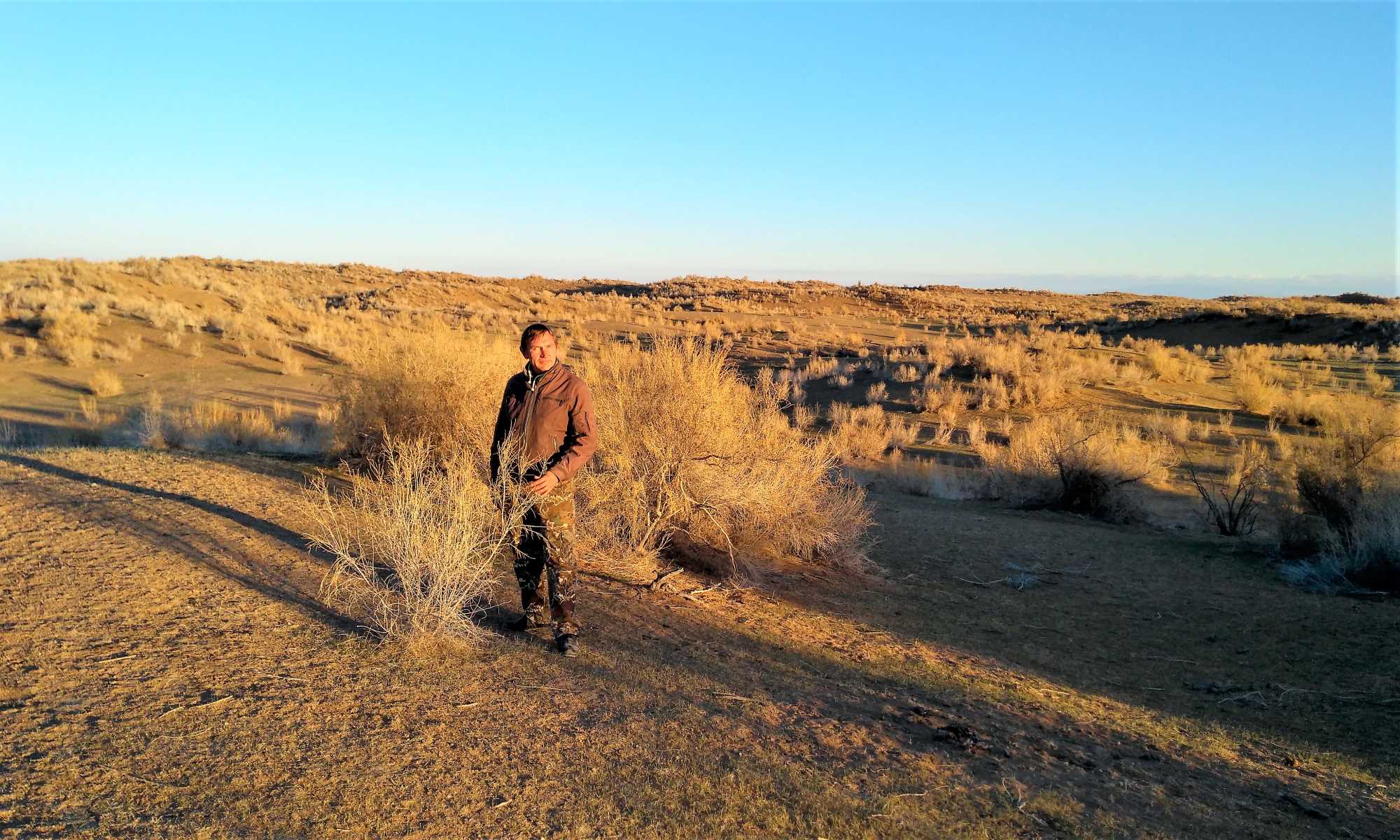
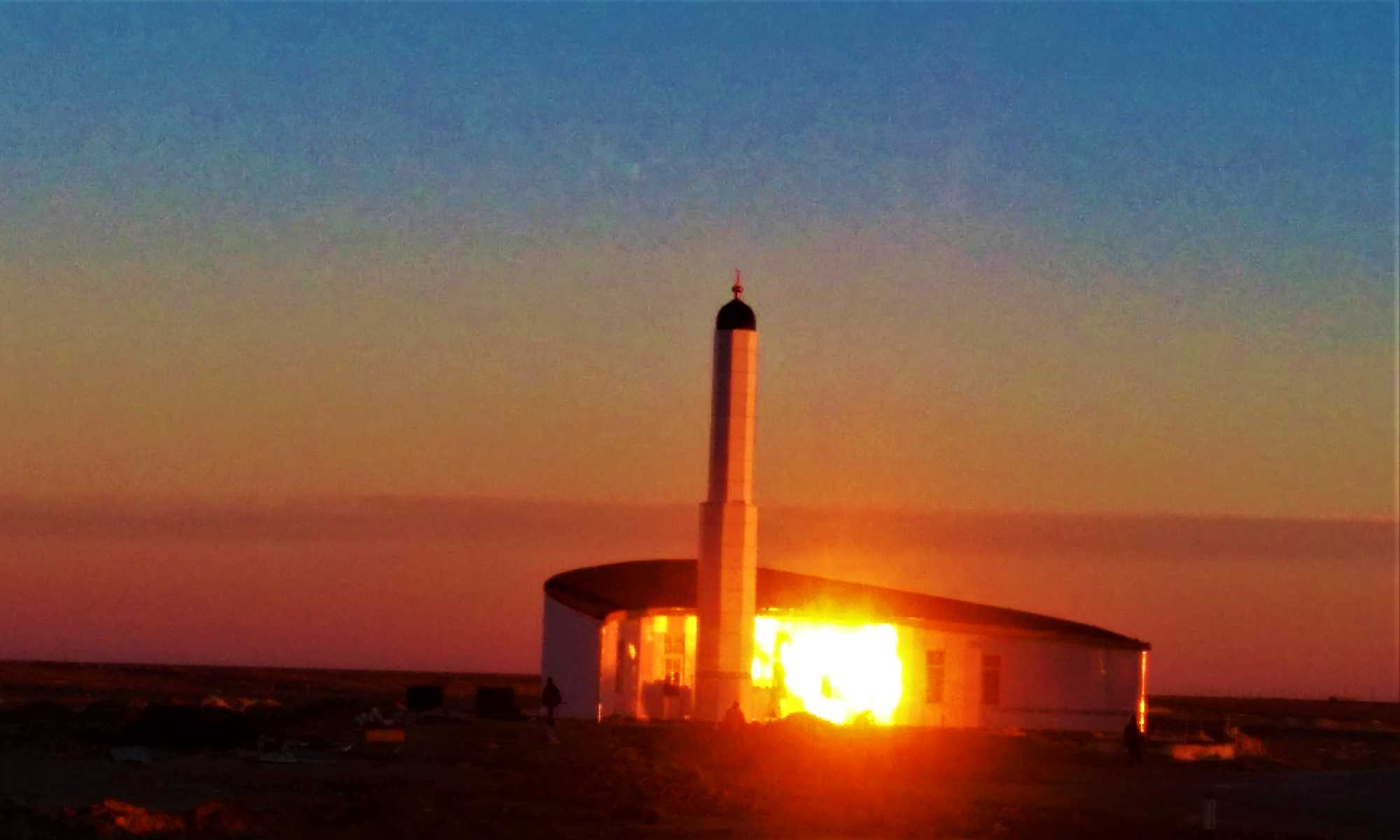
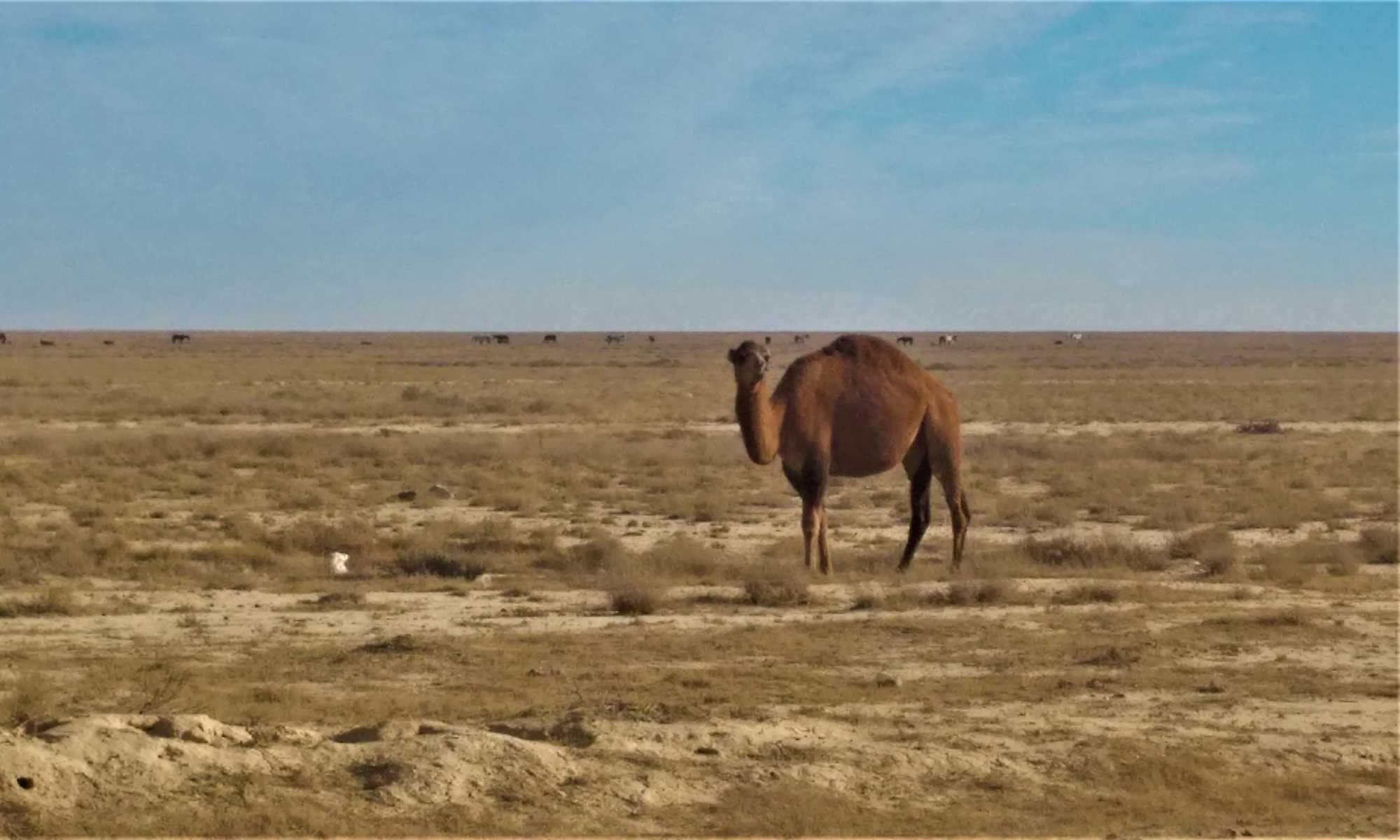
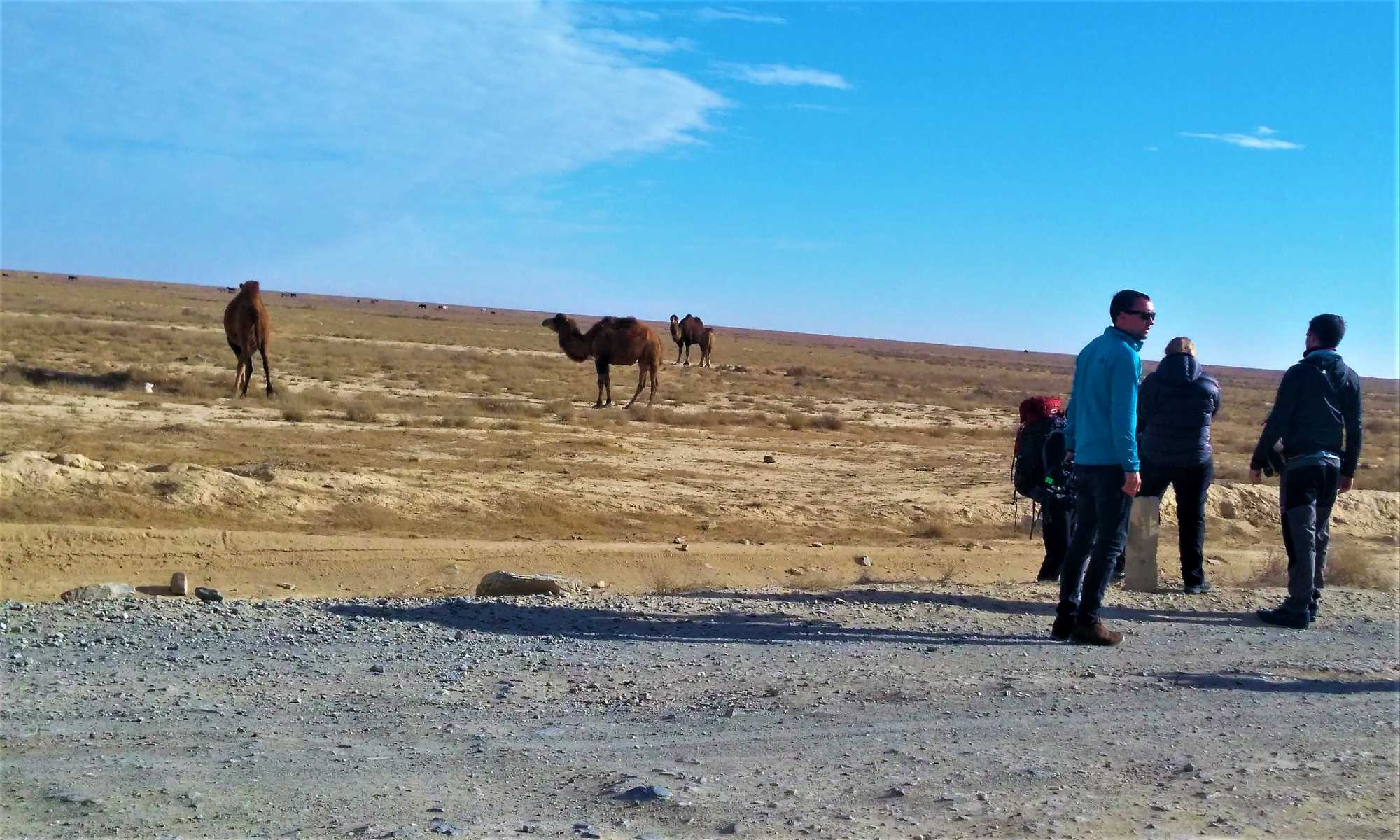
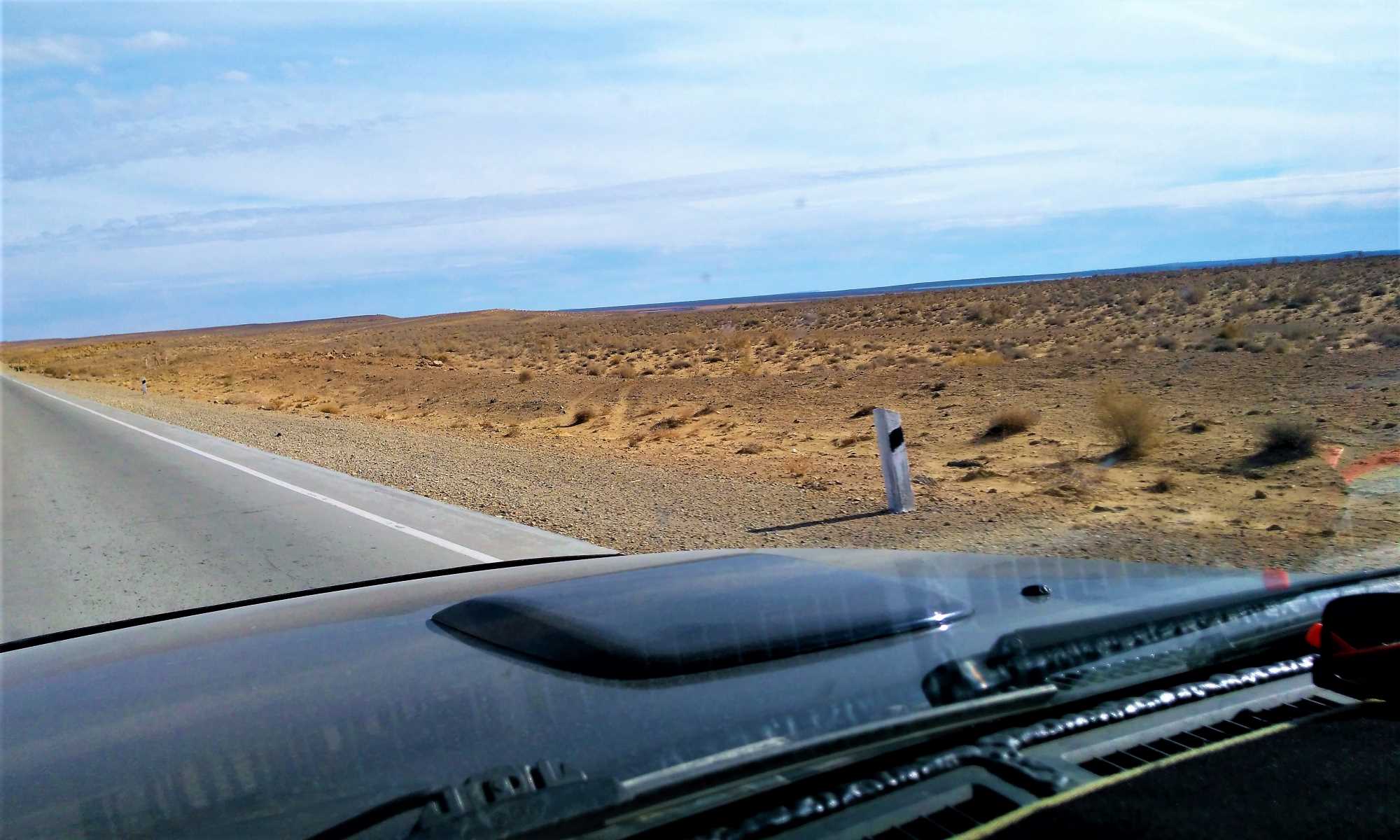
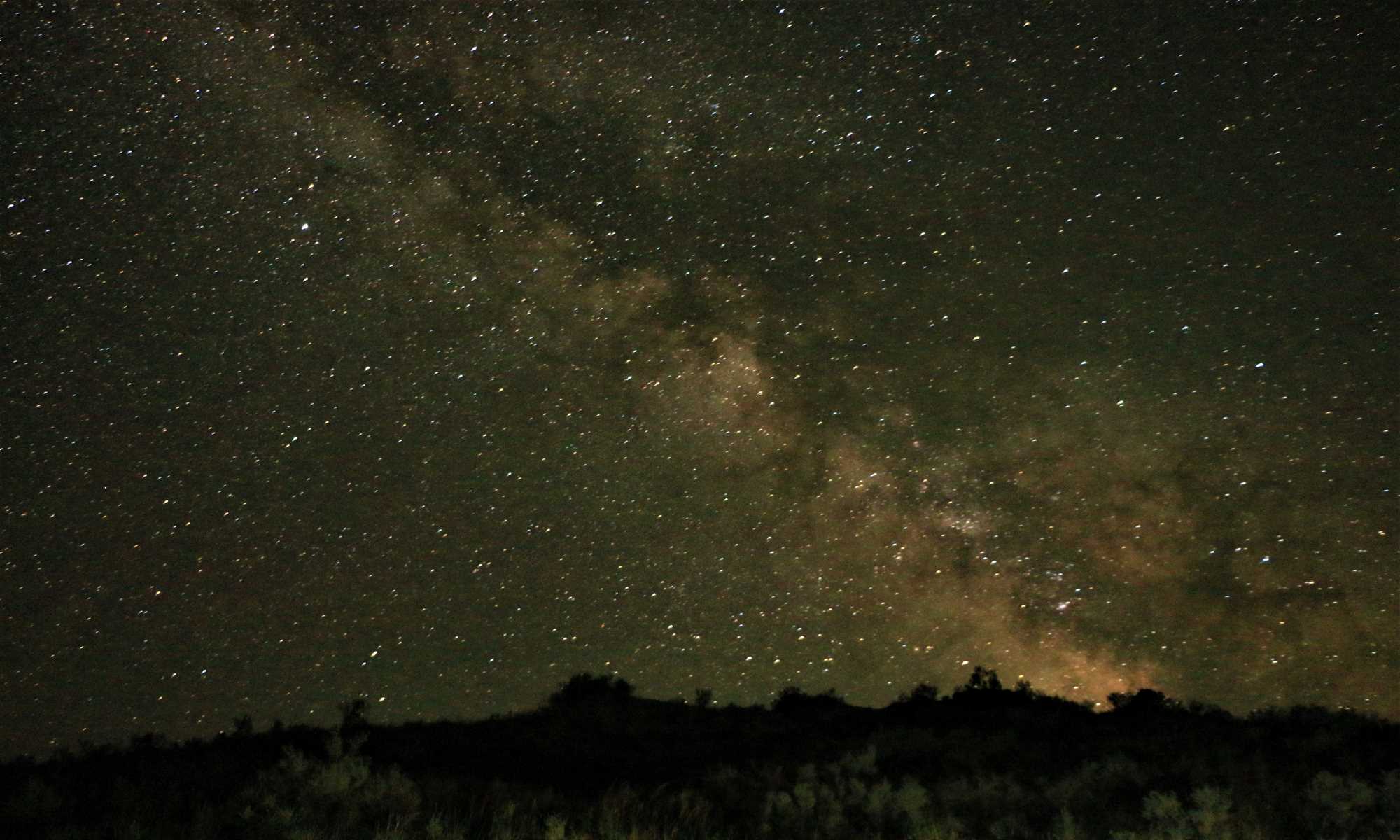
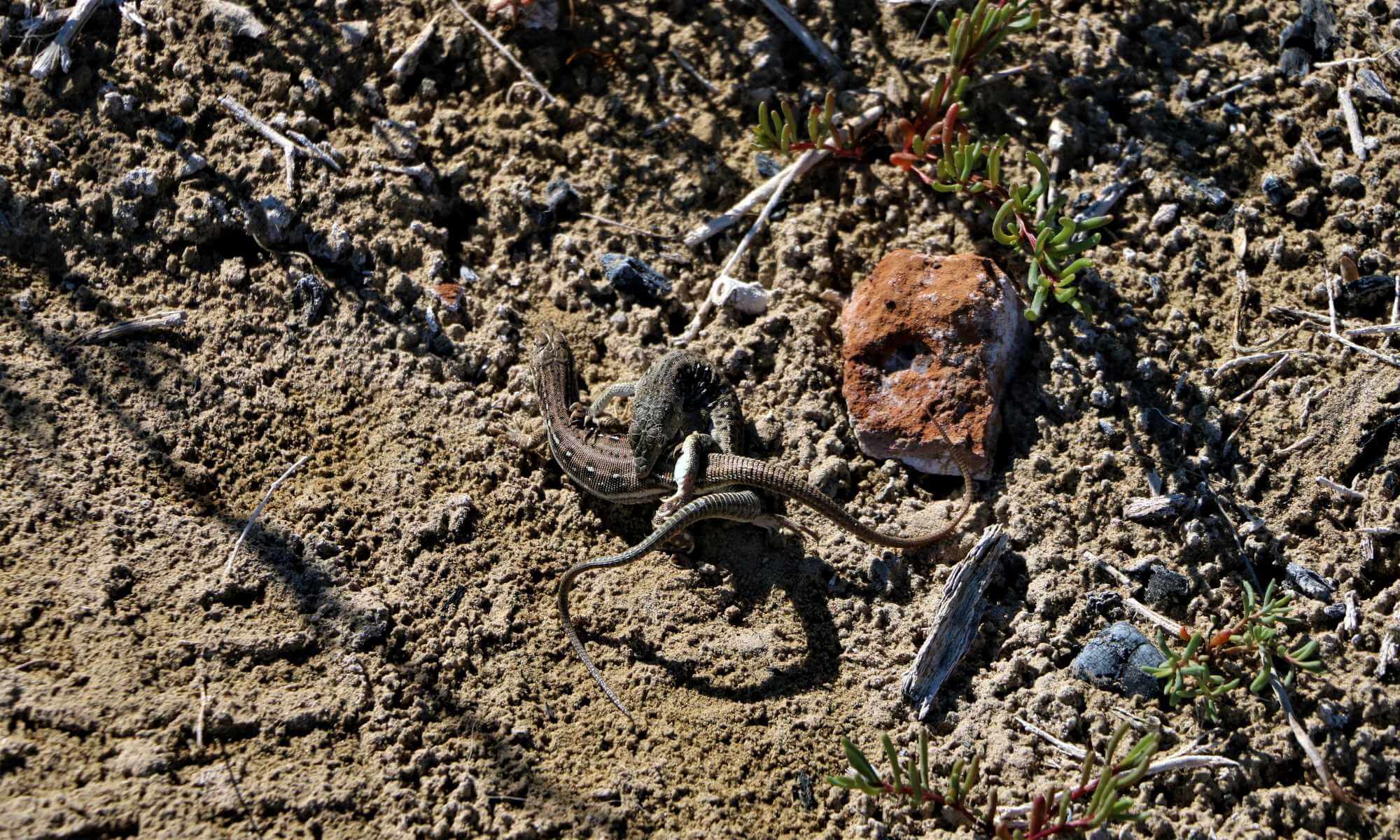
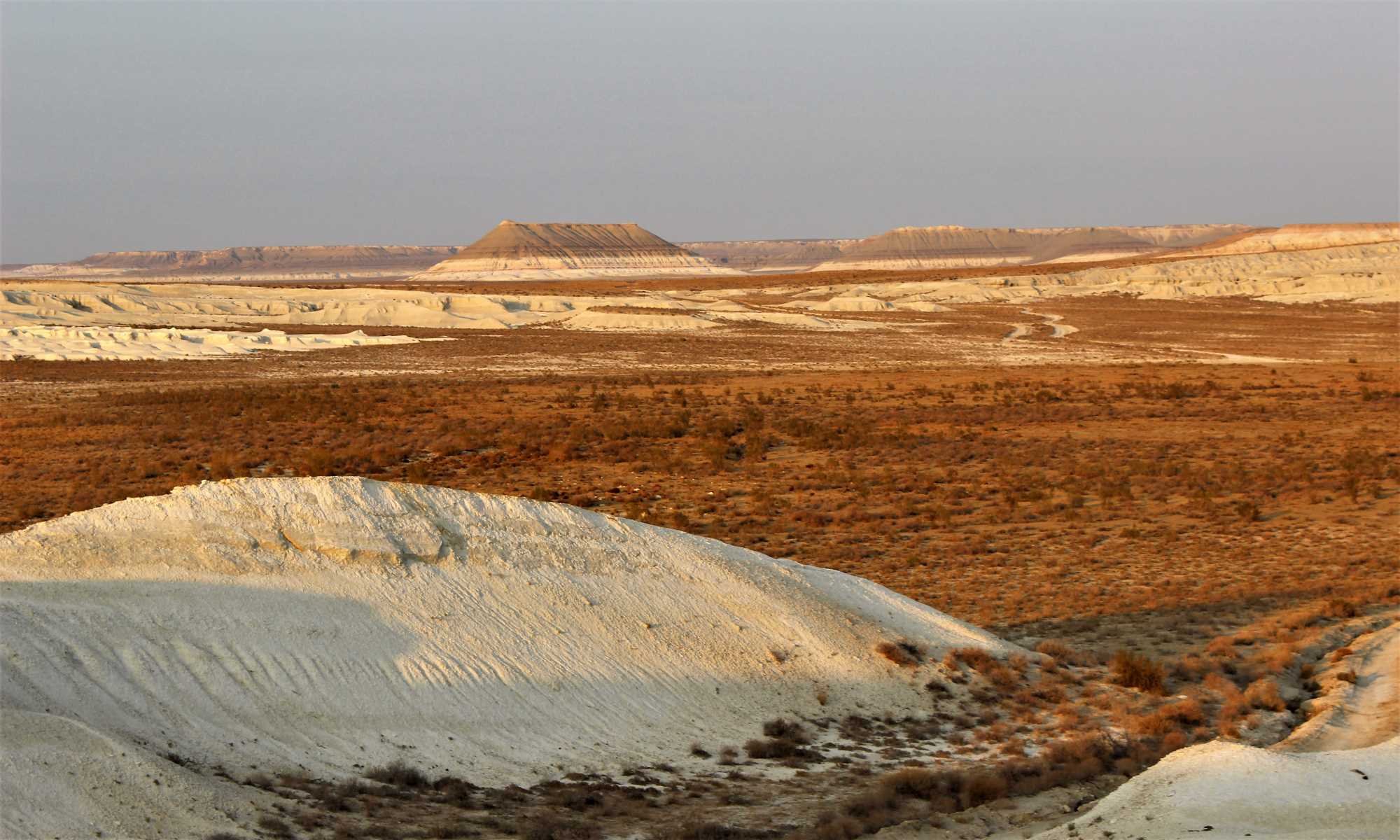
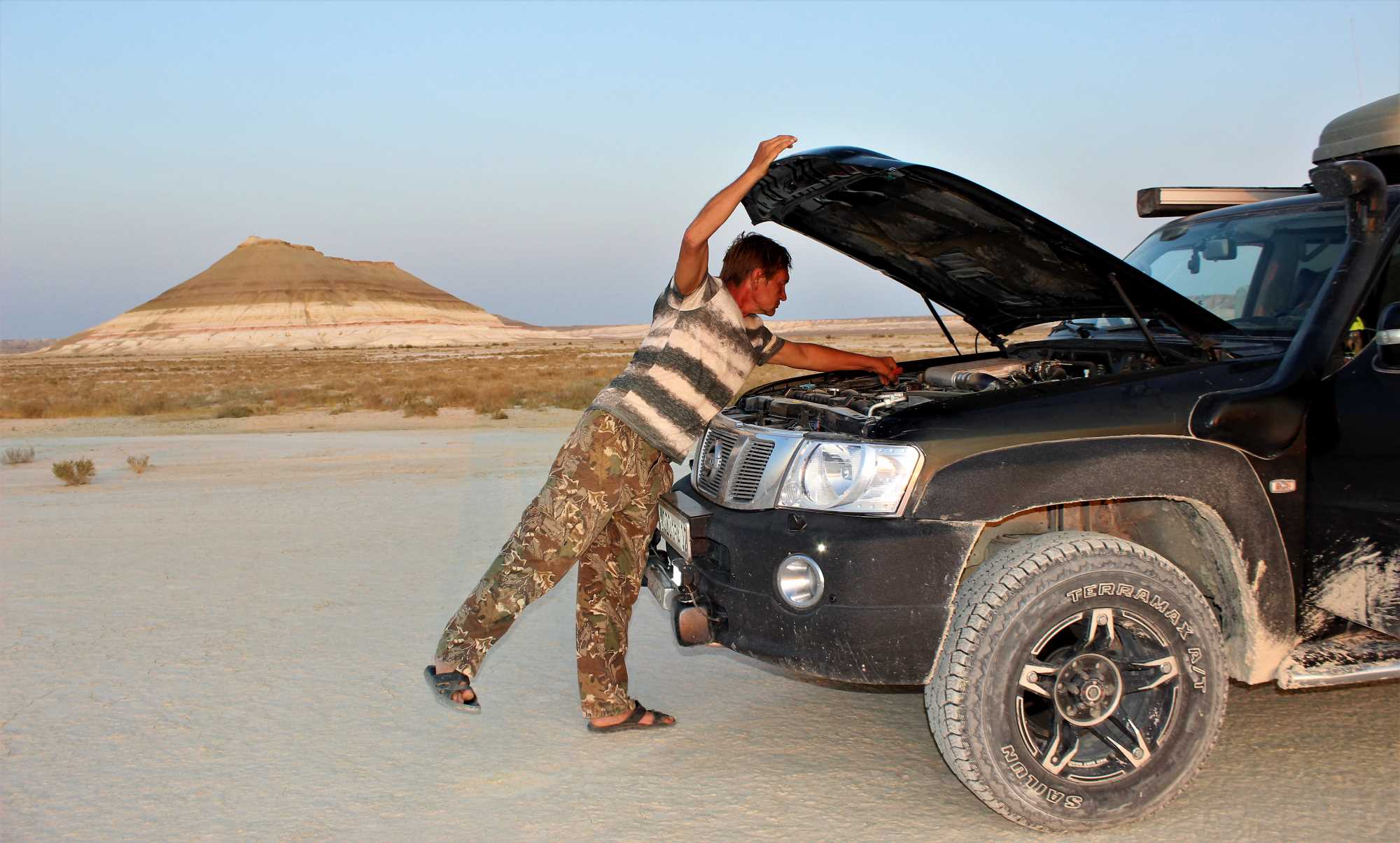
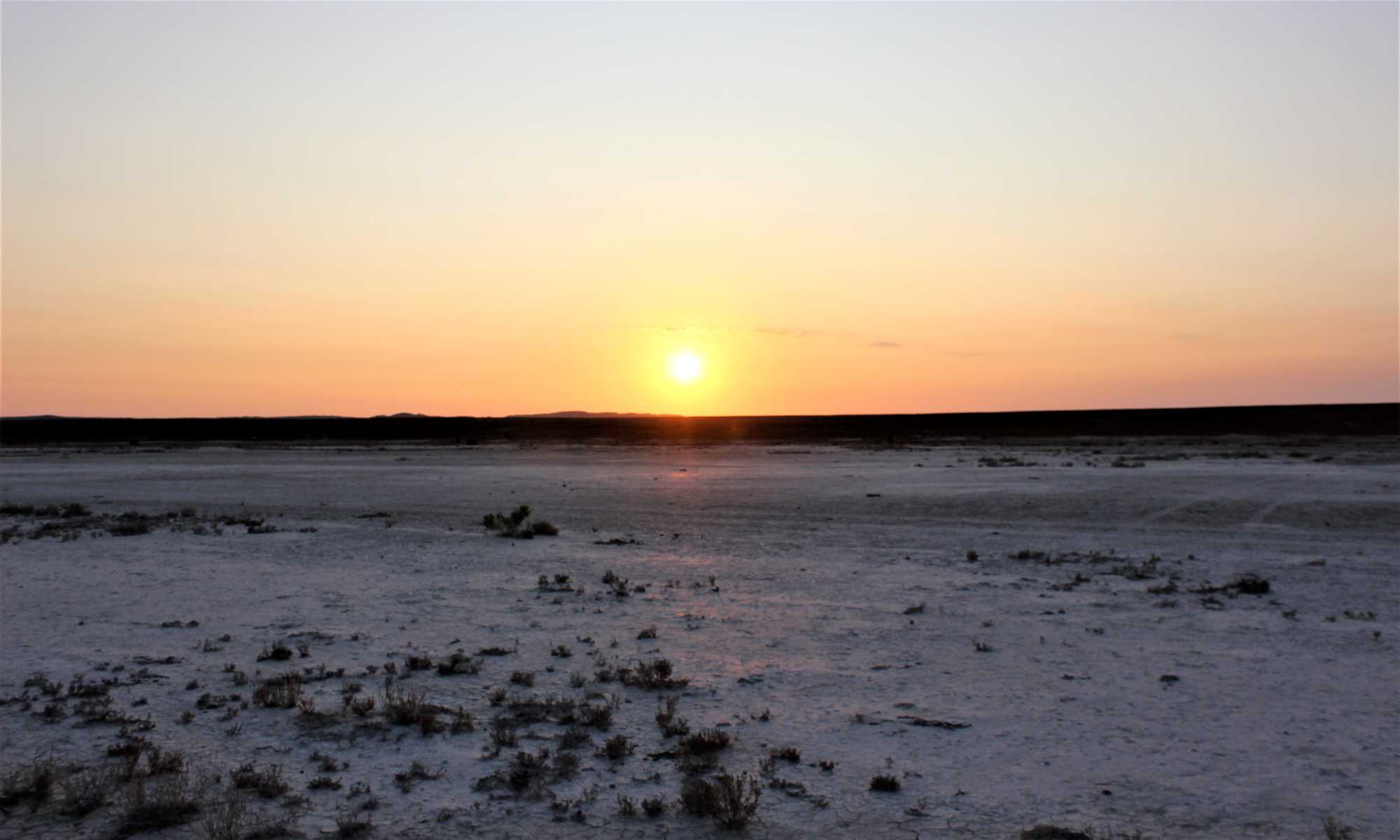
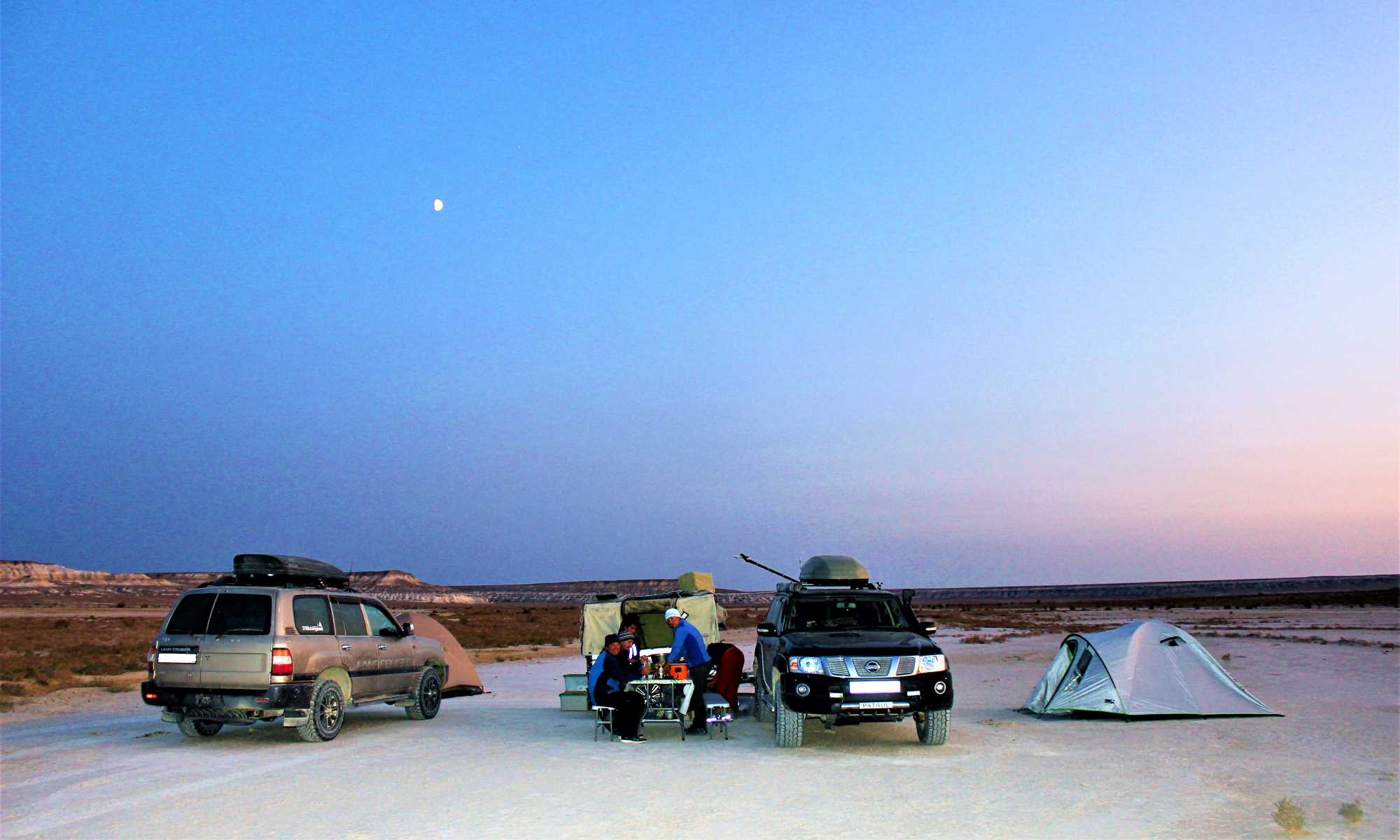
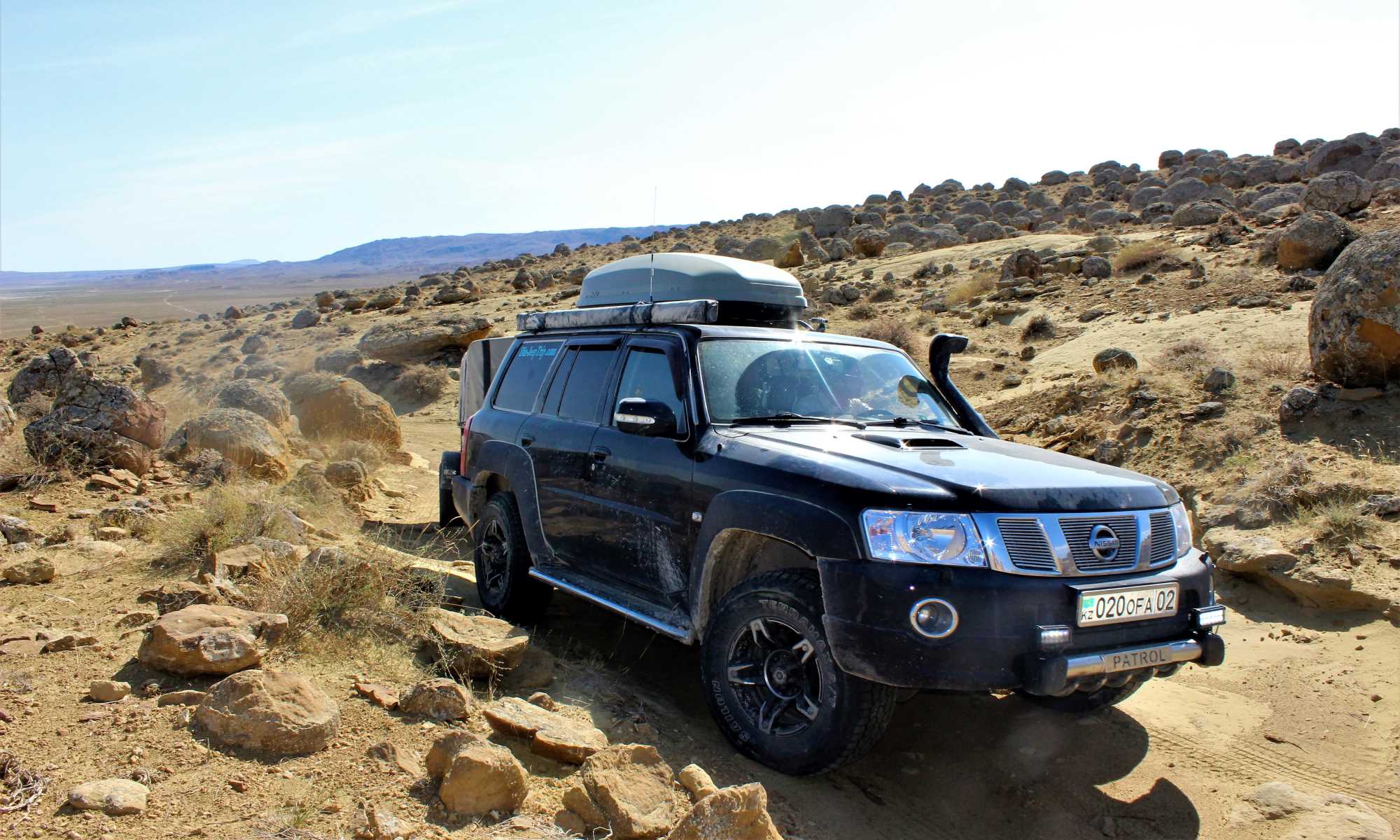
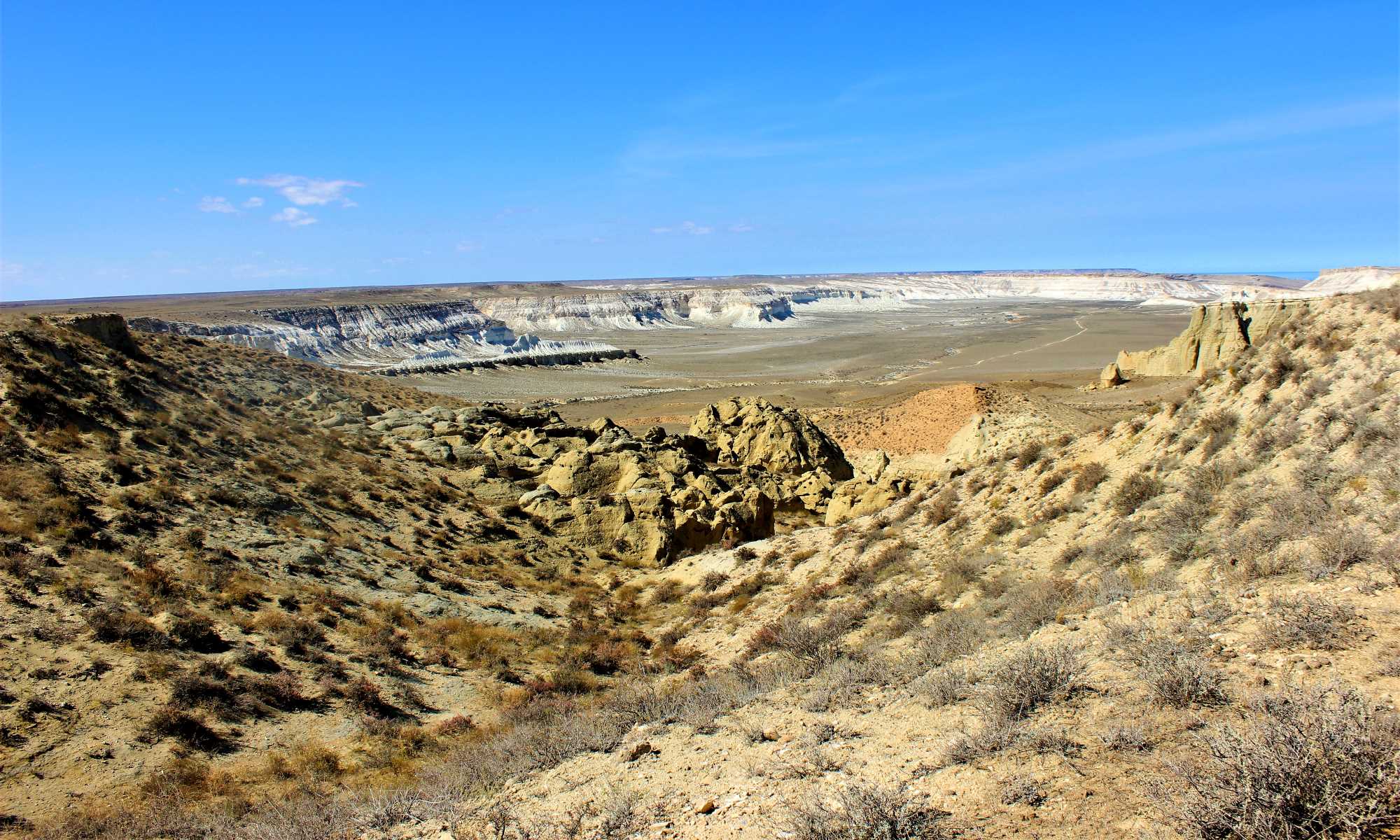
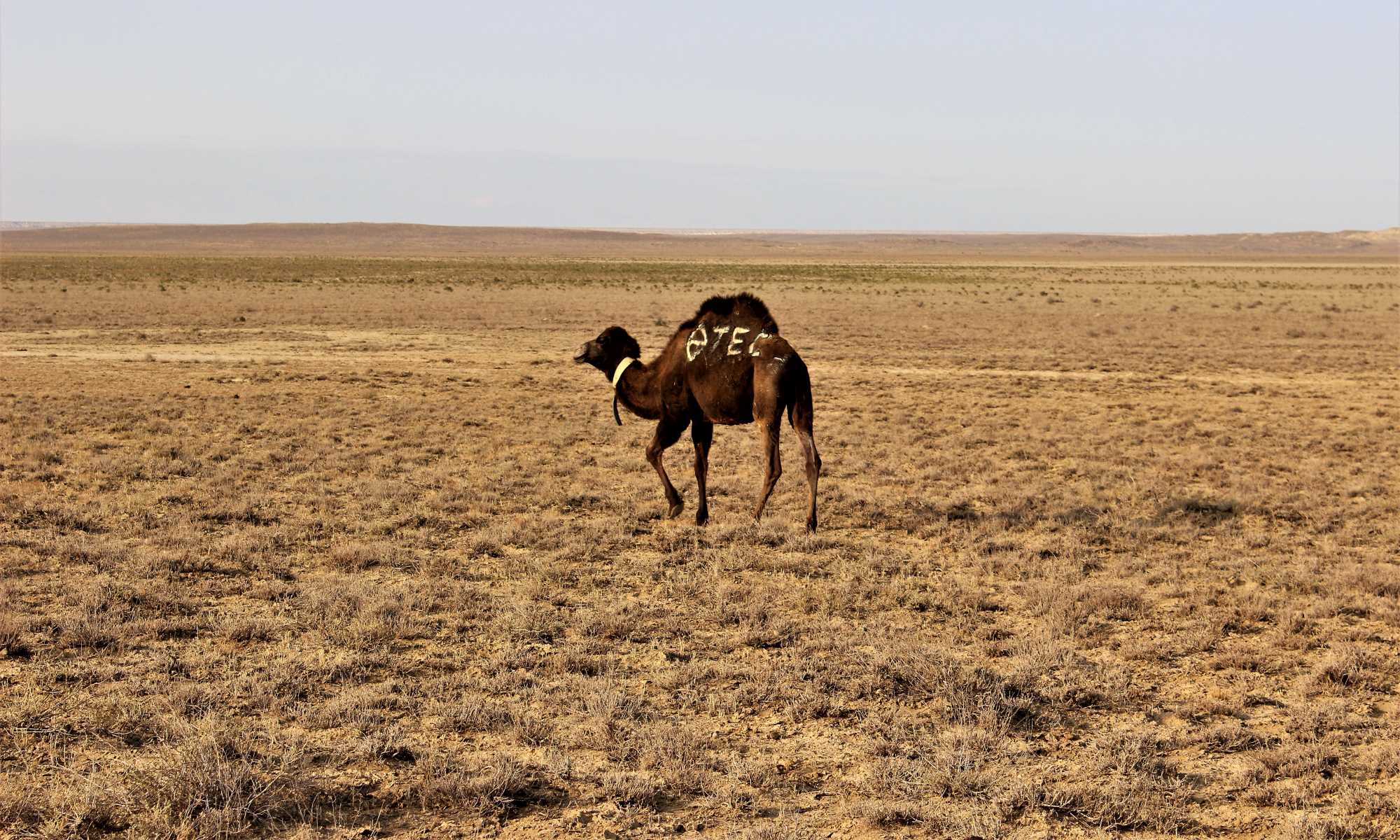
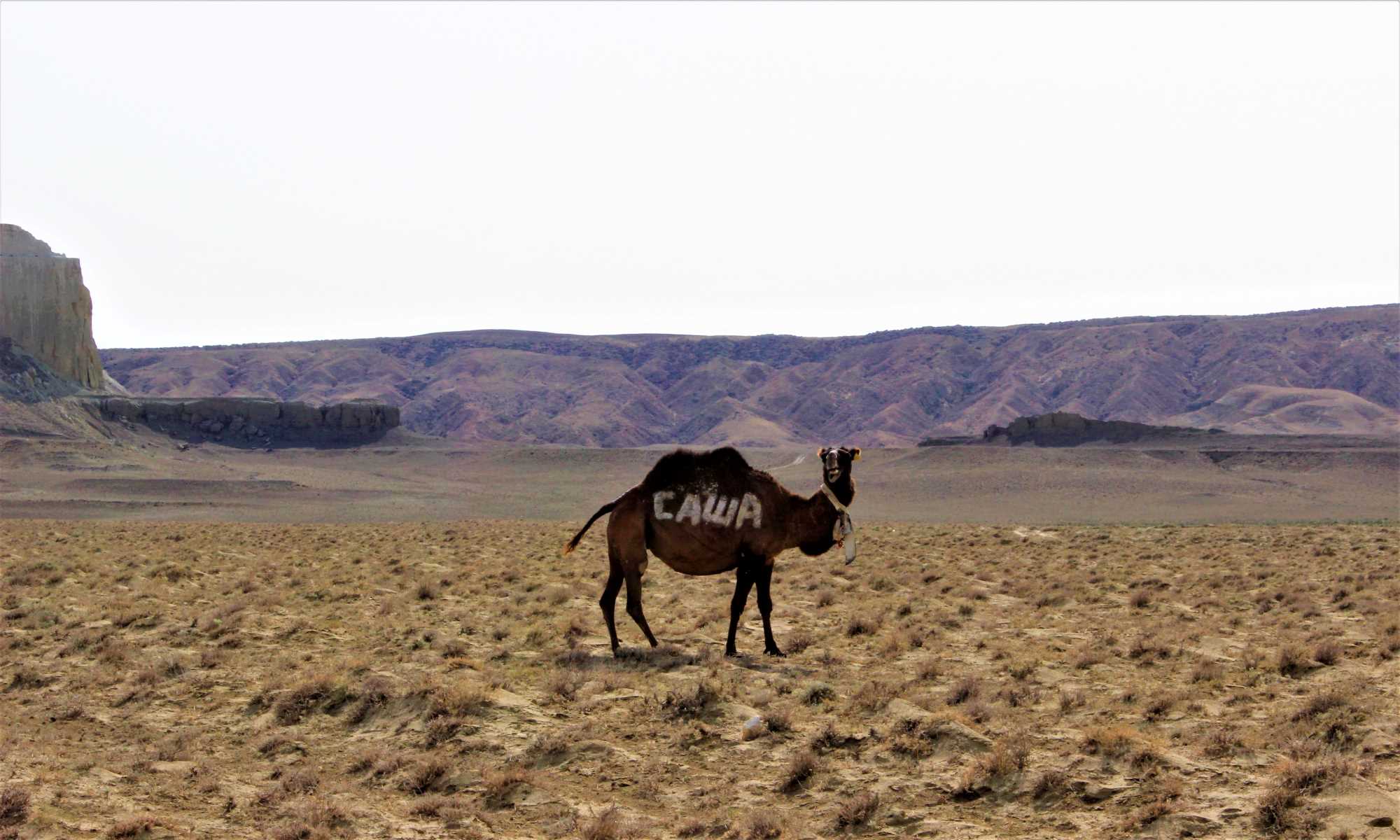
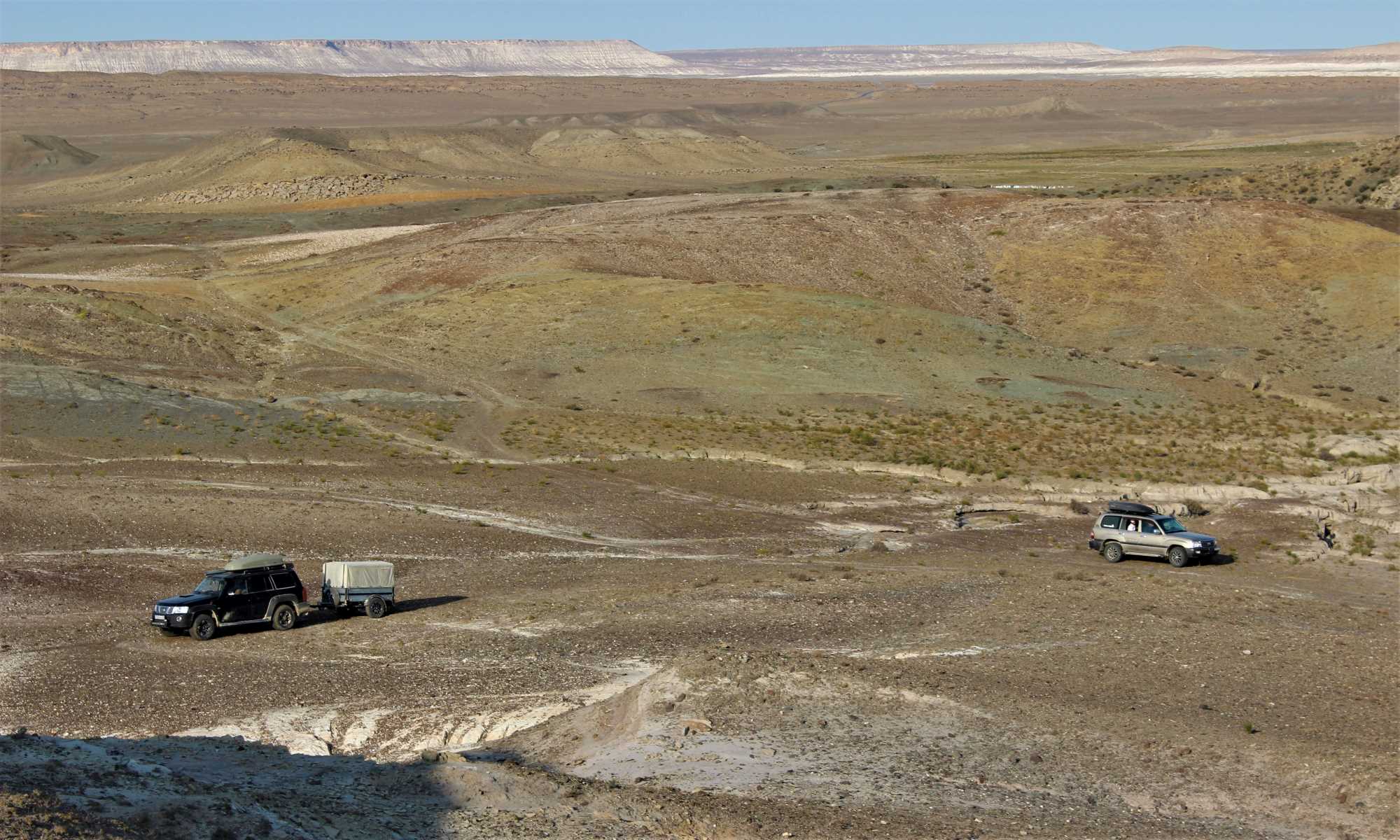

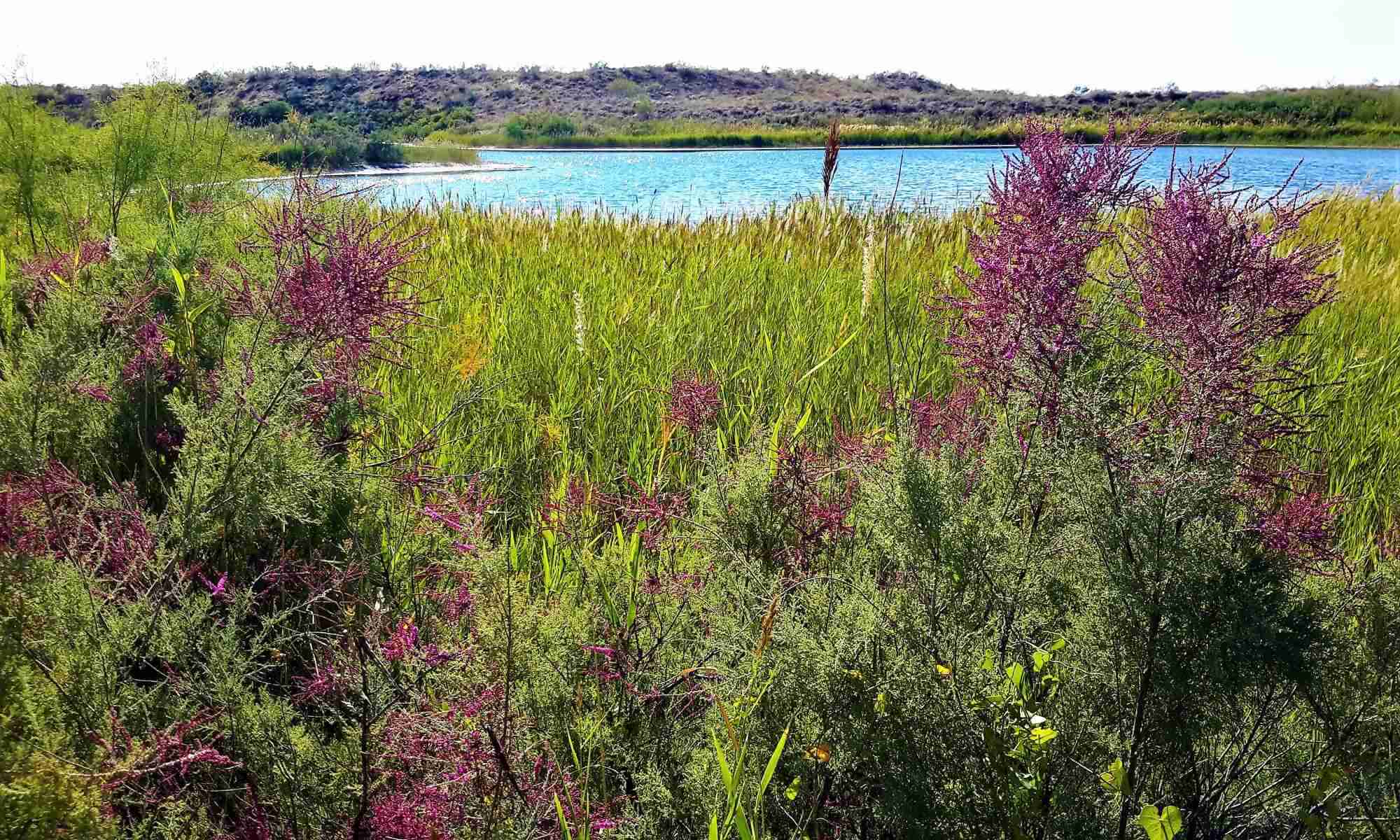
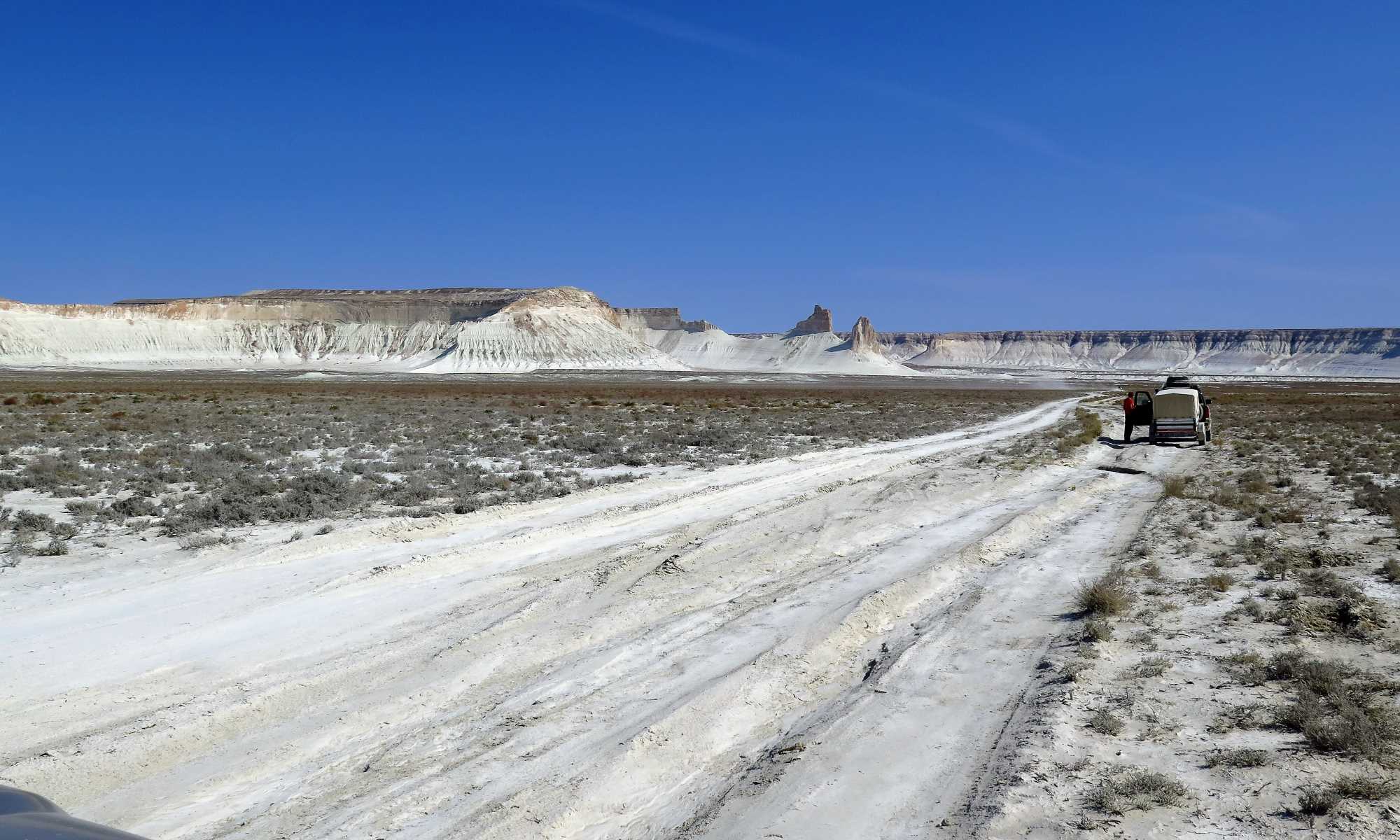
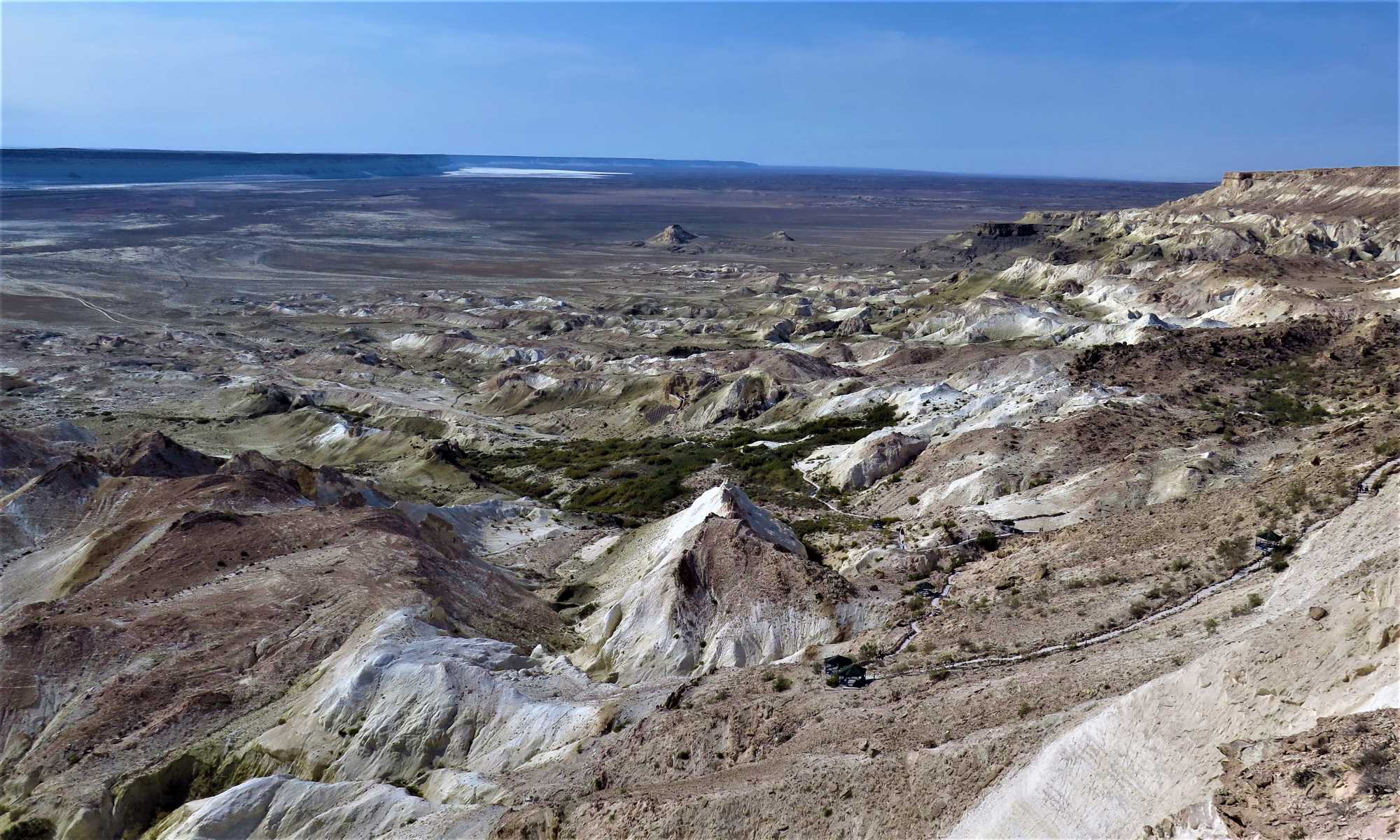
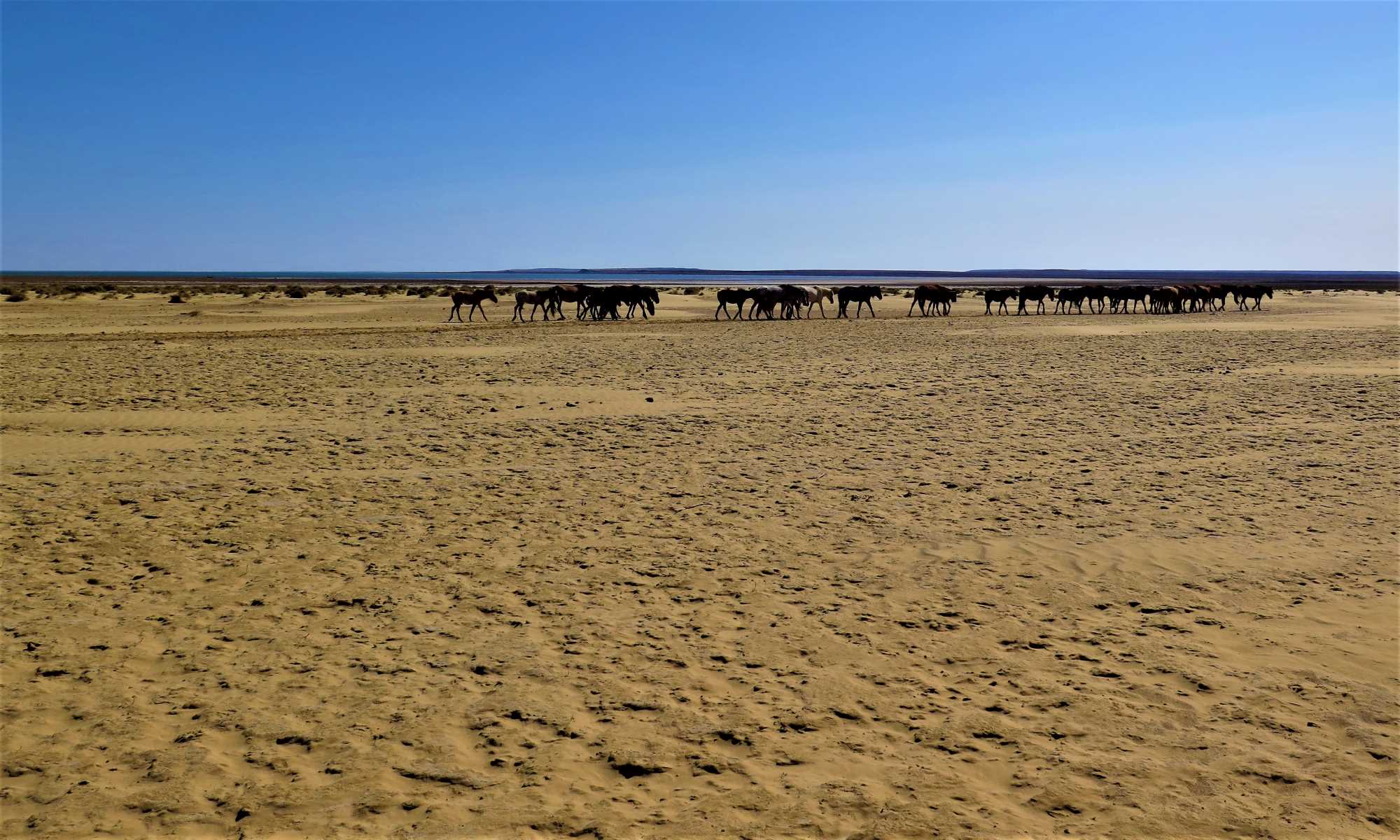
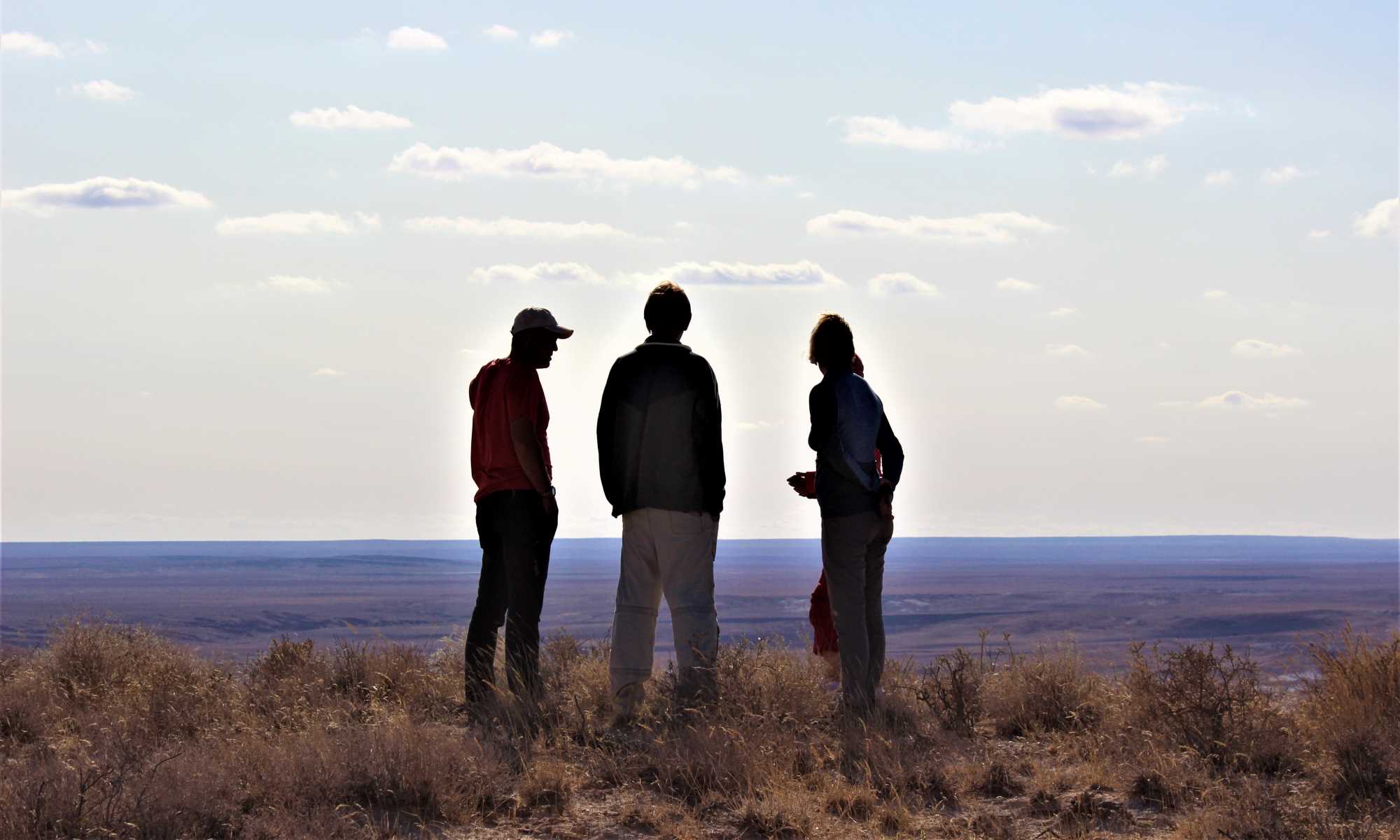
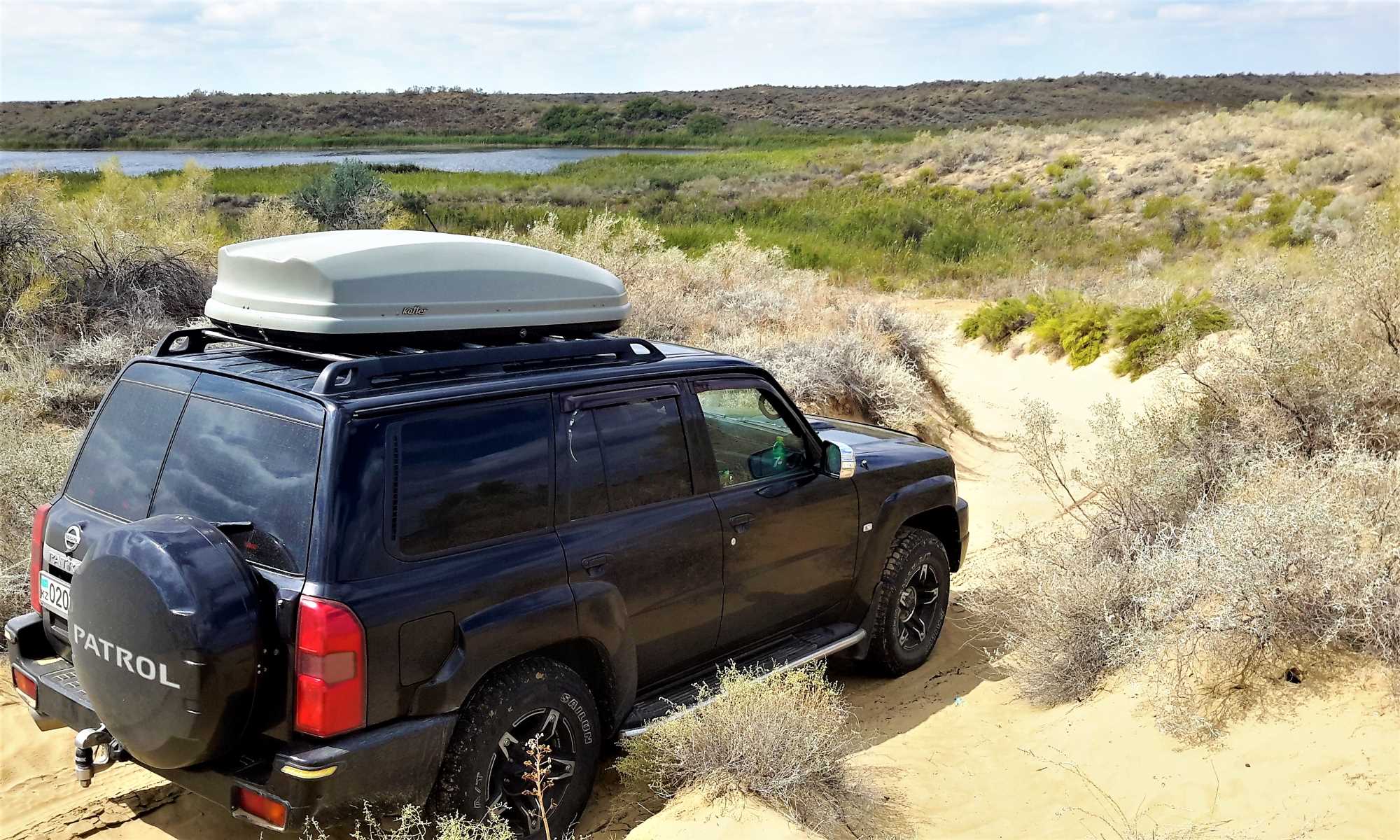
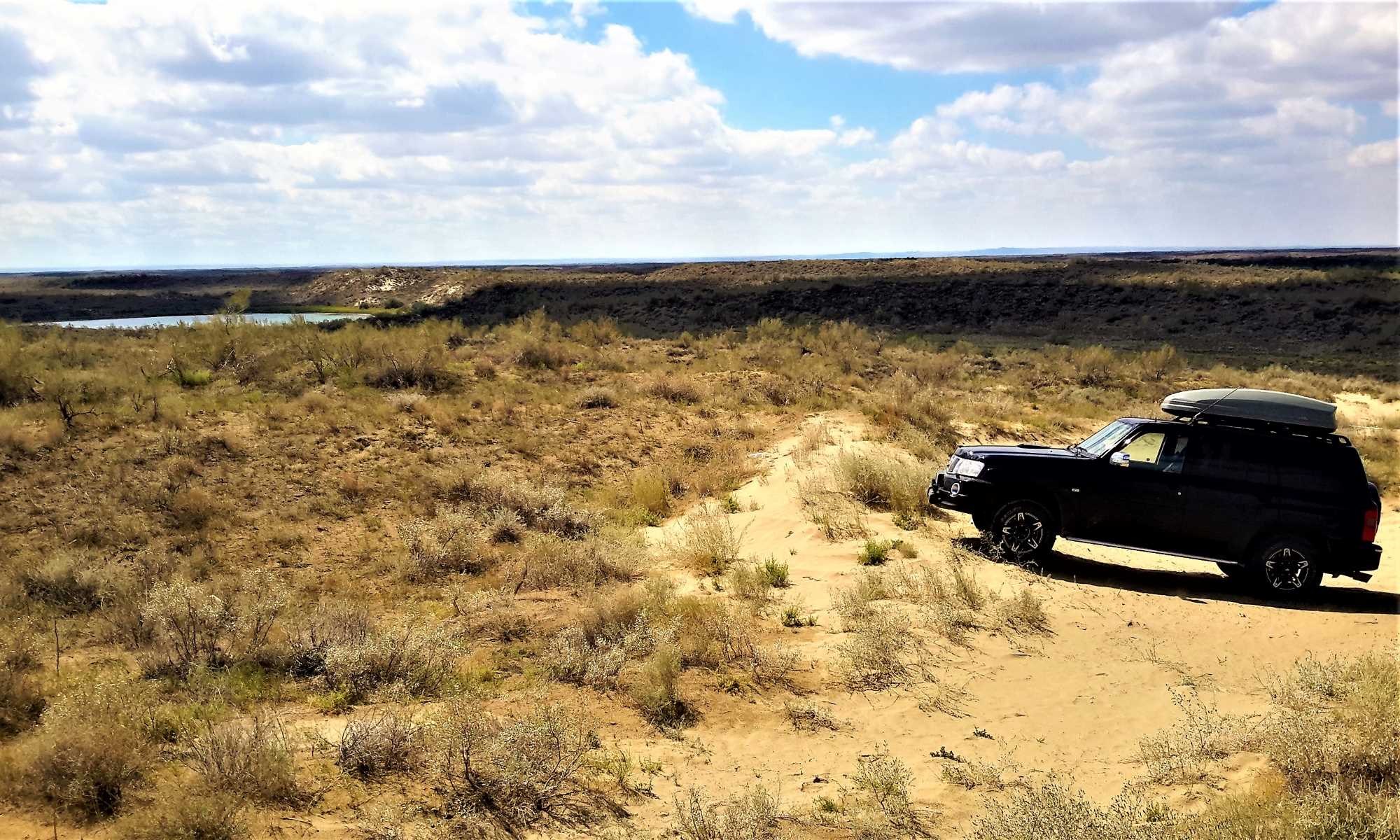
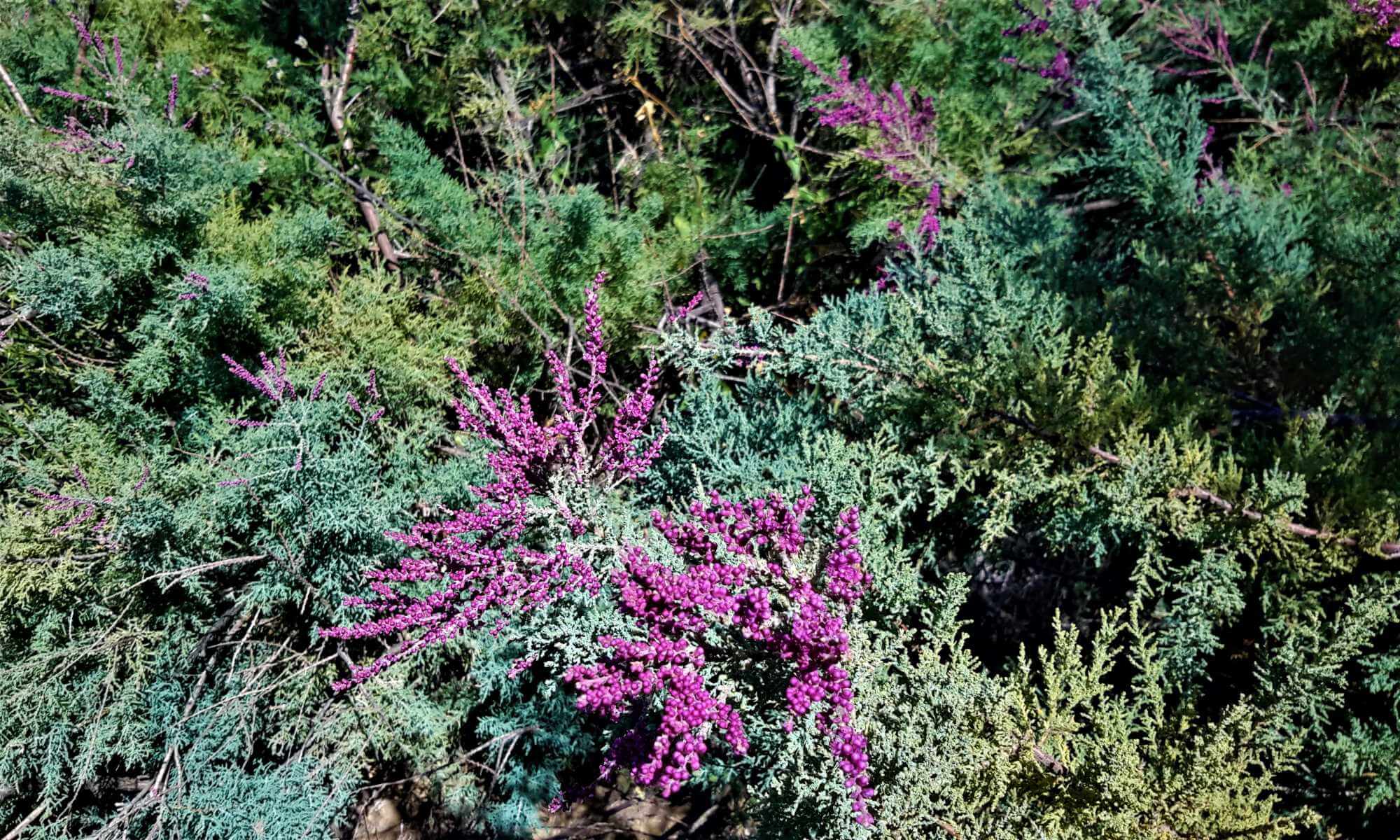
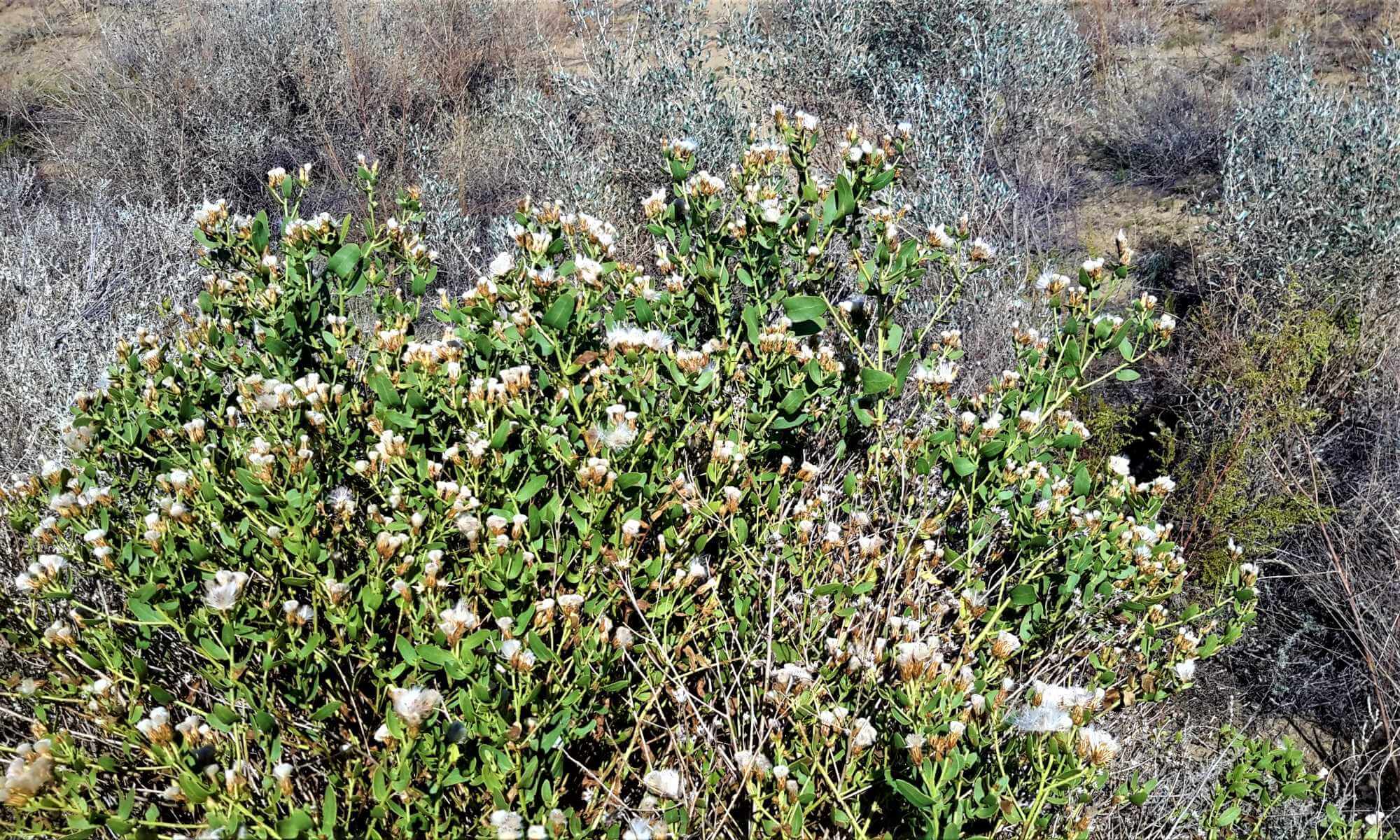
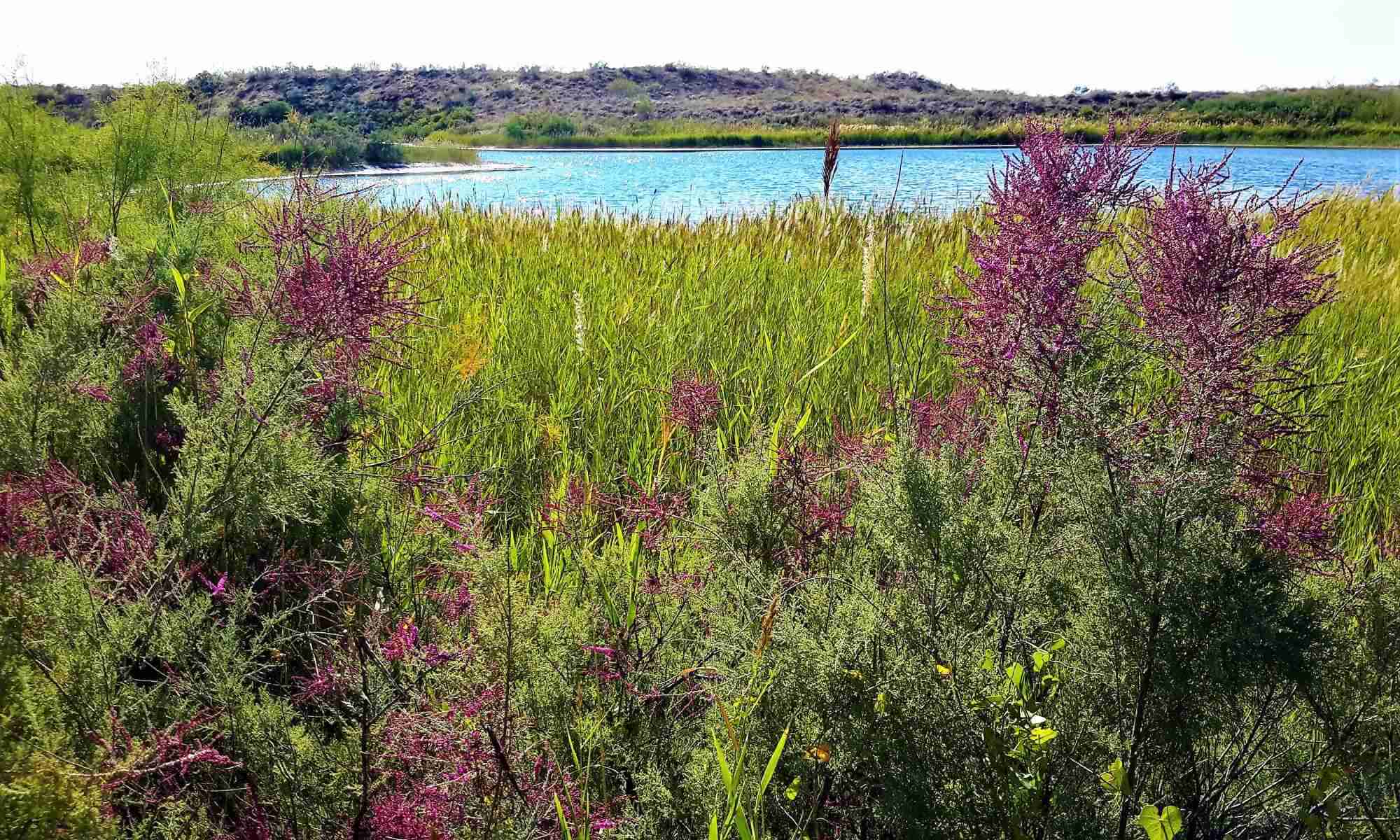
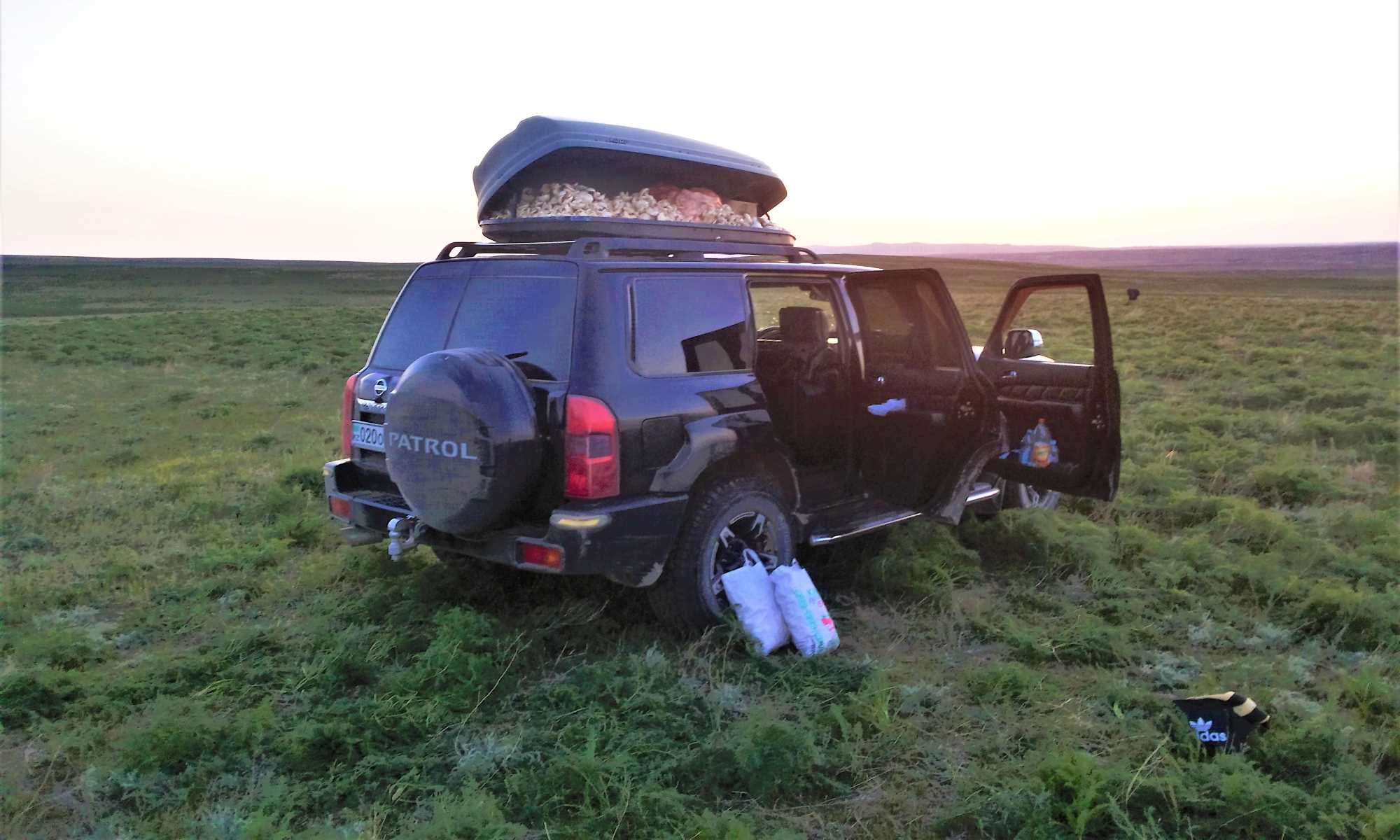
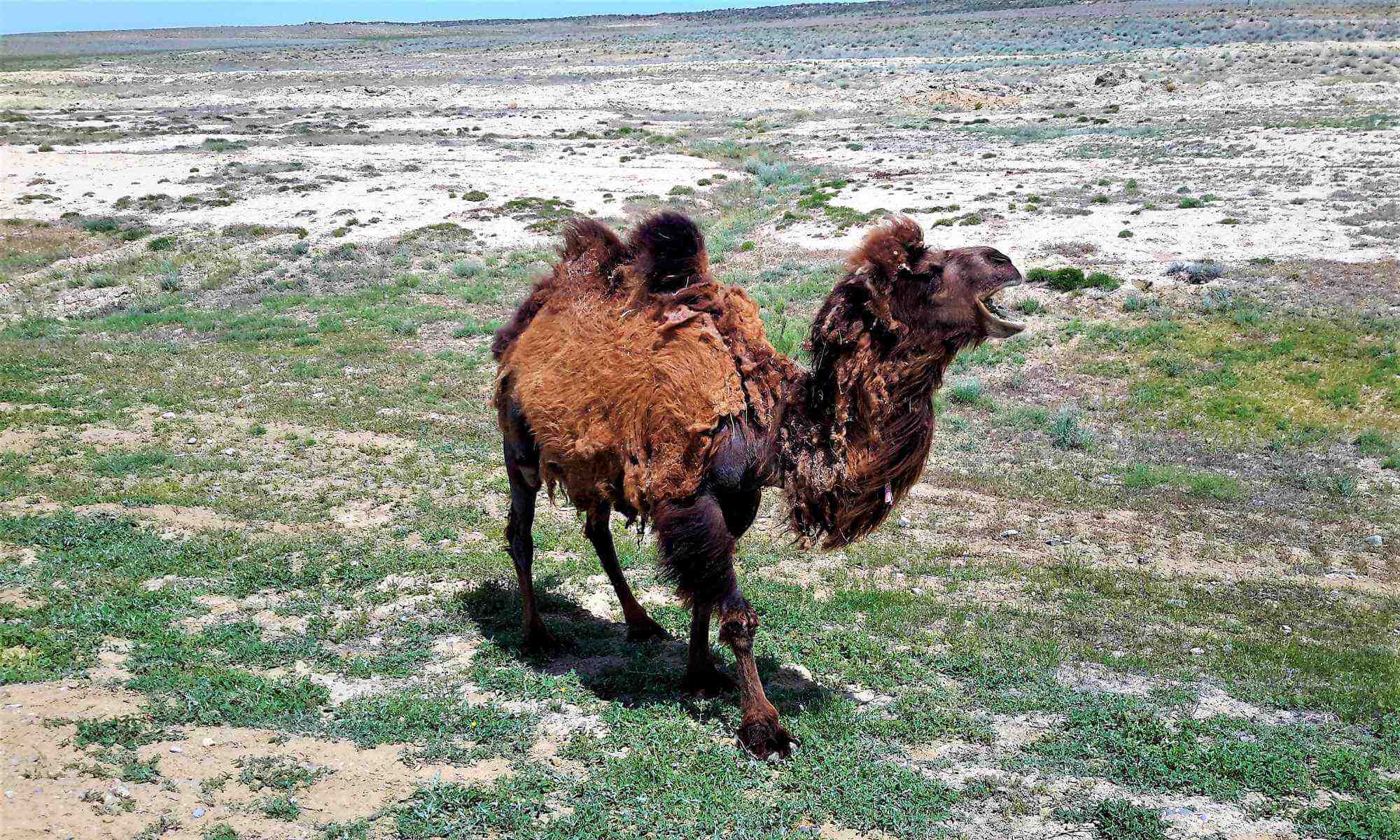
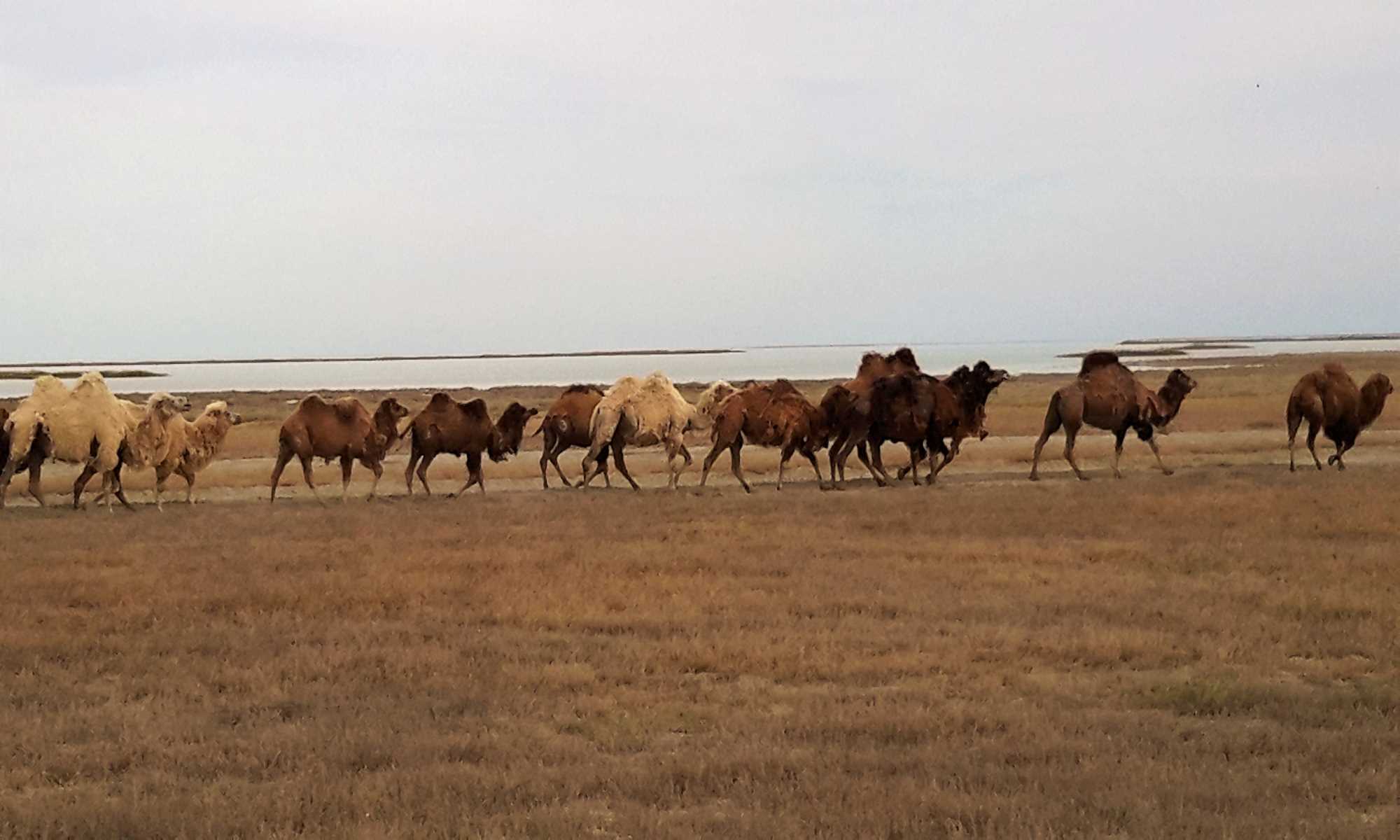
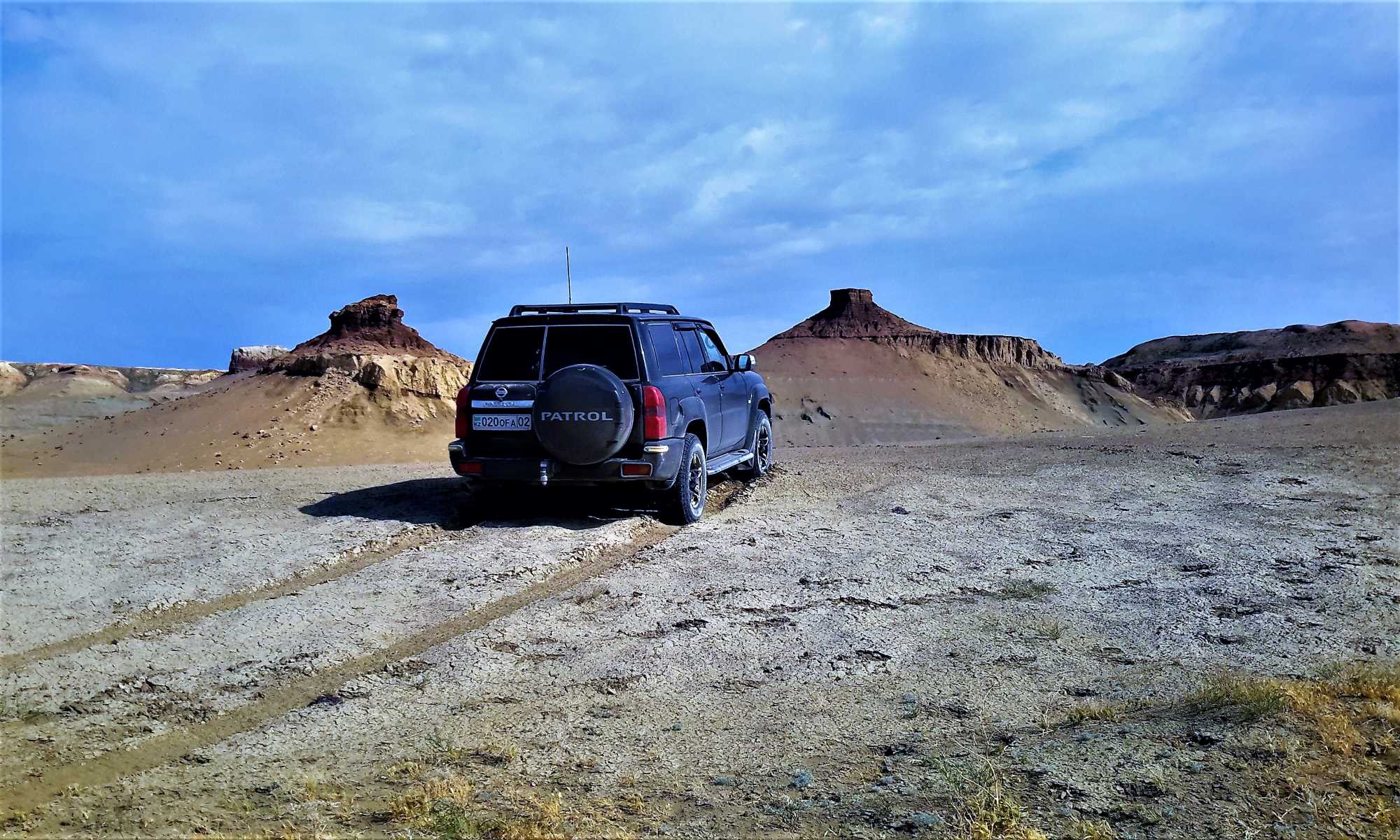
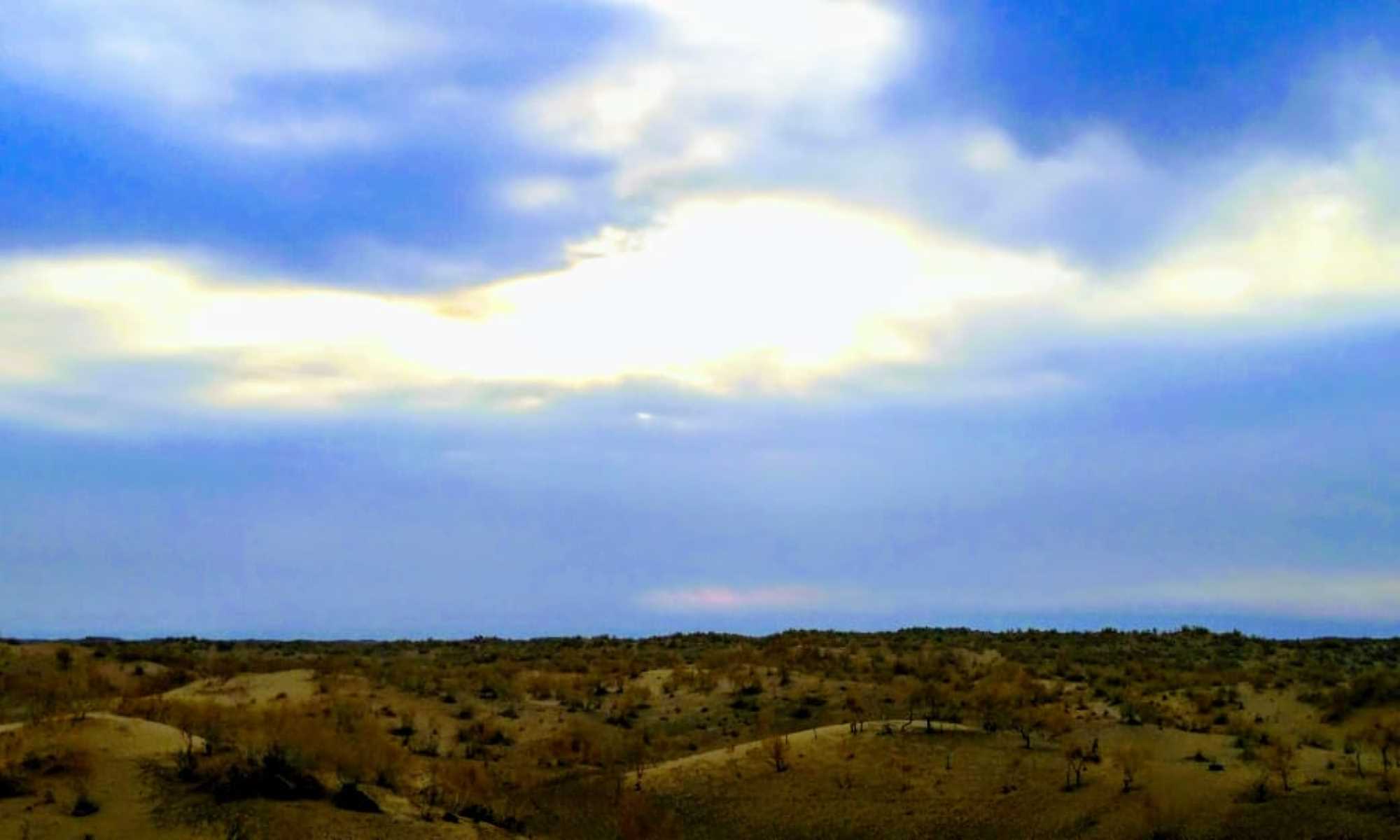
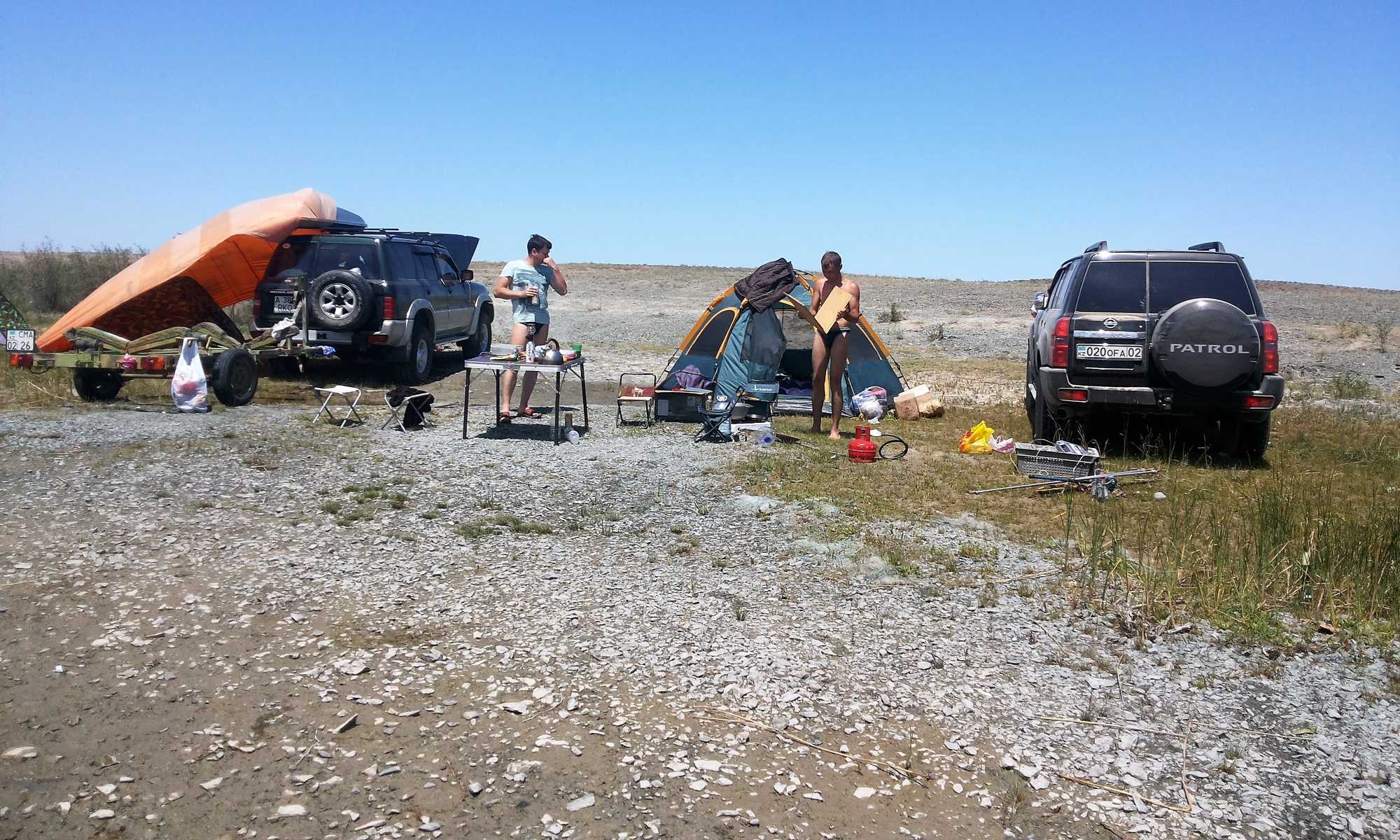
Steppes and deserts. Bare steppes, camel caravans wandering along the Great Silk Road ... usually such a picture emerges in the head when thinking about Central Asia. Indeed, all the events associated with the Scythians, Genghis Khan, took place on our land! The brand of Kazakhstan as a tourist destination sounds like “Uly Dala Eli”, which means “The country of the great new steppe”. Let's take a closer look at some of the endless steppes and deserts, which often become independent locations of our jeep tours.
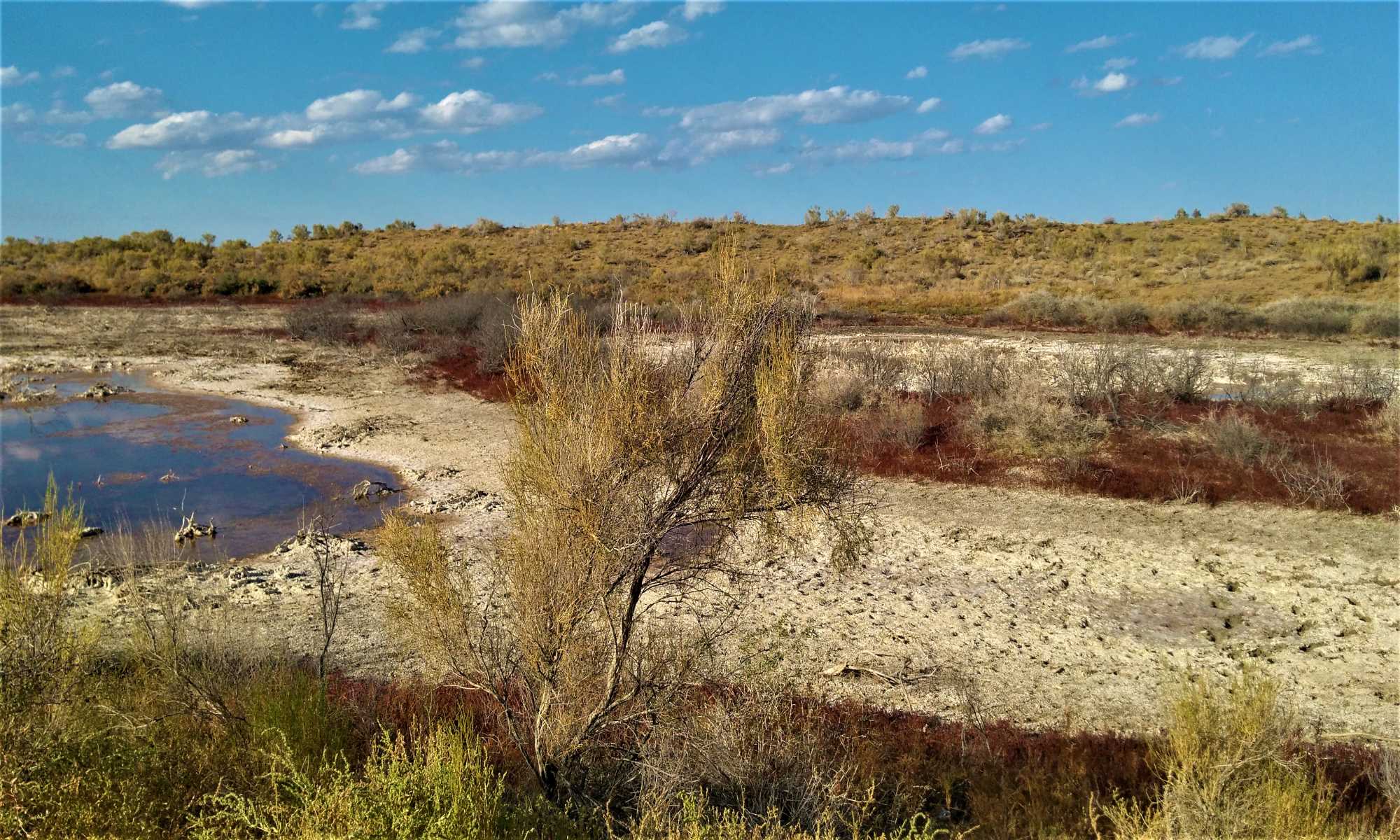
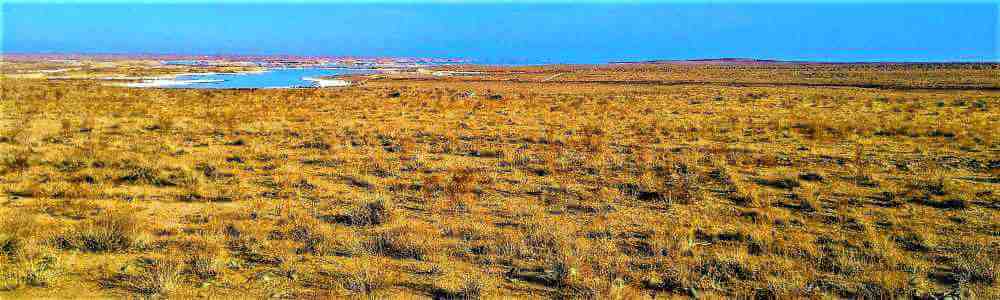 Saryesik-Atyrau is a sandy desert in Almaty region of Kazakhstan. It is located in the Balkhash-Alakol depression, south of Lake Balkhash. Being in the middle of the salt marshes scorched by the merciless sun and blown by the winds, it is very difficult to believe that people once lived here, but it was really so. Traces of ancient civilizations, such as the settlement of Karamergen (included in the UNESCO World Heritage List), are proof of this. The fact is that the rivers running from the Dzhungar Alatau and Tien Shan change their course over time, which forced ancient civilizations to leave the cities. Also in the Saryesik-Atyrau desert, there is a network of salty and fresh medicinal lakes called Paradise Lakes. You can read more about them in "Lakes of Central Asia" section.
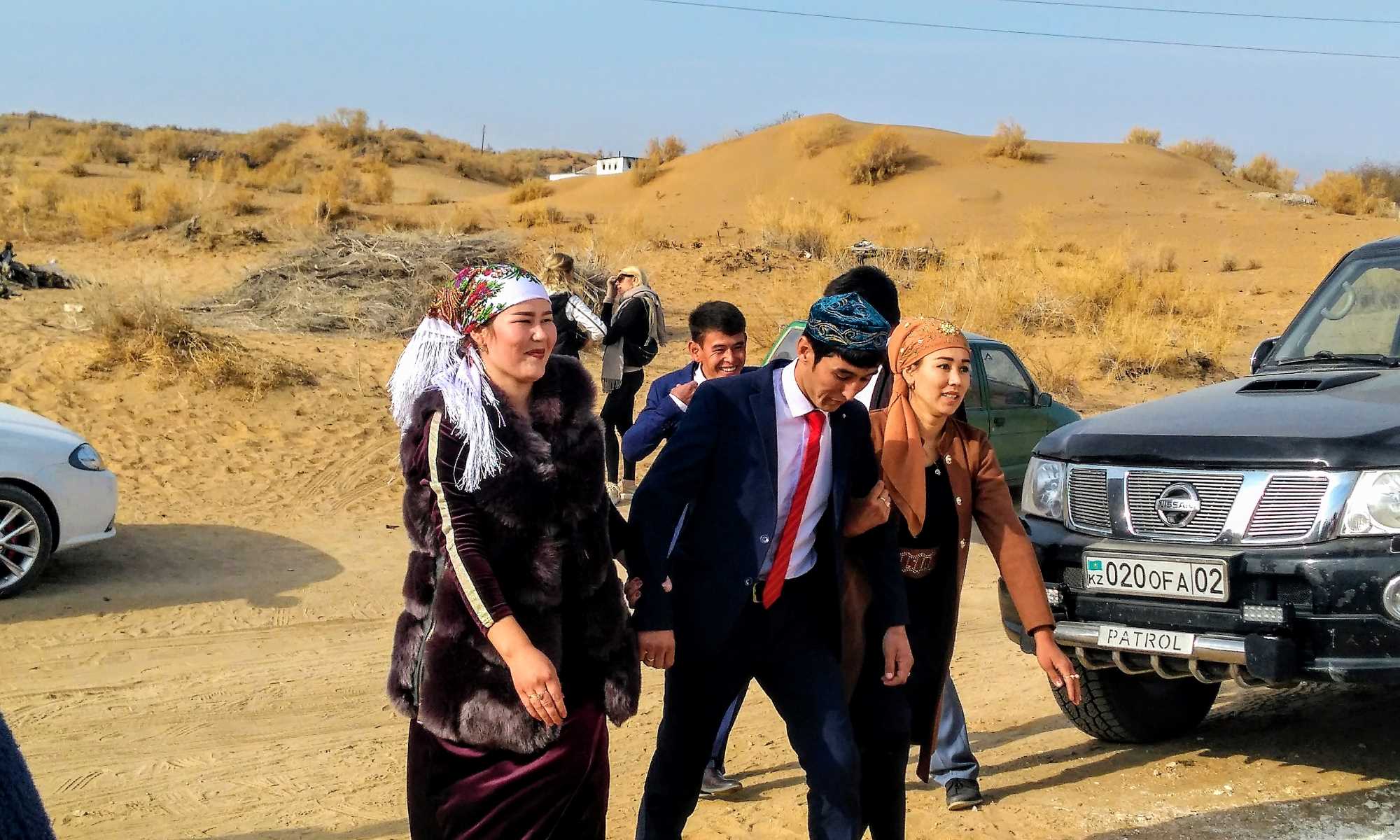
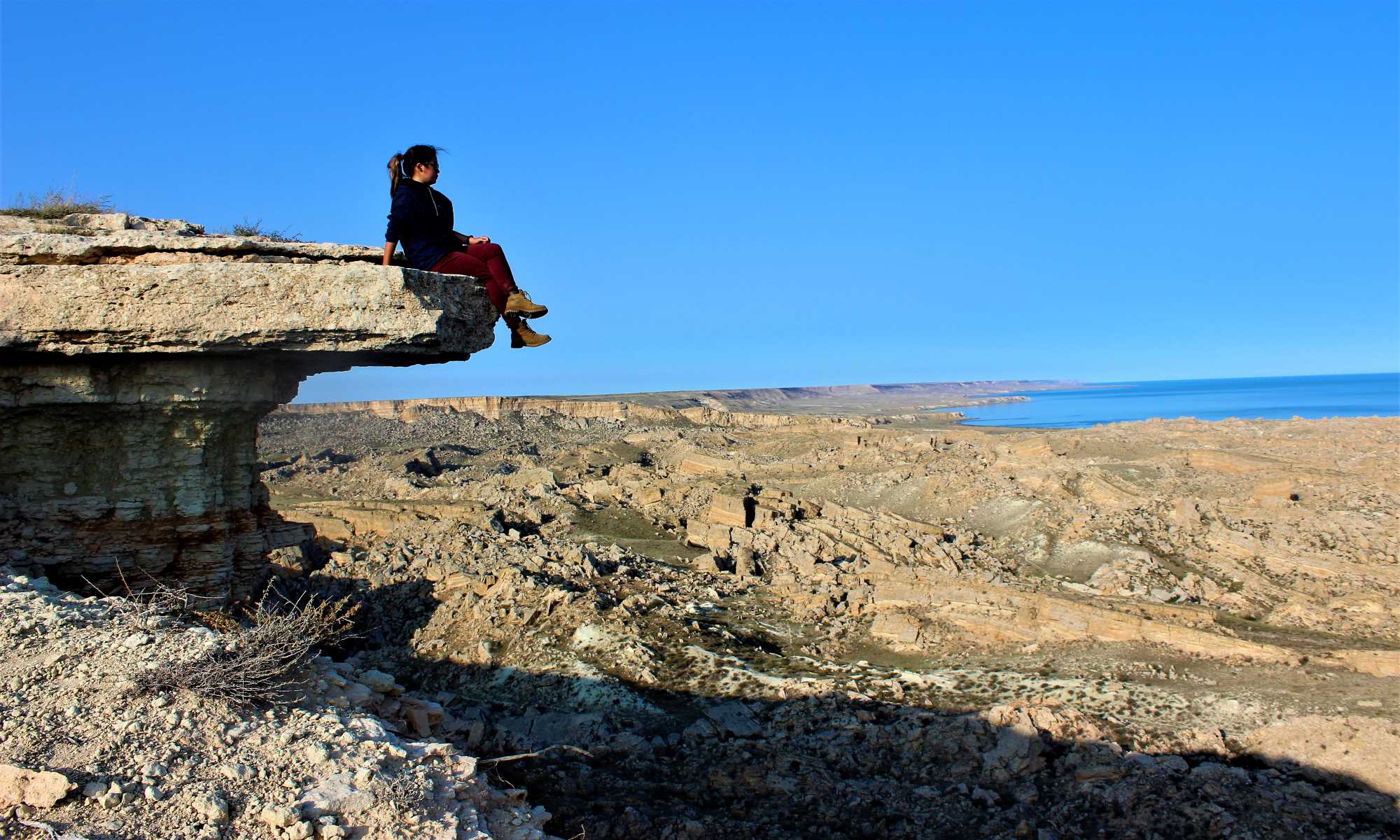
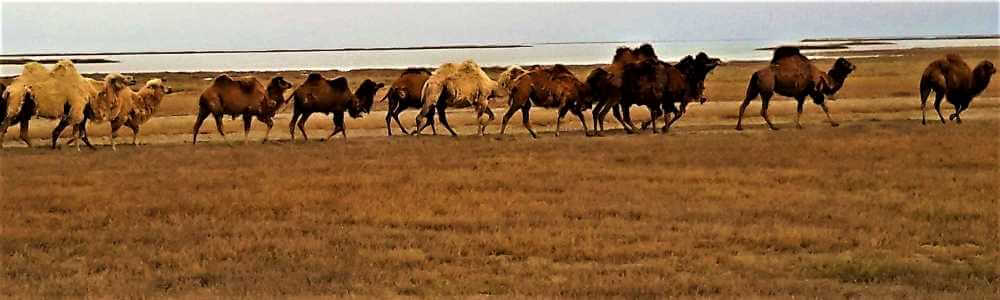 Aralkum is a sandy-saline desert that forms on the site of the drying Aral Sea. It is located on the territory of Kazakhstan and Uzbekistan, on the northwestern extremity of the Karakum and Kyzylkum deserts. The second name of the desert is Akkum, which means “white desert”. Aralkum is a powerful source of wind blowout. Dust storms carry around 100 million tons of toxic salt and dust annually. A powerful air flow from west to east passes over the desert, carrying out a rapid spread of aerosol beyond the borders of Central Asia. Toxic substances from Aralkum were found in the blood of penguins in Antarctica, common Aral dust - on the glaciers of Greenland, in the Norwegian forests and in the fields of Belarus.
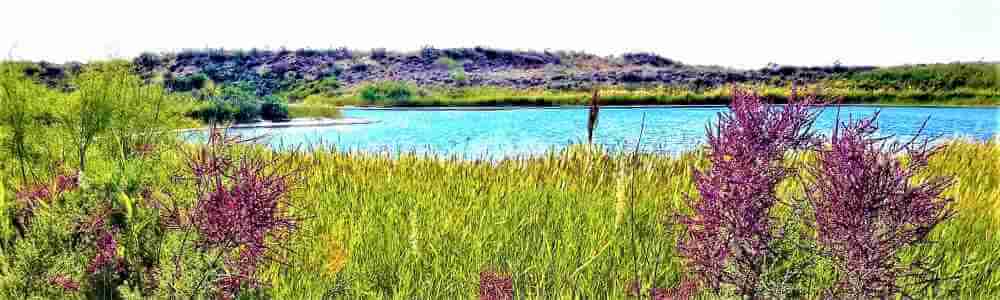 Sary-Arka, or Kazakh Uplands, is a steppe in central Kazakhstan, which is a very ancient, heavily destroyed mountainous area. It consists of leveled uplands and small hummocks, which is why it is called "uplands", which are small hills. And the word "Sary-Arka" from the Kazakh language is translated as "yellow ridge". On the territory of Sary-Arka there are two state reserves: Korgaldzhinsky and Naurzumsky, which are UNESCO World Heritage Sites. The climate in the hummock is dry and sharply continental: winters are very cold, and summers are sultry and hot. There are many salt lakes in Sary-Arka, and freshwater lakes are located mainly in the region of the Kokchetav Upland - Borovoe, Shchuchye, Bolshoye Chebachye, Imantau and others.
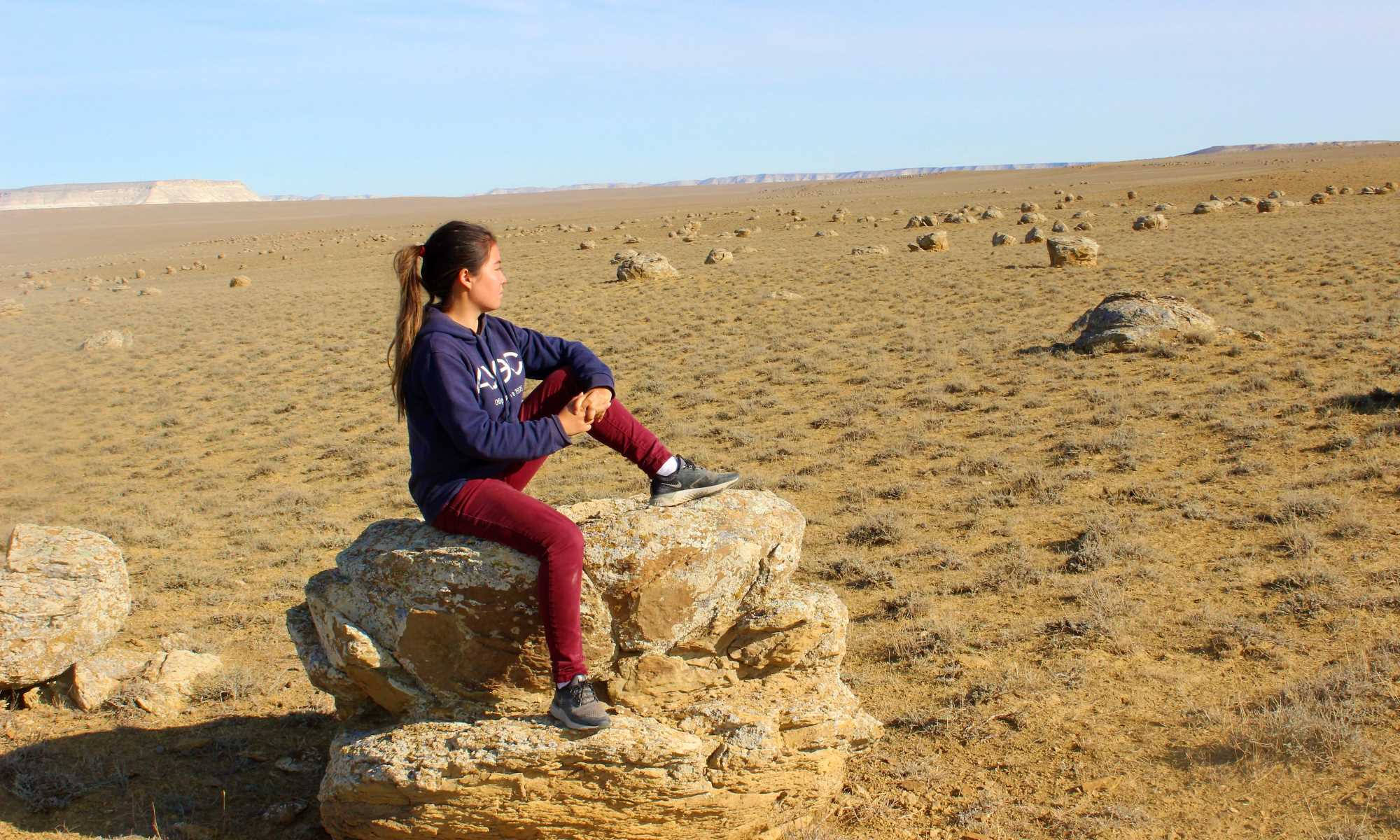
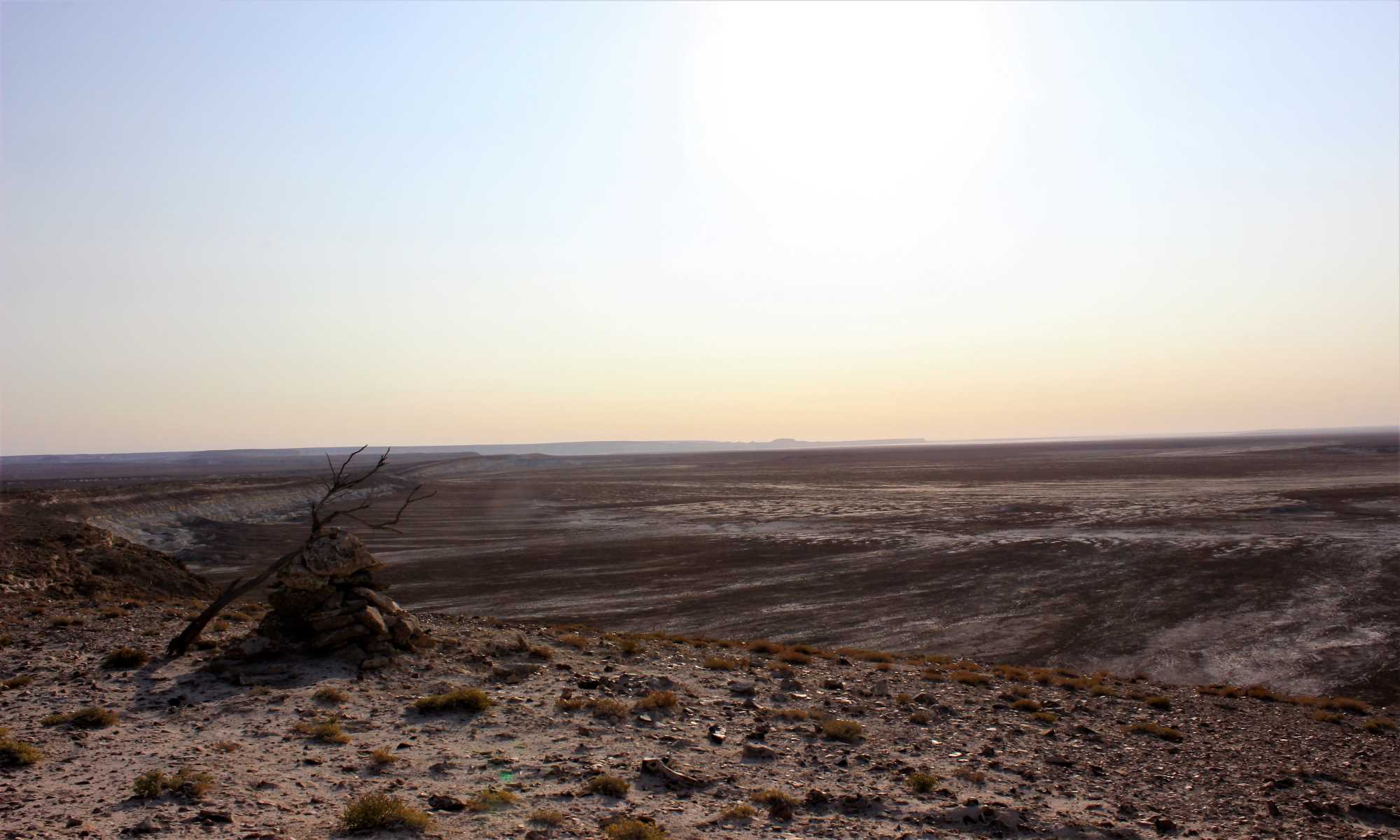
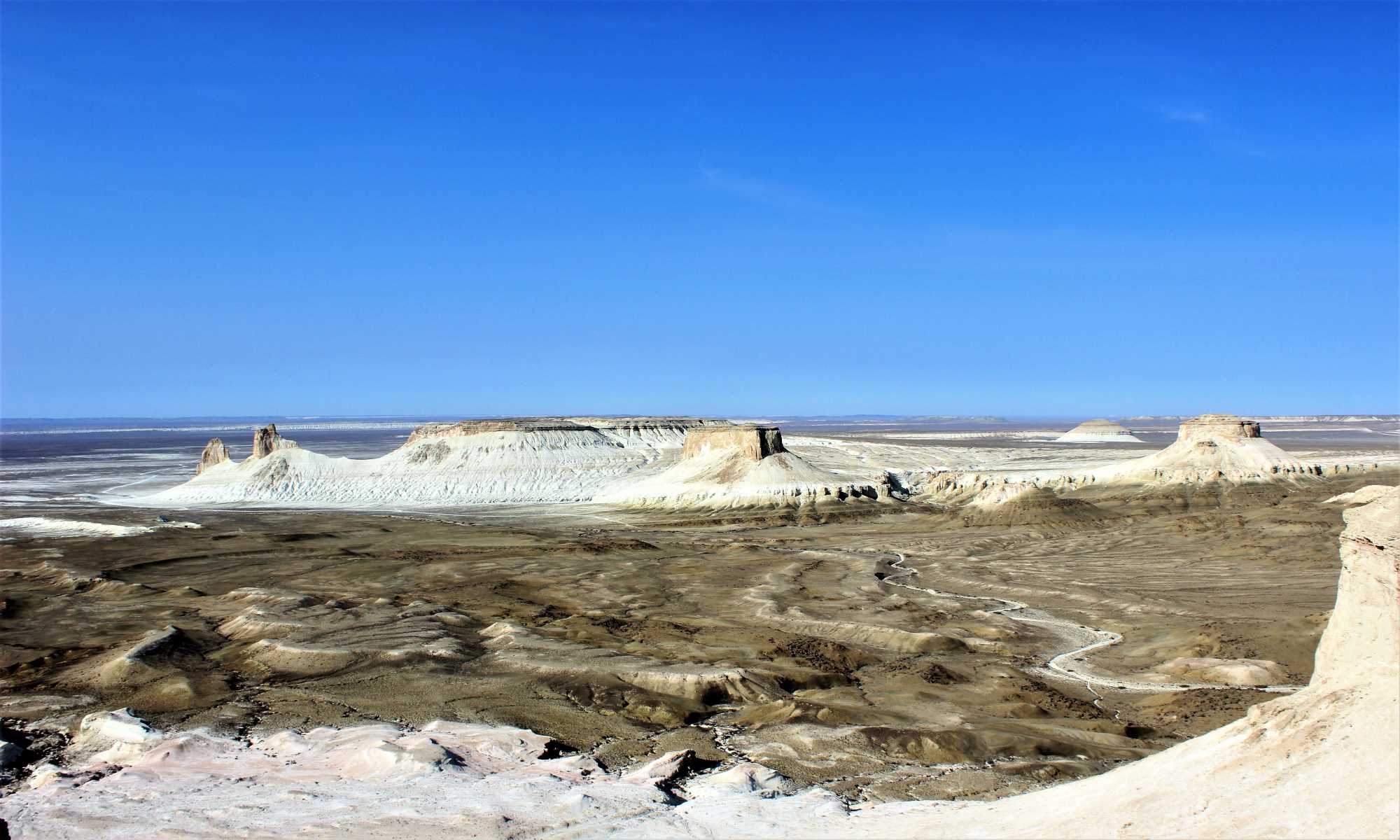
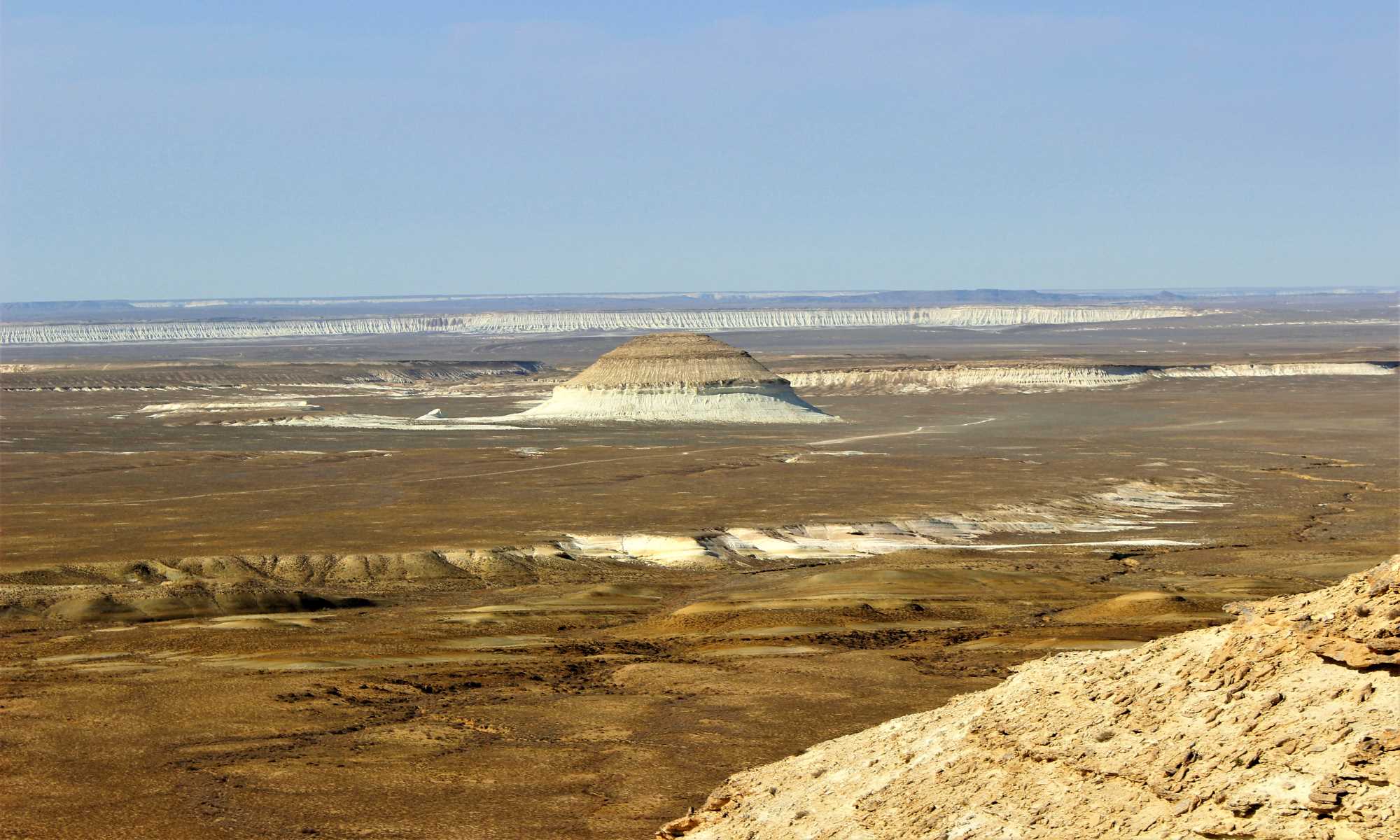
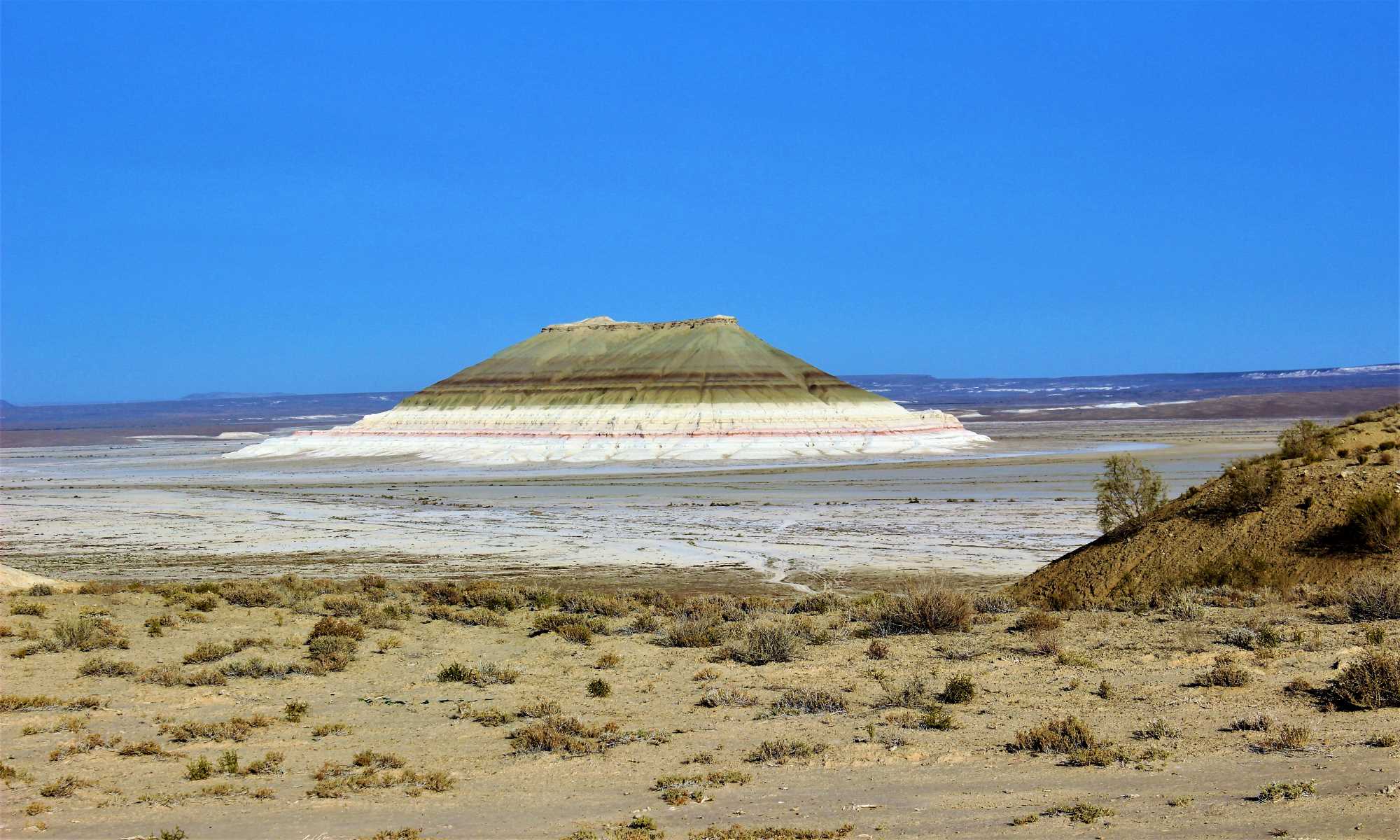
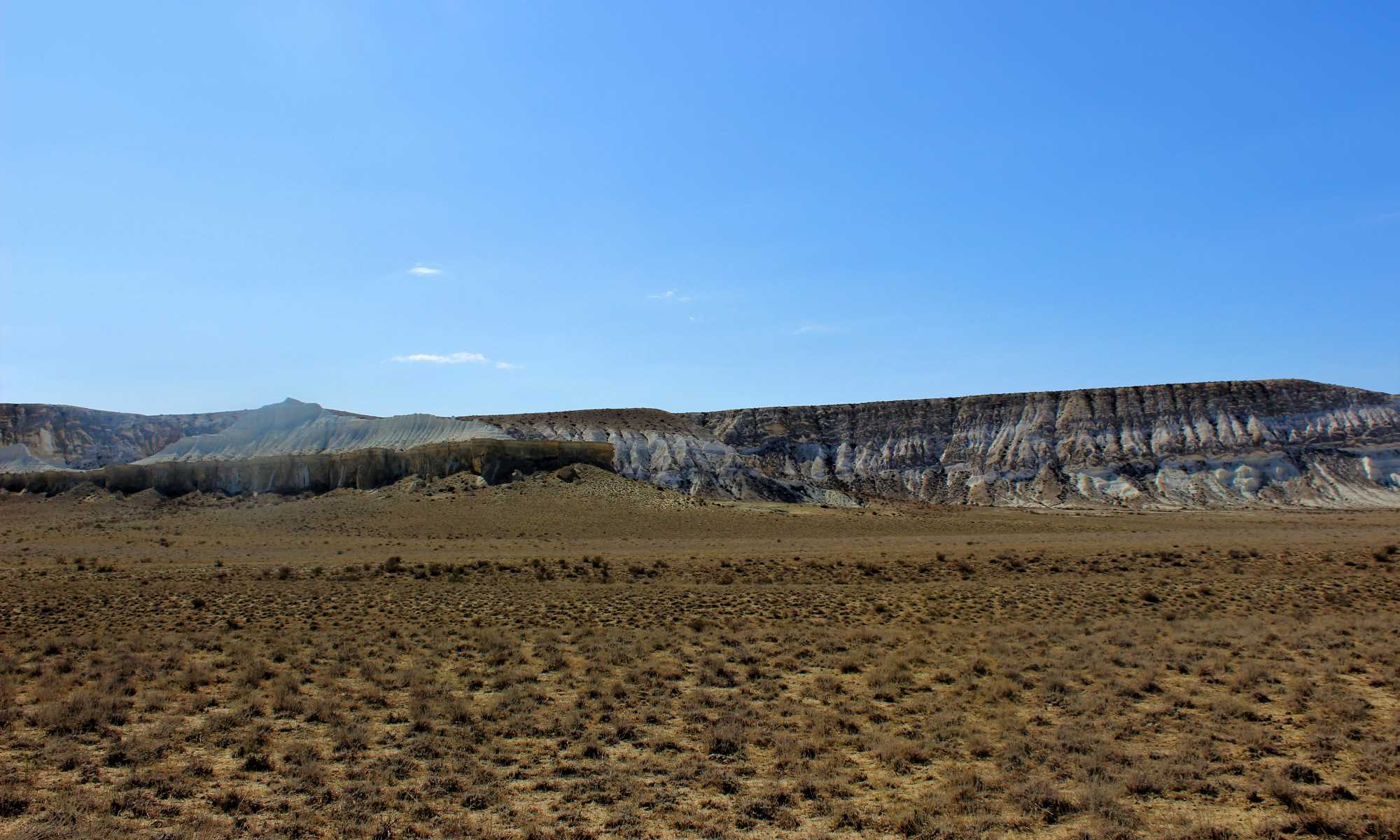
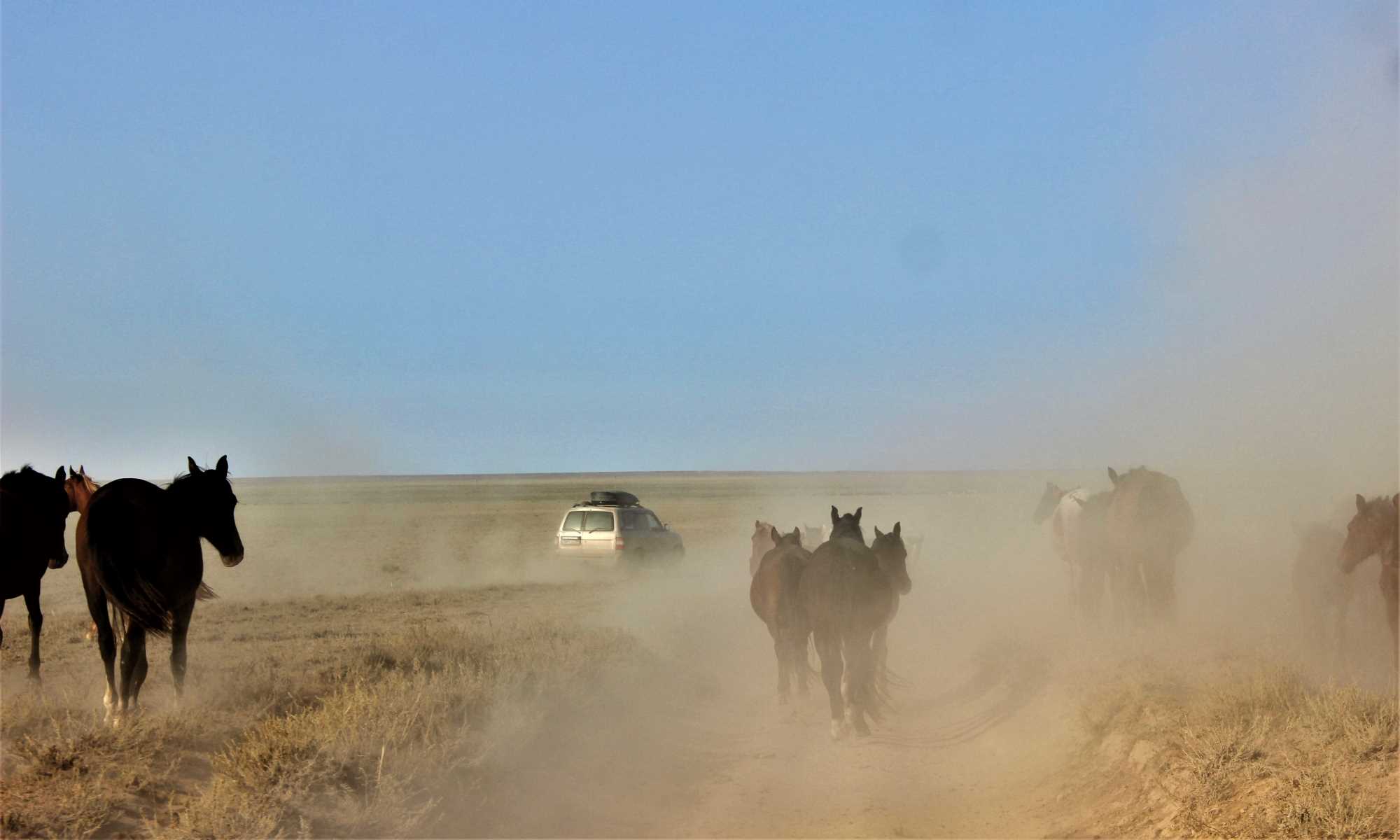
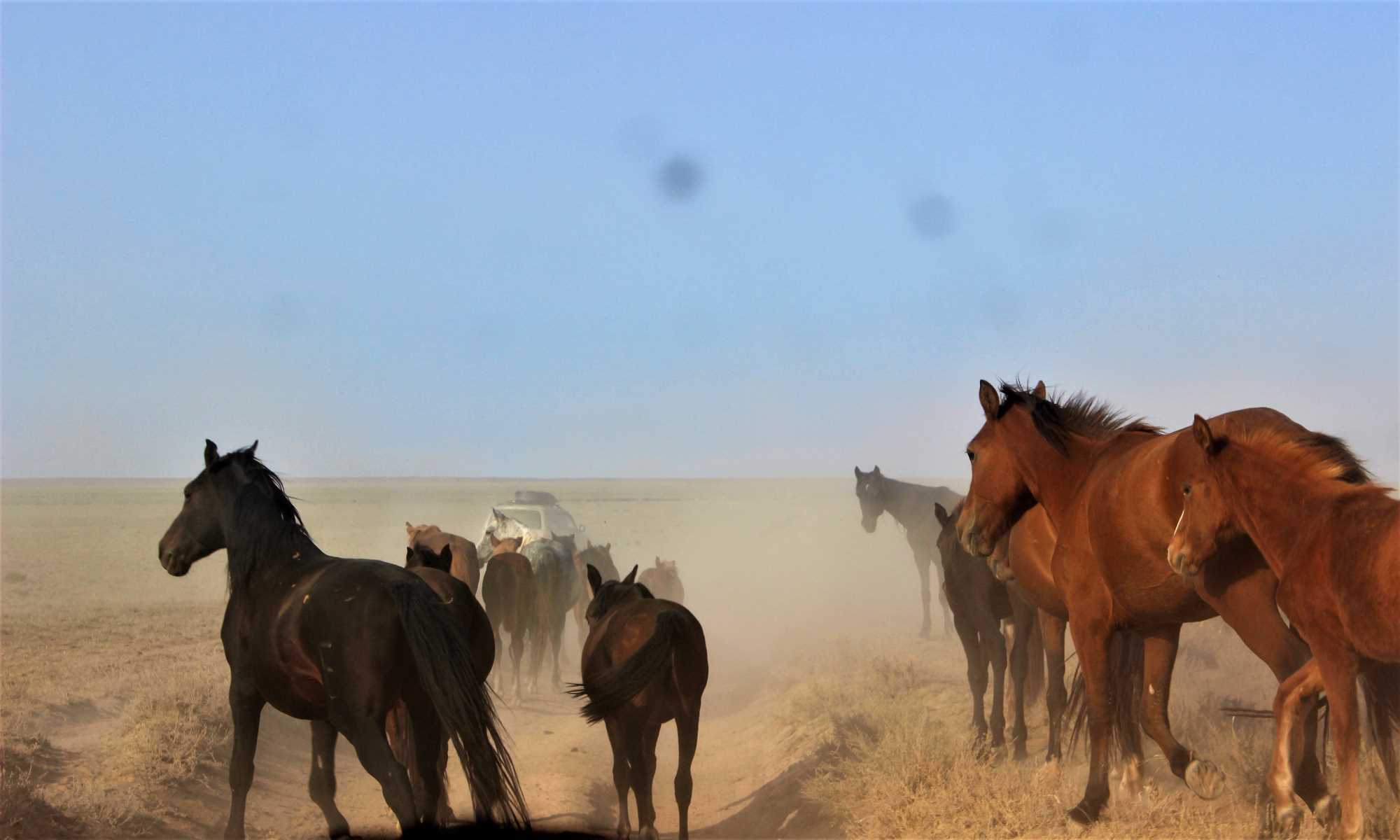
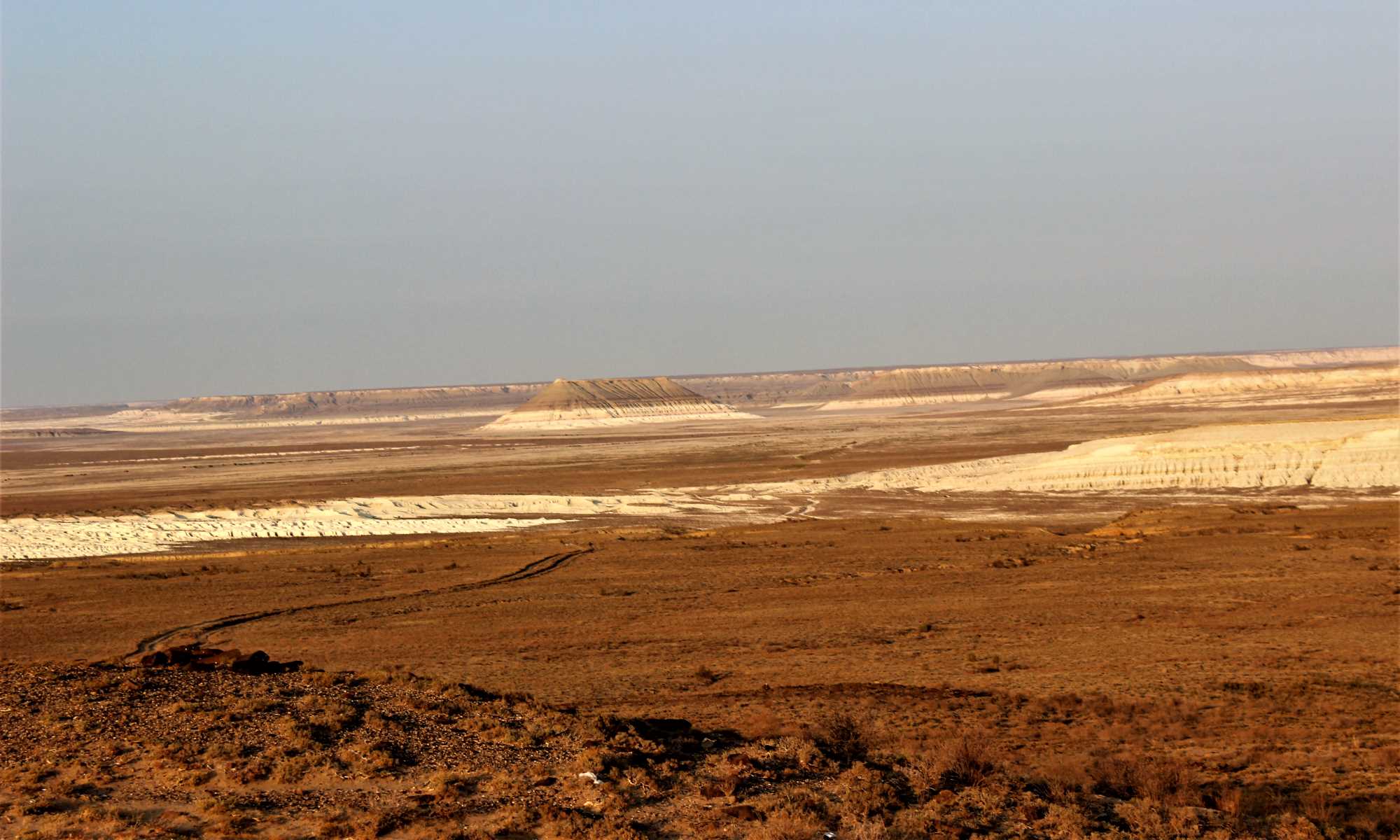
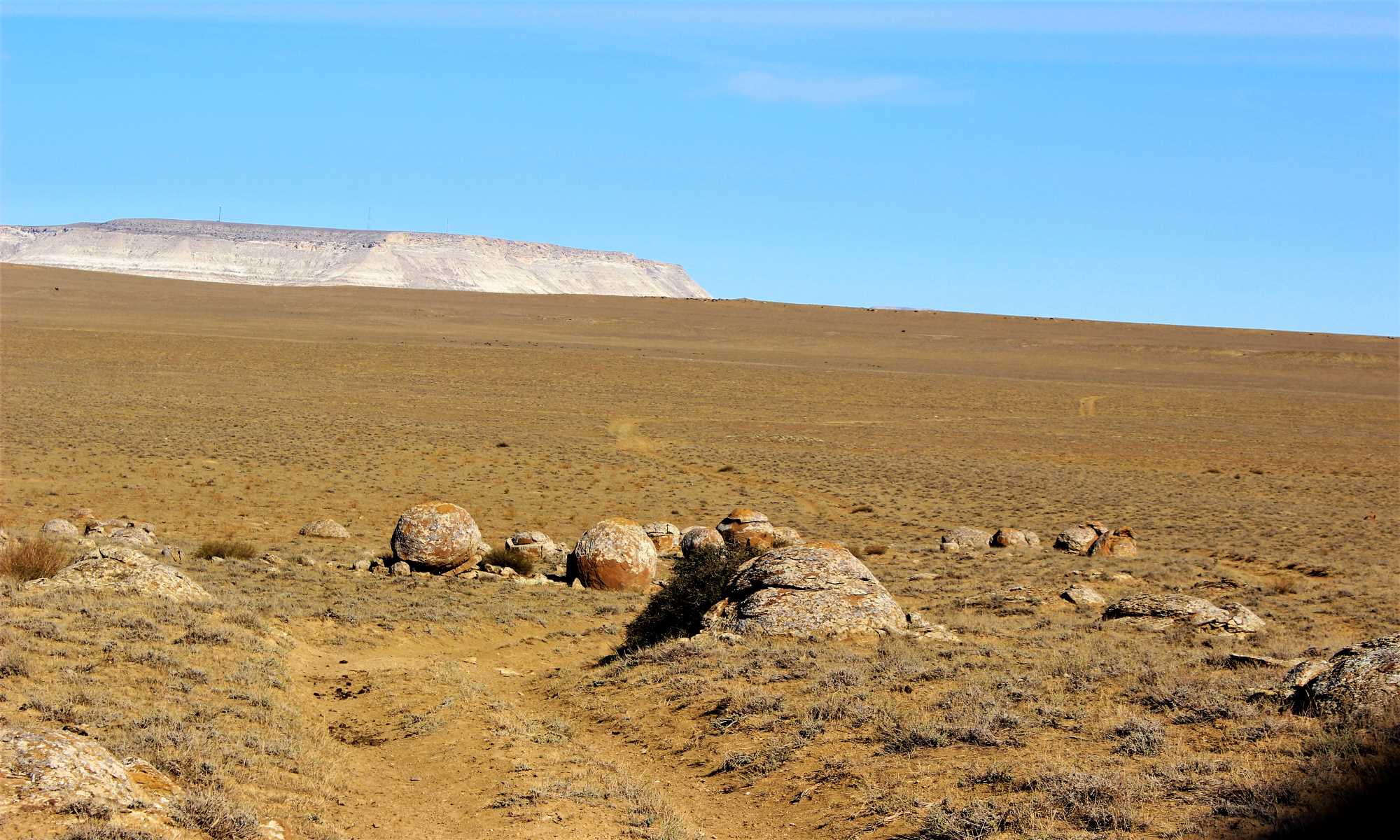
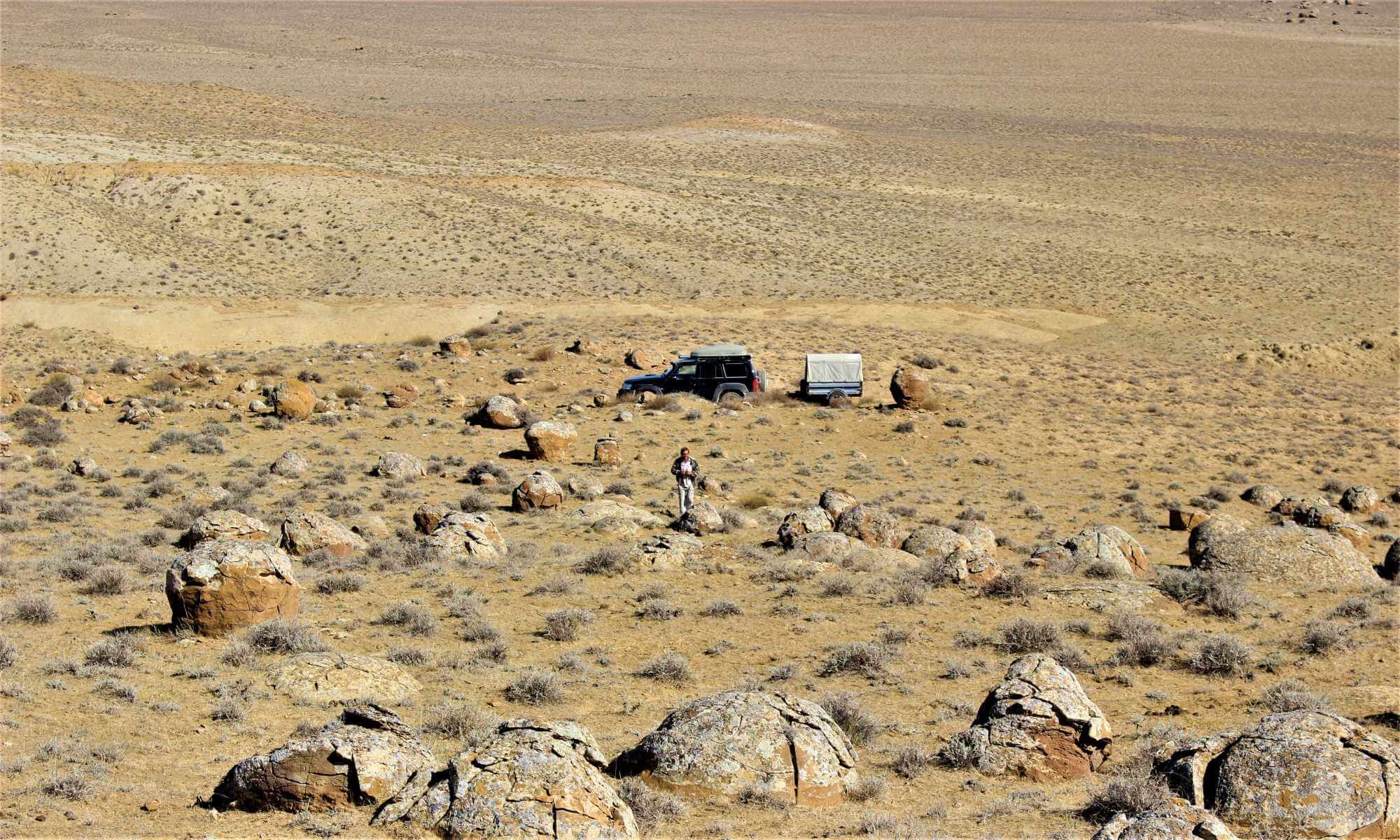
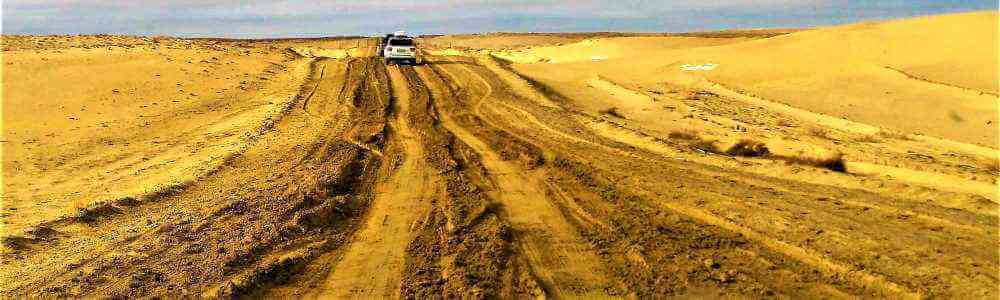 Betpak-Dala, or the northern “hungry” steppe, is a rocky-rubble and saline desert in the Karaganda, Turkestan and Zhambyl regions of Kazakhstan. Such a desert is even more lifeless than a sandy one. It looks so naked and dead that you begin to understand the attitude of the nomads towards her. Kazakhs drive their herds across the Northern Hungry Steppe twice a year, in spring and autumn, during the migration. They migrate very quickly: almost without stops. The strong haste is due to the lack of watering places and the scarcity of pastures. The flora is represented by ephemerals, the life cycle of which is about a month. Not long time ago, no one lived in Betpak-Dala, and so no one studied it until the 1930s. And when the researchers did get to it, they discovered a lot of minerals and rare animals, such as: saiga (which is the same age as the mammoth), Selevinia (carnivorous mouse, which was named after the first explorer Victor Selevin). It is interesting that the saiga population in Betpak-Dala was one of the largest, but unfortunately, poachers ruthlessly exterminate male saigas for their horns, which are especially valued in Chinese medicine. In the past, the huge population of saigas in our desert was primarily due to their way of life. Saigas are capable of speeds up to 80 km / h on the flat land, while on rough terrain they become absolutely helpless. Also in Betpak-Dala there are operating deposits of radioactive uranium.
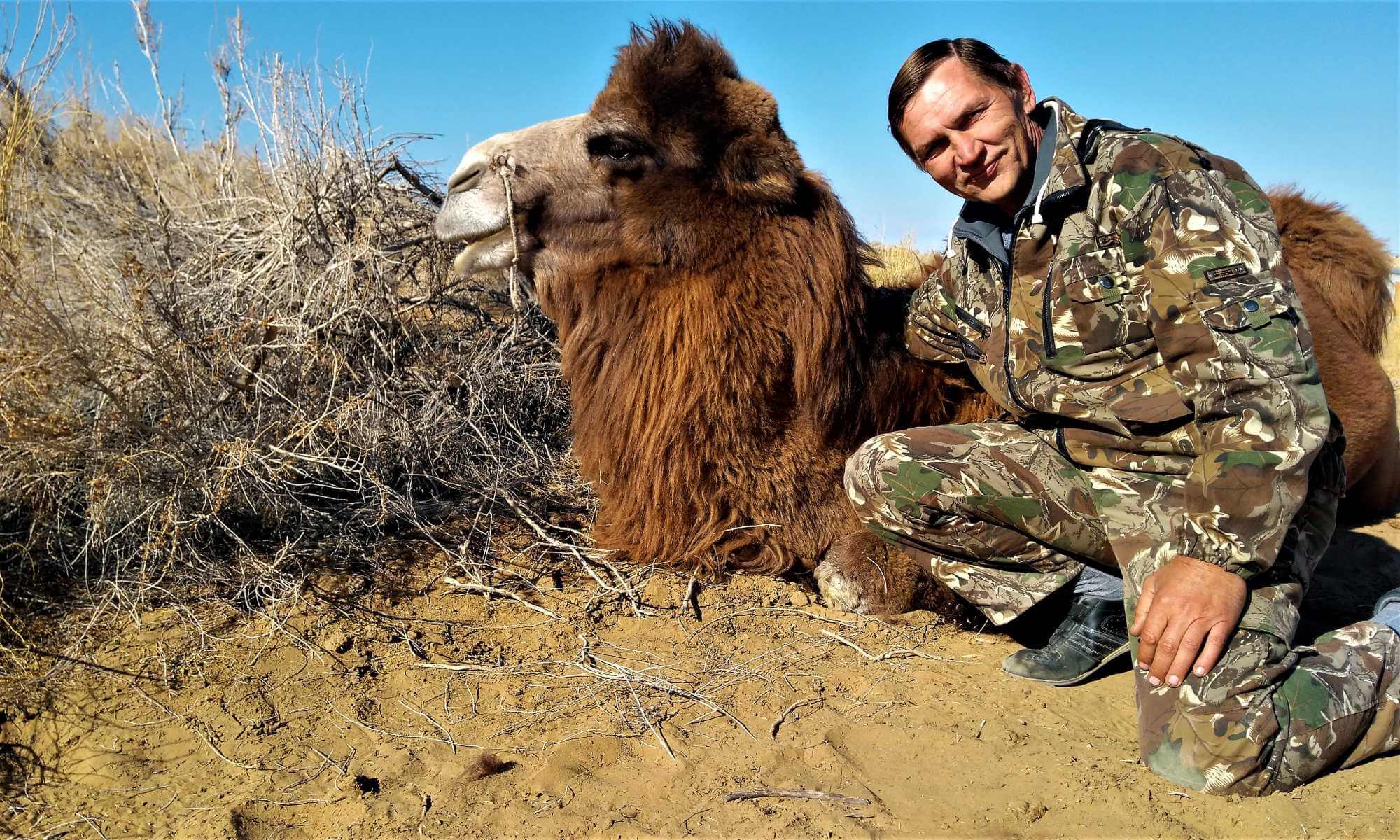
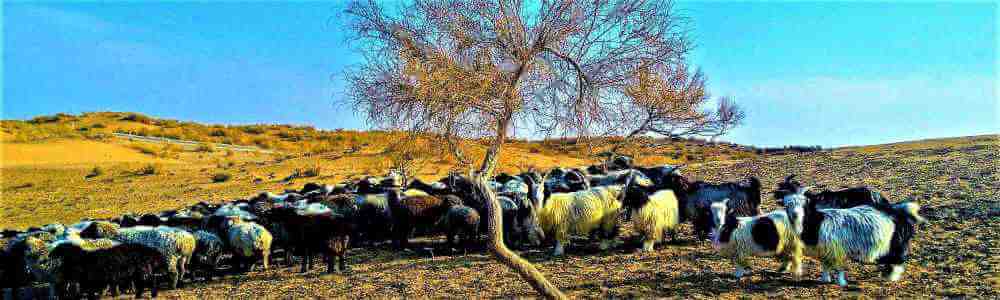 Kyzyl Kum is the largest and most majestic desert in Central Asia. Translated from Turkic, the name is translated as "red sands". Kyzylkum is located in the interfluve of the Amurdarya and Syrdarya rivers, on the territory of Kazakhstan, Uzbekistan and Turkmenistan. Despite its lifelessness, it is quite well mastered by humans. Large artesian basins have been discovered in the central and western parts of the desert, and sheep breeding is developing. In the desert, marble, graphite, turquoise, etc. are being developed, and several large gold deposits have been discovered.
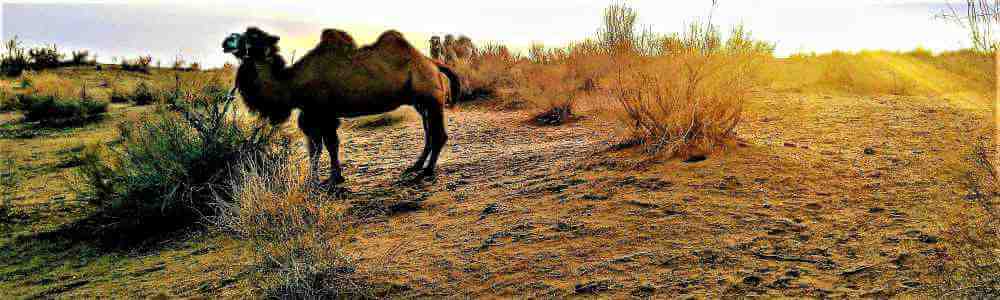 Karakum– sandy desert is located on the north of the Almaty region. Its name translated from the Kazakh language as "black sand". Karakum stretches like a crescent between the eastern end of the lake Balkhash and Lake Sasykkol, skirting the low ridge of Arkala from the north. Further, the sands stretch to the south in the interfluve of Lepsy and Tentek to the village of Andreevka. The river network in the desert itself is extremely poor and temporary. The permanent rivers Lepsy and Tentek flow along its perimeter; in the northern part, the drying up lower reaches of the river are located Ayaguz. Also, "Karakum" in translation from Turkic means "earthen sands" according to the scientist toponymist E.M. Murzaev.