







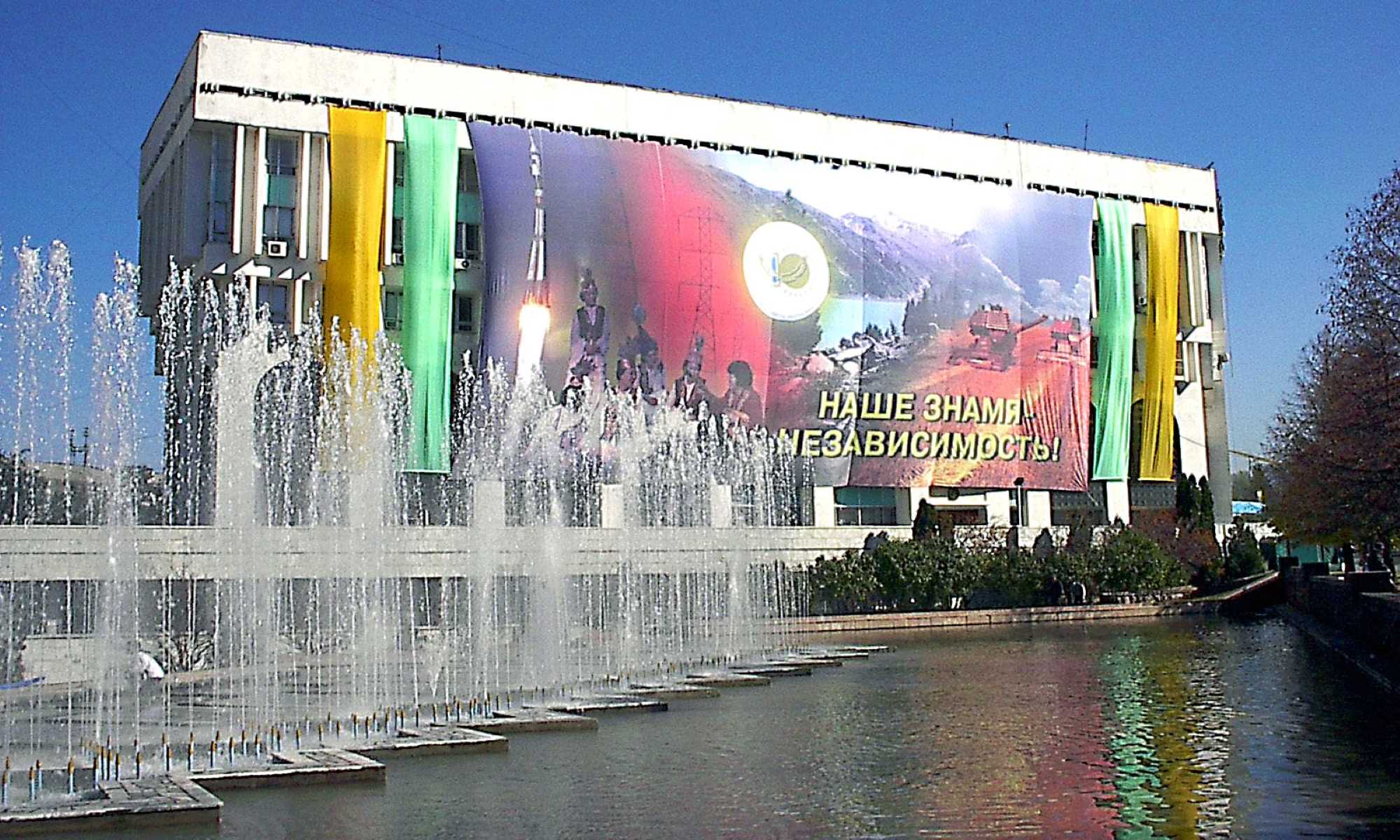

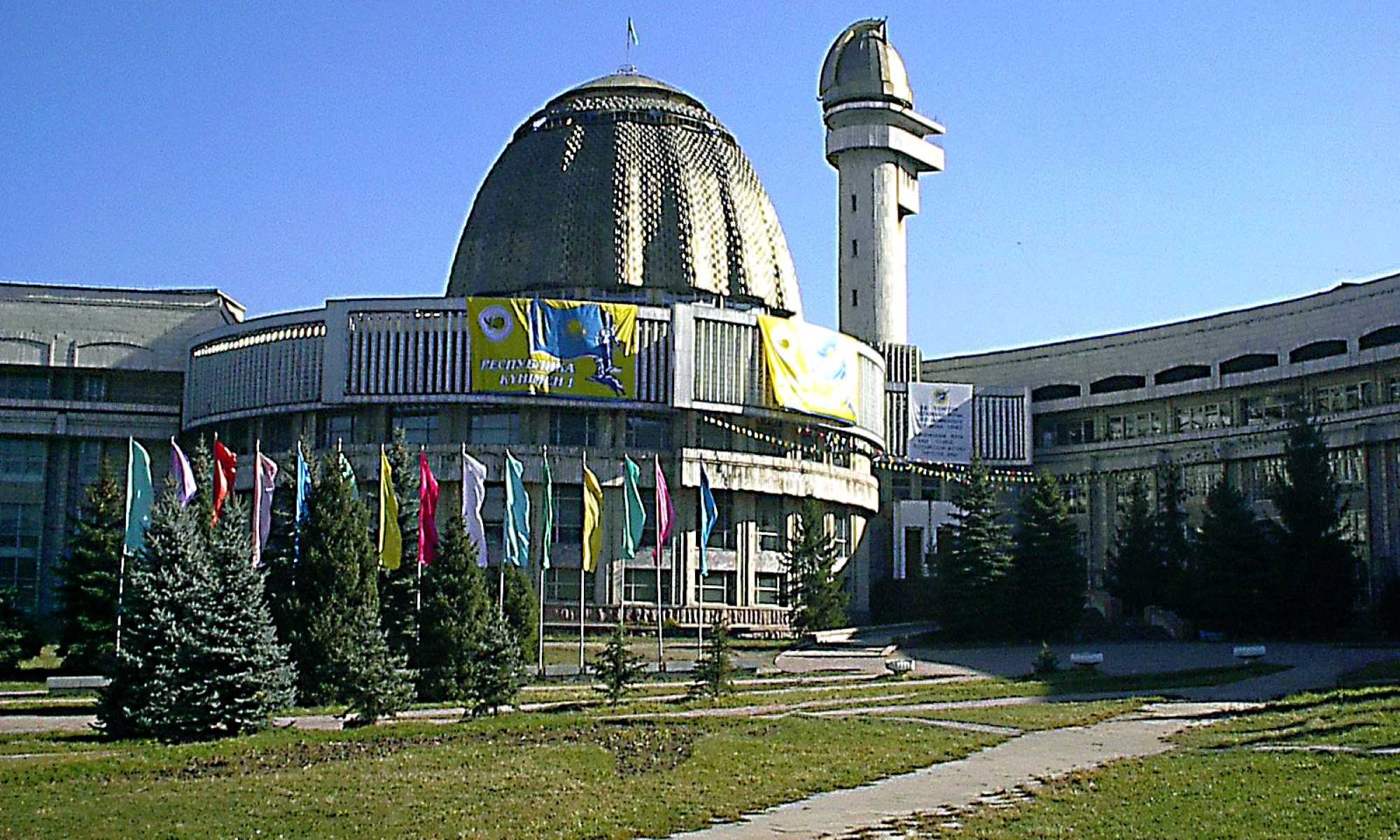












Kazakhstan is located in the heart of the Eurasian continent. Its territory is 2 724 900 sq. km (1,049,150 sq. miles). It is the second largest country in the CIS and the ninth largest country in the world. By its territory, Kazakhstan is larger than the twelve countries of the European Union. Kazakhstan shares borders with China, Kyrgyzstan, Turkmenistan, Uzbekistan and Russia. The total length of the borders is 12187 km.
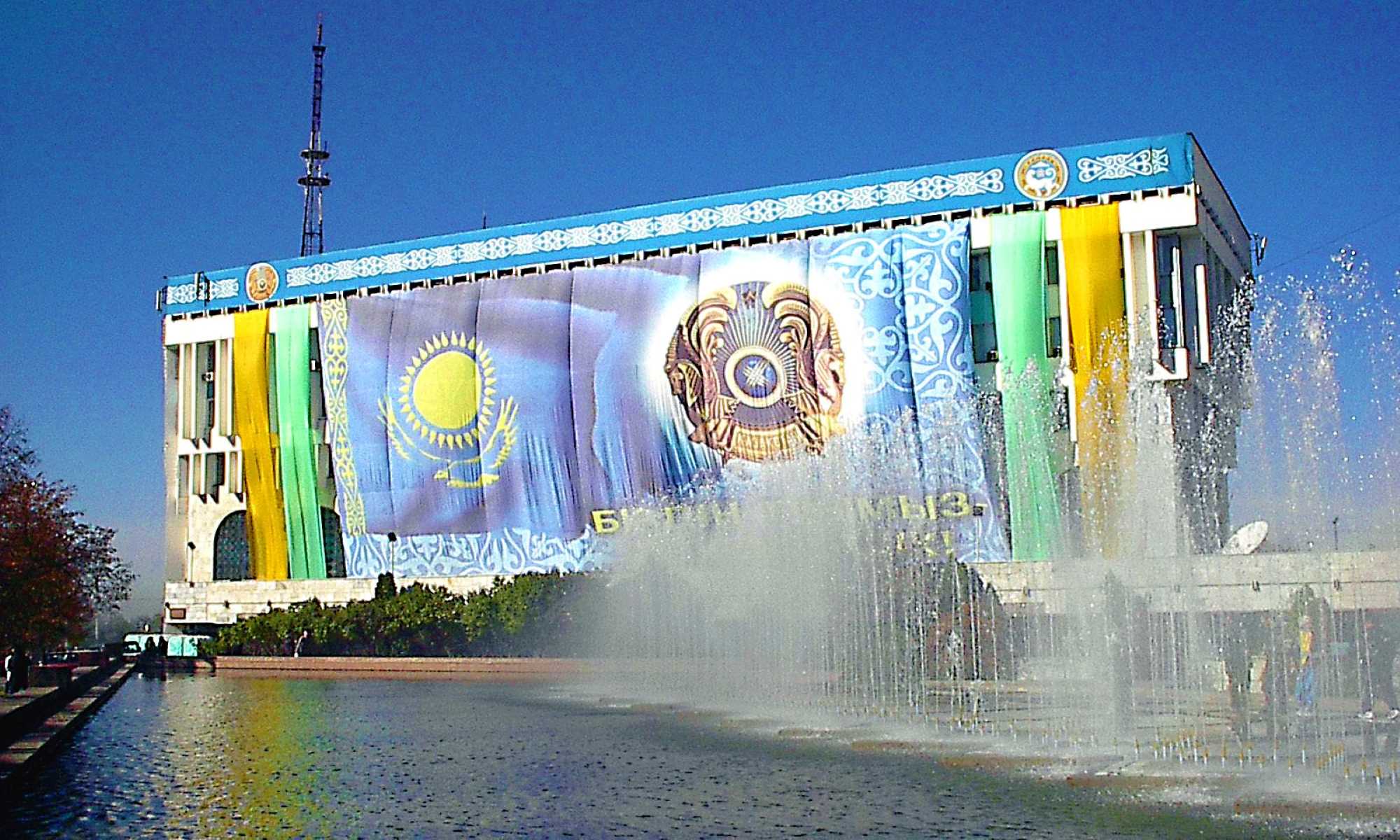
State symbols - flag, emblem, anthem.
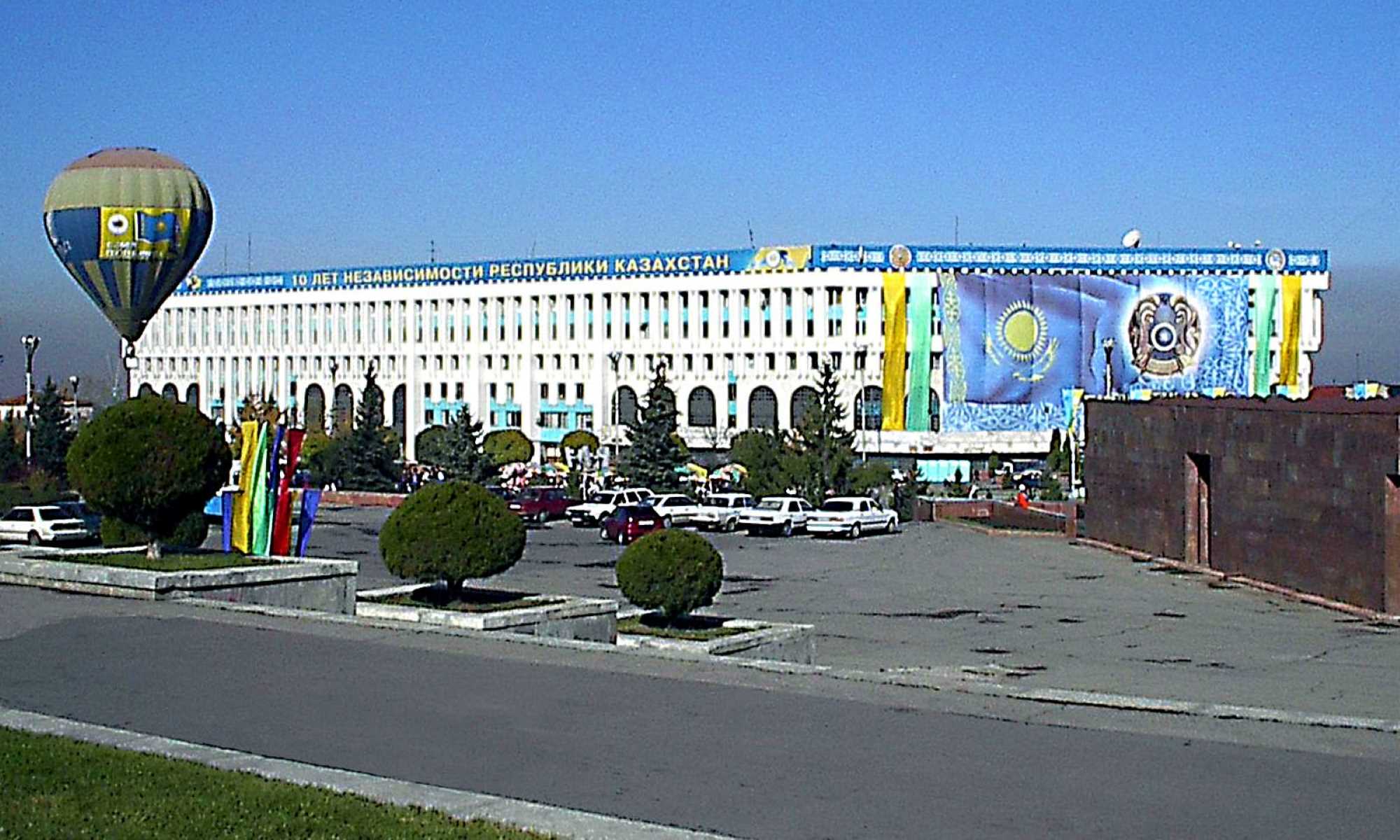
The flag of Kazakhstan is a rectangular cloth of sky-blue color with a gold-colored image in the center - the sun with rays, under which a soaring golden eagle. There is a vertical stripe with a national ornament at the flagpole. The author of the State Flag is the artist Shaken Niyazbekov. The sky blue color symbolizes honesty, loyalty and impeccability. In addition, the ancient Turks revered the Eternal Sky. Today, the sky blue color on the National Flag symbolizes clear skies, peace and prosperity. The sun symbolizes wealth and abundance, life and energy. The golden eagle is perceived as a symbol of power, perspicacity and generosity. The strip of national ornament at the staff of the State flag symbolizes the culture and traditions of the people of Kazakhstan.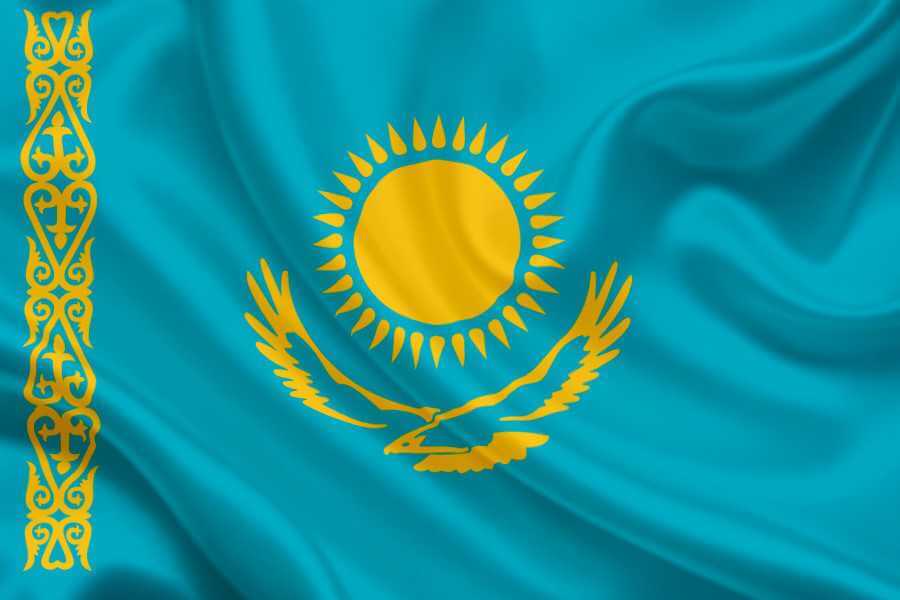
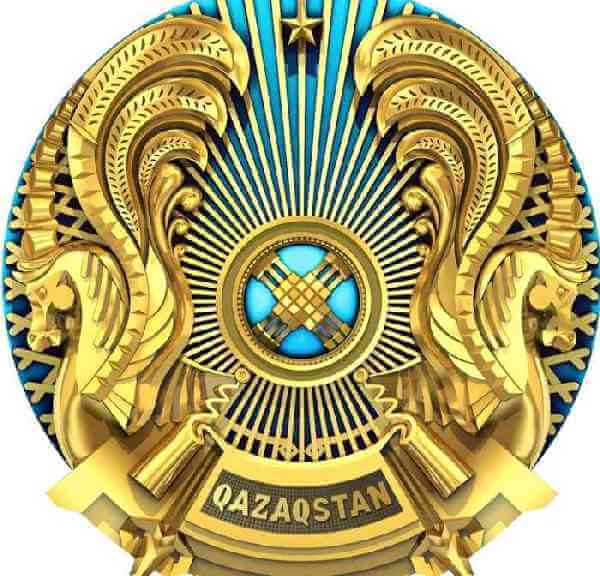
The state emblem of Kazakhstan was designed by famous architects Zhandarbek Malibekov and Shot-Aman Ualikhanov. It has the shape of a circle (wheel) - it is a symbol of life and eternity. The central element in the emblem is the image of a shanyrak on a blue background. To the right and left of the shanyrak are images of mythical winged horses. In the upper part there is a volumetric five-pointed star, and in the lower part there is an inscription "Kazakstan". All images are in gold color. Shanyrak is a symbol of a home and a common homeland for all peoples living in the country. The image of a horse embodies concepts such as courage, loyalty and strength. The wings symbolize the centuries-old dream of the people to build a strong and prosperous state. The wings of the horses also resemble golden ears and personify the industriousness of the people of Kazakhstan and the material well-being of the country. The five-pointed star personifies the constant striving of people for the light of truth, for everything sublime and eternal. The coat of arms also contains the color of the flag - sky blue, which is in harmony with the color of gold and symbolizes the clear sky, peace and prosperity.
Today's National Anthem of Kazakhstan was adopted in 2006 to replace the previous one created on the basis of the anthem of the Kazakh SSR. The adoption of the new Anthem was initiated by the First President - Leader of the Nation Nursultan Abishevich Nazarbayev on January 6, 2006. A letter from the Head of State was read out to the parliamentarians, in which it was noted that the current anthem is not popular among Kazakhstanis, the song "My Kazakhstan" is more popular. The President stressed that this song has long been recognized as the national anthem of the country, the time has come to approve this status officially, it is only necessary to make some adjustments to the text of the popular song. The amendments to the text were made personally by the President, and the Parliament decided that the authors of the text of the new Anthem are Zh.Nazhimedenov and N. Nazarbayev. The adoption of the new National Anthem was accompanied by lively public discussion. There were also opinions that a pop song cannot be a hymn. Indeed, when, back in 1992, this song by Shamshi Kaldayakov to verses by Zhumeken Nazhimedenov was offered as a hymn, this proposal was rejected by the commission with just such a motivation.
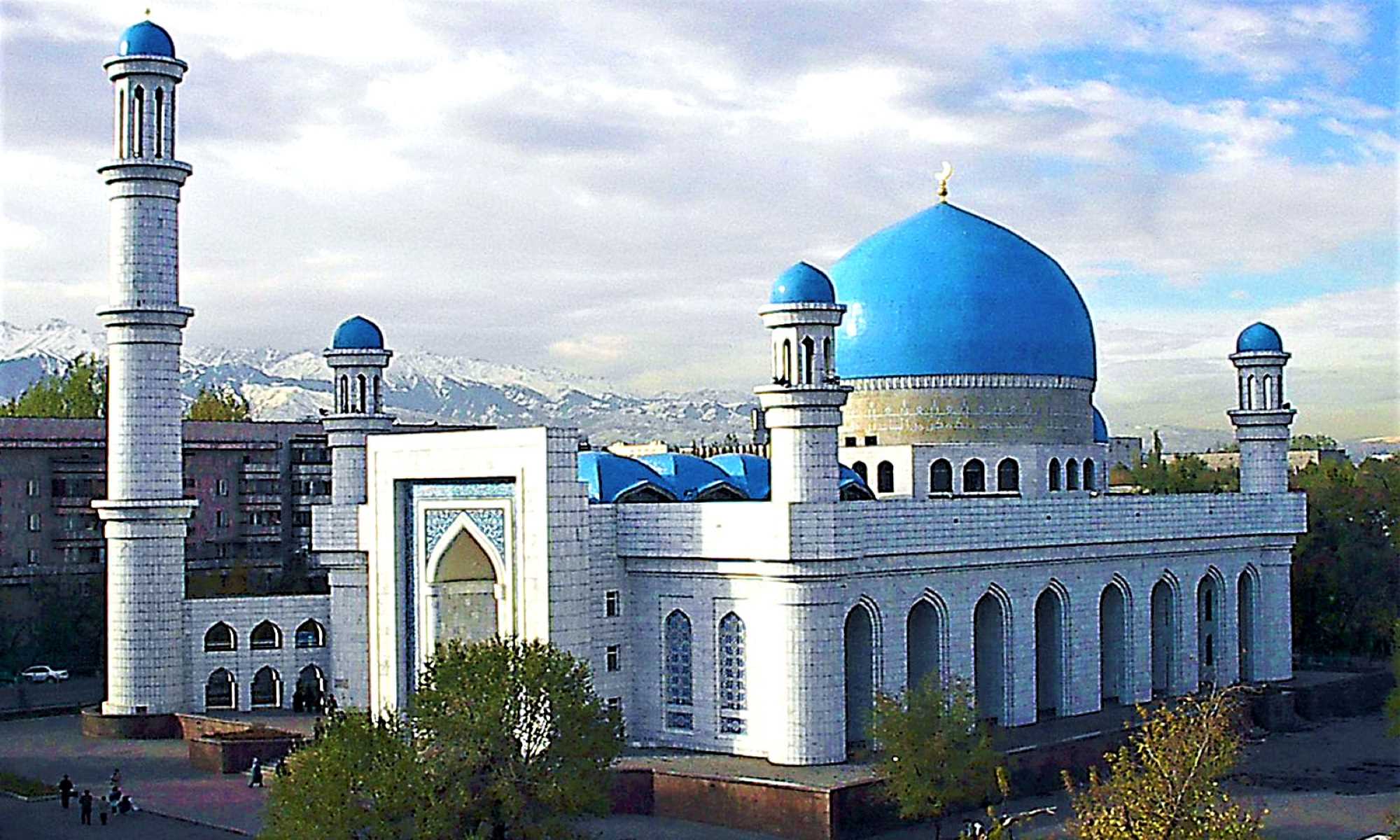
Kazakhstan is often called the crossroads of civilizations. Since ancient times, a variety of religions have developed and formed on the territory of modern Kazakhstan. Here traces of the spread of Buddhism, Zoroastrianism, Nestorianism, and also Tengrianism were found. Religion in Kazakhstan includes dozens of confessions and teachings.
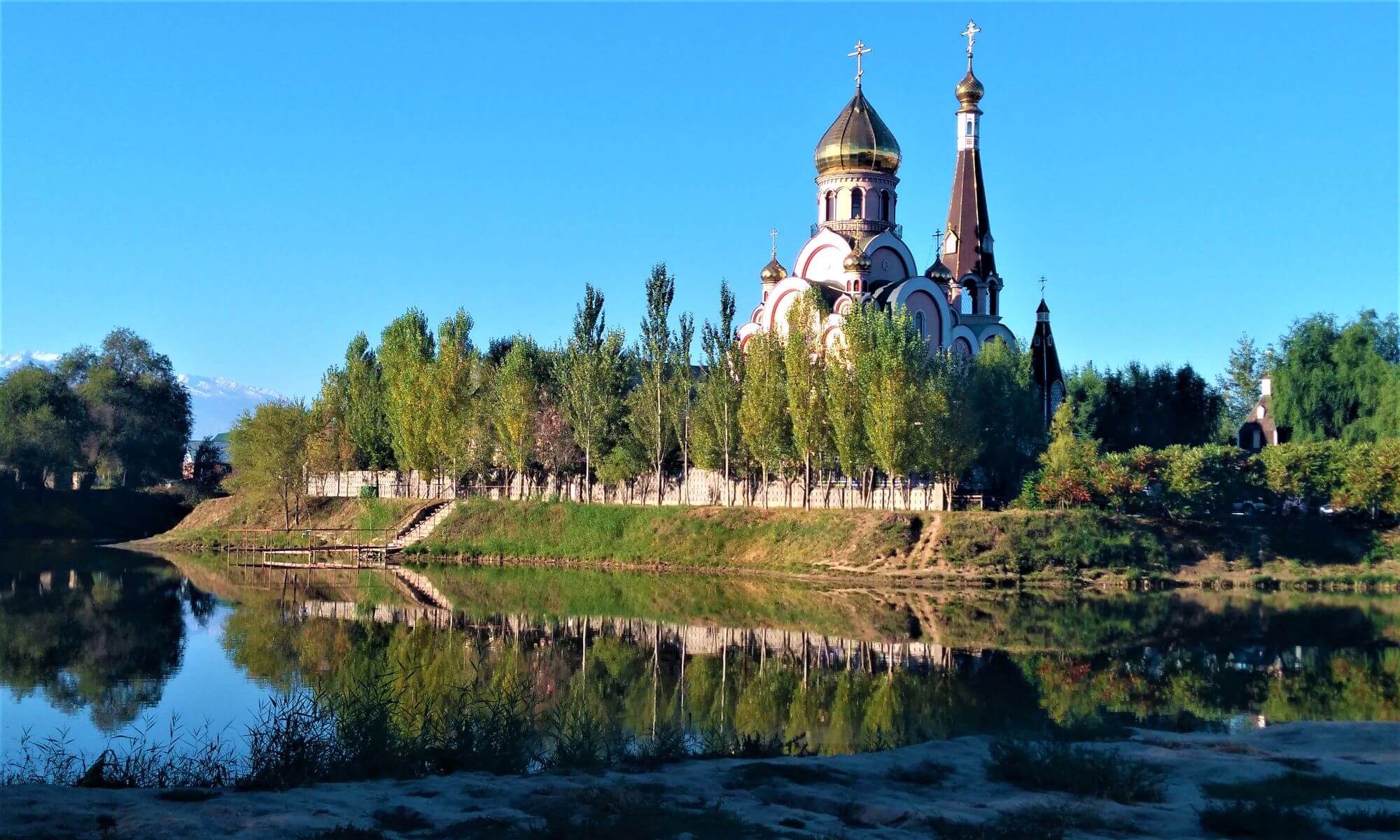
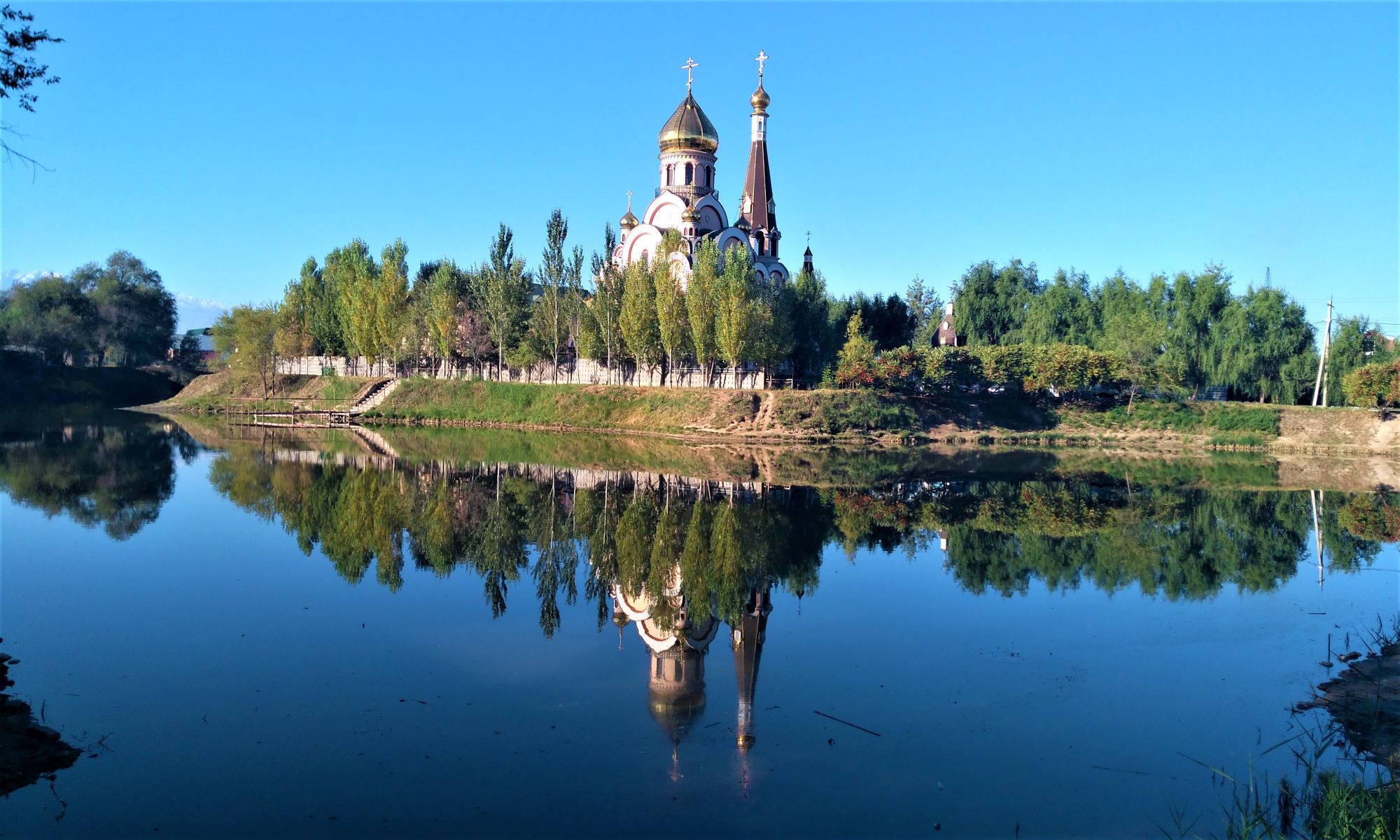
Modern Kazakhstan, which is a secular state, has more than 3088 active religious associations and communities belonging to 46 religious teachings. Today, there are 3244 religious buildings in Kazakhstan: churches, mosques and other houses of worship. In Kazakhstan, there are followers of almost all world religions: Islam, Christianity, Judaism, Buddhism, Hinduism, as well as ancient polytheistic cultures and modern neoplasms.
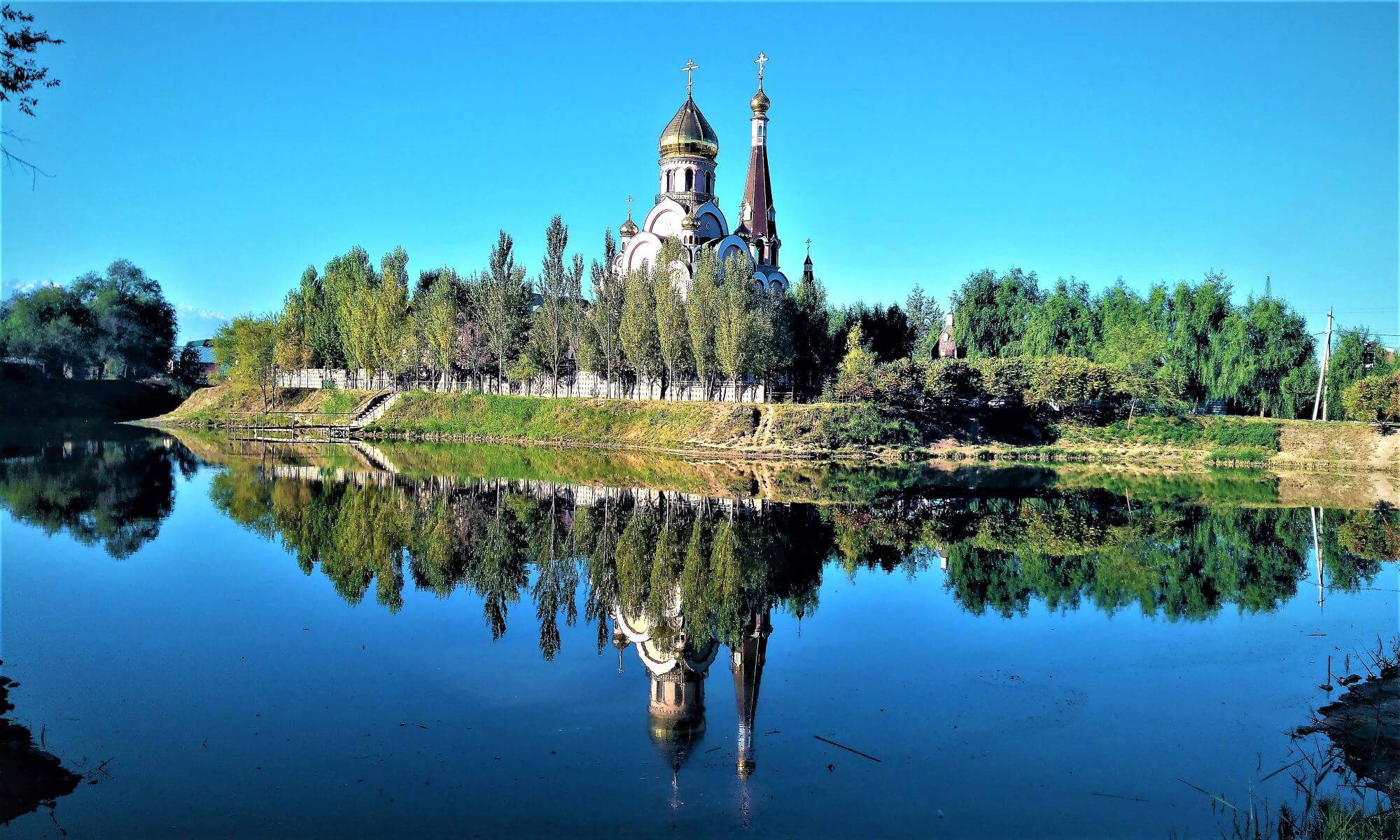
Despite the large number of different religions on the territory of Kazakhstan, the bulk of the population is divided into Muslims, who practice Sunni Islam and adherents of Russian Orthodox Christianity.
The vast territory of Kazakhstan is rich in mineral resourses. Enterprises for the extraction and processing of coal, oil, gas, non-ferrous and ferrous metals play a leading role in the national economy. Main minerals: non-ferrous and ferrous metal ores, uranium. Kazakhstan has the world's largest reserves of chromium, vanadium, bismuth, fluorine, iron, zinc, tungsten, molybdenum, phosphorite, copper, potassium, cobalt, kaolin and cadmium. There are about 160 oil and gas fields in the country, including the largest one - Tengiz. The recoverable reserves of the Tengiz and Korolev fields are estimated from 750 million to 1.1 billion tons of oil. Kazakhstan has 160 million tons of coal reserves in 155 locations, including 10 deposits of coal, bitumen and brown coal. Iron ore resources in Kazakhstan are among the cleanest in the world from impurities. Kazakhstan ranks second in the world in terms of phosphorite reserves (after Russia), thanks to the Zhanatas and Karatau deposits. Kazakhstan is a world leader in the production of aluminum. Huge reserves of copper ore have been discovered in Dzhezkazgan, the second largest deposit in the world. Kazakhstan has significant resources of salt and building timber. Uranium - 2nd place in the world (21% of the world reserve).
Today, the United States and the countries of Western Europe, as well as Turkey, Pakistan, Iran, China, Japan, are showing increased interest in the republic, which is due to the high potential of Kazakhstan in the field of strategic raw materials.
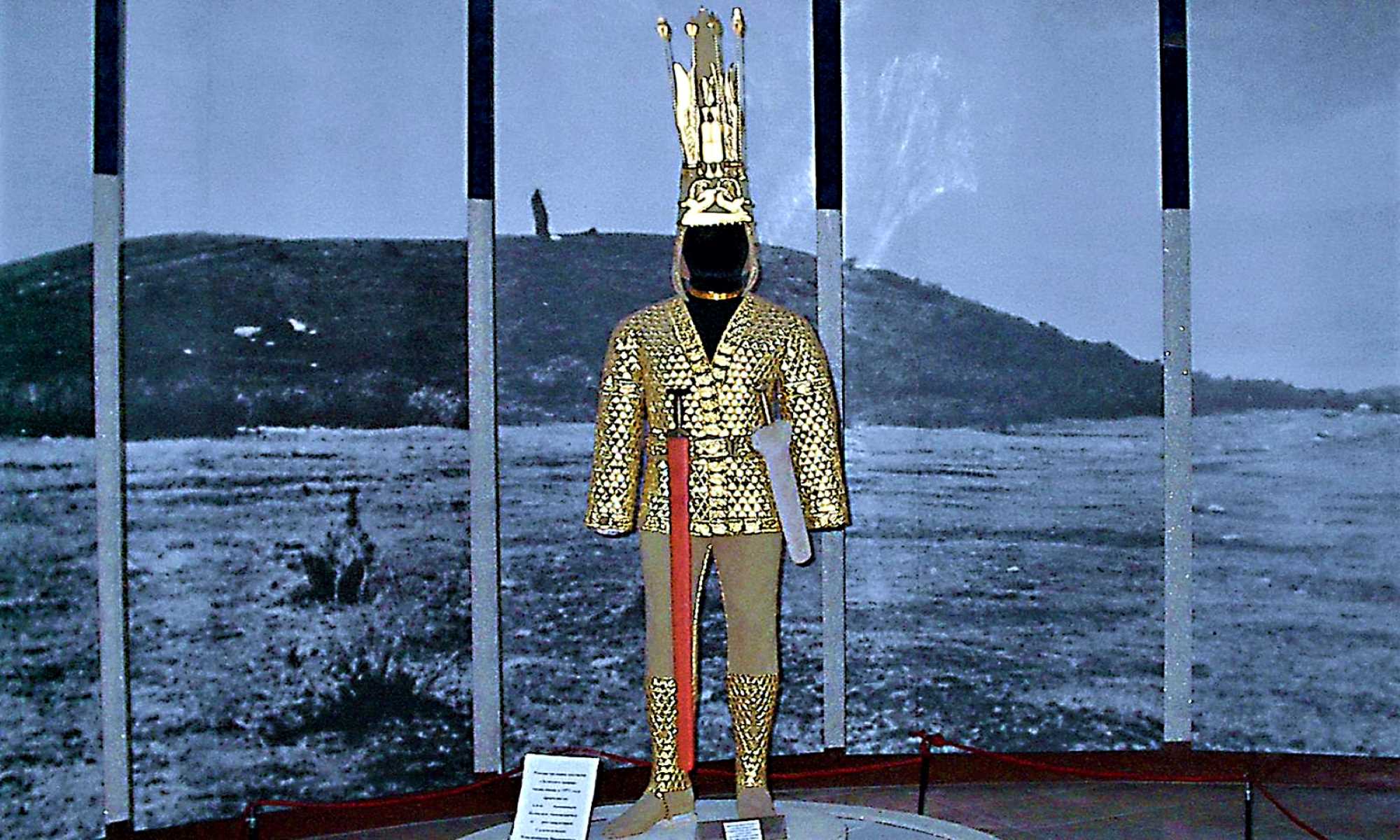
The history can be judged by the ancient monuments discovered by archaeologists on the territory of modern Almaty, it can be judged that this area has long been inhabited by nomadic and semi-sedentary tribes. The most characteristic monuments of this region are the Skiff burial mounds of the 6th-3rd centuries BC. e., the largest of which, up to 20 m in height and with a base diameter of more than 100 m, were located on the banks of the Bolshaya and Malaya Almatinka, Esentai (Vesnovka), Aksai rivers. Currently, most of the kurgans are buried under the residential buildings of the city.
The Usun tribes that replaced the Skiffs, judging by the finds of archaeologists (sickles, grain grinders, simple irrigation systems and others), were well acquainted with agriculture and permanent settlements were shaken.
In the future, the territory of Zhetysu was successively included in the Western Turkic, Turgesh and Karluk kaganates, the state of the Karakhanids. Under the Karluks, sedentary agricultural settlements began to appear in the foothills of the Trans-Ili Alatau in places of permanent wintering (kystau) and cities as the headquarters of the nomadic nobility.
In the VIII-X centuries on the territory of modern Almaty there were several small settlements, one of which was presumably called Almaty (Almaty) and was located on the Great Silk Road.
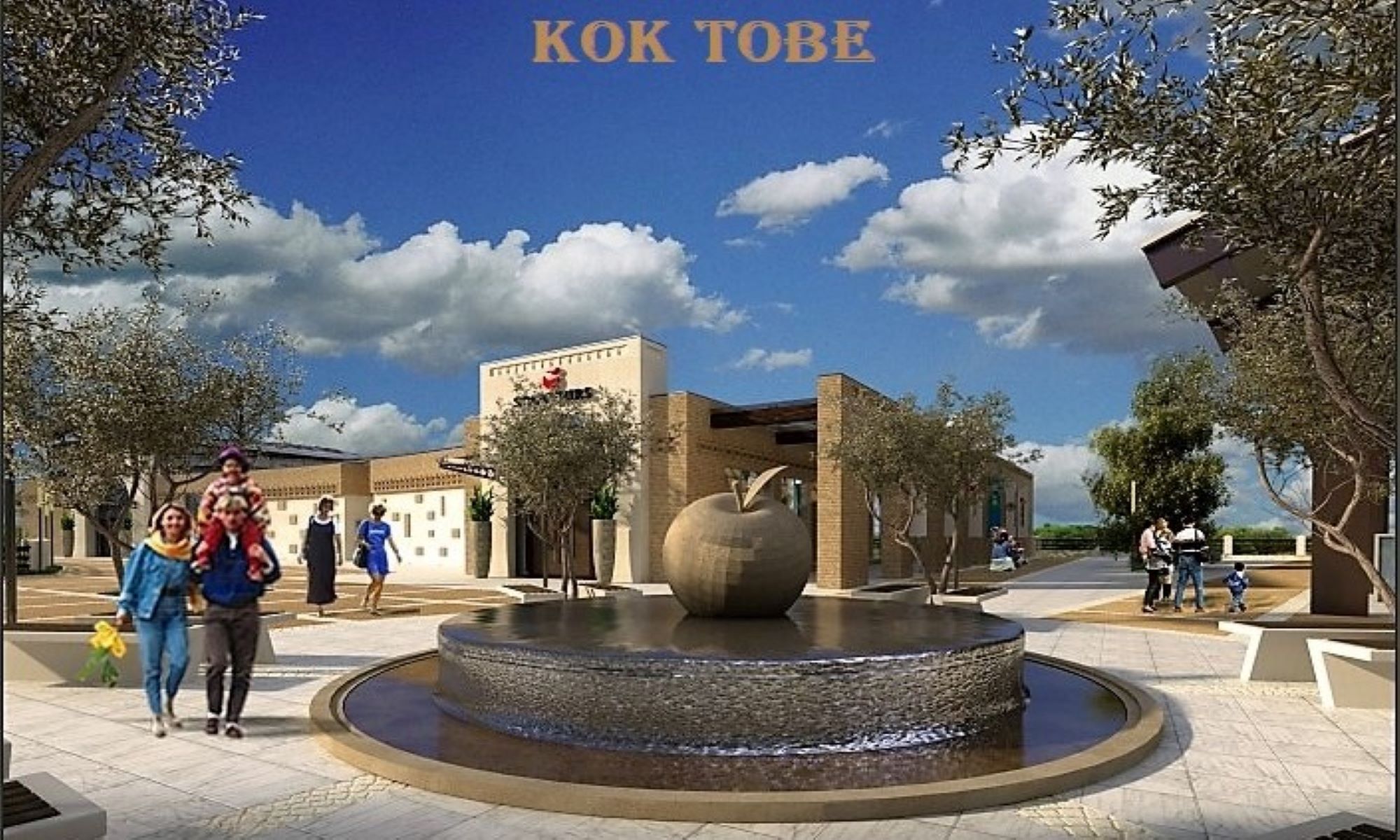
At the beginning of the XIII century, the region of Almaty, like the entire Zhetysu, was subjected to the Mongol conquest. The events of that time were described by the famous statesman Zahir ad-Din Mohammed Babur, in his memoirs Alma-Ata was named among the destroyed cities. In the sources describing the events of the XIV century, the city is called Almalyk. So, Sheref-ad-Din Yezdi, describing Timur's campaign to Moghulistan in 1390, writes that the Timurid army moved from Tashkent to Issyk-Kul, then to Kok-Tobe, passed Almalyk and further through Karatal to Irtysh. By the end of the 16th century, only a small part of Almaty remained, in which the Kazakhs of the Dulat clan of the Senior Zhuz lived.
"A region where clashes constantly took place" - this is how Oleg Belonosov, the chief expert of the Central State Archives of Almaty, describes the area where the Verniy fortification was founded.
According to him, before the foundation of the fortress, people lived in the area called Almaty for centuries. The fact that people lived here until the foundation of the fortification is confirmed by archaeological finds - already in the 20th century, scientists here are the remains of several ancient settlements. Historians have also proved that 1000 years ago there was already a city here that minted its coins and was at the crossroads of the Great Silk Road, which led from West to East. In 2015, the 1000th anniversary of Almaty was included in the UNESCO calendar.
Favorable terrain, climate, the possibility of organizing irrigated agriculture - all this together could not but attract residents of the nearby regions for living, and for centuries battles for the possession of the region took place here.
This is confirmed by the essays of the famous geographer Pyotr Semenov-Tyan-Shansky. "The northern slope of the gigantic mountain range of the Zailiyskiy Alatau to the Ili plain has been a disputed territory for a long time between our subjects - the Kirghiz of the Great Horde and the Karakirgiz tribes: Chinese subjects - goddesses and Kokand - Sarybagish", - the geographer writes in his book "Journey to Tien Shan".
The author emphasizes that this area was an ideal place for a large settlement. "Not a single tree grew on the foothills at that time, but the nearby valley was rich in forest vegetation, and the abundance of water in it made it possible for artificial irrigation of the entire foothill area," notes Tyan-Shansky.
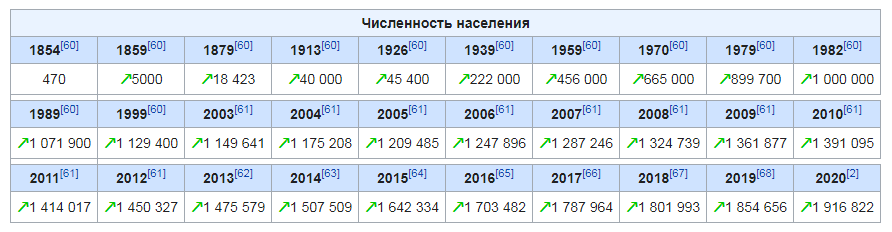
On February 4 (February 16), 1854, the Russian government decided to build a military fortification. In the spring of 1854, the construction of the Trans-Ili fortification, later called the Verniy Fortification, began. The head of the Zailiysk military detachment, Major Mikhail Dmitrievich Peremyshlskiy, together with the engineer-lieutenant Aleksandrovskiy, supervised the construction; by the autumn of the same year, all work was completed. The log houses and barracks housed 470 soldiers and officers of the Trans-Ili detachment.
In the fall of 1860, the army of the Kokand people invaded Semirechye, their goal was to capture the fortress. A detachment of Semirechye Cossacks and Kazakh cavalry went out to meet the invaders. The battle between them lasted three days, and, despite the 20-fold superiority of the enemy, the Semirechites managed to repulse the attack and put the Kokand people to flight. Since then, their forays into the Kazakh steppes have ceased. Peace has finally reigned in the region.
From the middle of 1855, Russian settlers began to arrive at the fortification. With their arrival, Verny began to develop rapidly. In 1865, in the vicinity of Verniy, the first seedlings of Aport were brought by a migrant from the Voronezh province Georgy Filippovich Redko (his children and neighbors called him grandfather Yegor). Systematic species selection, including crossing with the local wild-growing Sievers apple tree, made this variety famous in the Russian Empire already at the end of the 19th century.
When the USSR collapsed, Kazakhstan, along with the cosmodrome, got a huge nuclear potential - the fourth in the world in terms of power. However, the country gave up the nuclear bomb for the sake of world peace.
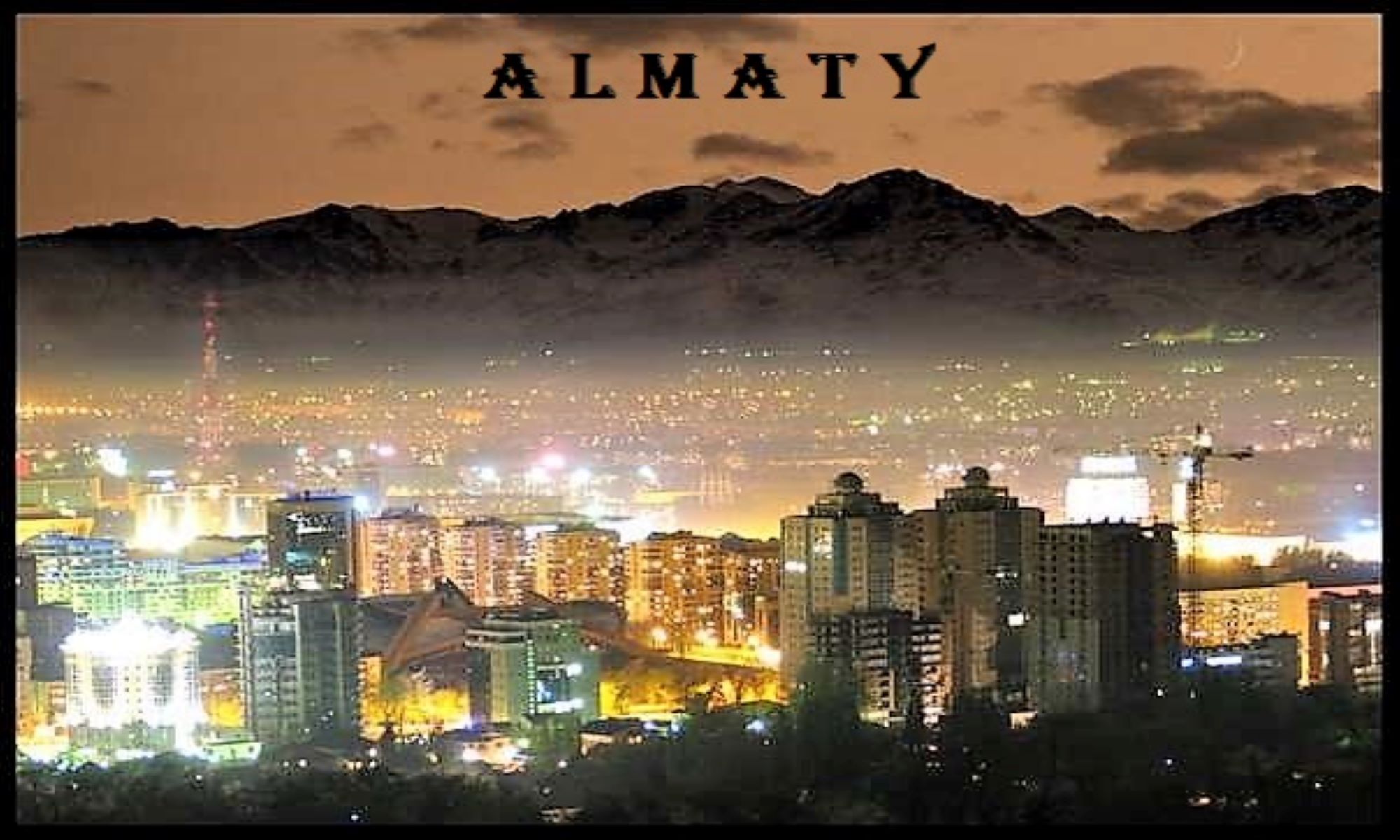
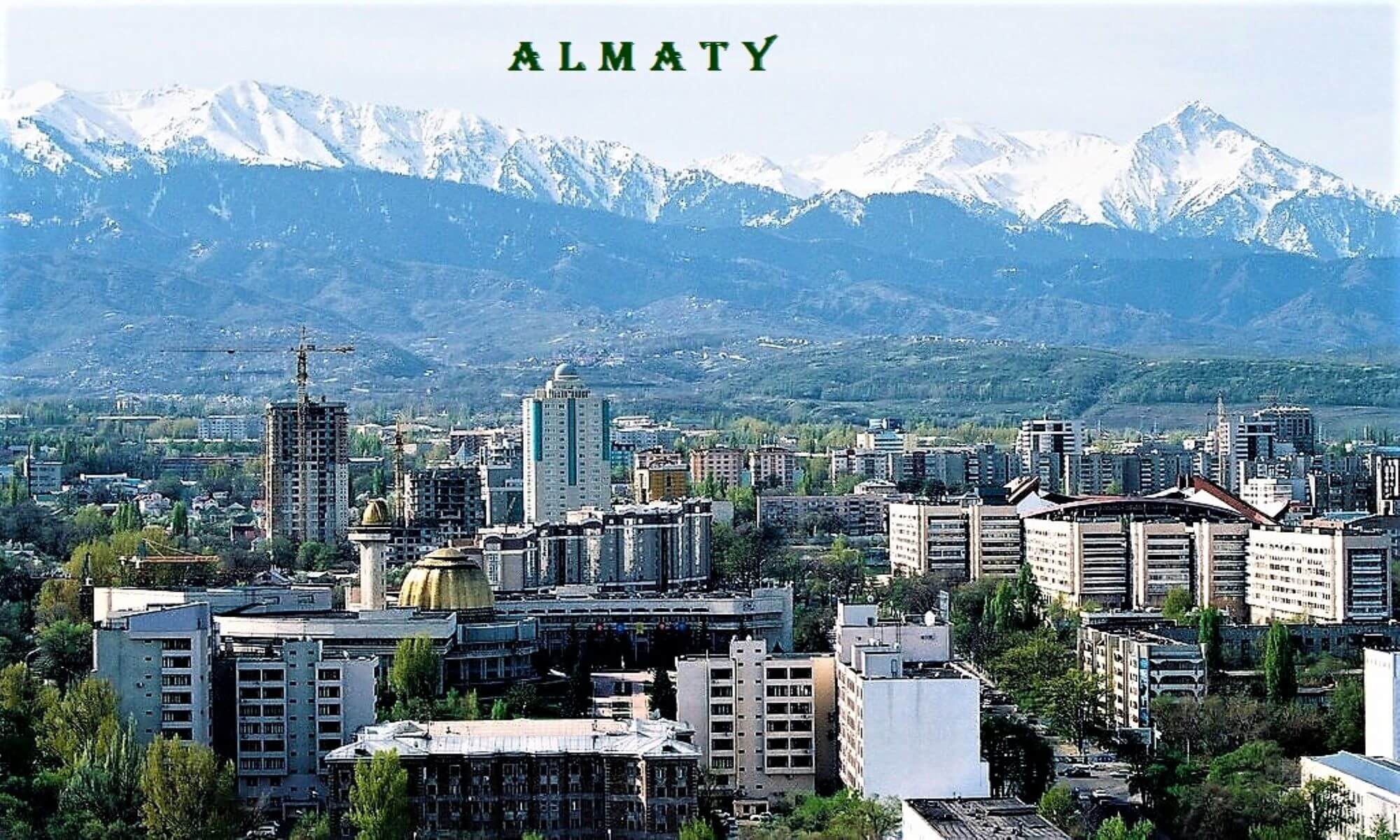
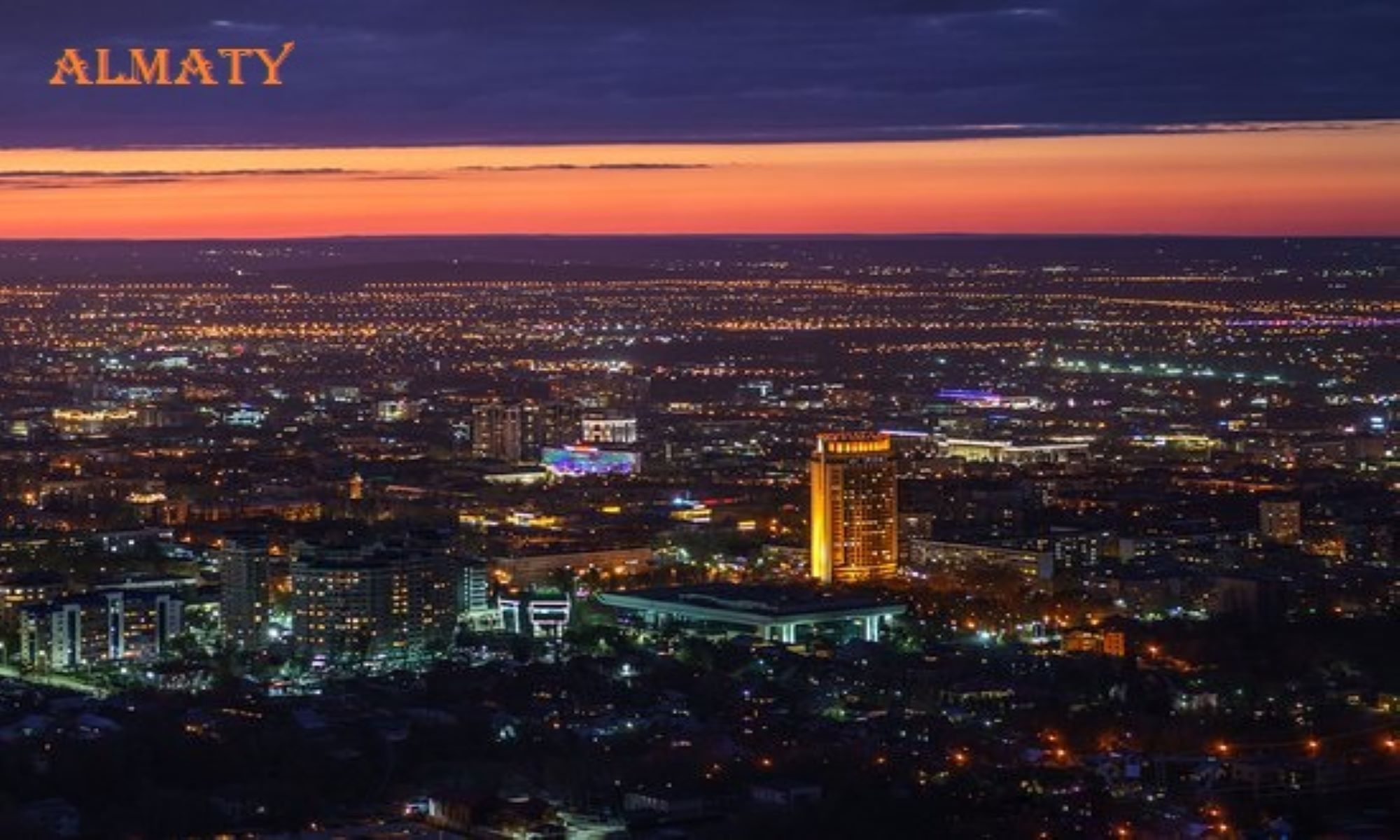
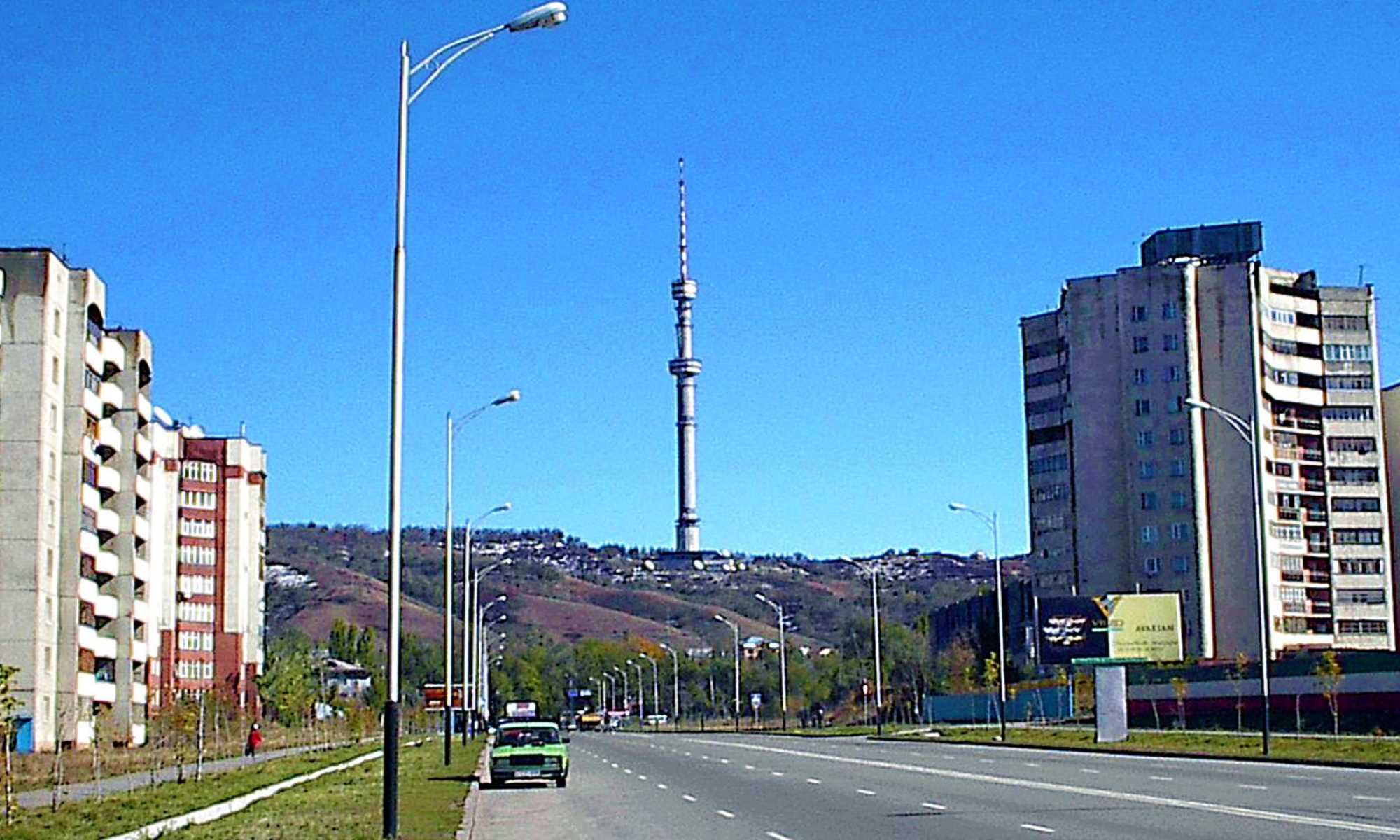
Almaty city is located in the center of the Eurasian continent, in the south-east of the Republic of Kazakhstan. Geographic coordinates: 77 degrees east longitude and 43 degrees north latitude. Almaty is on the same parallel with such famous cities as Gagra and Vladivostok.
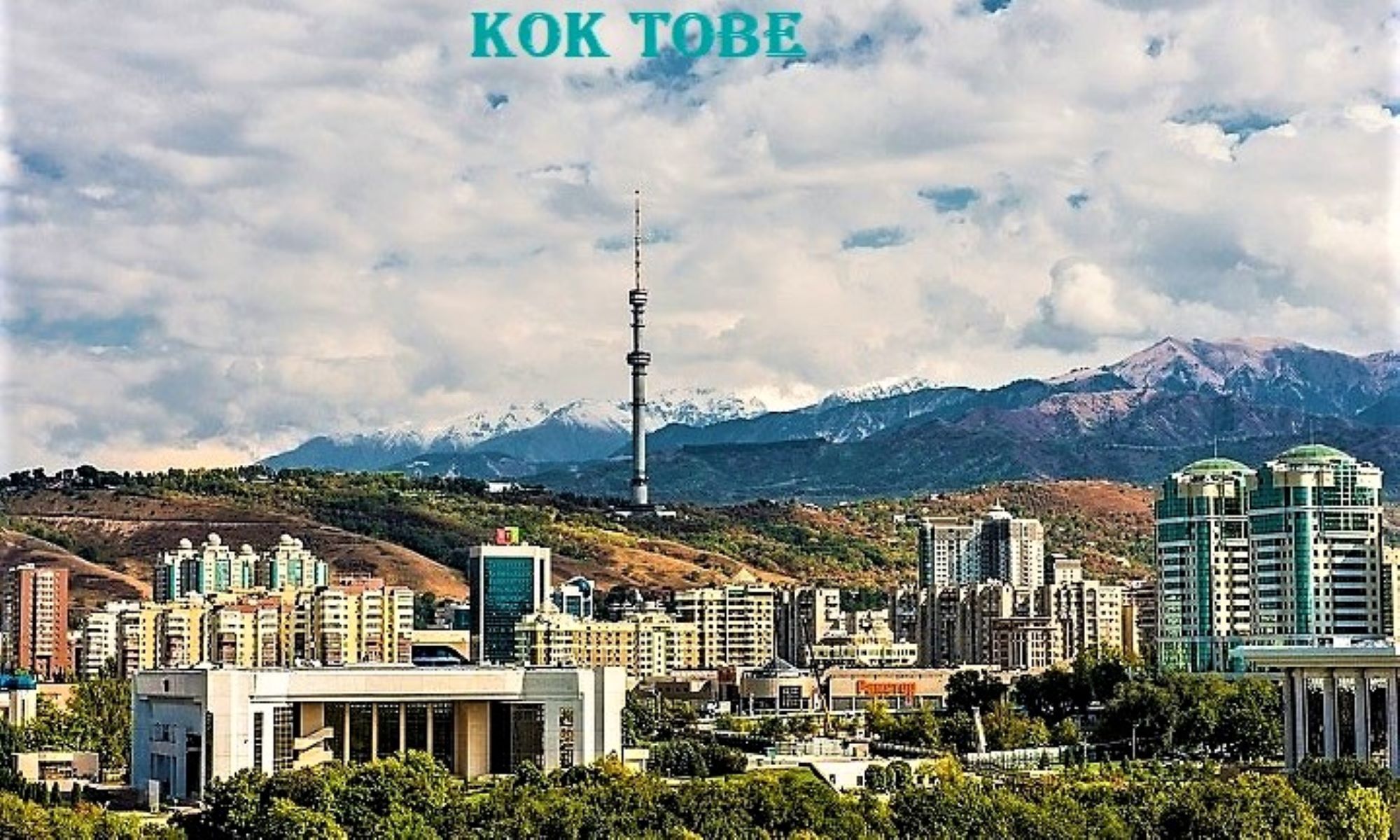
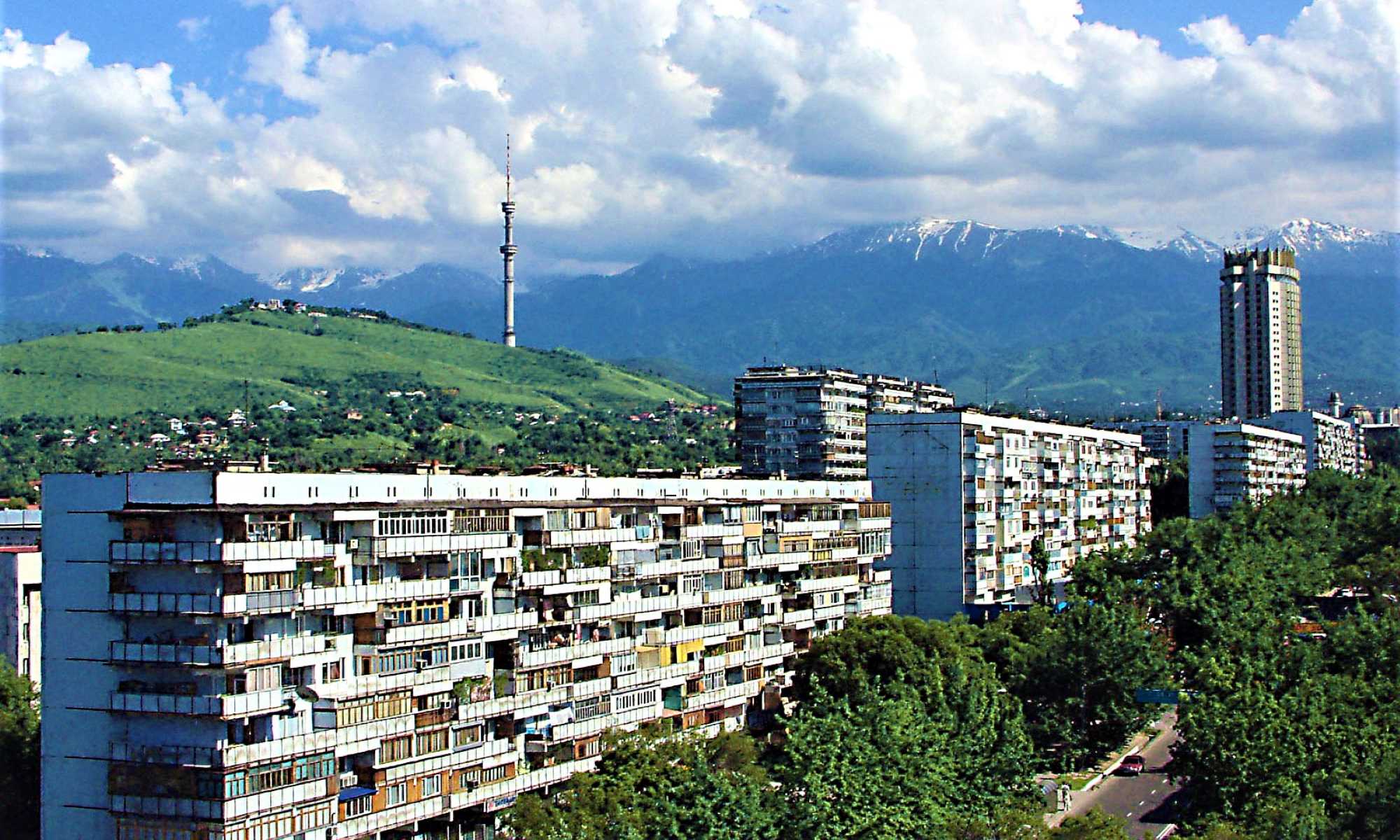
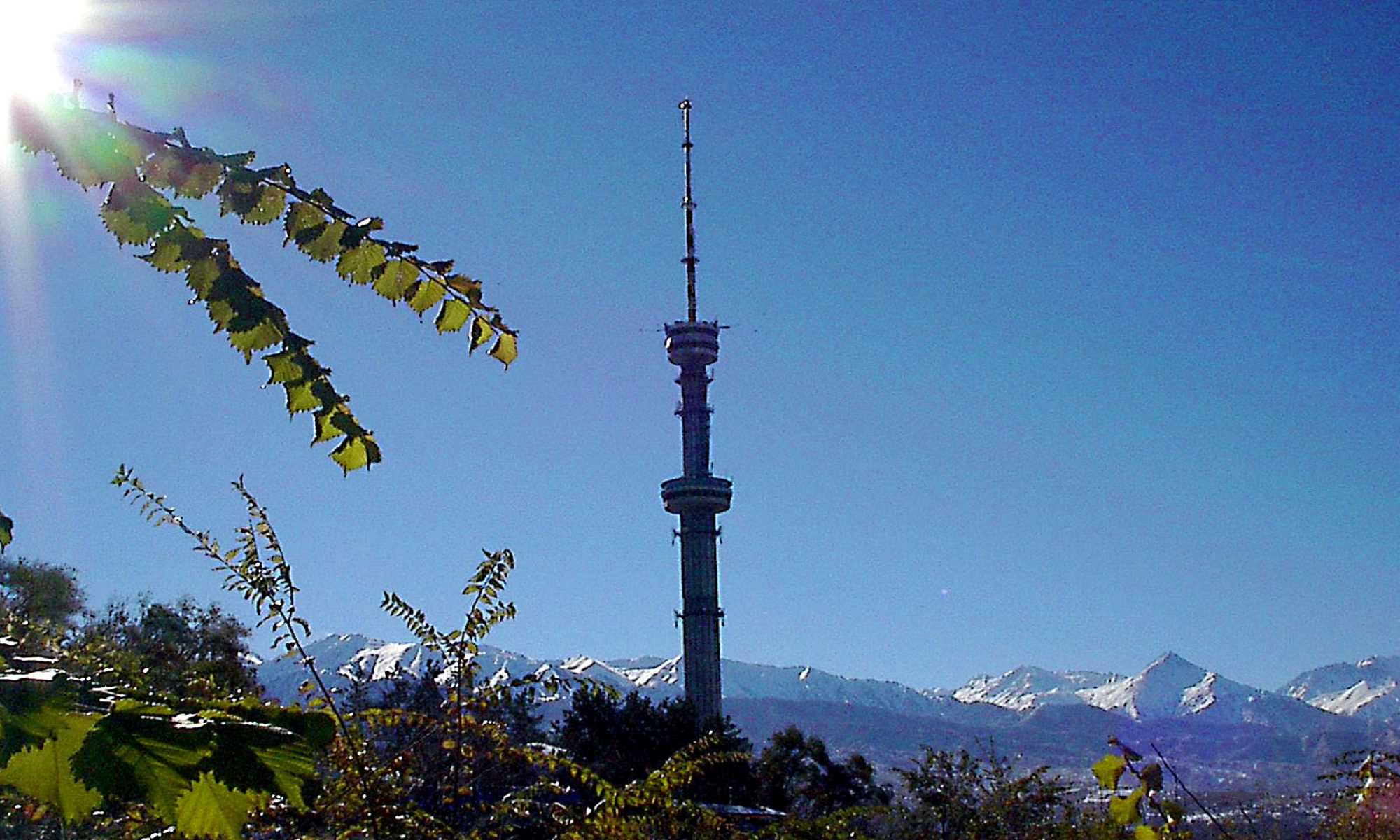
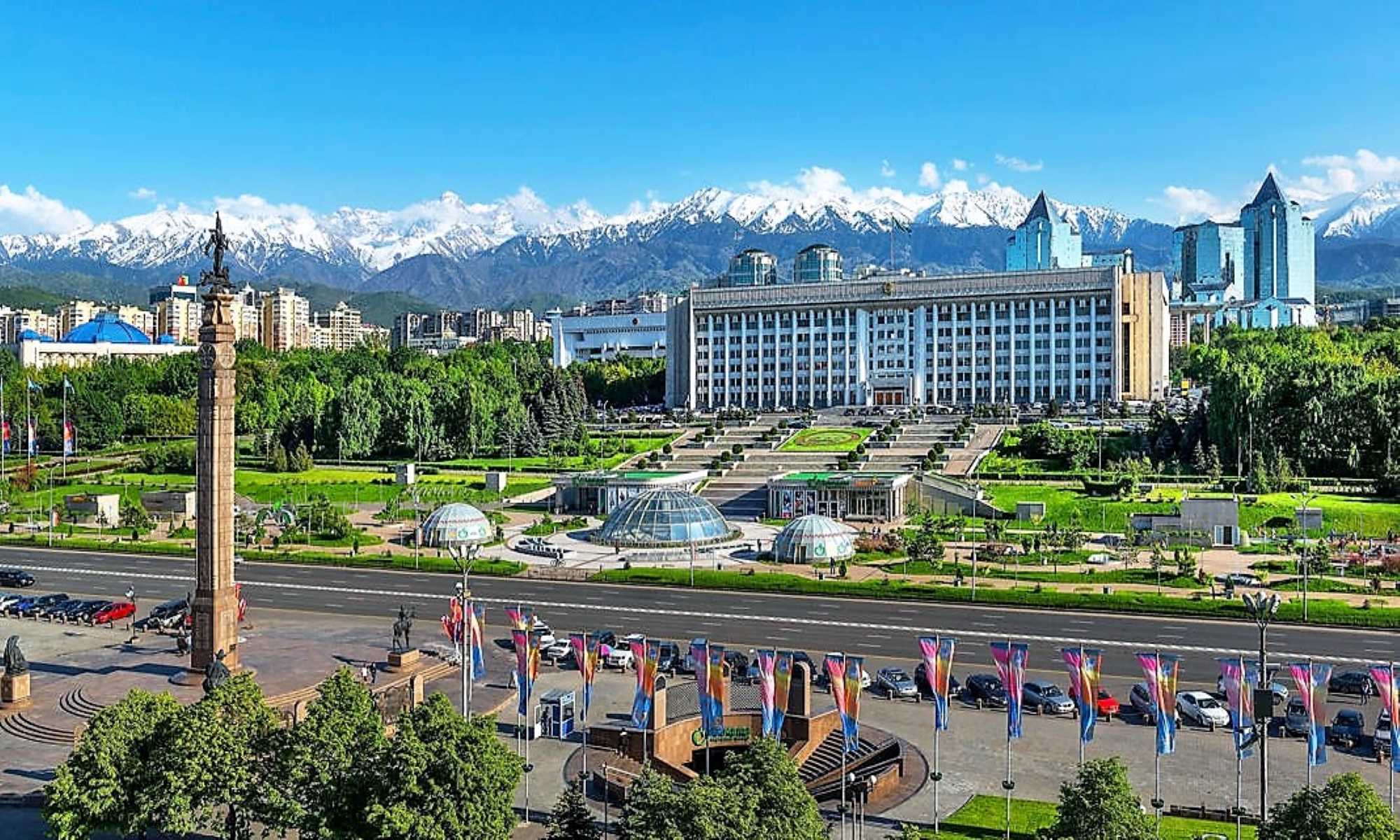
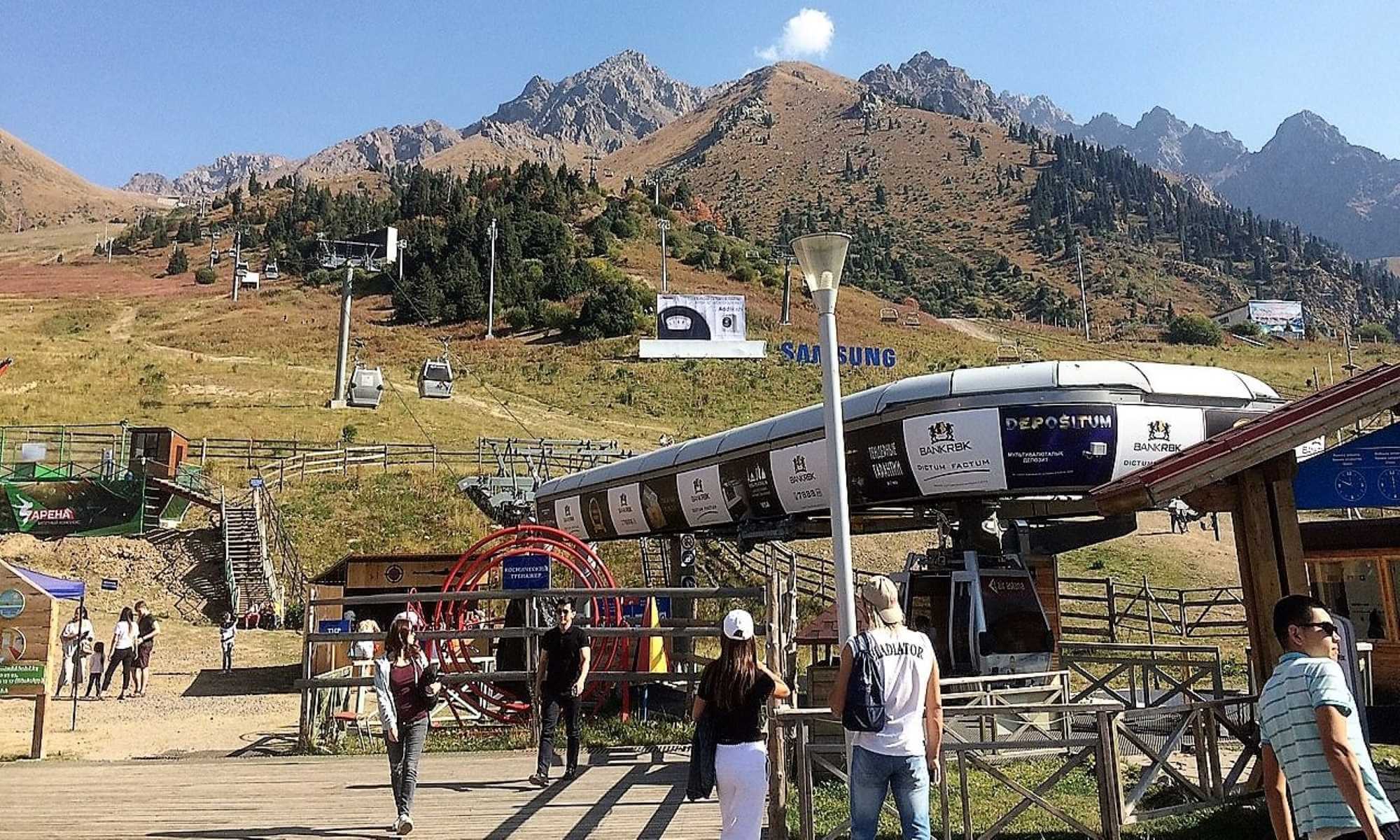
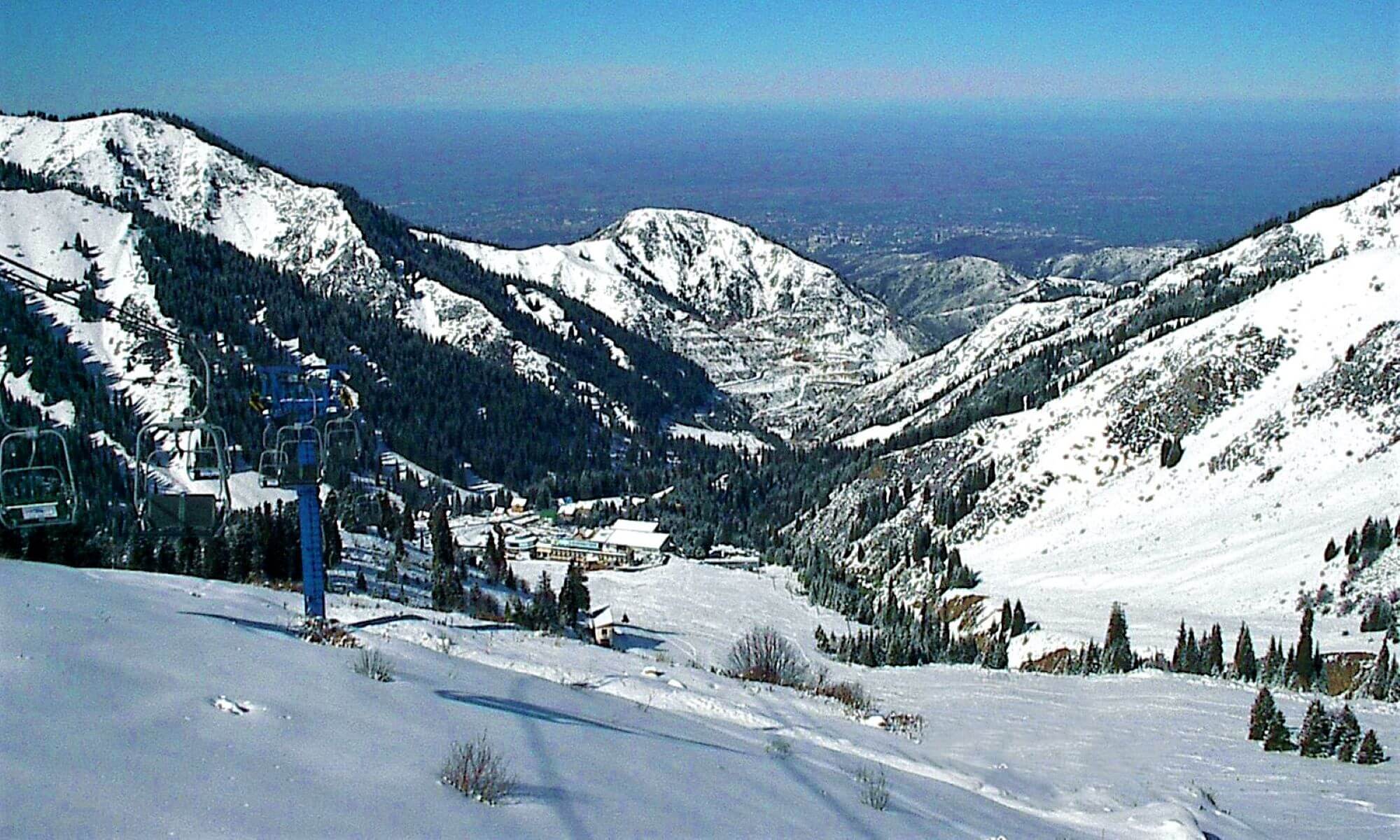
Almaty is picturesquely stretched out in the foothills of the Zailiyskiy Alatau - the northernmost mountain range of the Tien Shan. So, Almaty is the same mountainous city as Dushanbe or Yerevan. The total area of the city is more than 170 square kilometers. It is located in the valley of the Bolshaya and Malaya Almatinka rivers and their tributaries flowing from the glaciers of the Trans-Ili Alatau and mountain gorges. Mountain rivers and lakes are the main source of water supply in Almaty.
The average wind speed here is half that in Moscow. The average July temperature is equal to that of the islands of Sri Lanka (Ceylon), Kalimantan (Borneo) and Java. The average January temperature is almost the same as in the north of Norway.
On December 19, 1981, a millionth inhabitant was born in the city. The official population of the city at the beginning of 2020 was 1,916,822 people. The city is multinational: Kazakhs (61.45%), Russians (24.31%), Uighurs (5.42%); Koreans (1.81%), Tatars (1.31%) and others (5.71%) also live (2020 estimate). Despite its relatively small age, the demographic processes in the city are complex and diverse, which is largely a reflection of its motley national composition. A characteristic feature of the modern city is its multilingualism. Russian and Kazakh languages are widely used in the city.
Dates:
Independence Day - December 16 (1991)
National Symbols Day - June 4 (2007)
Constitution Day - 30 August (1995)
Day of the First President of the Republic of Kazakhstan - December 1 (2011)
Day of Unity of the People of Kazakhstan - May 1
Almaty has always been a special city. It is about him that they sing "not the city, but the dream itself." About forty years ago, an interview with Ernest Hemingway's wife Mary was published in one of the central Soviet newspapers. She has traveled almost the whole world, visited a huge number of cities, but she called the most beautiful. Almaty. The correspondent, who had apparently never been here, was very surprised.
- Not Moscow, not Leningrad? - he began to ask again.
- Alma-Ata, - Mary repeated.
Probably, it is wrong to compare one city with another, each is beautiful in its own way. But Almaty has a special charm. He is very bright in all respects and concepts. The sunny city of love, hope, smiling beautiful people who cannot imagine their life without him and outside of him. It is impossible to forget Almaty. This city will forever remain in the heart, even if it is necessary to leave it due to some circumstances.
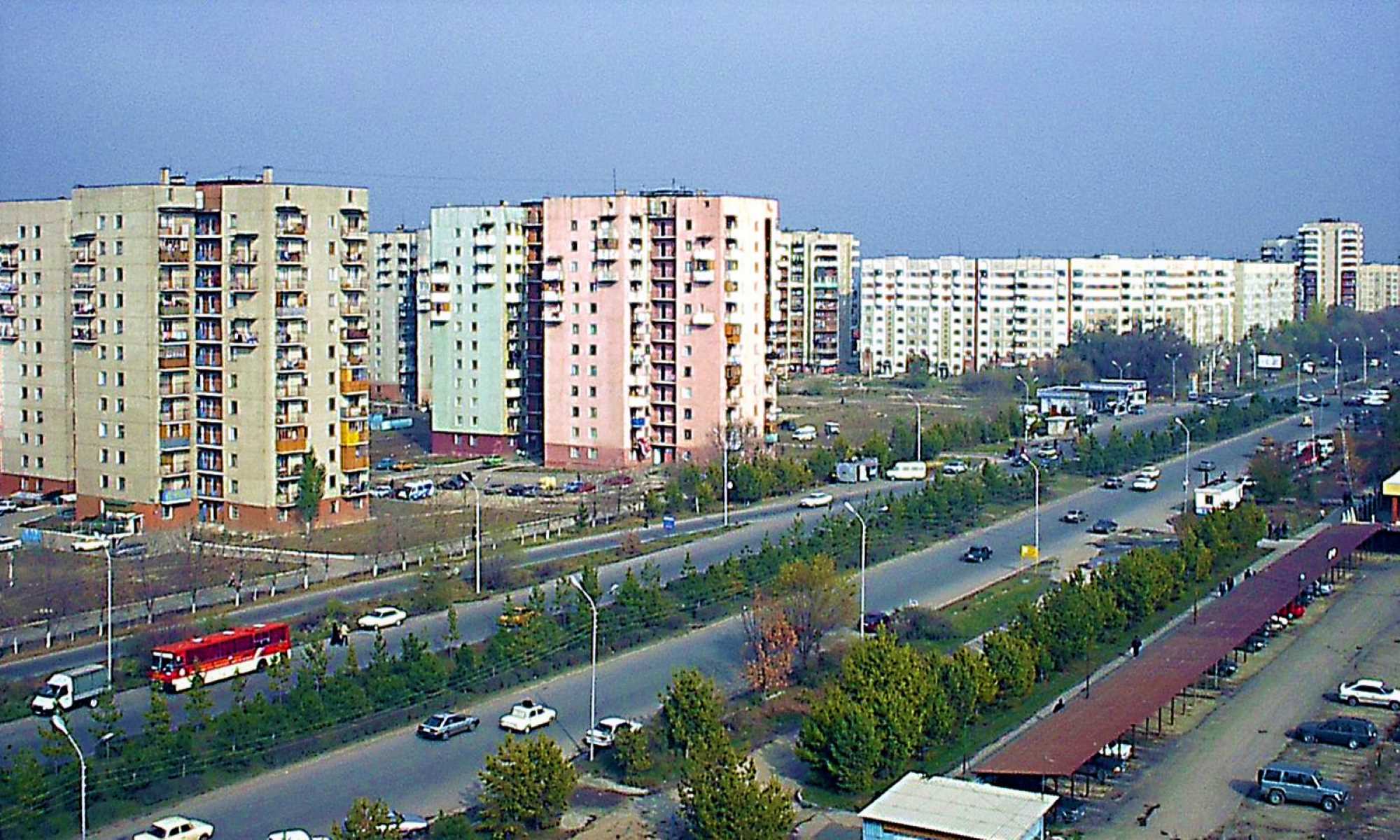
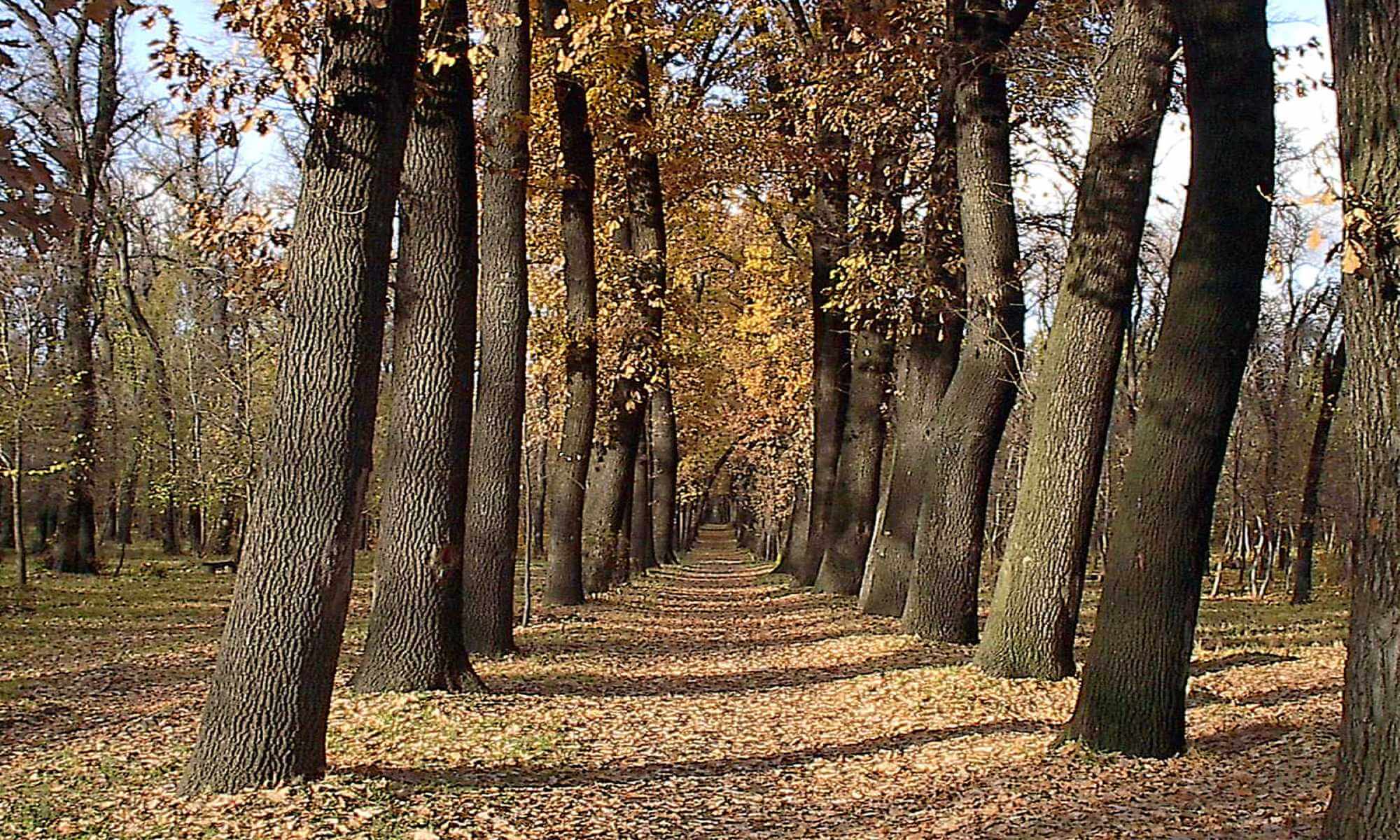
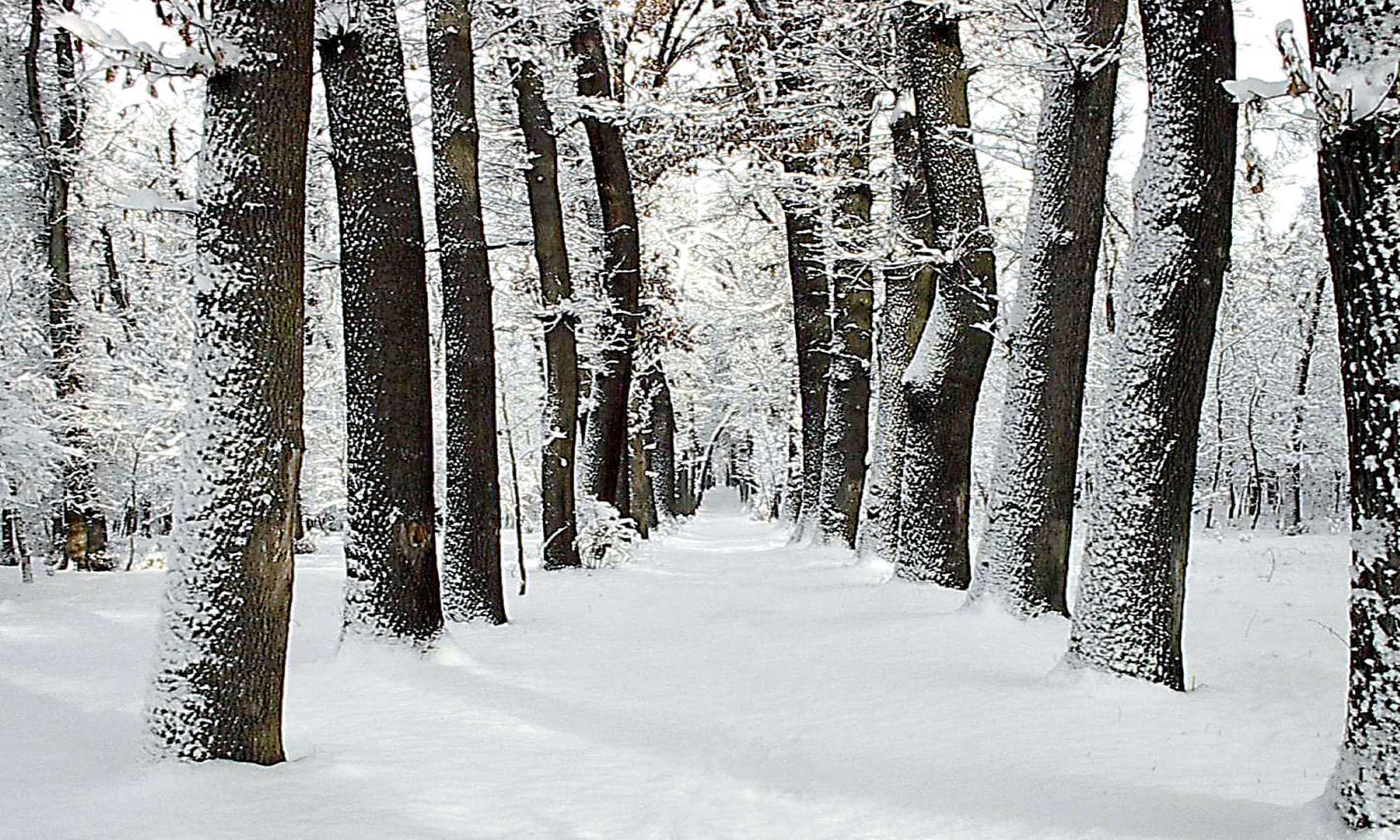
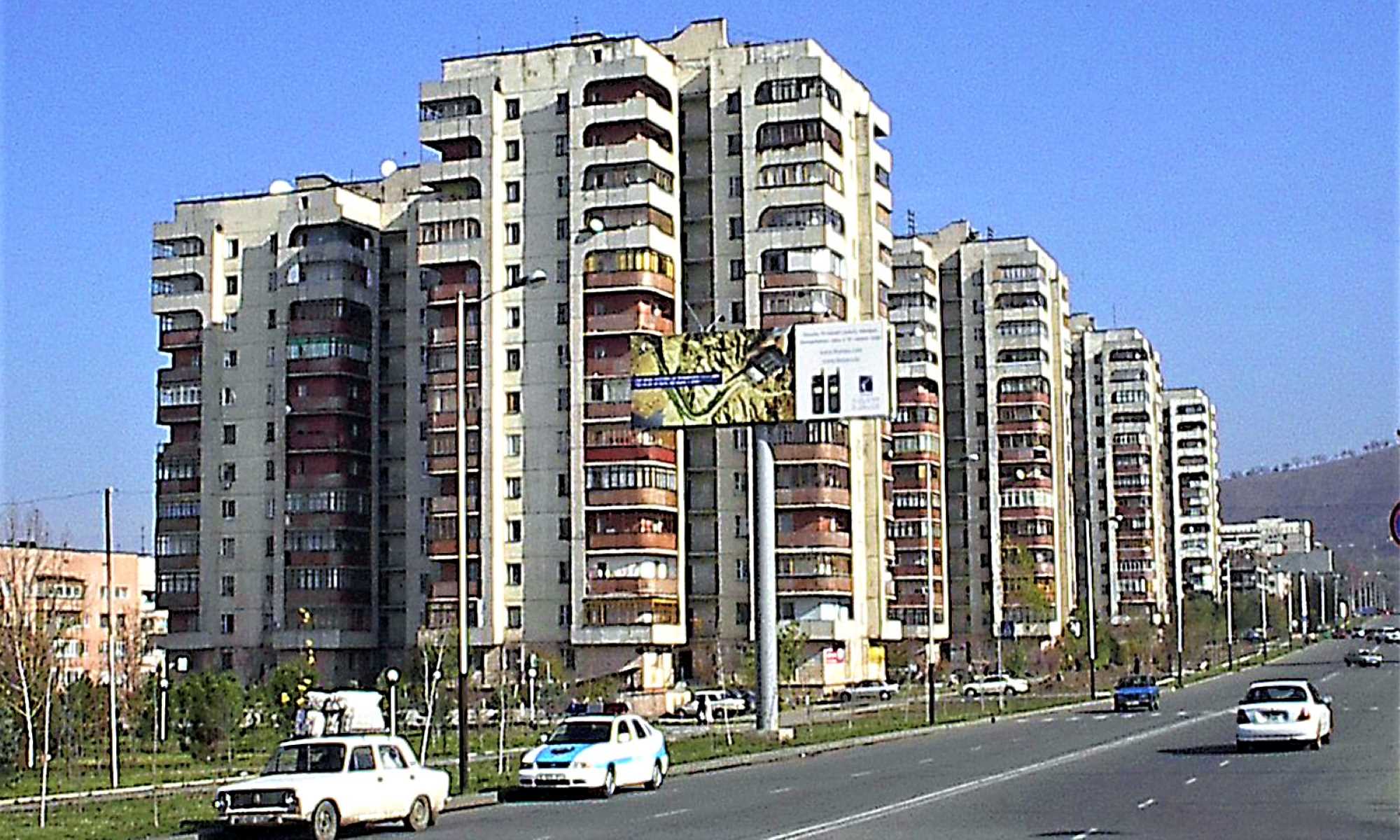
It is very difficult not to love Almaty. On a cool early September morning, it smells like apples, every summer morning it is filled with birdsong, and in winter it is filled with soft snowy light. Pyramidal and silvery poplars, mountain peaks with their eternal ice, transparent irrigation ditches that bring coolness, a garden of apple, cherry and apricot trees that surrounds the city, unique Tien Shan spruces. which grow only here, in the foothills of the Zailiyskiy Alatau This is how Almaty was from the very beginning, it remains so today, despite modern high-rise buildings and buildings, a huge flow of cars and one and a half million inhabitants.
Almaty residents have something to be proud of! Let's try to look at the wonders of the city, its memorable places, sights that everyone is delighted with.
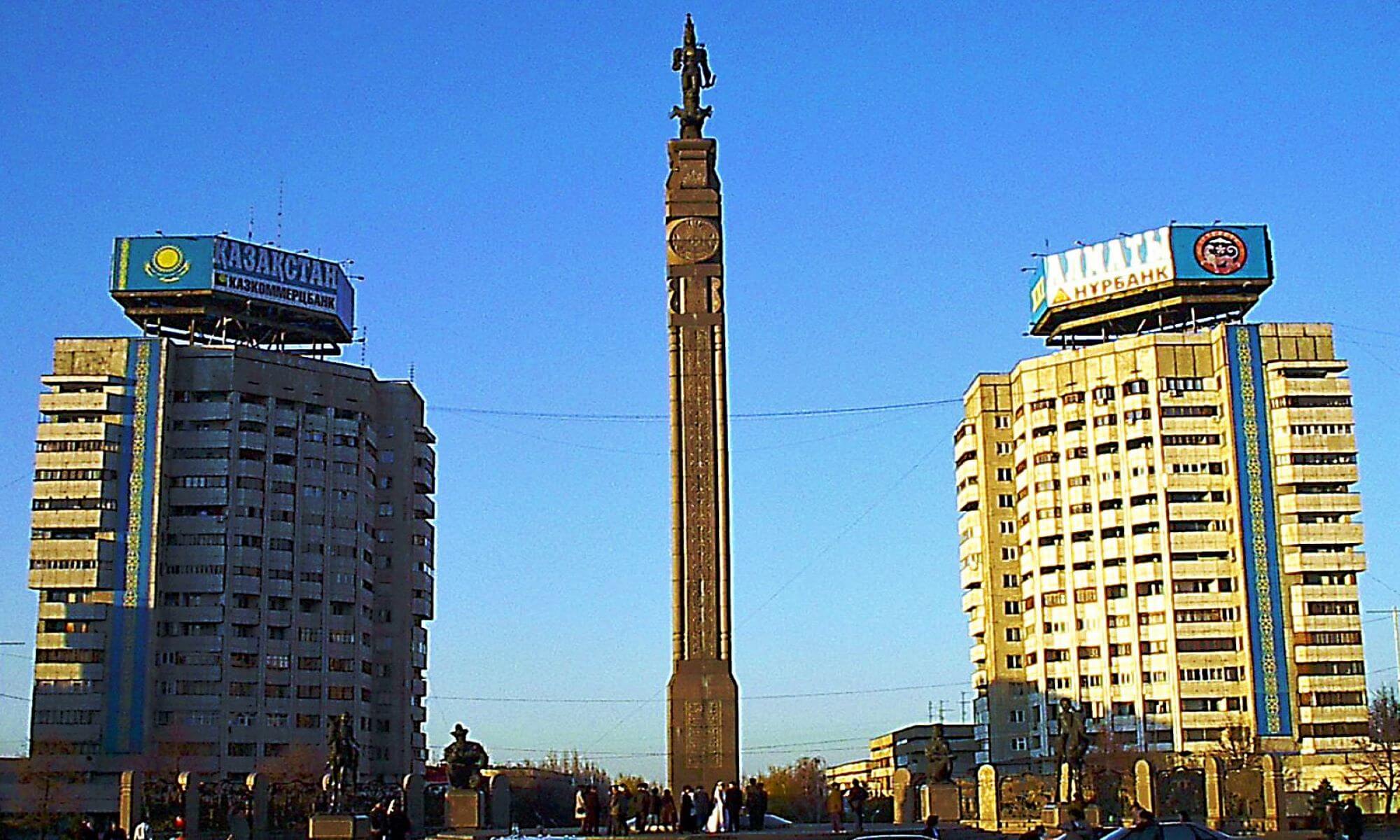
A wonderful garden city at the foot of the northern ridges of the Tien Shan is considered one of the few cities on our planet with high-rise buildings. - despite the high mountains - on average about 950 meters above sea level and seismicity.
The southern capital keeps the history and soul of Kazakhstan in its heart. Like a spring, Almaty gives fresh strength to the country and, getting younger every day, does not lose the wisdom of the great past.
The new XXI century has opened its doors for us - welcome to our city!
We are always glad to see you!