

Petroglyphs
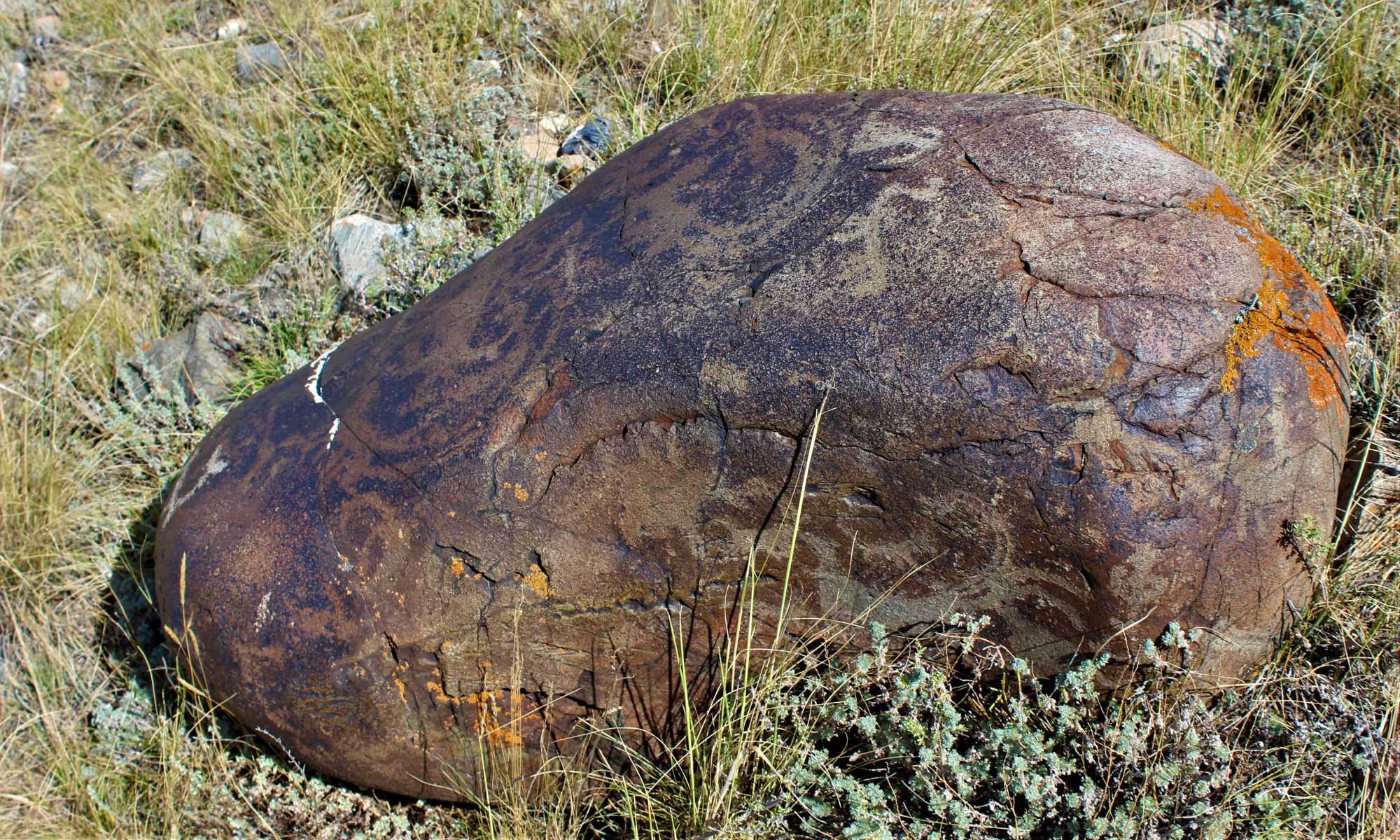
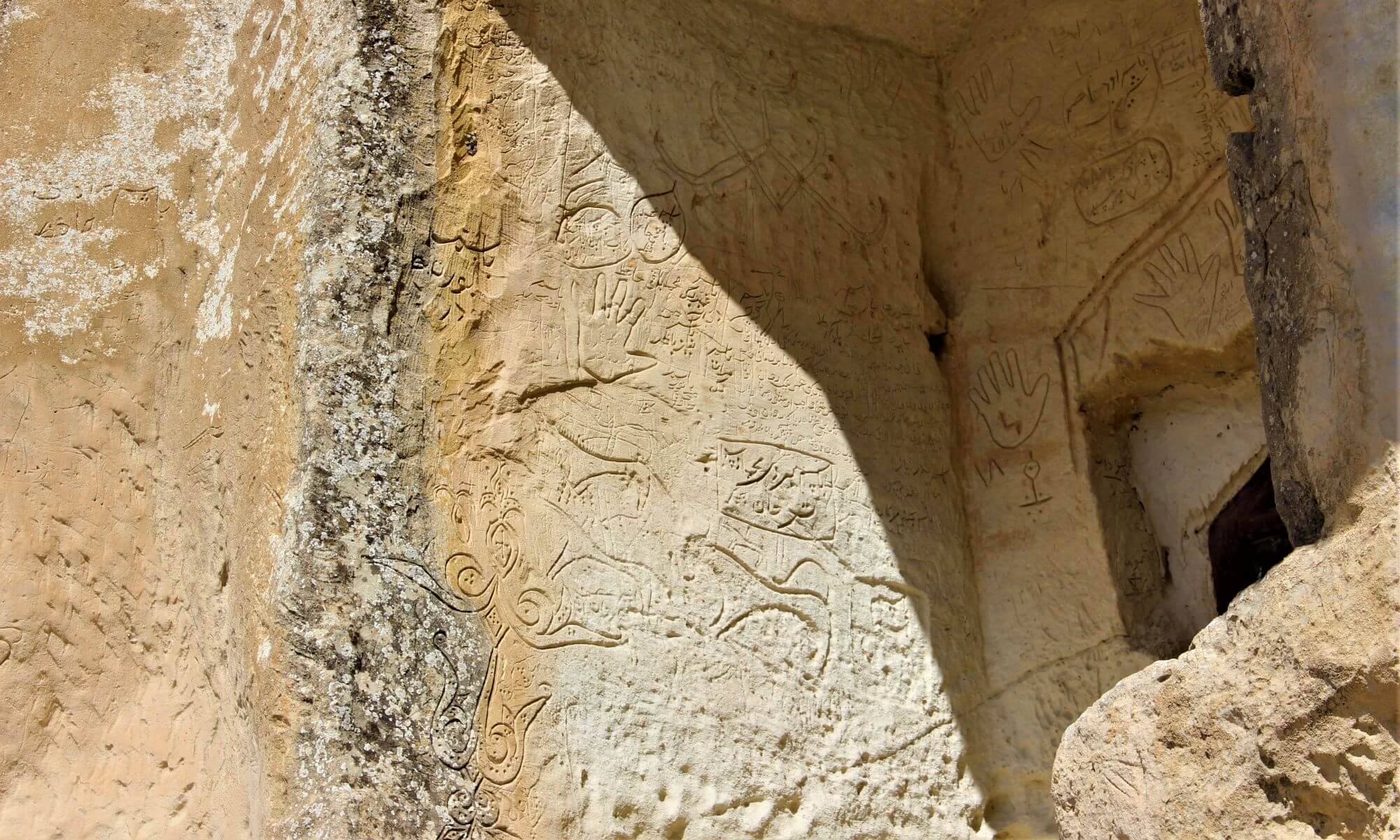
The rock art of Central Asia represents a stable centuries-old tradition of visual activity. Petroglyphs are a generalized name for ancient images carved or painted on rocks, walls or ceilings of caves, as well as on rocks and open rock surfaces. Comes from the greek words pétros - stone and glyphé - carving. As cultural landscapes, the monuments of Central Asia are distinguished by a wide variety of types in terms of relief, the nature of the substrate, the area occupied by the territory, the number, as well as the historical and artistic representation of petroglyphs. In Central Asia, there are more than 300 localities with petroglyphs, and now we will tell you about the most significant of them.
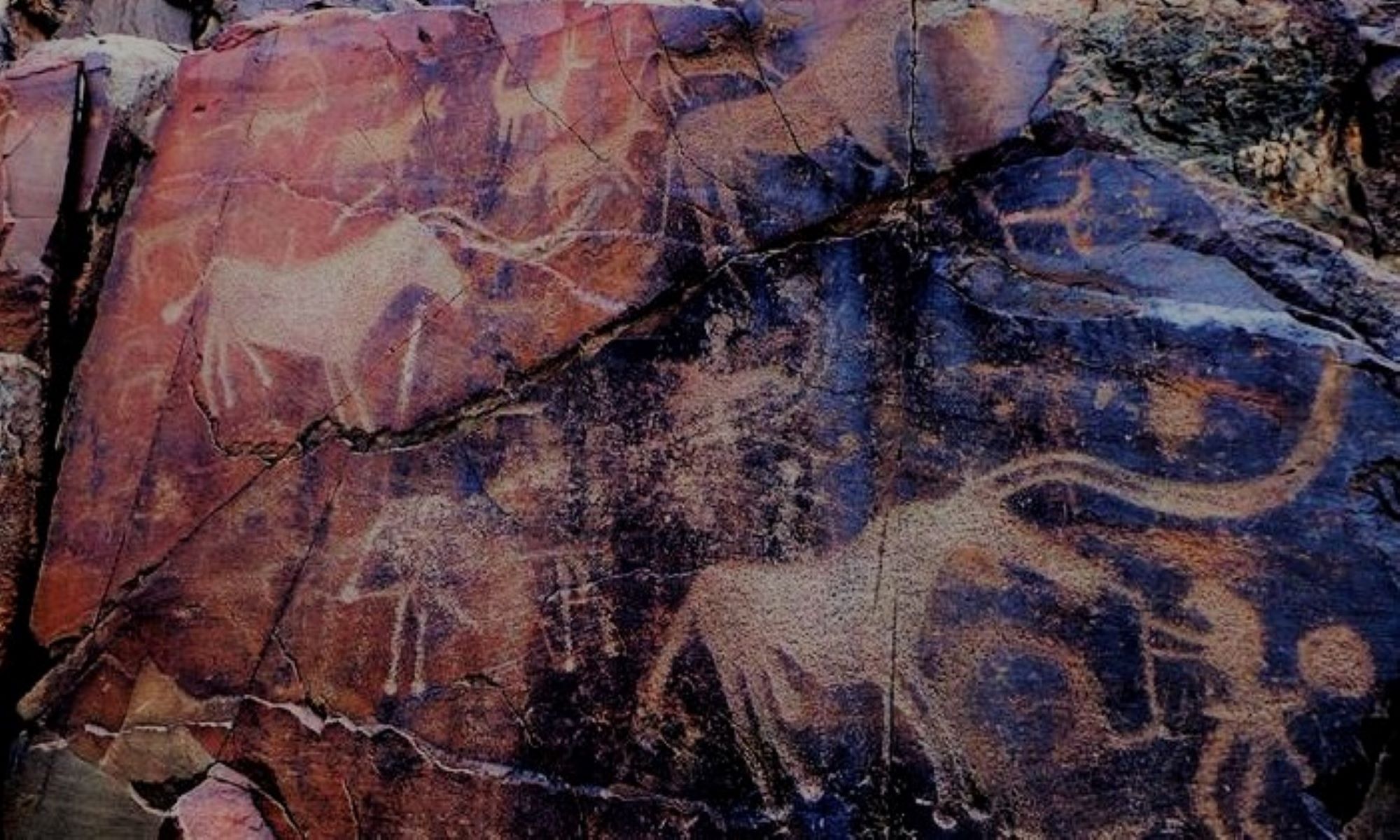
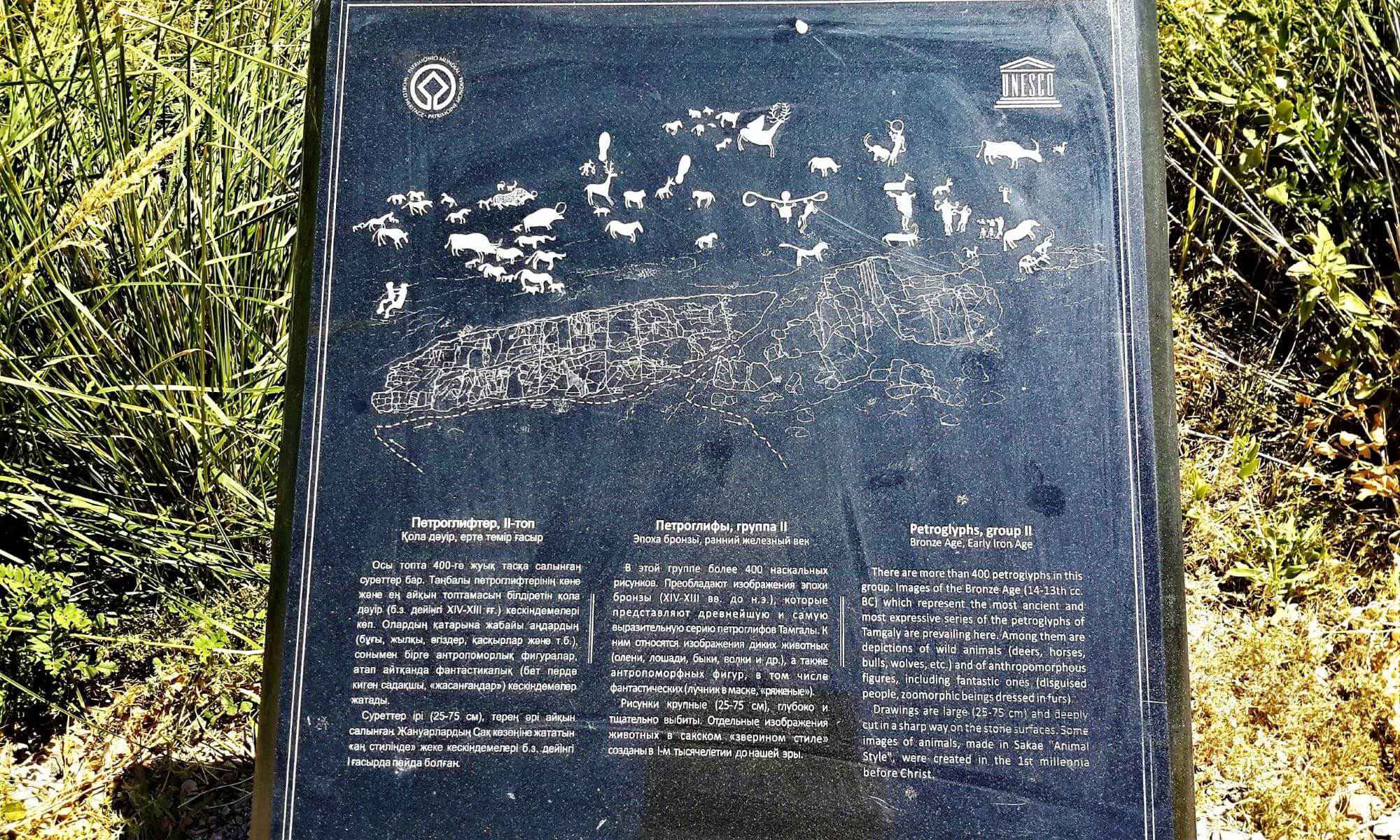
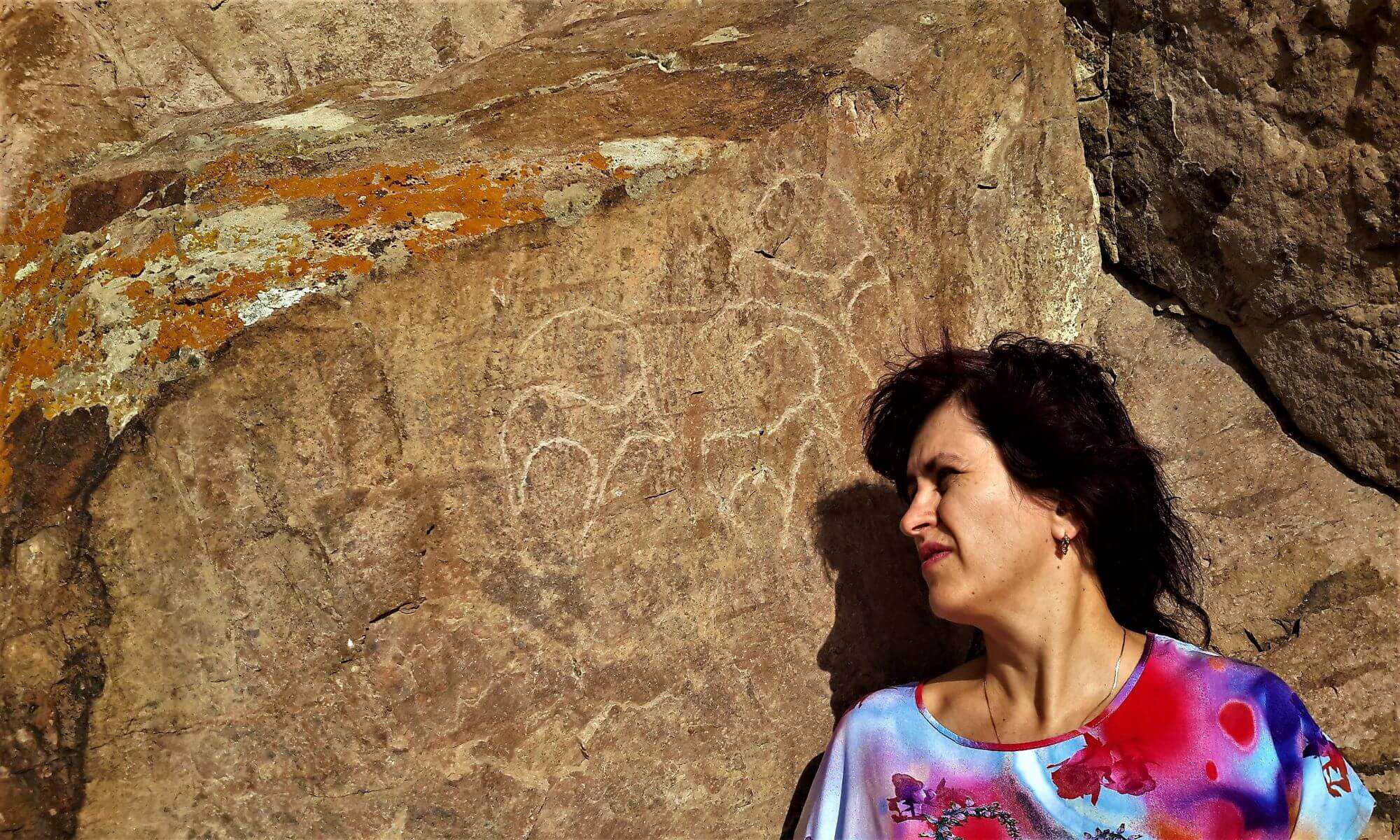
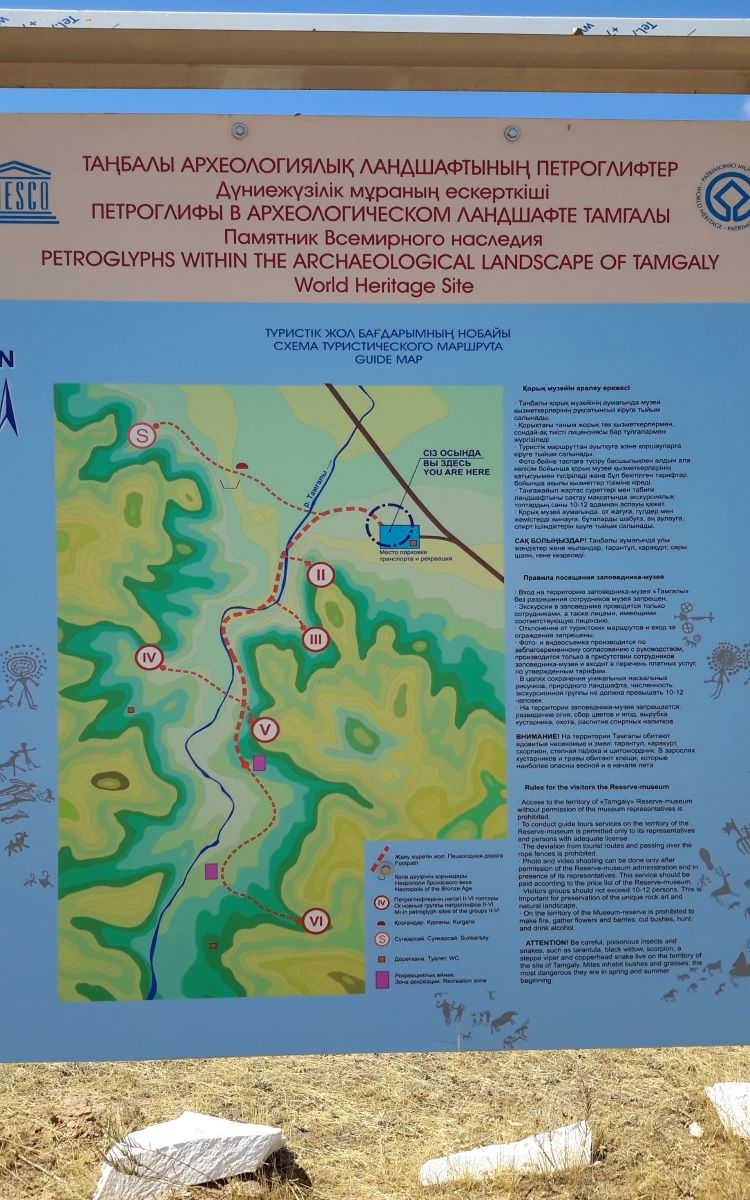
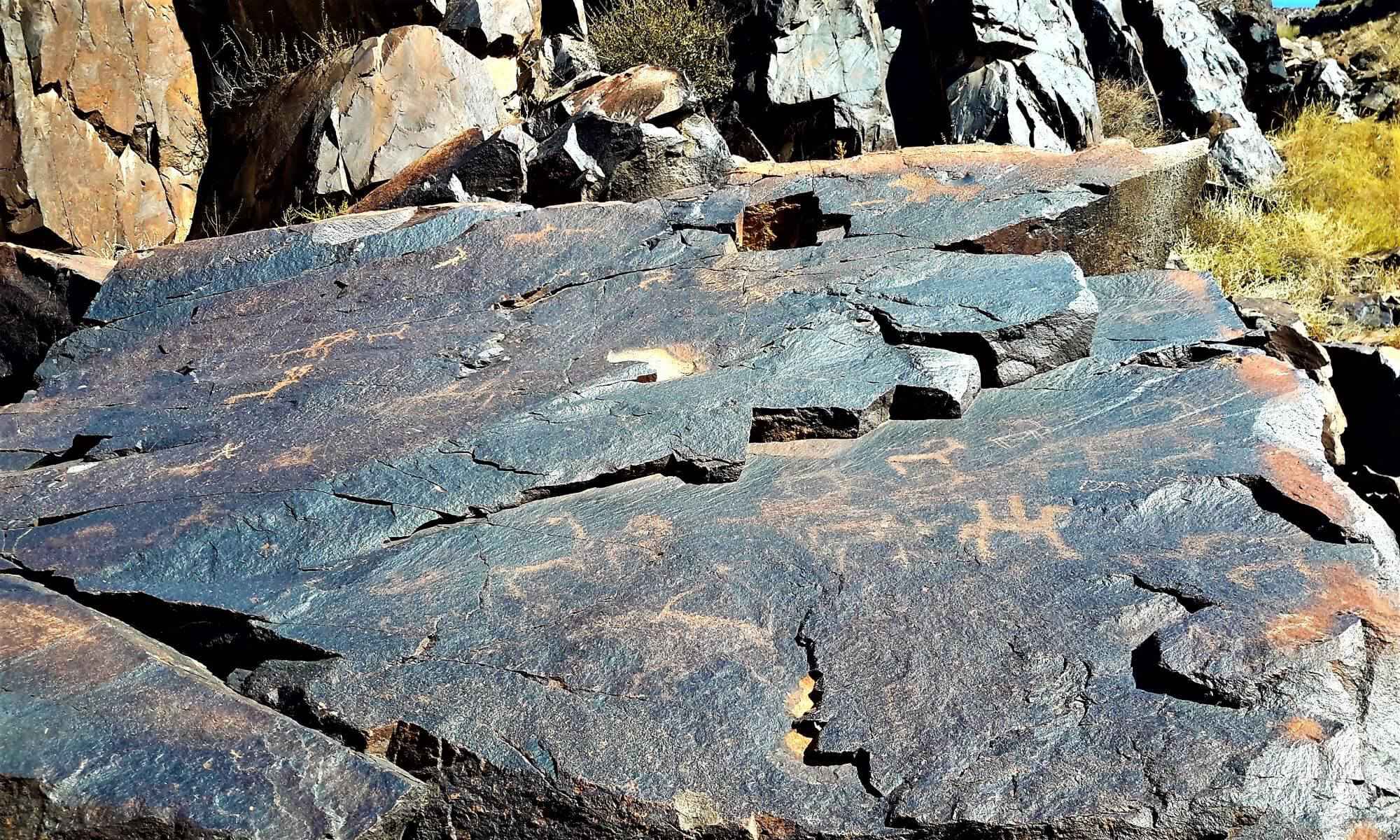
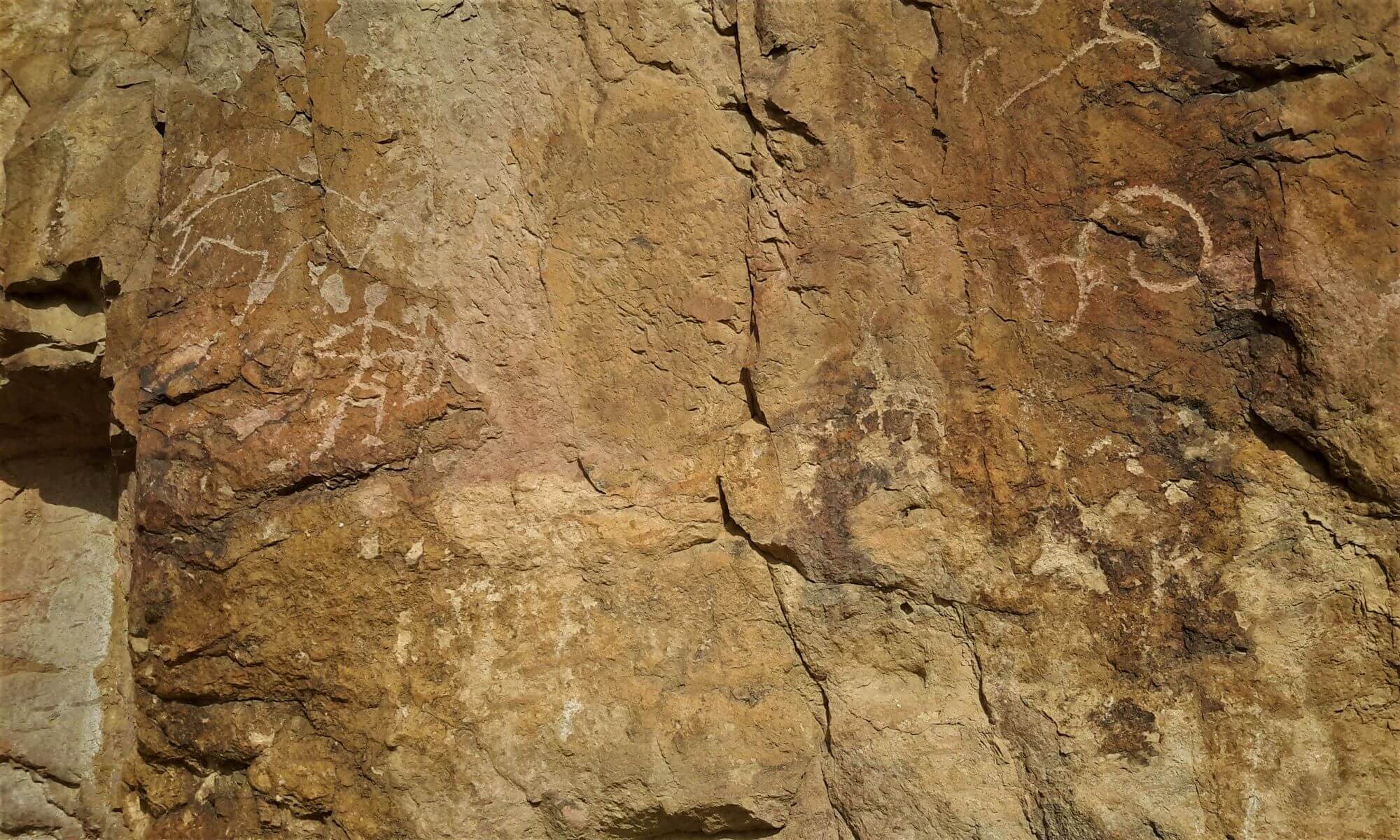
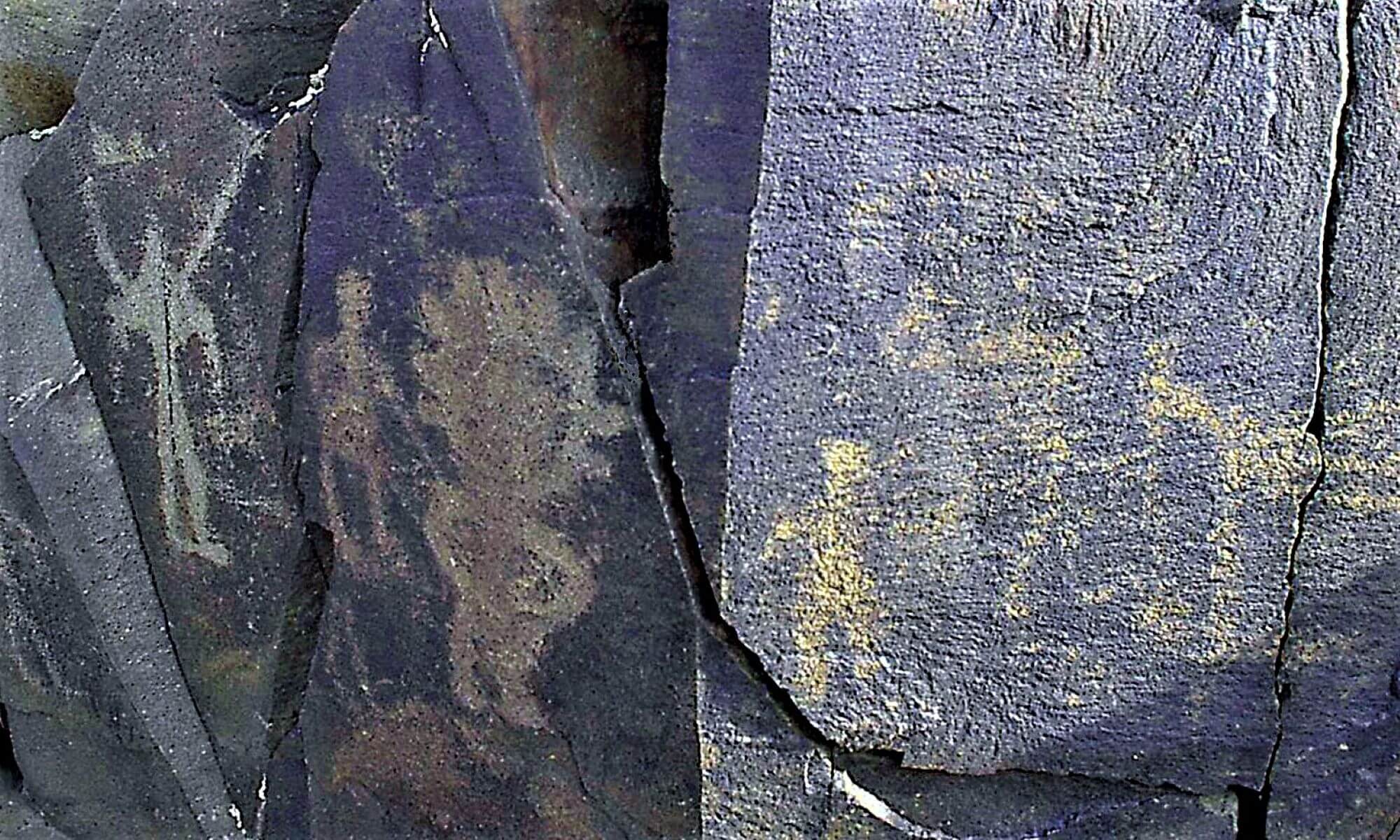
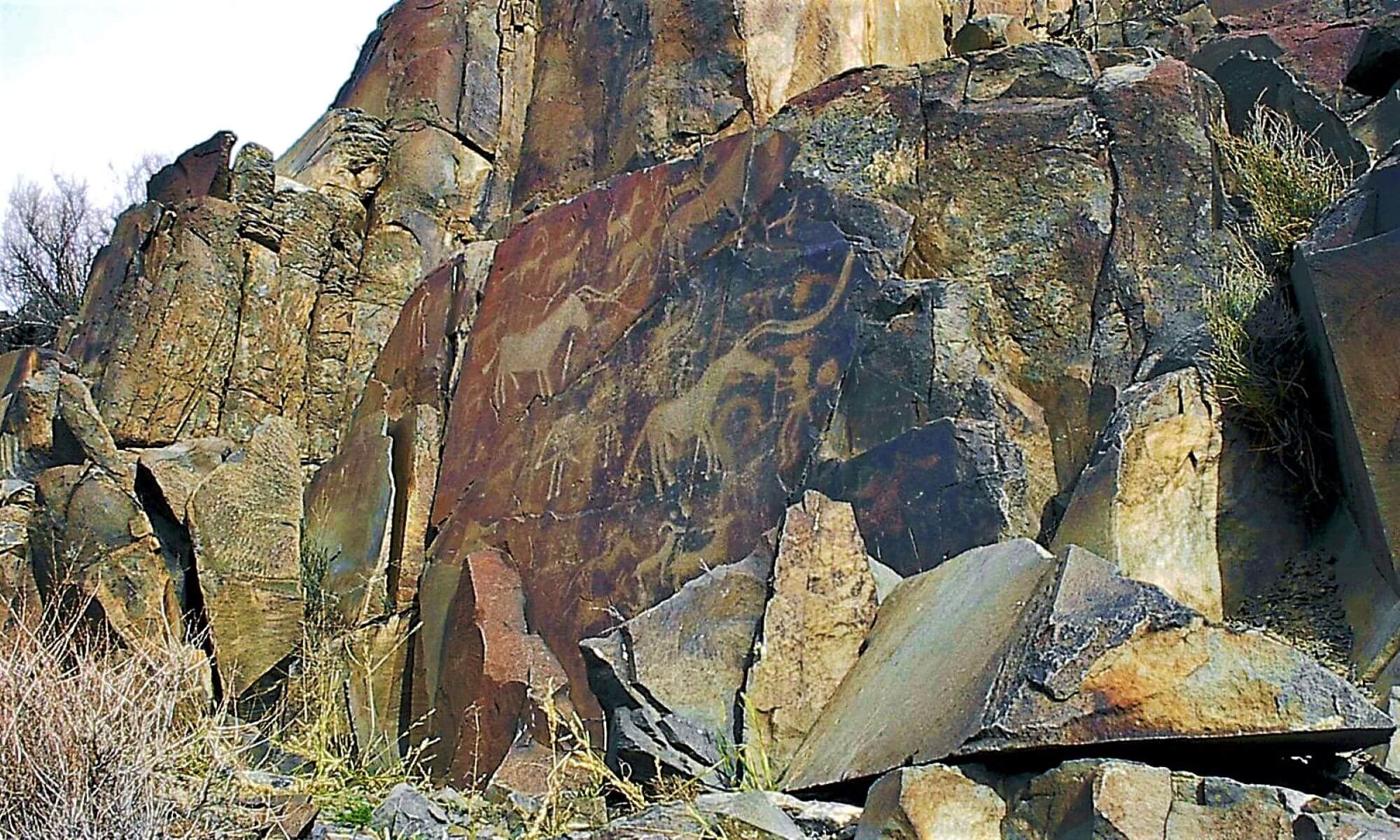
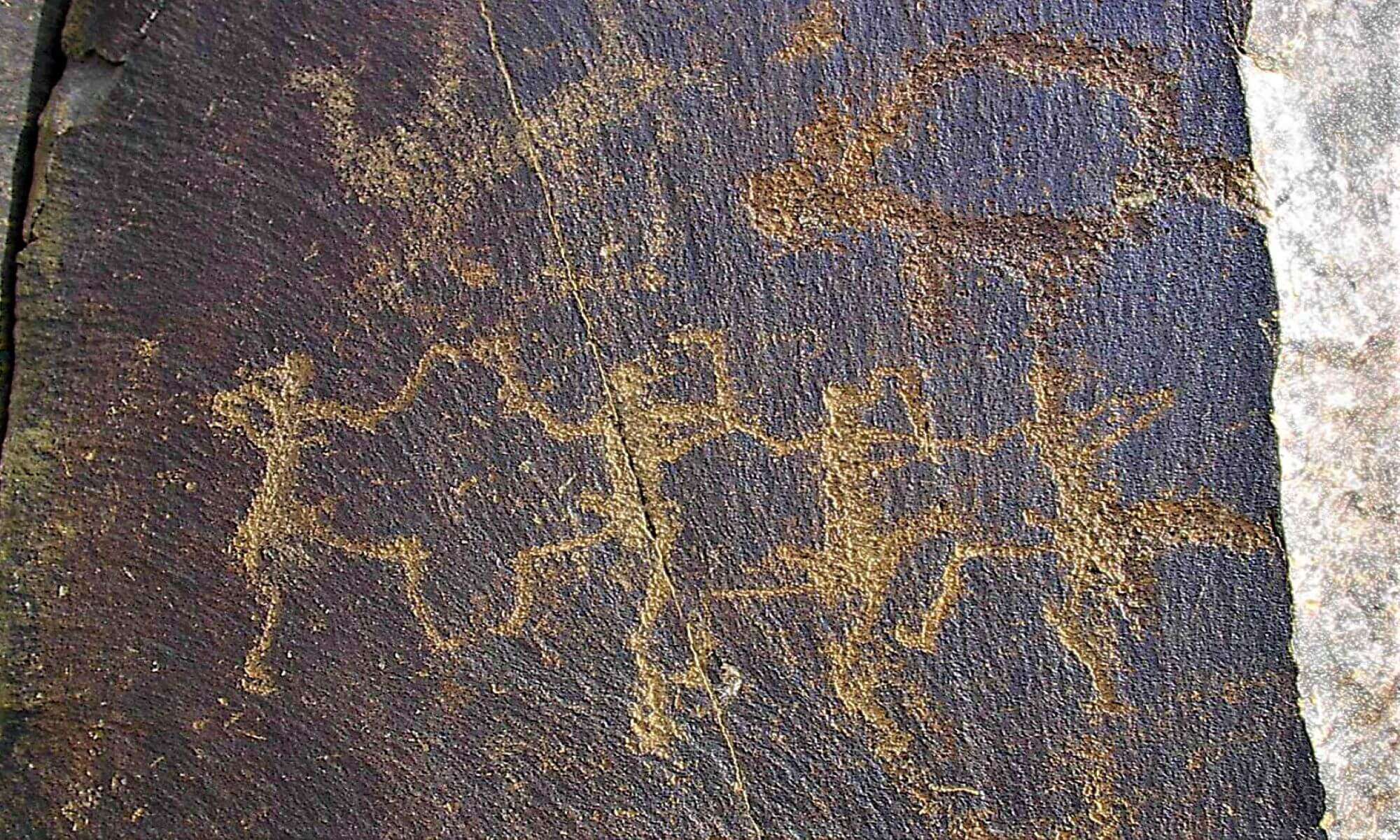
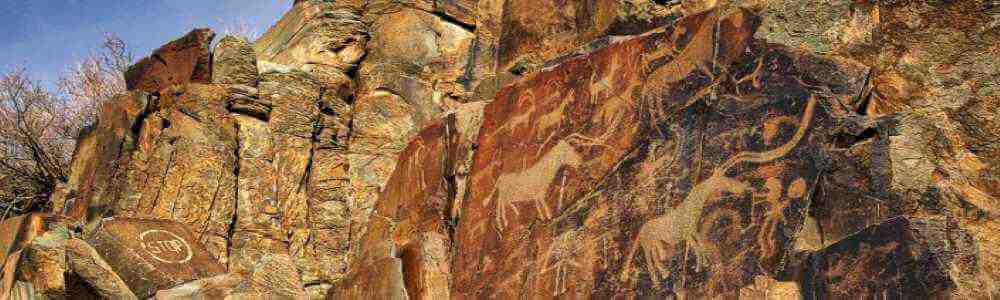 The Tanbaly open-air museum is located 180 km from the city of Almaty in the Chu-Ili mountains. "Petroglyphs of the archaeological landscape of Tamgaly" were included in the UNESCO World Heritage List in 2004. More than a hundred different monuments are known on the territory of the Tamgaly reserve - settlements, burial grounds, altars and accumulations of petroglyphs, concentrated on an area of about 900 hectares and dating from the middle of the 14th-13th centuries BC e. to the turn of the XIX-XX centuries. The most ancient inhabitants of Tamgaly were the tribes of the Bronze Age of the Andronov culture in the 2nd millennium BC. e. The core of the complex at all times remained a canyon, on the rocks of which, conventionally designated as groups I-V, about 3000 petroglyphs have survived. Nearby, at the foot of a solitary mountain, there is a vast necropolis, where the most ancient burials were made in the XIV-XIII centuries. BC e., on the foothill plain, the mounds of nomads of the 1st millennium BC stand out as separate groups. e. - 1st millennium AD e., including a burial mound with a "mustache". This entire territory, including the canyon with petroglyphs, has been a cult zone since ancient times. People did not live there, but visited it for ceremonial purposes. The daily life of the inhabitants of Tanbaly proceeded on the periphery of the tract, here are found the remains of ancient settlements and camps. Most often there are images of solar deities, which are the most ancient and were created in the middle of the second millennium BC. According to scientists, these are the earliest anthropomorphic images of deities. There are also many images of mummers, perhaps shamans, warriors with clubs and spears, married couples, women in labor. There are also household drawings, and compositions depicting people and animals, hunting scenes, rituals and sacrifices. As tools, ancient artists used stones and, judging by the texture of the petroglyphs, some kind of metal tools. Later drawings, made in the Saka style, are placed separately from the ancient petroglyphs, but in some cases they complement or even overlap them. Several thousand years ago, the climate here was more humid and milder, with deep rivers, rich groves along the river banks and rich pastures. In modern times, this area has an original flora that has no analogues in the world. Suffice it to name such endemic plants as Regel's tulip, Nedzvedskiy Semirechenskaya.
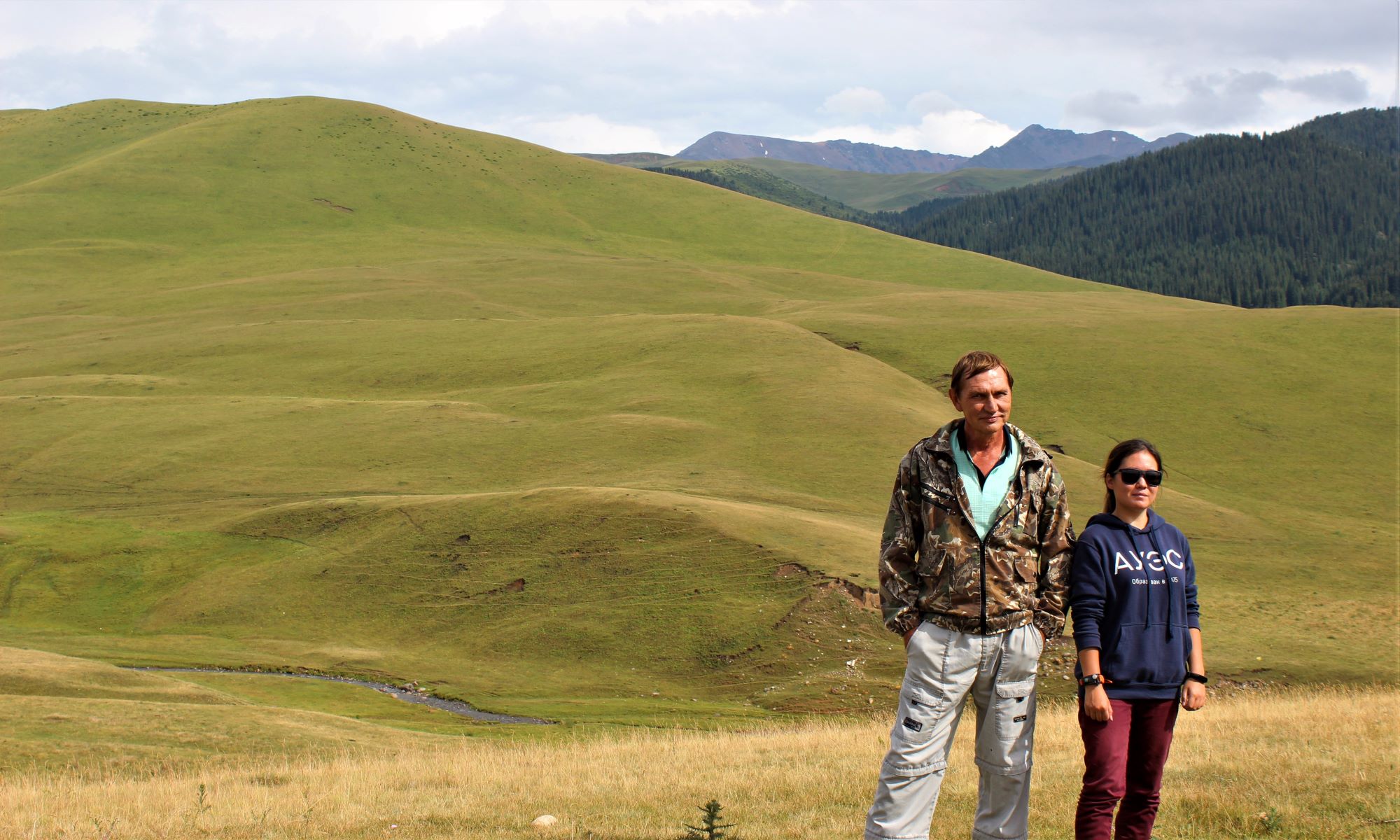
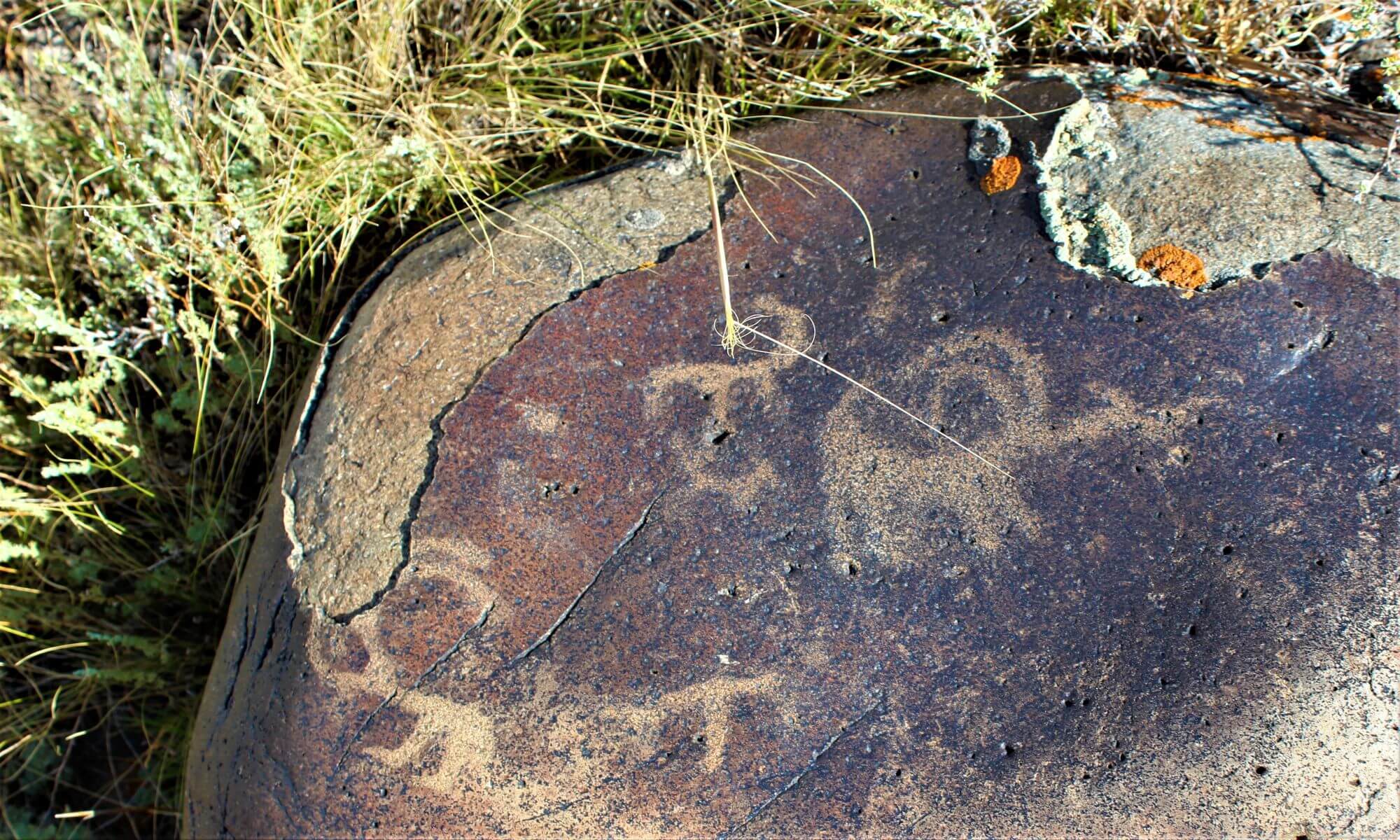
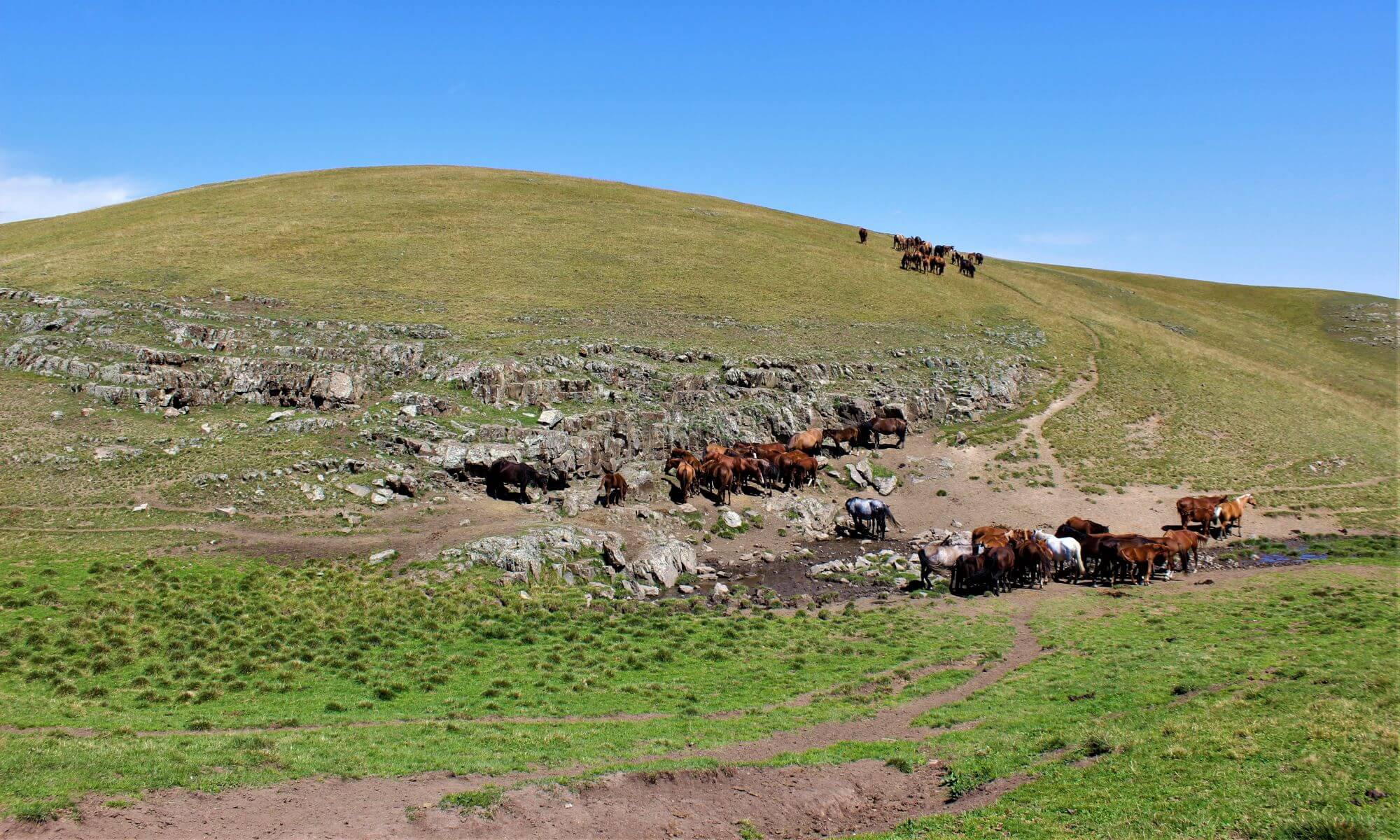
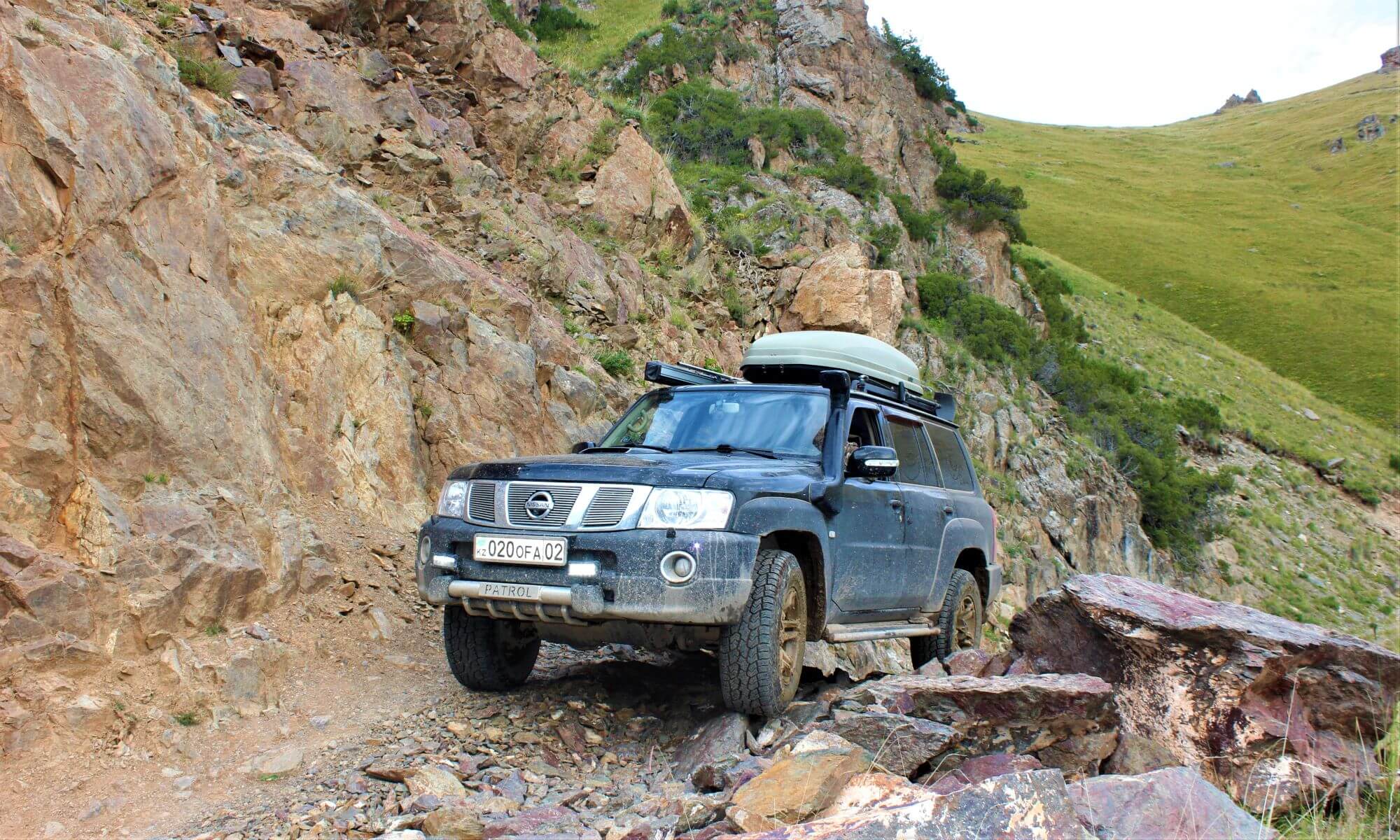
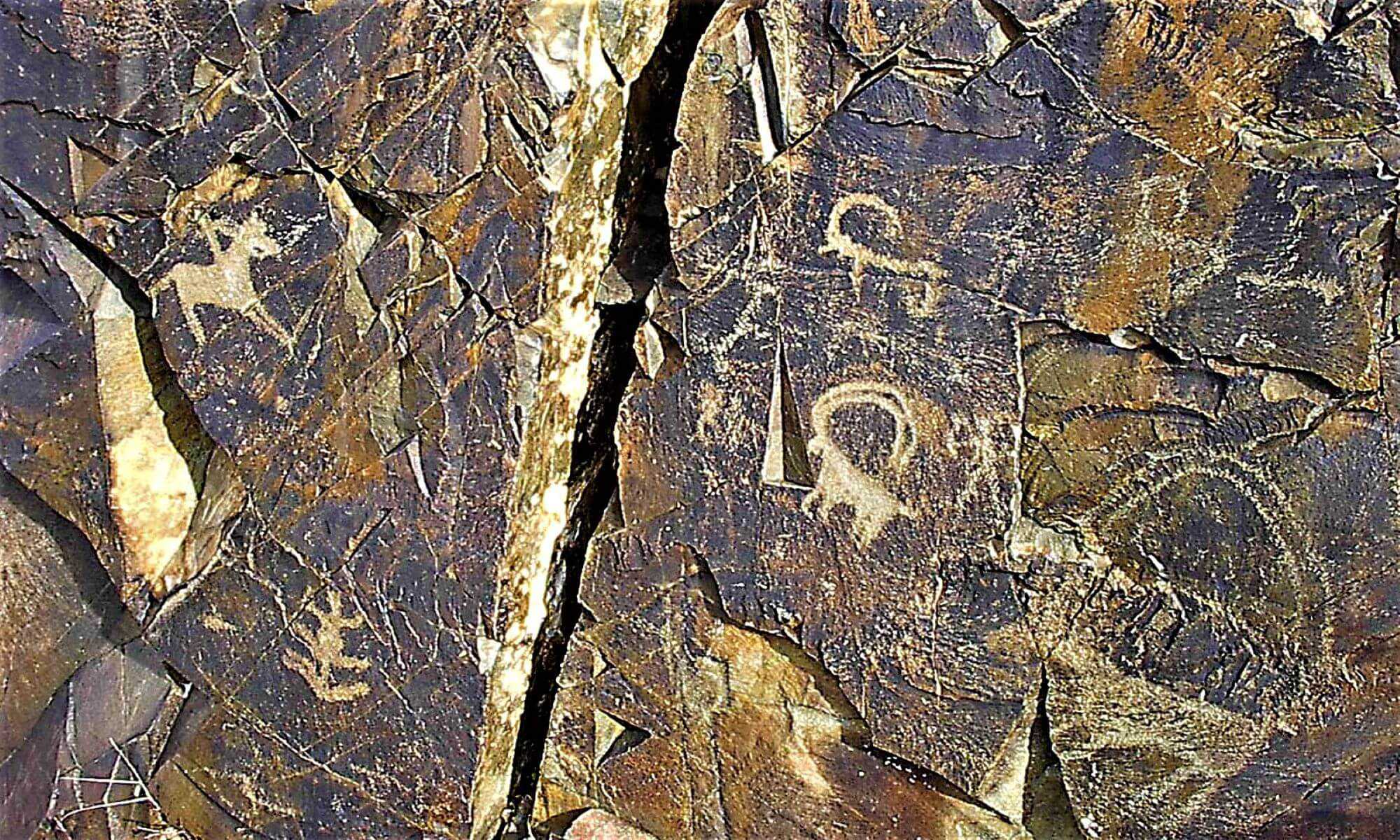
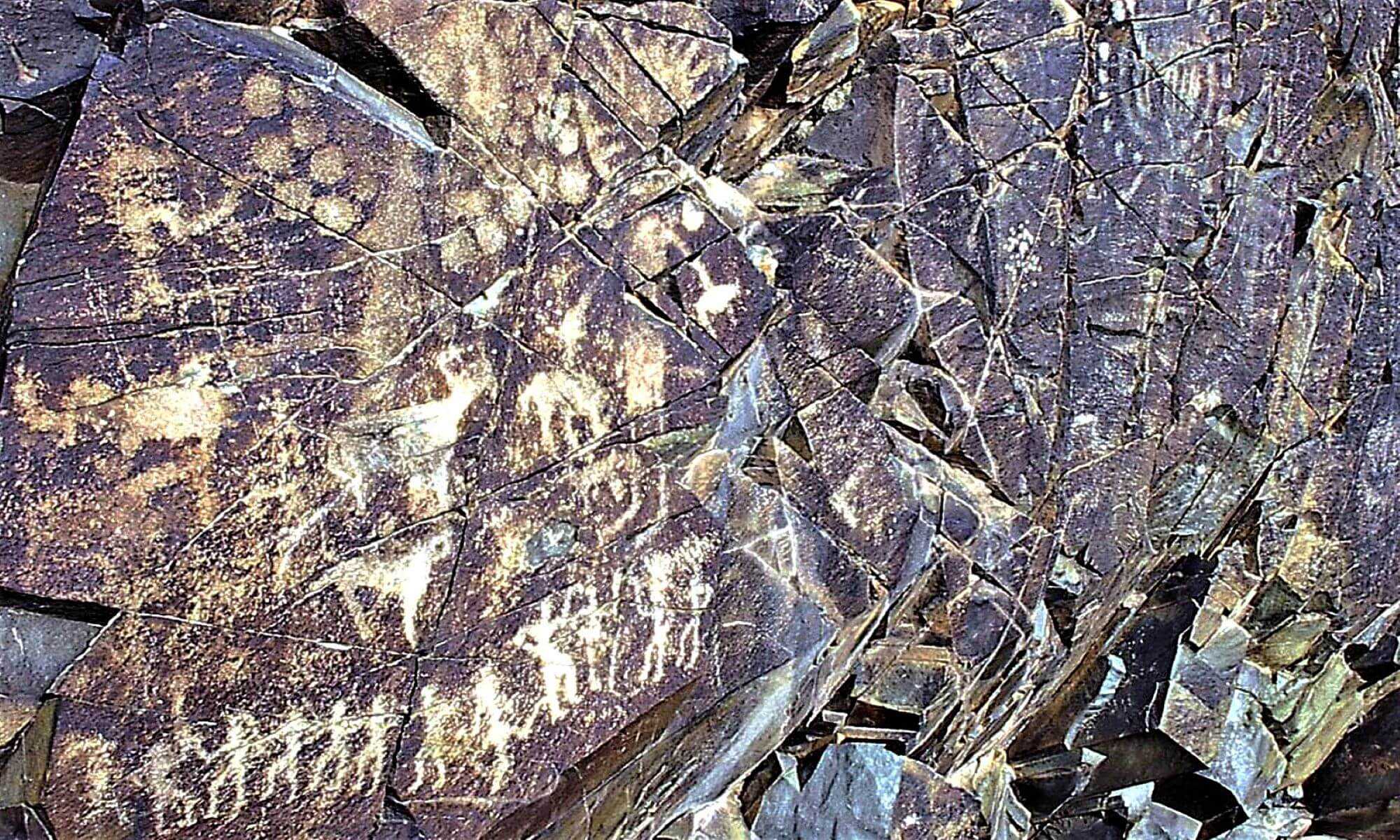
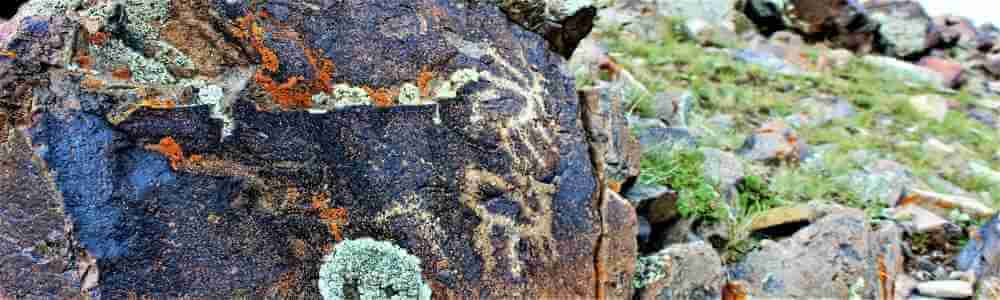 Petroglyphs on the Asy plateau are one of the most visited rock art sites during jeep tours. Due to the location on the alpine meadows of the high-mountainous plateau of Asy, the jeep tour is considered both natural and historical. Since ancient times, the Asy plateau was a summer pasture, as well as a place of residence of ancient people, as evidenced by numerous monuments of rock art, as well as burial places. The petroglyphs of Asy do not have a refined tourist infrastructure, as in Tanbaly, but this only increases the research interest. Seeing petroglyphs in their natural environment, exactly the same as it was during the engraving before the new era ... Isn't it fascinating? Among the petroglyphs of Asy, images of goats and hunting scenes prevail, but you can also find mummers, camels and even deer there.
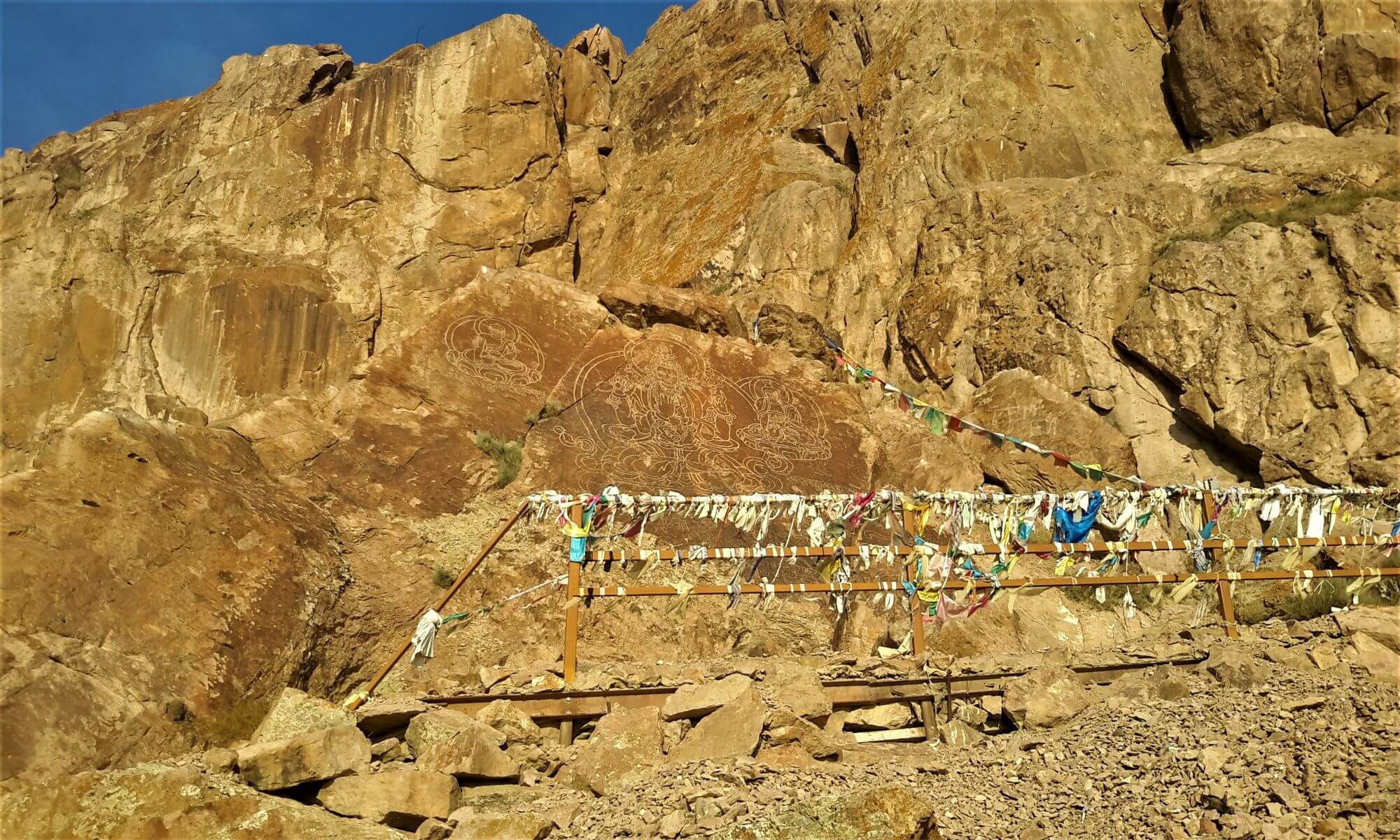
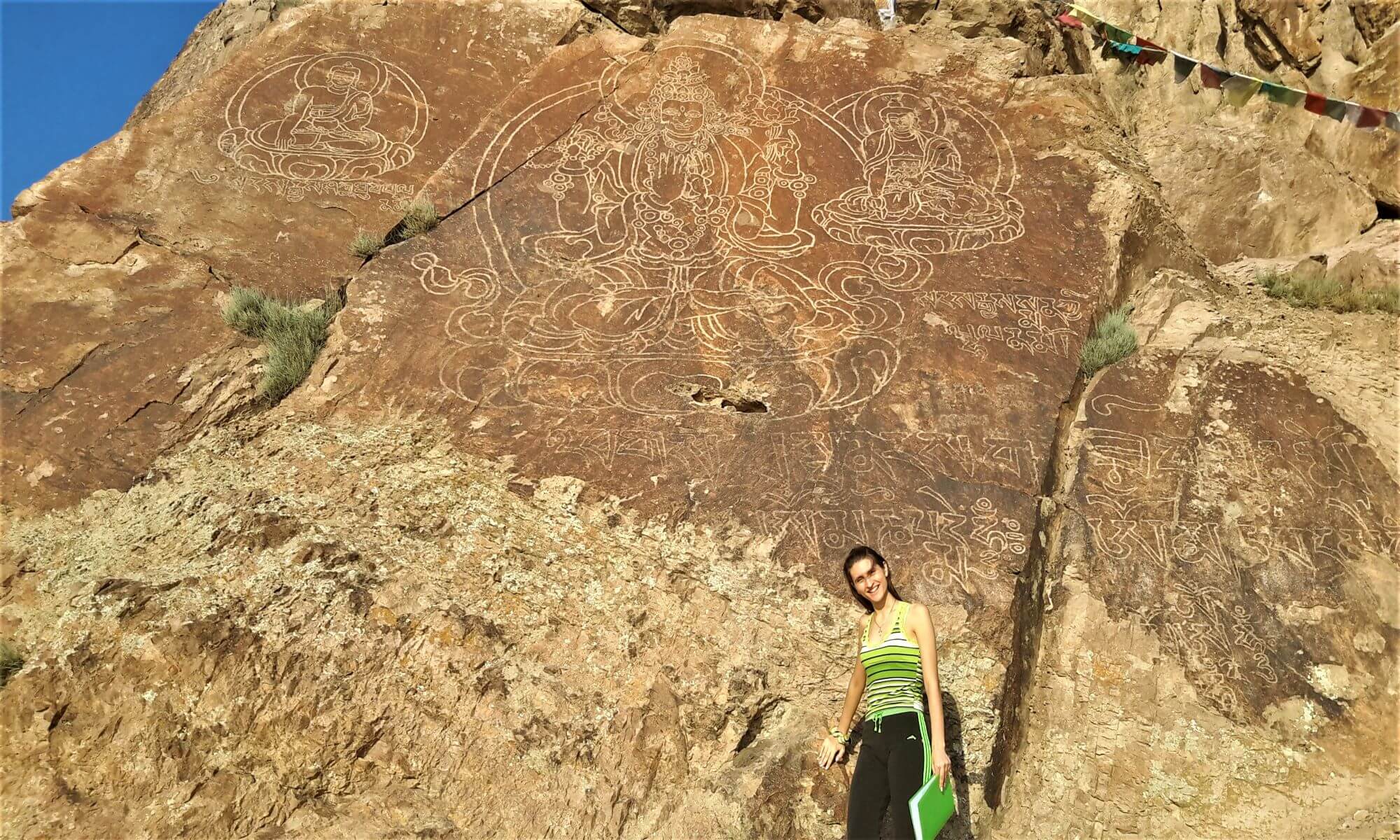
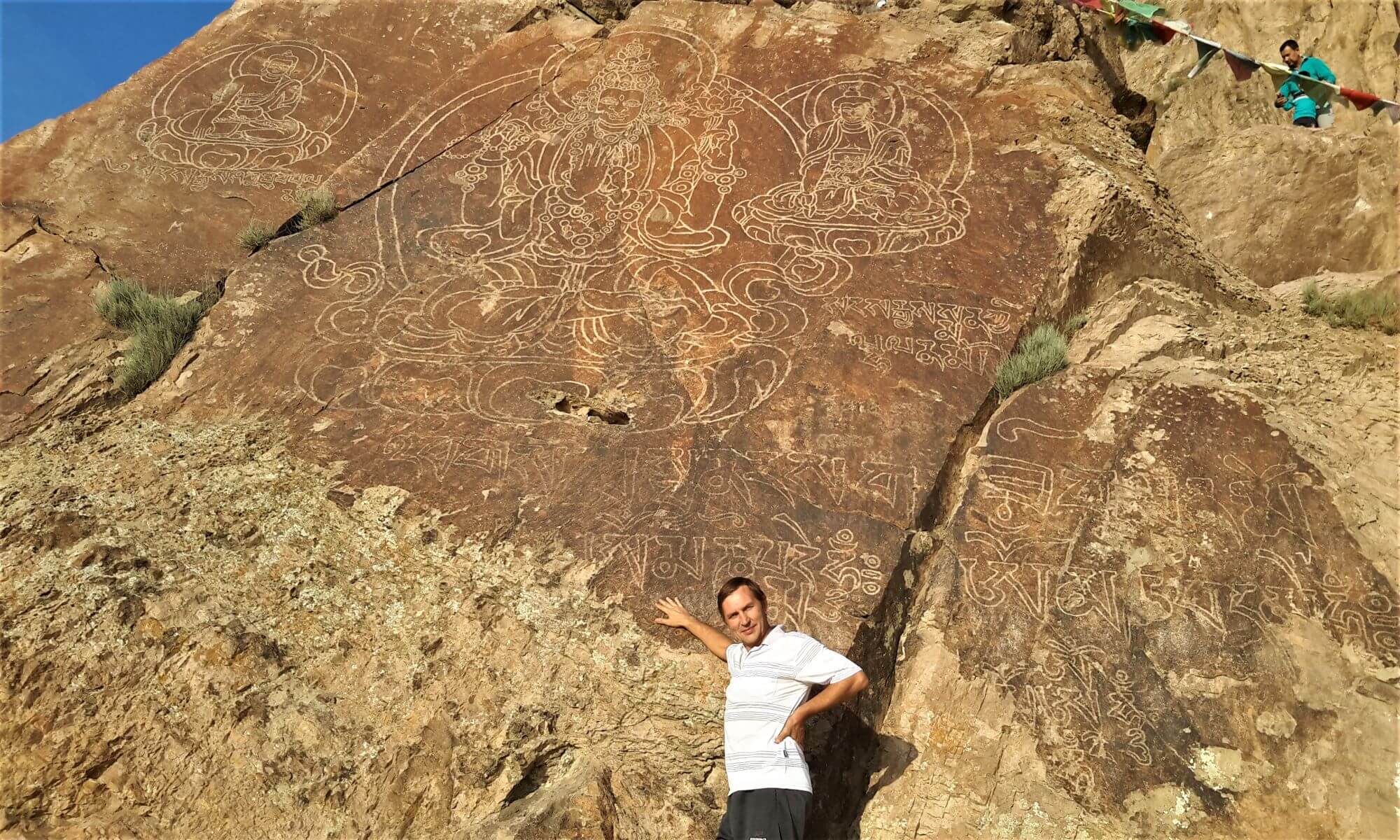
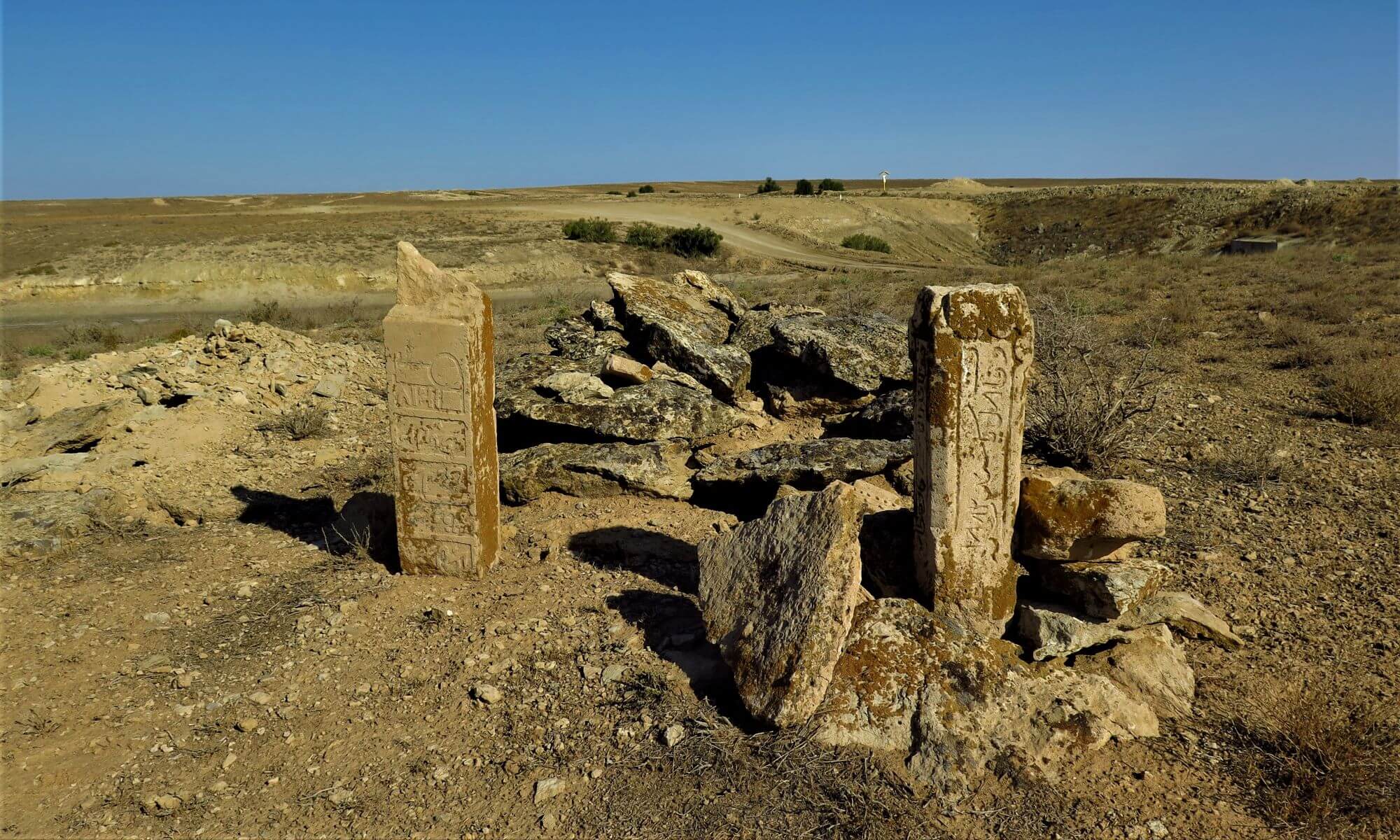
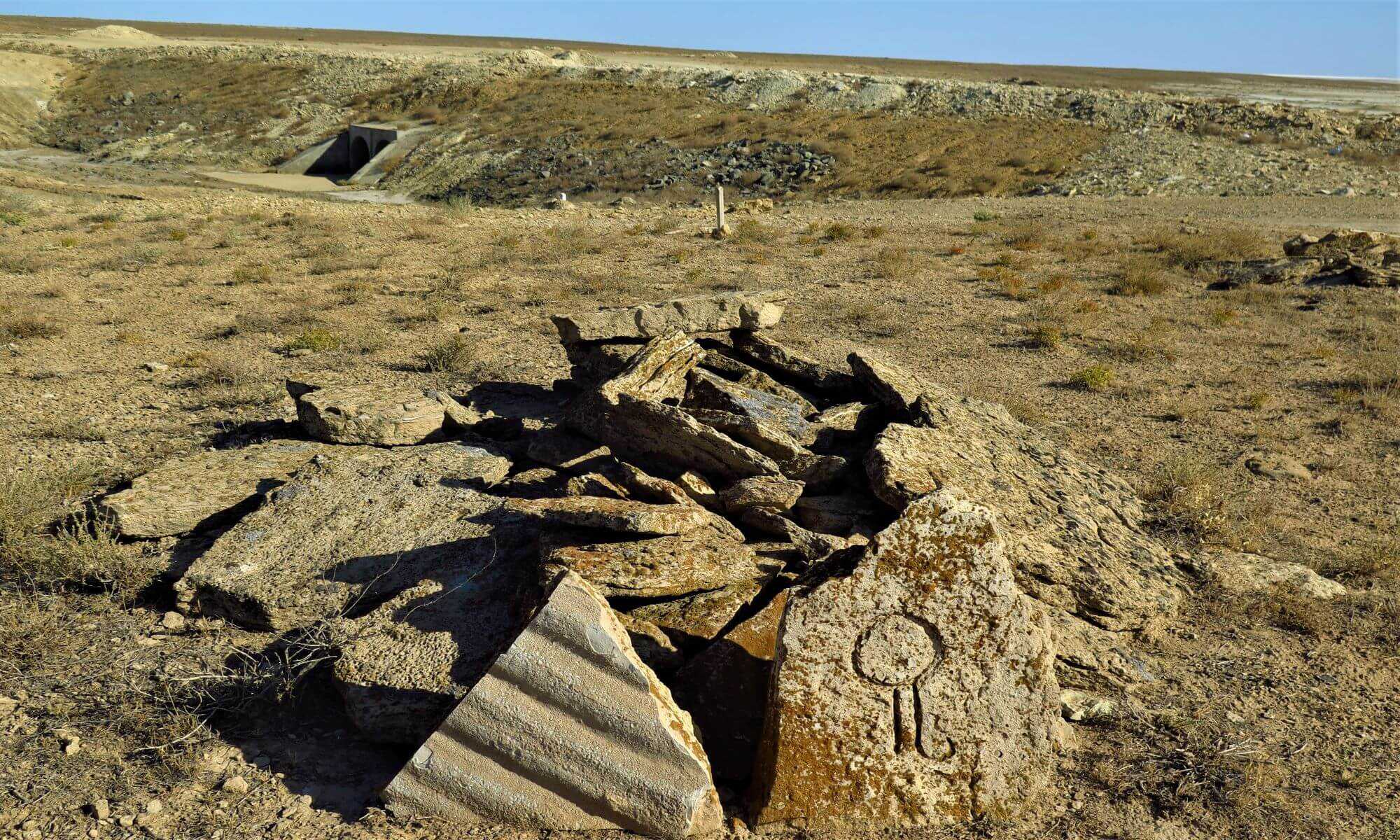
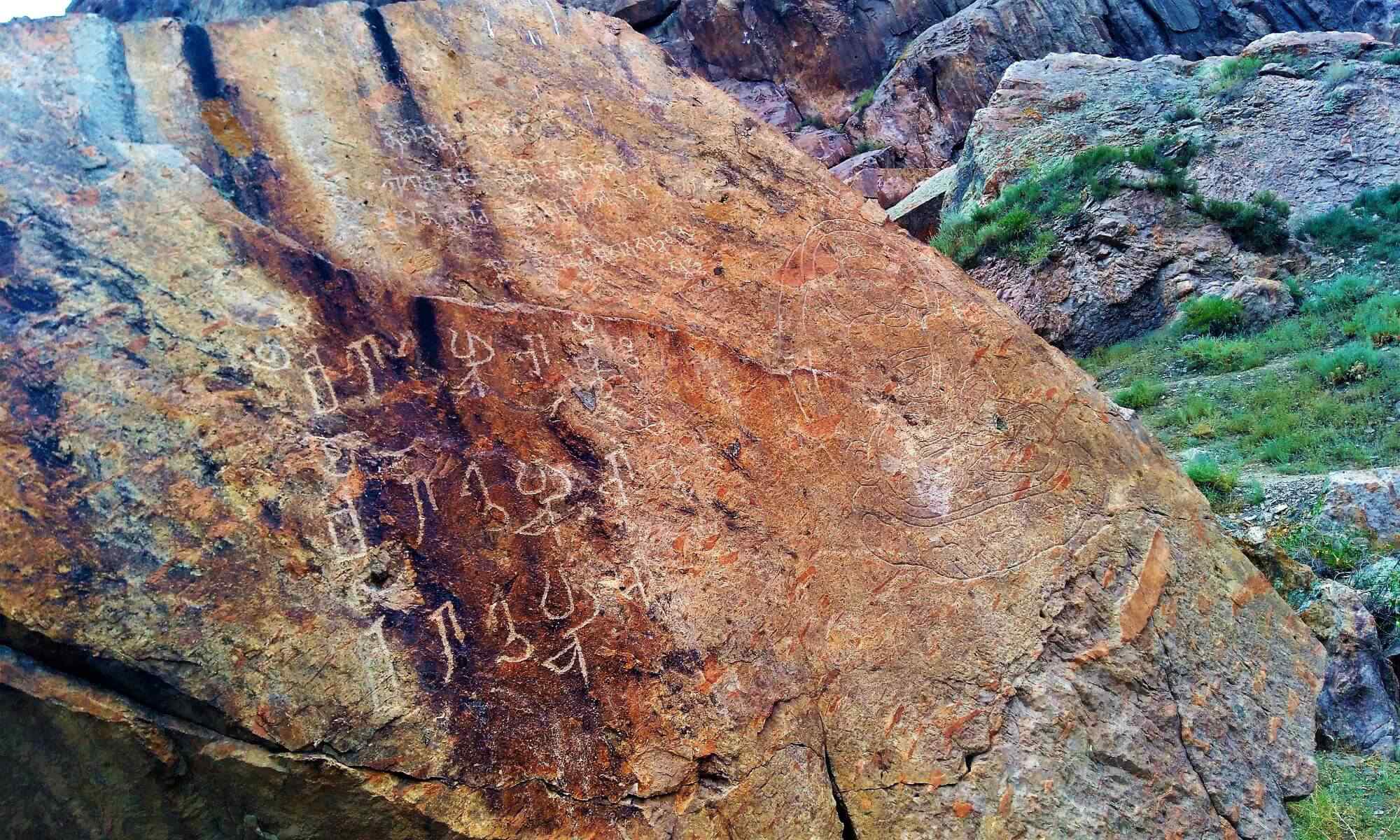
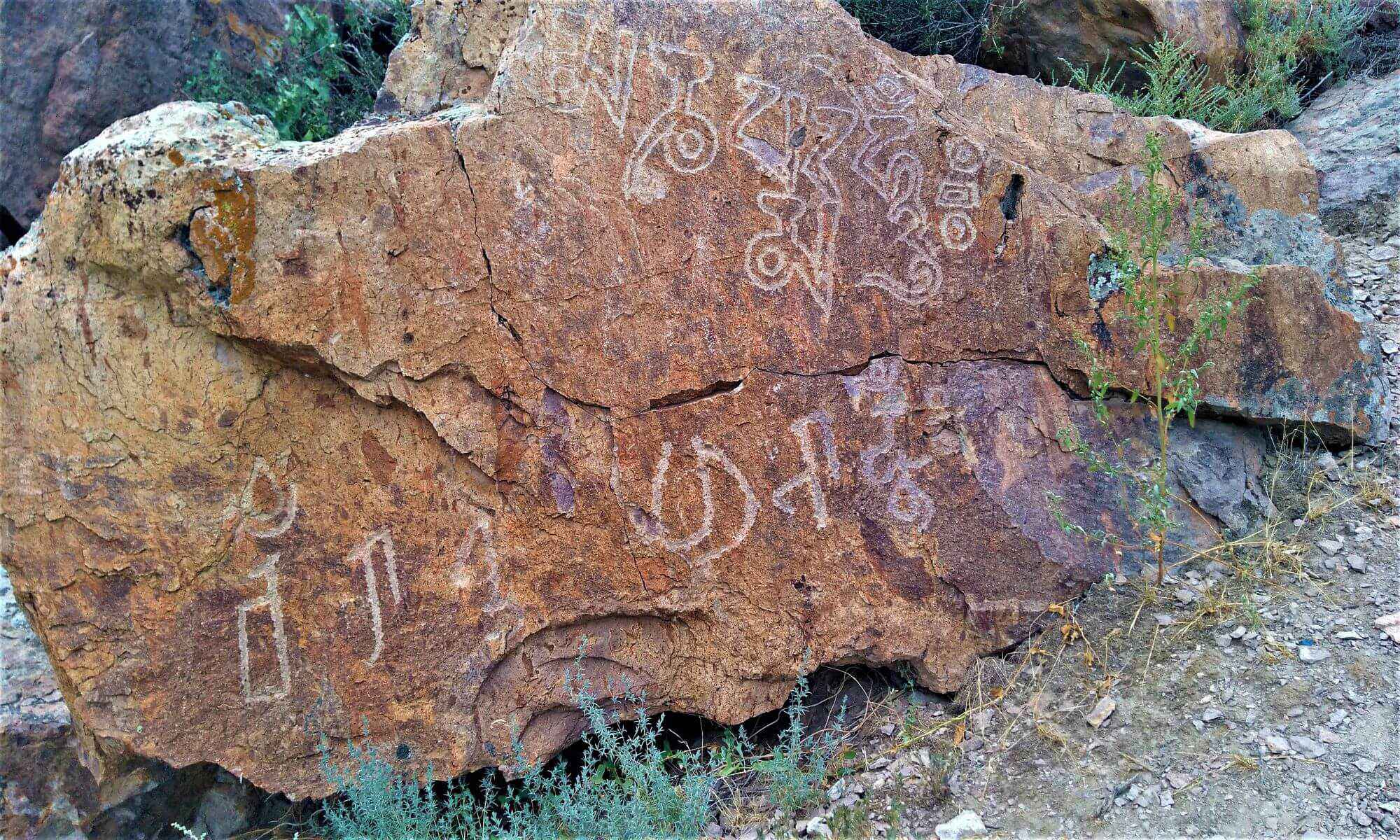
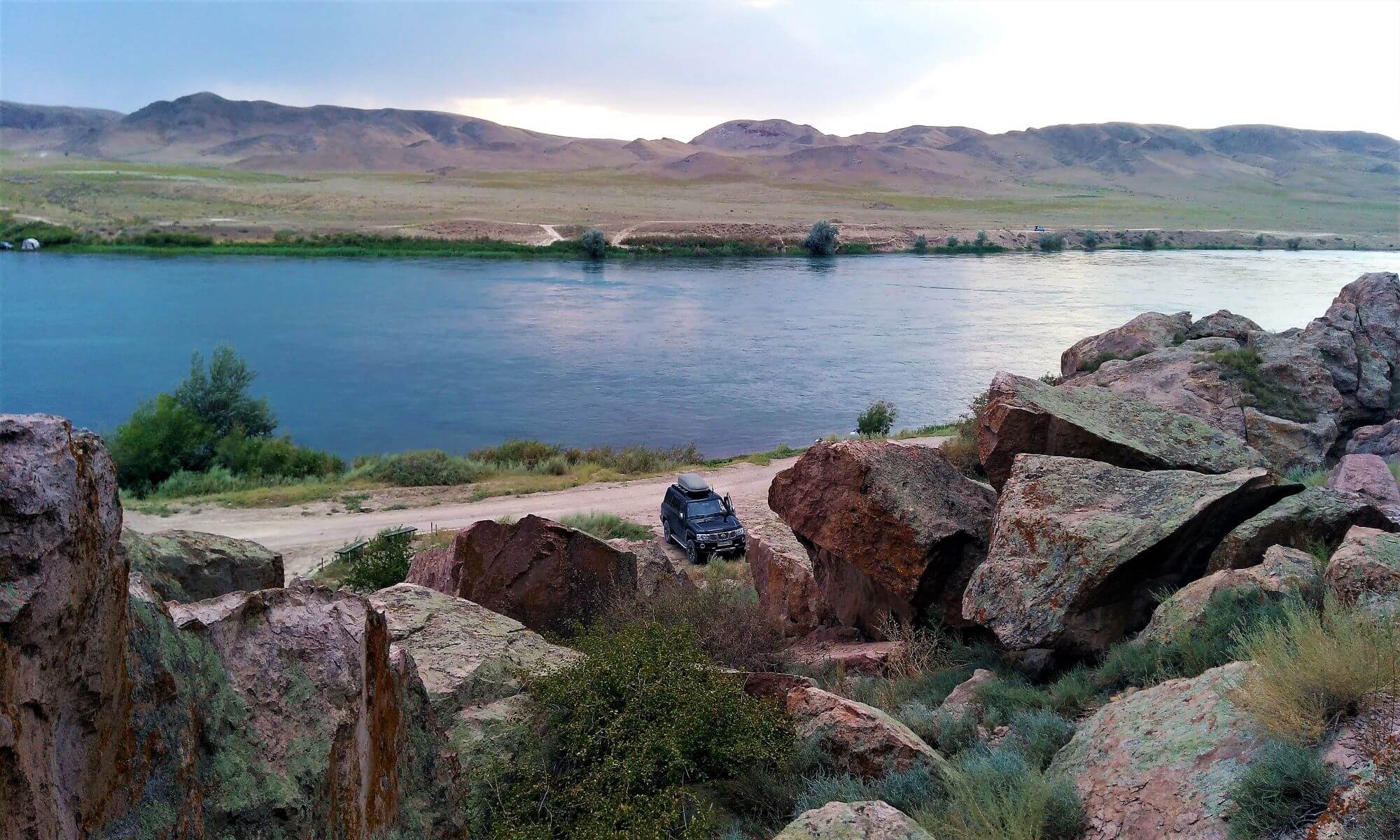
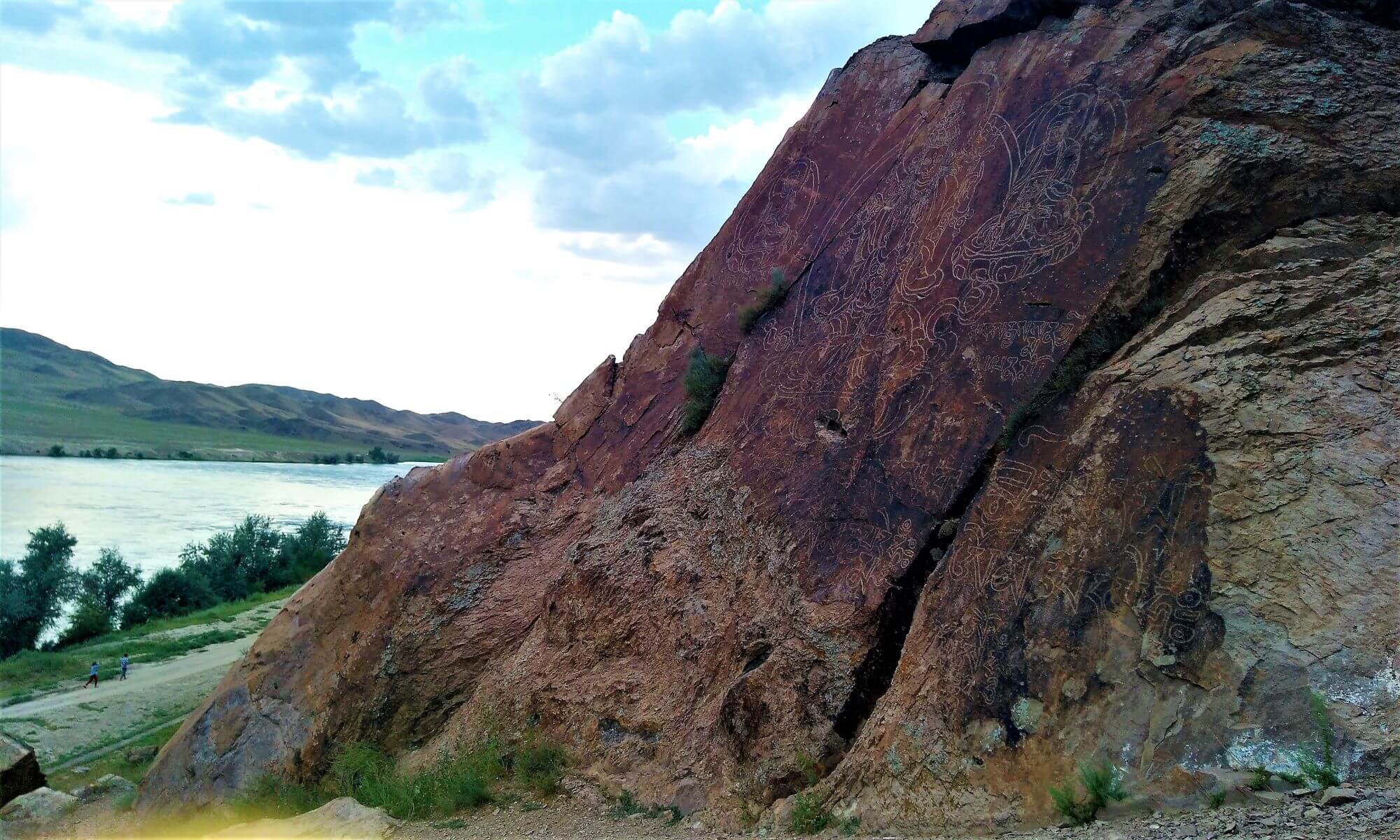
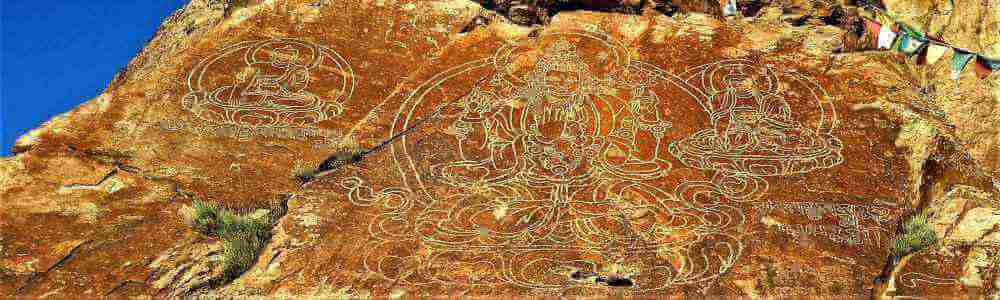 Tamgaly-Tas Buddhist engravings are located 120 km from the city of Almaty on the banks of the Ili River. Among the petroglyphs, there are about a thousand rock images, among which the most famous are three images of Buddha: Buddha Shakyamuni, Buddha of Infinite Light Amitabh and bodhisattva of Infinite Compassion Avalokiteshvara. In addition to Buddhist drawings and inscriptions, there is a stone with ancient Turkic runic inscriptions of the 8th-9th centuries. Tamgaly-Tas is under the protection of the government of Kazakhstan as a cultural monument and is an open-air Buddhist temple, as evidenced by a sign at the entrance to the tract. It is still unknown who left the Buddhist prints. There is a legend that in the 10th century, when one of the Buddhist missions stopped on the banks of the Ili River during a campaign in Zhetysu, an earthquake occurred and a large piece of rock fell to the ground, which was regarded as a sign of the need to return to India. They carved three images of Buddha on a breakaway piece of rock. Scientists have solved the riddle of all the runes on it, it says that in 2004, on March 6, the prophet will be born. According to another version, the inscriptions were made by Kalmyks on "todorkhoi nomin bichig" ("clear literary letter"), which was created by Zaya Pandita Ogtorguin in 1648 and was used for more than three centuries by nomadic Mongols who carved images of Buddha. Exploration of stones in Tamgaly-Tas began at the end of the 19th century. In 1875, Chokan Valikhanov made sketches of the area; in 1899, the Mongolian Aleksey Pozdneev, in the Notes of the Russian Geographical Society, gave a detailed description of the inscriptions and drawings.
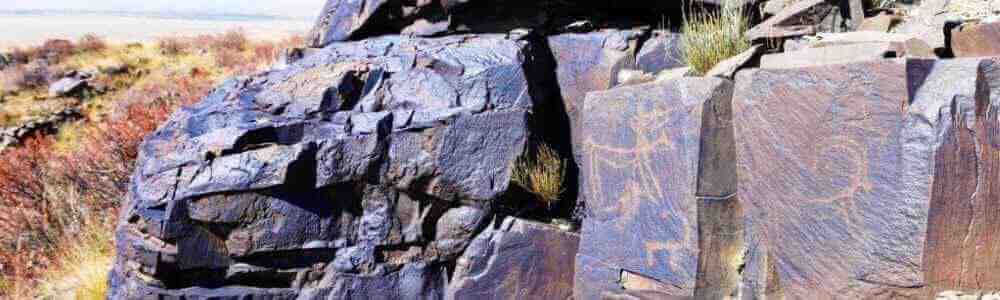
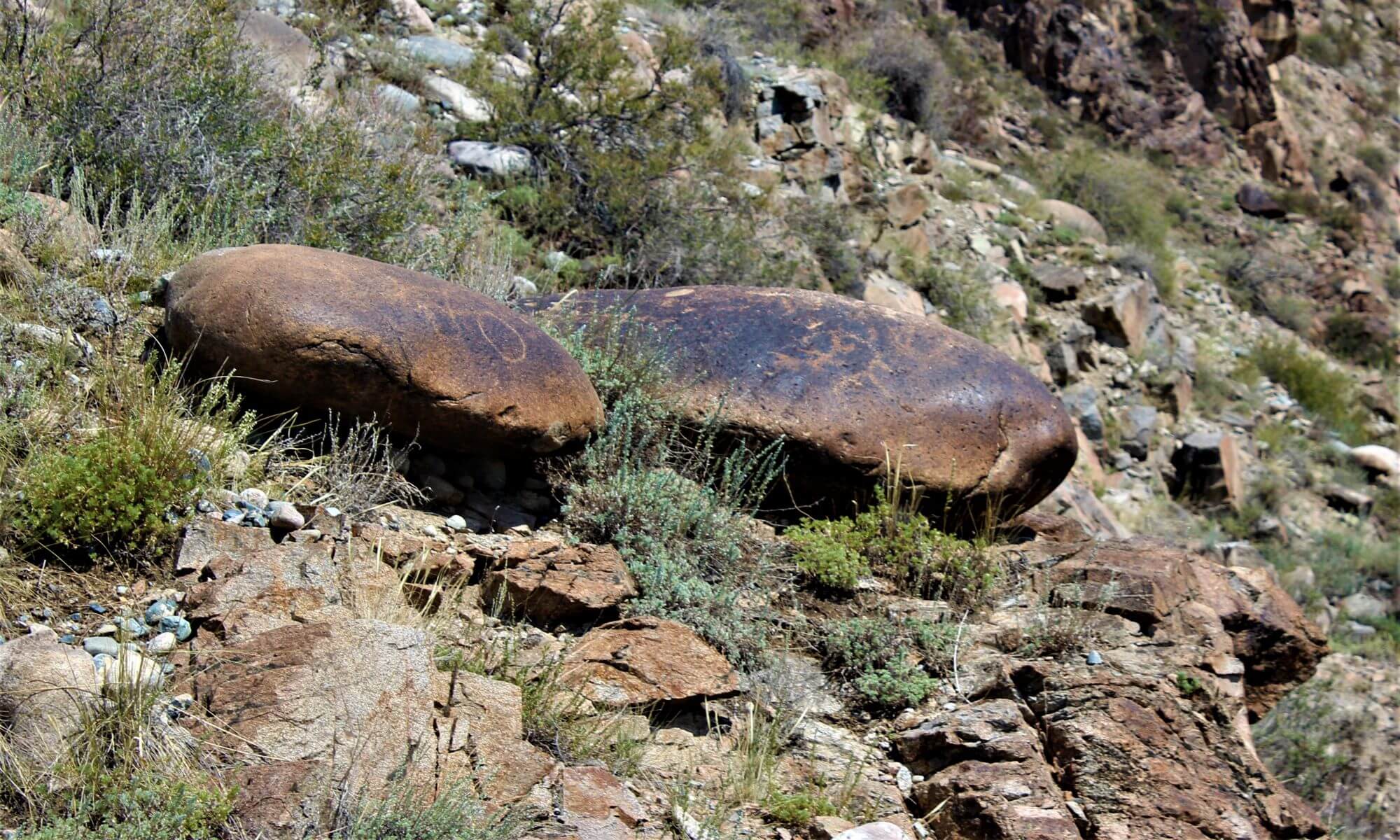
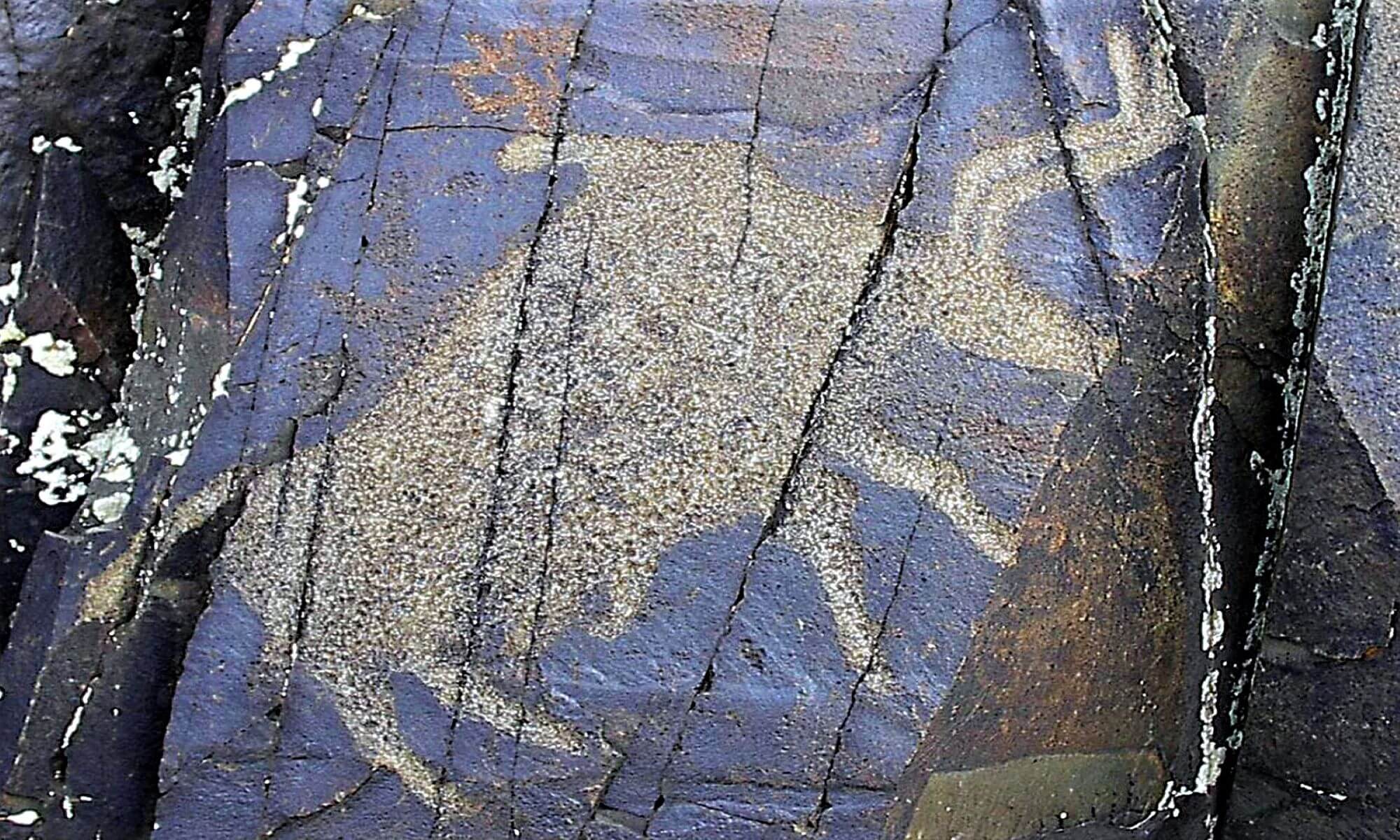
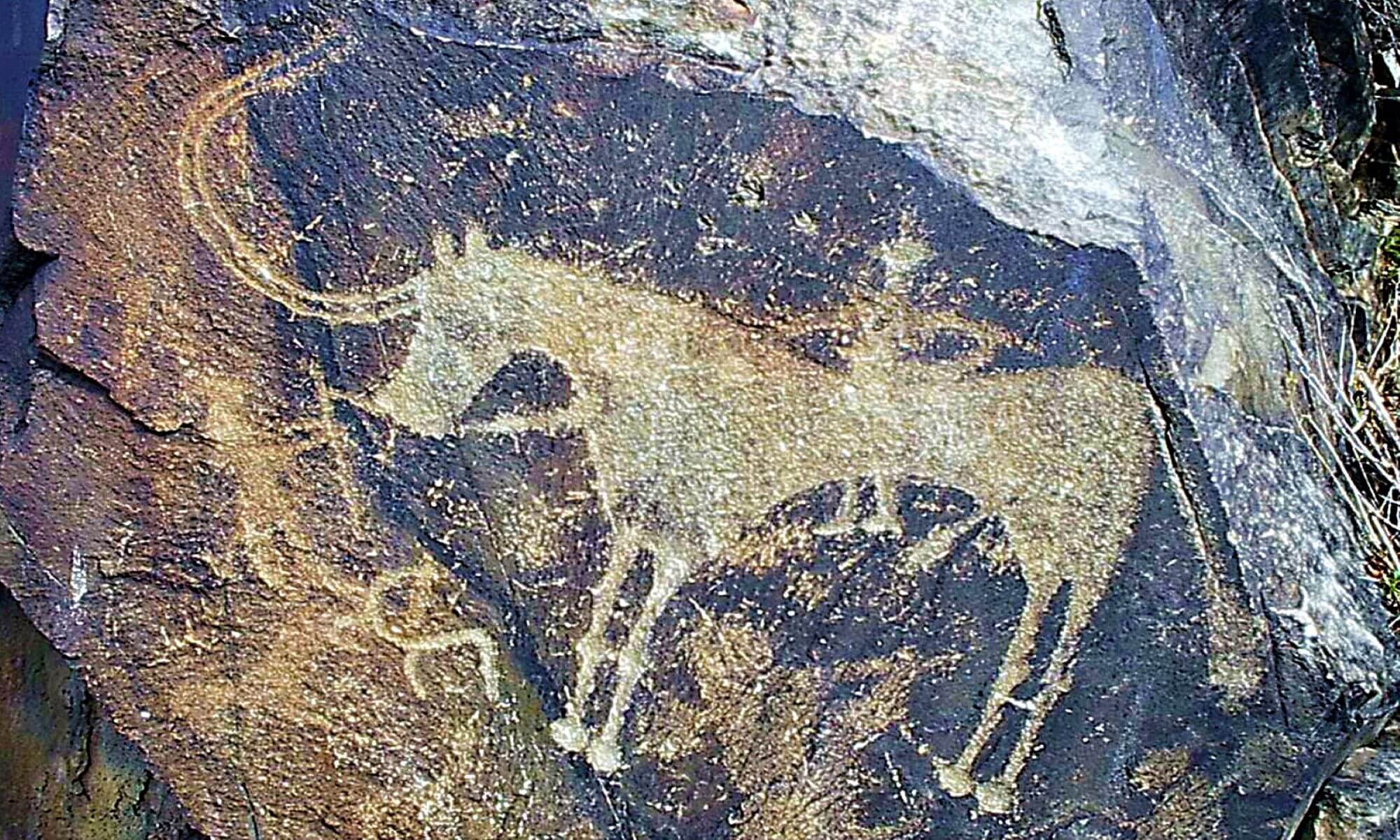
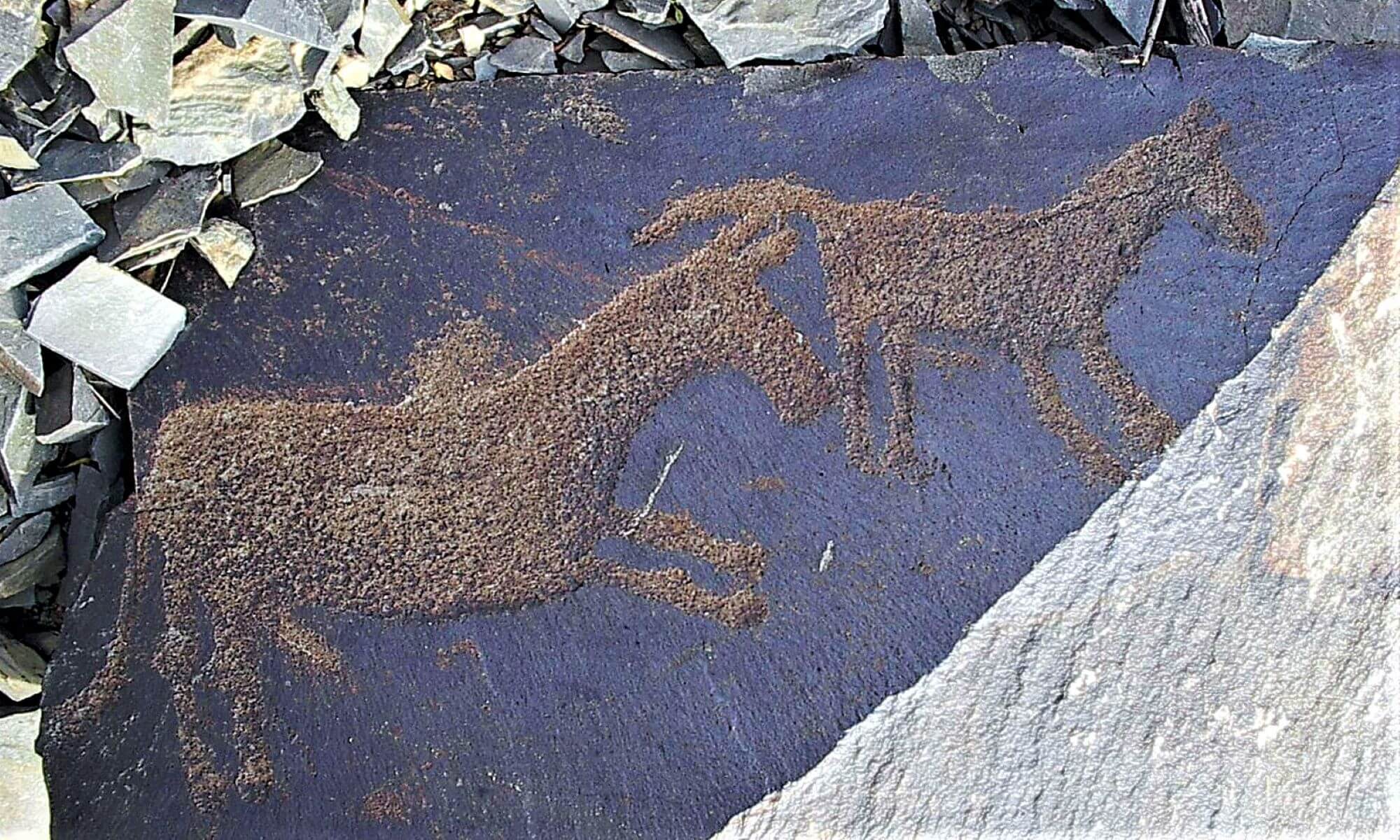
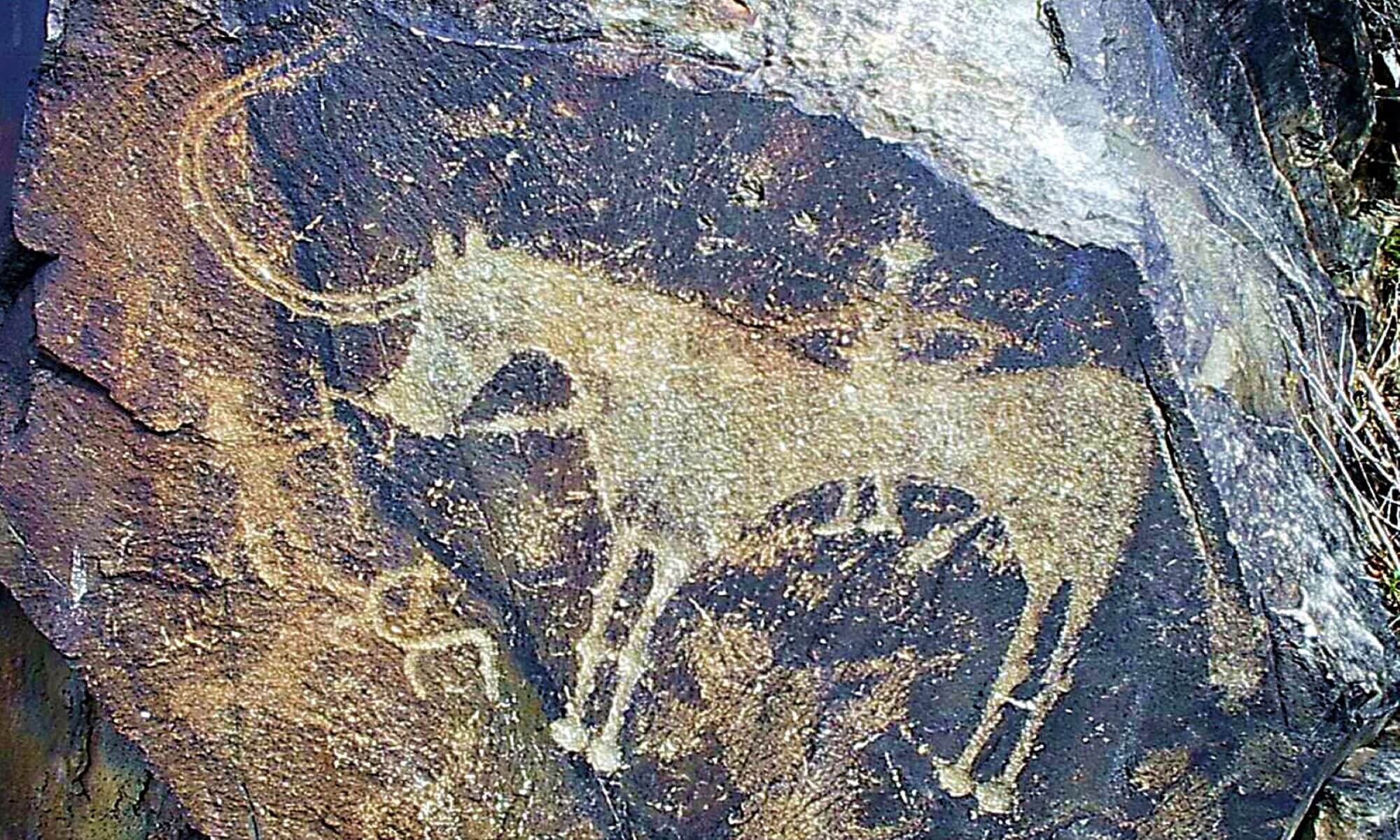
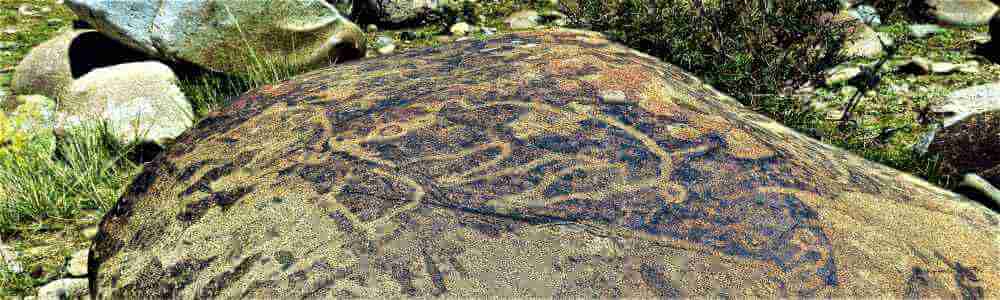 The Small Koitas in Southern Dzungaria is about one and a half thousand rock paintings of the Early Iron Age. On the rocks are carved figures of wild boars, deer, horses, goats, argali, horse riders. The central part of this group of petroglyphs is a large stone 8 meters in diameter with figures of wild boars. All images are made in a typical "animal" style. Four figures are silhouette, the fifth is made with a contour. Small images of a wild boar, a horse and a goat are carved next to the large, about a meter long, figures of wild boars. The combination of silhouette and contour embossing is a characteristic technique in the rock art of the Early Saka time. In the tract, 4 - 5 different variants were noted in the images of goats, argali and deer. So, for example, individual figures of goats, argali, often schematic, are decorated with either lyre-like horns, or volutes, or horns in the form of a spiral. Deer have horns in the form of branches, sometimes curls of an 8-shape. Also in the tract Maly Koitas there is a deposit of healing mud, which we regularly visit during jeep tours.
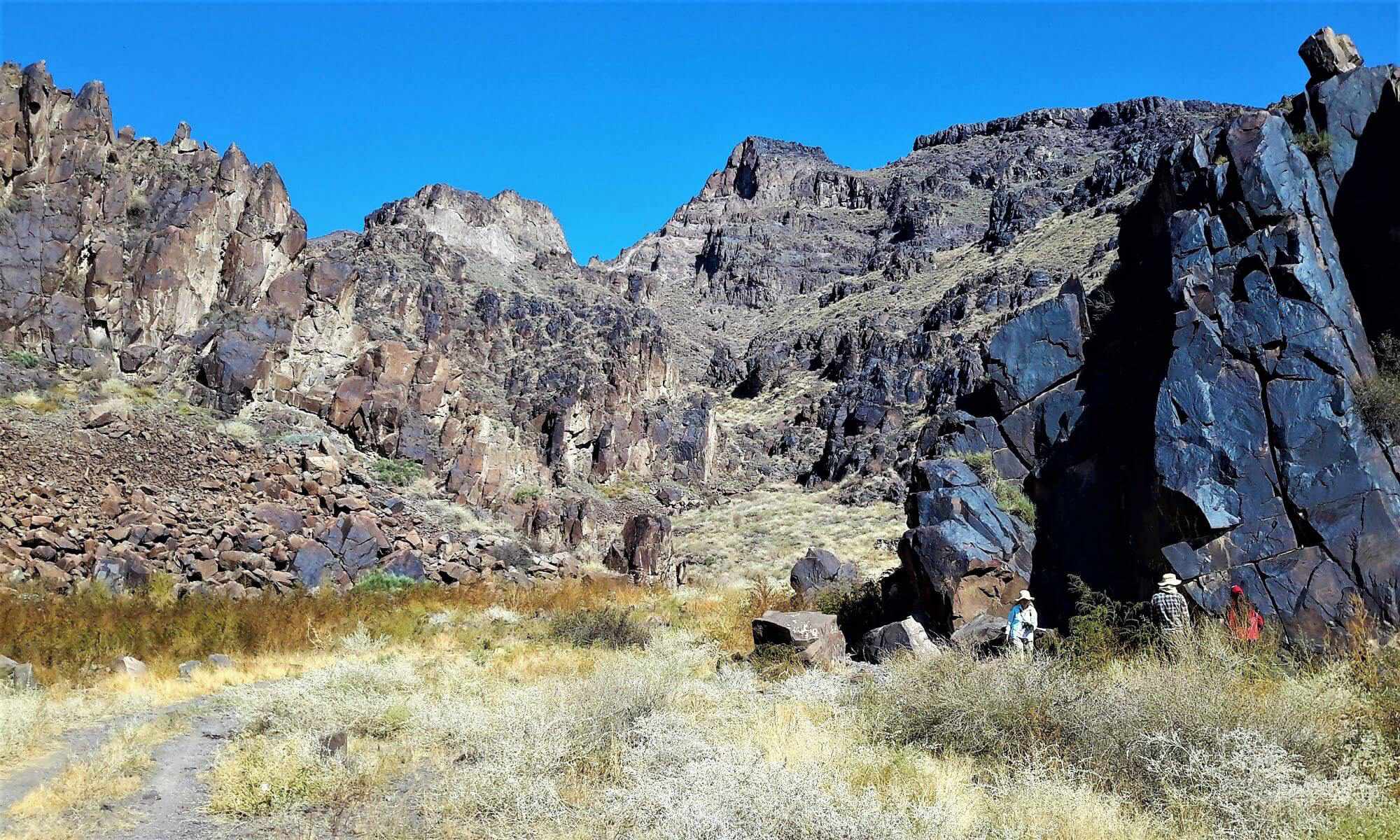
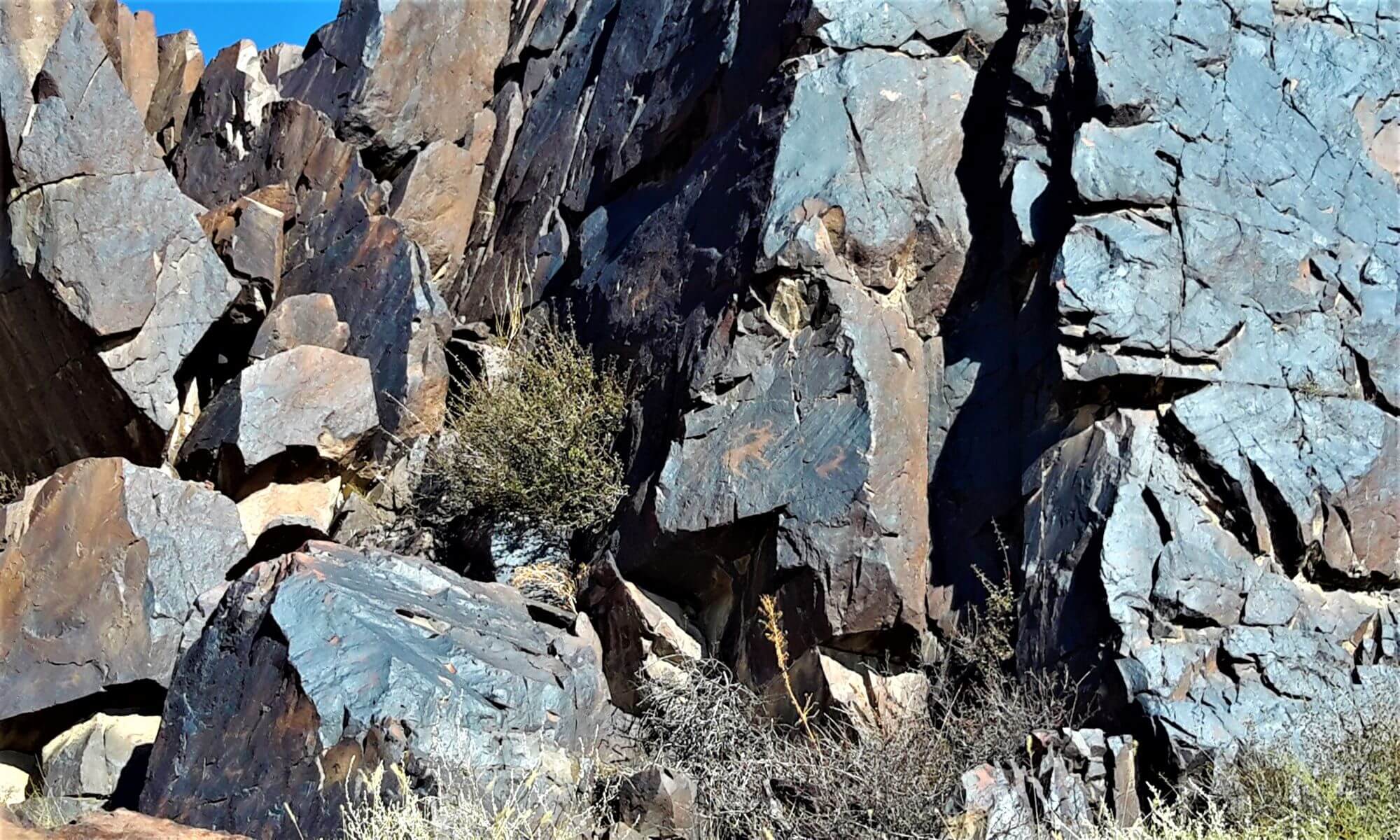
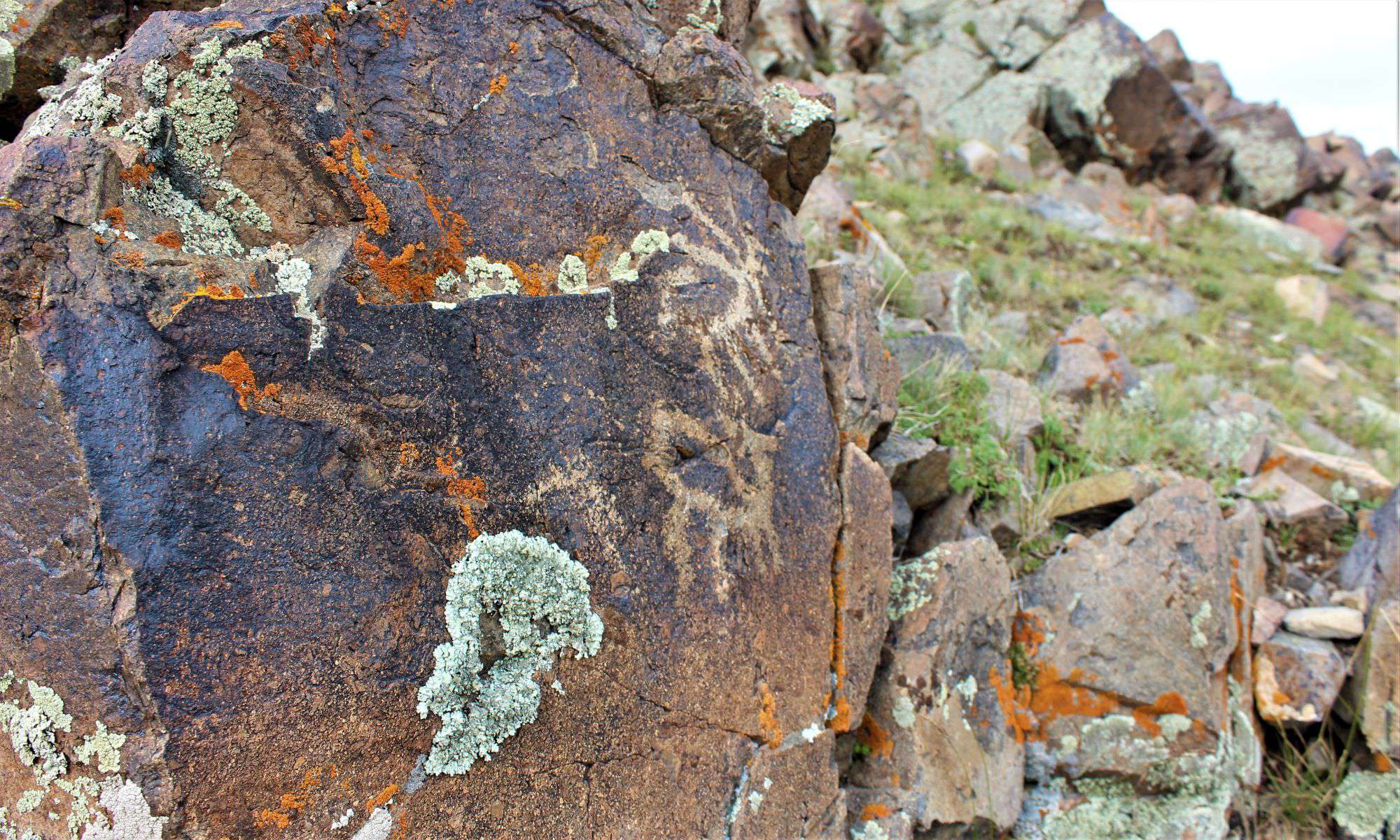
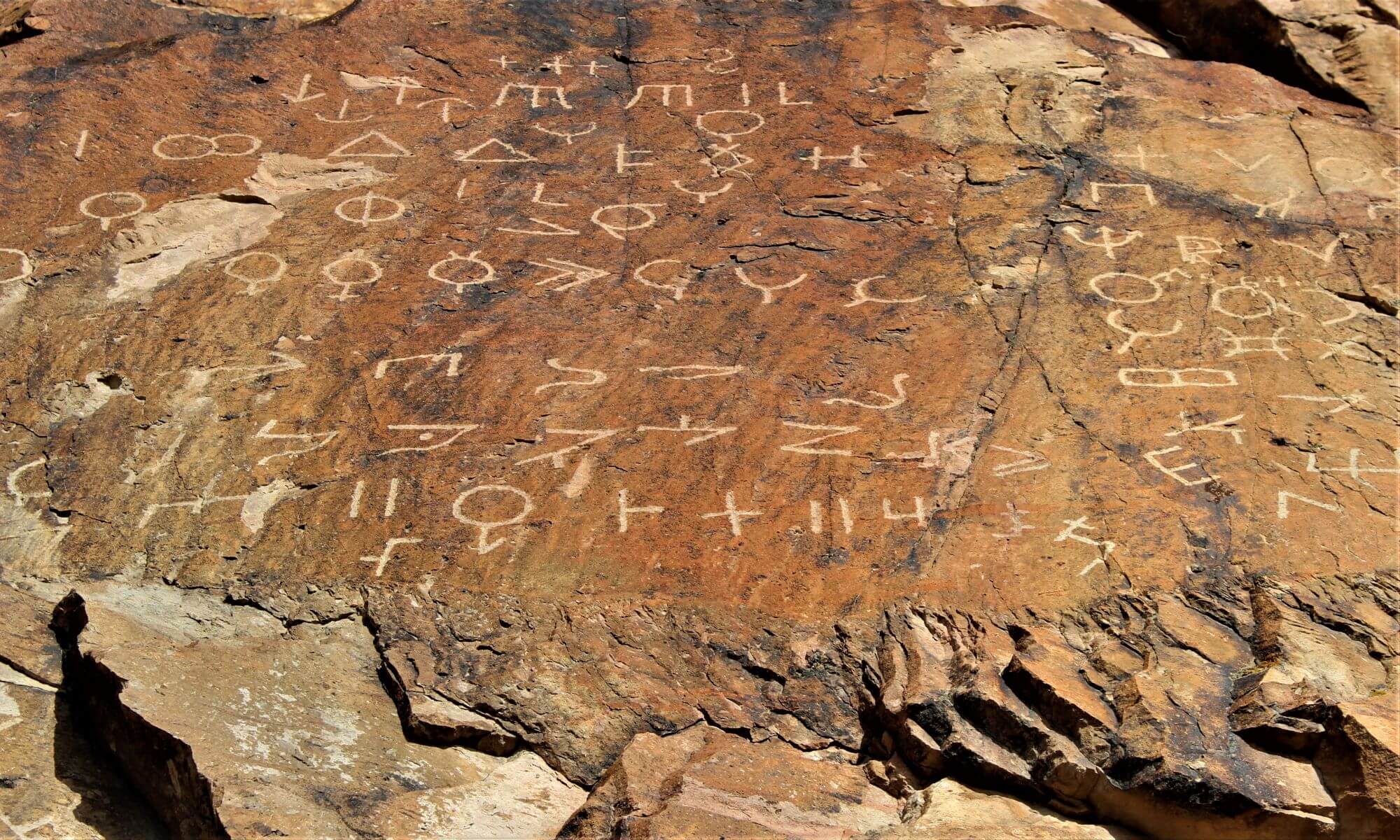
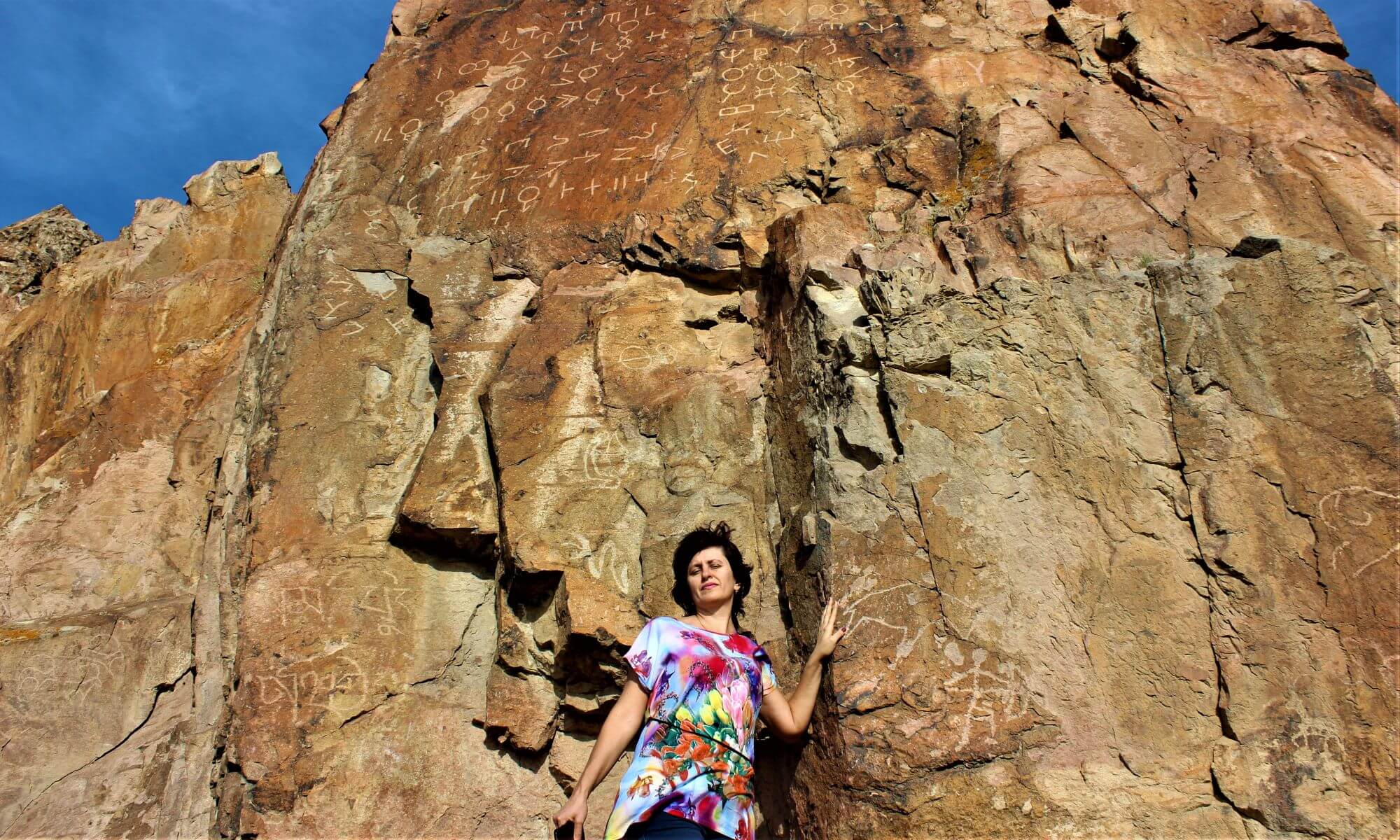
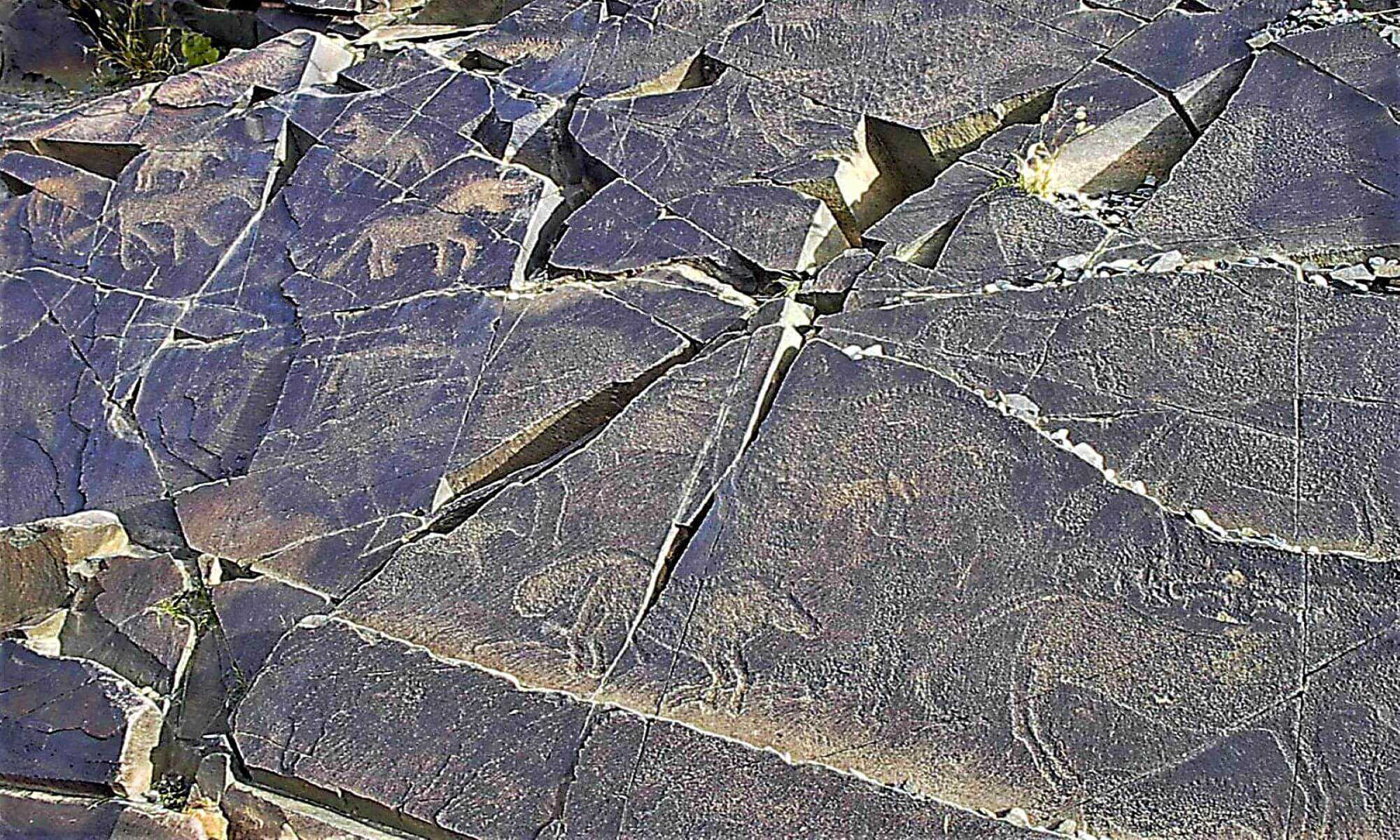
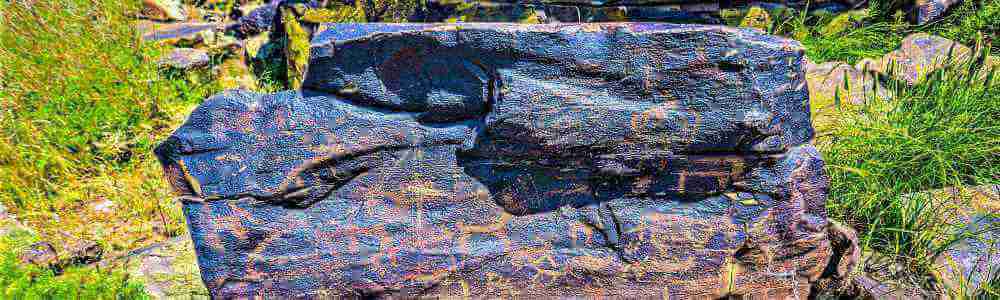 The Eshkiolmes petroglyphs are ancient rock carvings in the Eshkiolmes ridge. They are found on the southern slopes of the mountains, on rocks covered with patina. This is one of the largest accumulations of petroglyphs in Kazakhstan. There are more than 10 thousand images here, and every year archaeologists reveal new, previously unknown petroglyphs. Giving a general description of the rock carvings of the Eshkiolmes sanctuary, it should be noted the originality of the methods of drawing drawings on the plane and, undoubtedly, the artistic expressiveness of the art of ancient artists. The miniature images, sometimes not exceeding 1 - 2 cm, are distinguished by special grace. The Eshkolmes petroglyphs most clearly express the traditions of rock art of the entire region of the Dzhungar Alatau.